Why Preserving Rural Affordable Housing Is a Race Against Time
When aging properties face hurdles, easing the housing crisis across small-town America becomes exceptionally challenging. CPP President Seth Gellis weighs in.

Preserving affordable housing in rural communities often comes down to a difficult calculation: How to keep aging, income-restricted properties viable in markets where new construction rarely pencils and replacement housing is limited?
That challenge is especially acute for USDA-backed rural rental housing, much of which dates back decades and is located in communities with limited gap funding, rental assistance and operating income to support major rehabilitation. Smaller property sizes, layered capital stacks and USDA-related approvals can all make preservation difficult to execute.
Community Preservation Partners has spent more than two decades preserving affordable housing across the U.S., including in rural areas. Multi-Housing News spoke with President Seth Gellis about why rural affordable housing preservation remains difficult to finance, how owners are navigating USDA-related requirements and what would make this work more scalable.
READ ALSO: Road to Housing Act—Will It Get Us There?
What makes rural affordable housing preservation especially urgent right now?
Gellis: Rural communities are the backbone of America’s economy. Farming, agriculture and other essential industries that everyone relies on are concentrated in these tertiary markets, and to ignore the housing needs of the people who support those industries is to ignore a real responsibility to Americans at large.
What makes preservation so urgent right now comes down to basic economics. The cost of sticks and bricks is largely the same whether you are building in Manhattan or rural Mississippi, but in lower-income tertiary markets you simply cannot drive rents high enough to support new construction. That means the housing that exists today is essentially irreplaceable. You have to preserve it, protect it and extend its useful life because there is no viable path to building your way out of the problem.
These communities also do not have the gap resources that larger metros can bring to bear. There are fewer HOME funds, Community Development Block Grants are limited and project-based vouchers essentially do not exist in these markets. When affordable housing is lost in a rural market, whether through physical deterioration, expiring restrictions or an owner who cannot sustain operations anymore, there is nothing coming to replace it.
Inflation has hit these properties harder than most because their incomes have not kept pace with true operating costs. Ownership is aging out without clear succession plans in place. If the industry and federal programs do not prioritize preservation in these markets now, we will lose housing stock that cannot be rebuilt without significant additional and more costly public resources later.
How does preserving affordable housing in rural or lower-density markets differ from similar efforts in larger urban markets?
Gellis: The foundational principles are the same, but the execution is harder in almost every way.
The differences begin with fixed transaction costs. In a more urban or suburban market, you can pursue larger projects and drive efficiencies across more units. In a rural community, you are typically dealing with smaller properties, which means those same costs get spread across a much smaller unit base. Gap resources are also scarcer. These communities generally do not have significant HOME funds, CDBG or project-based vouchers to fill financing shortfalls, and depending on the state, they may be at a disadvantage when competing for tax credit allocations because they are not transportation-focused markets.
Property management is another significant challenge. Finding qualified managers in these markets is difficult and being able to verify their quality before committing to them is even harder. It is a challenge nationally, but it is compounded meaningfully in rural areas.
Investors are already selective in the current environment, and rural USDA-style deals are not at the top of their list. Freddie Mac’s duty to serve obligation helps, but even those investors want to deploy larger chunks of equity than these deals typically produce. Attracting capital remains one of the most difficult aspects of this work right now.
When you evaluate a rural preservation opportunity, what factors do you assess first?
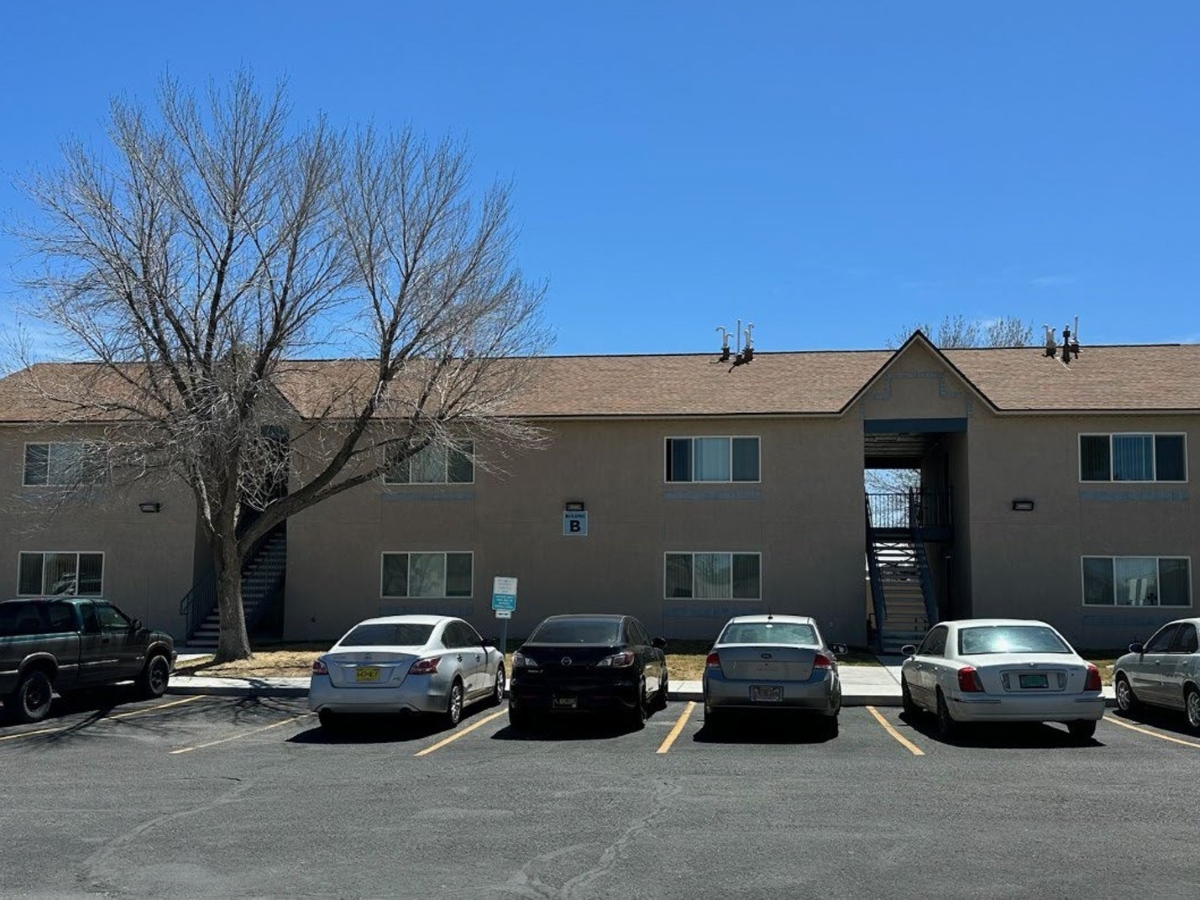
Gellis: The first is the physical condition of the property. Has it gone through a prior renovation? What is the age of the asset and what does a capital needs assessment indicate about the scope of work required? In many cases, if a property has not seen a renovation in some time, you could be looking at $80,000 to $100,000 per unit, and that needs to be understood before the analysis goes any further.
From there, the focus shifts to the existing financing structure. Many of these properties were originally built with USDA 515 loans, so we are looking at when those mature, what the prepayment risk looks like and whether there is a path to converting to rental assistance. Those factors will drive what the rents are and whether, combined with tax credit equity, the deal can support a renovation sufficient to address the actual needs of the site.
The USDA process itself is also a major early consideration. It is lengthy and complex, and you have to assess whether the seller is prepared to remain engaged through both the USDA approval process and the low-income housing tax credit process simultaneously. Depending on the state, that combination presents significant timing and execution risk.
Ownership history is another important area of early diligence. Many of these properties are held by smaller ownership groups, so we are looking at how the asset has been operated, how sophisticated the existing ownership is and where there may be opportunities to improve efficiency. Critically, we are also asking whether there is a qualified owner to take it forward.
The last consideration is whether there is a realistic path to equity. The supply of credits far exceeds investor demand right now, and investors are being highly selective. If that question cannot be answered affirmatively early on, the rest of the analysis has limited value.
READ ALSO: New Solutions for Affordable Housing
What makes rural preservation transactions especially difficult to finance?
Gellis: Financing these transactions is harder to structure than most people realize, and the challenges compound each other.
Small properties generate small NOIs, smaller eligible basis and less equity. In some cases, a 9 percent deal structures better than 4 percent bonds for these properties, but that depends heavily on the state and whether rural deals are incentivized or disincentivized within the allocation process. Even when the numbers work on paper, there is still the question of whether an investor will participate.
The USDA process creates substantial timing risk. Transfers, loan exceptions and subordination approvals are involved and lengthy, often stretching for months. In a volatile capital markets environment, that timing risk is probably the single biggest structural challenge on these transactions.
On the capital stack side, 4 percent tax-exempt bonds paired with 538 loans and subordinated 515 loans can be an effective structure, but there are generally very few additional soft sources available in these markets. Local gap resources are limited, and when they do exist, they can trigger prevailing wage requirements that drive up costs and work against feasibility.
Most of these transactions also cannot be executed as single-property deals. You typically need to assemble multiple properties to amortize the cost of issuance across enough units to make the renovation feasible. That introduces complexity around phasing, coordination across multiple USDA offices, cross-county bond issuance depending on the state and aligning parties across multiple sites.
CPP worked with J.L. Gray Co. on a New Mexico rural preservation portfolio. What made that transaction especially challenging or instructive?
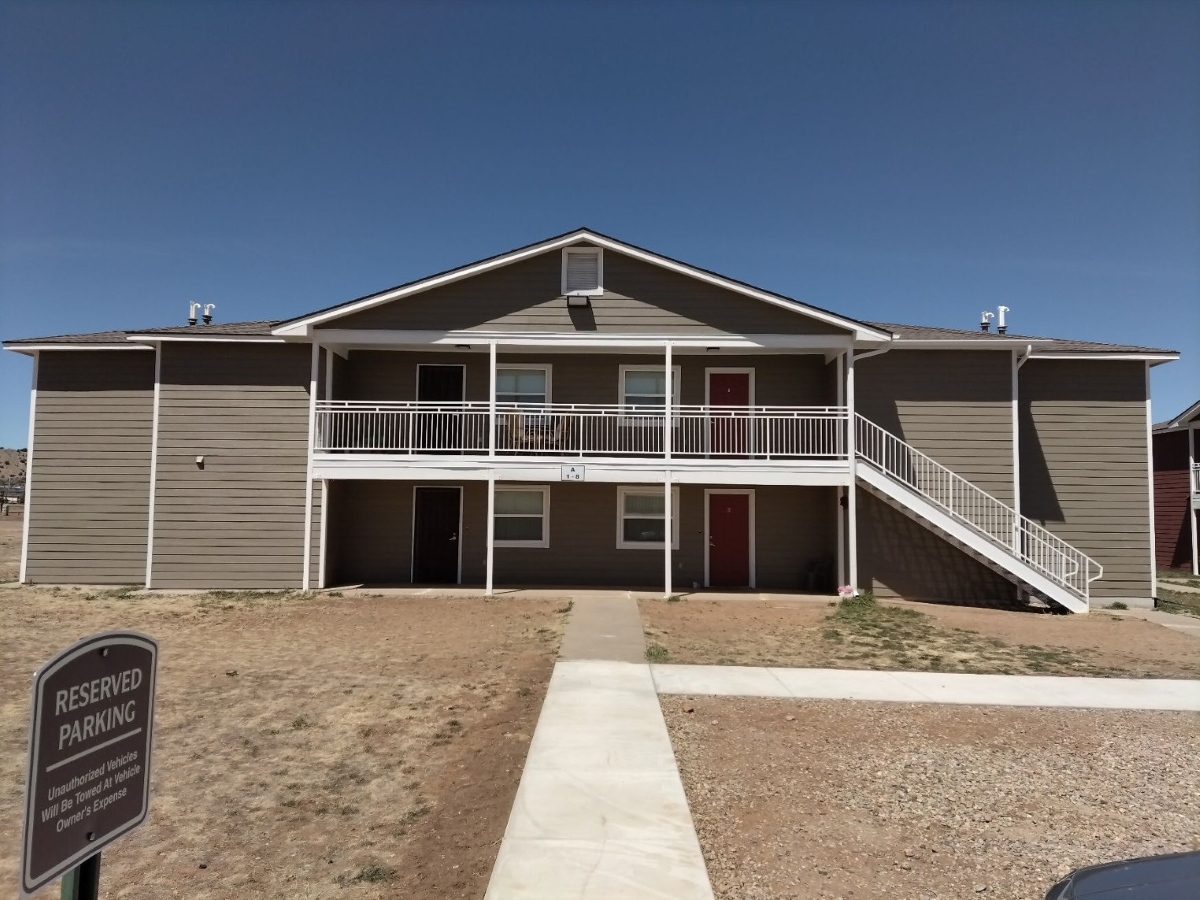
Gellis: One of the clearest examples of what rural preservation looks like in practice is the New Mexico portfolio we completed with J.L. Gray Co. CPP served as fee developer on 654 units across 20 properties spanning 10 counties, with the final phase closing on six communities in Central New Mexico covering 218 units across Las Vegas, Portales, Artesia, Belen and Ruidoso Downs. Affordability for residents earning less than 60 percent of AMI was extended for an additional 35 years.
What made this transaction instructive was the totality of what had to come together. No single property in that portfolio could have supported the financing on its own. The only way to make it work was to assemble enough units across enough sites to amortize the costs of a bond transaction, and the deal ultimately became the largest 4 percent bond transaction ever closed in New Mexico. Financing was structured with a 538 USDA guaranteed loan through Bonneville, with New Mexico MFA serving as bond issuer and USDA Rural Development subordinating the existing 515 loans. The approval process, across state and county offices, took three years.
The execution side presented its own set of challenges. These properties are spread across an enormous geographic area. Careful thought had to go into phasing, construction sequencing, contractor management and resident support during renovation. It required a level of planning and coordination that is distinct from almost any other deal type.
What we took away from it was a validation of the portfolio approach. J.L. Gray is a well-established owner and operator with a meaningful track record in these markets, and even with the right partners and the right structure in place, it still required years of persistence to reach closing.
Beyond financing, what other challenges are most often underestimated in rural preservation deals?
Gellis: Approval timelines are probably the most underestimated challenge, and with USDA specifically, the gap is significant. With HUD, assuming a complete package, you are generally looking at 120 to 180 days. With USDA you are looking at six months to a year regardless of what is being requested. A straightforward transfer of ownership can take a year. There is no differentiation in the timeline based on the complexity of the request, which creates substantial timing risk.
Contractor capacity is another challenge that sounds more manageable than it is. Most preservation-focused contractors will bring subcontractors with them on any deal, but in rural markets they must bring significantly more because the local subcontractor base either is not there or does not have sufficient experience in preservation work.
Property management may be the most underappreciated challenge of all. A management company needs sufficient units to sustain its own operations, which means you need portfolio scale just to attract a capable partner.
Resident coordination during renovation is also more complex than it is often given credit for. In a smaller community, temporary relocation options may simply not be available, which means phasing and construction sequencing have to be planned with considerably more care from the outset.
READ ALSO: New Bridges for Affordable Housing’s Financing Gap
Where do the biggest financing gaps remain today?
Gellis: The financing gaps in rural affordable housing preservation today exist throughout the capital stack, and they compound each other in ways that make these deals genuinely difficult to execute.
The most fundamental issue is rental assistance. If a property does not have Section 8 or RA attached to it, the rents in these markets are often so low that even a well-structured 9 percent deal struggles to pencil. In many rural communities, true market rents are actually surprisingly high relative to incomes because so little housing exists, but still not high enough to support new construction or generate the kind of equity needed for a meaningful renovation.
On the equity side, the supply and demand dynamic for tax credits is significantly out of balance. As investors grow more selective, they focus on deploying larger amounts of equity than most of these deals can accommodate. We have tertiary market transactions right now that are structurally sound with experienced ownership in place that we simply cannot attract equity investors to.
Local soft sources are scarce and often come with conditions attached. Project-based vouchers are almost never available. You are largely working with whatever leverage the existing loan structure provides combined with what the credits can generate, and that must be sufficient to cover rehabilitation costs that continue to rise.
What changes would make rural affordable housing preservation more scalable?
Gellis: There are several changes that would make rural affordable housing preservation more scalable, and most of them require federal action.
The single biggest thing that would move the needle is streamlining the USDA approval process. Getting transfers, subordinations and basic loan requests processed on a timeline proportionate to what is being requested would be transformative.
Beyond that, USDA could do considerably more on the loan side. Offering new capital at rates below prevailing market levels, closer to their actual borrowing costs, and making the subordination process less rigid would help significantly.
Rental assistance is probably the deepest structural gap. Even a modest pool of project-based vouchers directed toward rural preservation, 10 or 20 units per site, would make a meaningful difference in deal feasibility.
On the investor side, strengthening the incentives tied to rural deals beyond Freddie Mac’s duty to serve would help attract more private capital to these markets. Investors need a compelling reason to choose a smaller rural deal over something with stronger economics elsewhere.
The federal programs serving this market were designed to address these needs, but they need to be modernized, made faster and more flexible. Pairing those improvements with stronger rental assistance and better investor incentives would create a genuine path to doing this work at scale.