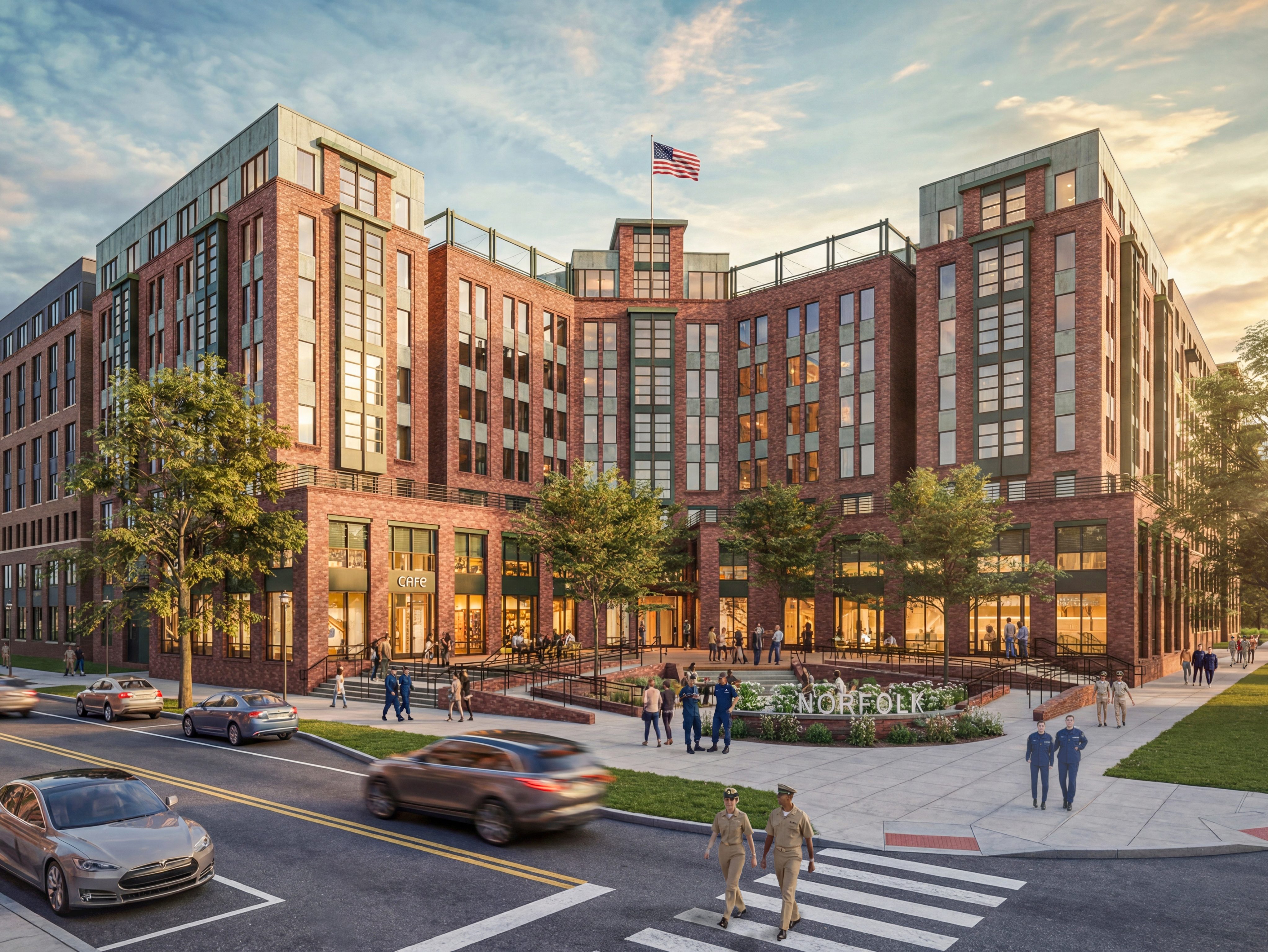
New Solutions for Affordable Housing
Finding success in the low-income housing arena requires both a short- and long-term view. You have to find a way to finance it, but you also should consider the needs of the resident.

A recent column for MHN’s Finance & Investment Newsletter resonated with me. The writer, Andrey Zudin of affordable housing giant The NHP Foundation, was offering “10 Ways to Streamline Affordable Construction Management,” but he began with a critical reminder: “Affordable housing development is about far more than delivering buildings,” he stated. “Where people live matters.”
And one of his tips focuses on “long-term resident success, health and opportunity.” That can include seemingly little things that can make a big difference in people’s lives, like a private balcony for seniors with mobility challenges, he suggested.
At NHP, prioritizing residents is a stated core value. The nonprofit firm even has a separate subsidiary, Operation Pathways, providing family-centered services. Not everyone can offer services through a company subsidiary, but remembering to take resident needs into consideration—and that even small things can make a big difference—is a particularly good mantra for affordable housing, where so often occupants have little choice where to live and may be limited in what they can contribute to their own living experience.
Housing choice is particularly constrained by the affordable housing shortage, a situation aggravated by the lack of tax credit equity, as Mikayla Sciortino notes in her feature “New Bridges for Affordable Housing’s Financing Gap.”
It’s hardly being ignored—in fact, it’s a much-debated problem, and lawmakers may have made some headway toward a solution just before they went home for the Memorial Day holiday, with the House of Representatives overwhelmingly passing a new version of the 21st Century ROAD to Housing Act, although it must now go back to the Senate for review. Meanwhile, a week later Mayor Zohran Mamdani released his own plans for New York City, which include capital investments and a land-use agenda.
But financing isn’t the only problem. Developers fight an uphill battle at the local level, as NIMBYism often continues to limit their ability to proceed even where mandates would seem likely to pave a smoother path, as Patricia Kirk relates in “Bypassing NIMBYs to Get More Built,” featured in the May 27 MHN Finance & Investment Newsletter (if you’re not a subscriber and want to receive it directly, it’s easy to sign up).
Fortunately, affordable housing developers are accustomed to a challenging environment, as the need to come up with alternative solutions is vital to proceeding with projects. “We need to be more creative—both in preserving existing housing and in developing new models without relying solely on federal subsidies,” Lori Chatman of Enterprise Community Partners told Sciortino for her article. Be sure to read about some of the new ideas being implemented.
And as you’re able to move forward with your own affordable housing projects, keep Andrey Zudin’s advice in mind for greater success: Remember to put yourself in the shoes of the resident.