Apartmentalize Special Report: Specials Plus Service Build Retention
How you can set yourself apart from the competition.
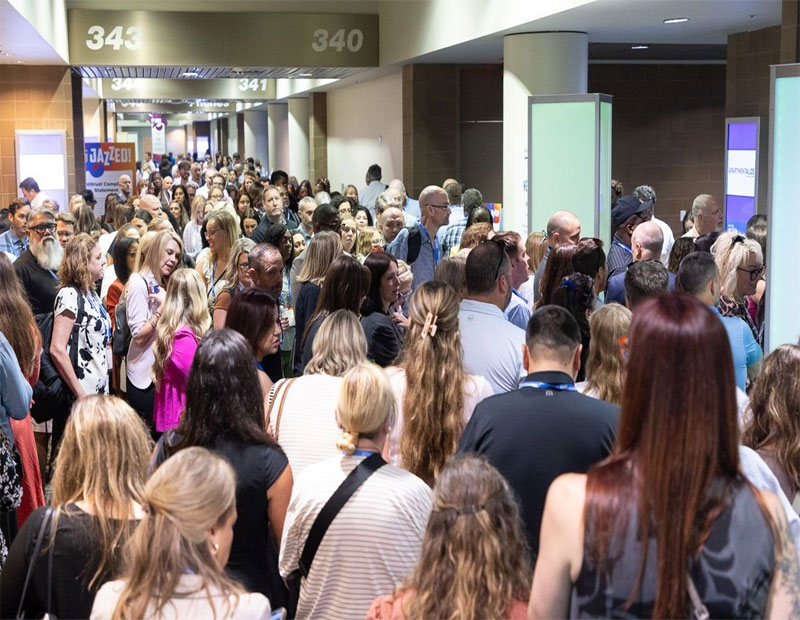
Whether it’s the move-in experience, a maintenance request or the way a renewal is handled, residents want to see value across the board. Day 3 of Apartmentalize connected the dots through leasing, service and maintenance, underscoring the part each one plays in differentiating your community.
Concessions can help you get residents in the door, but the value and service you provide will make them stay at your community.
Specials are a start
Renters have a lot of information about your community before they even reach out. They already know your specials and amenities, and they know your competitors’ offerings, as well. The first interaction is critical. At that point, they’re looking for the storyline to help them imagine themselves living at your property, so it’s time to build trust.
Leasing teams can set the tone for this within the first 60 seconds. “If the leasing team waits until price comes up to build value, it may already be too late,” said Cole Cason, director of training and development at Flournoy Properties Group, a Georgia-based boutique property management company during a session titled Beyond Specials: Stop Discounting. Start Differentiating. Cason was joined by Sarah Calhoun, area vice president of North Carolina at Willow Bridge Property Co. and Chase Cooksey, marketing director at Highmark Residential.
READ ALSO: Apartmentalize 2026 Highlights
Asking “why” and using discovery questions helps you build that value. Whatever their “why,” it’s the leasing agent’s job to translate the aspects that differentiate the community into something personal for the prospect, said Cooksey. That could be anything from telling them how furniture will fit in the bedroom to what the surrounding community feels like.
Maintenance teams are a big part of delivering the quality service that supports resident satisfaction and retention. In The Maintenance Effect: How Service Quality Drives Renewals and Revenue, Property Meld Co-Founder & CEO Ray Hespen framed repairs and maintenance not only as a cost line, but as controllable parts of a property’s performance.
Make value last
Operators want to keep costs down, and inflation isn’t making that any easier. Those costs include money spent on maintenance, but there’s a direct link to renewal rates that they may be overlooking. According to Hespen, a unit turn could reach some $5,000 at the site level, which means every retained resident helps offset those costs.
Hespen’s company provides software for property managers to help them lower maintenance spend. The firm researched more than 110,000 first-year leases and 260,000 work orders and found that the maintenance experience has a measurable relationship with turnover. The data showed a 13.5-point difference in renewal rates between residents with a negative first-year maintenance experience and those with a positive one.
Paul Rhodes, senior manager of maintenance learning at Brookfield Properties Multifamily, advised operators to start by assessing where they are today and tying benchmarks to renewals. While operators often focus on speed to avoid lost rent, he noted that taking an extra day can improve the move-in experience and support retention. The quality of the apartment is worth more than a faster turn.
“I guarantee your technicians are thinking: ‘I’ve got to go fast, I’ve got to go fast,’” said Rhodes. Instead, he directed operators to look at the metrics that support renewals, not just speed. Maintenance is “not just about solving the immediate work order,” said Rhodes, and teams need to understand that the move-in experience has to support the value residents were sold during leasing. “Yes, we still have to do things quickly, but (with) quality.”
Cason urged operators to get back to the fundamentals of building value, so teams are not overly reliant on specials. “If we all decided to be crazy people and take away our specials today, what would our residents (and) prospects think about us? Would they still choose to live at (our) community without the special?”