The Rise of Hotel‑Branded Apartments
A niche series of properties has evolved into a multi-city development phenomenon.

In luxury residential development, the line between home and hospitality is becoming increasingly blurred. Once a niche offering, hotel-branded residences are gaining traction across key markets in the country as developers and hotel brands increasingly pair private ownership with operational expertise, creating a model that benefits both sides.
Beyond prestige, the concept resonates with affluent buyers seeking a fully serviced living experience that combines residential privacy with amenities such as concierge services, wellness facilities, fine dining and social programming—features designed to support everyday life as seamlessly as a luxury hotel stay.
Newer projects even place a greater emphasis on design, community and integration into the surrounding neighborhood, positioning hotel-branded residences as both lifestyle-driven and long‑term investments.
READ ALSO: The Project That’s Bringing a Transatlantic Touch to Miami’s Condo Scene
“Hotel-branded residences are moving toward more integrated environments rather than standalone buildings,” said Mark Wilson, CEO of London Bay Development Group. “Buyers are placing greater value on how a place functions day‑to‑day, from service to setting to overall experience.”
We looked at three of the most sought-after markets to understand what appeals to buyers today.
Florida: A testing ground
Florida—particularly South Florida—is among the most active markets for hotel‑branded residences in the U.S., fueled by sustained in‑migration, international demand and a deep pool of second‑home buyers. According to a recent Savills report, South Florida stands out as the leading U.S. market in 2025-2026, with 48 completed branded residential developments and 55 more currently in the pipeline—more than any other region in the country.
Developers are increasingly tailoring hotel-branded residences to distinct demand drivers across the state. In Orlando, The Big Key Group is introducing a flexible, hospitality‑backed ownership model with Ambar Residences, Apartments by Marriott Bonvoy, marking the brand’s first for‑sale residential offering in the U.S. and Canada. The concept is closely tied to the city’s tourism fundamentals: Orlando welcomed more than 75 million visitors in 2024 alone, creating what Co‑Founder Nate Siehr described as “a very different kind of opportunity than in a typical residential market.”
“People do not come to Orlando once,” he said. “They come back, often with different groups and for longer stays. That repeat visitation naturally supports a model that sits between hospitality and ownership.”
The amenity strategy reflects that hybrid use. Beyond fully equipped kitchens and in‑unit laundry, the project encompasses resort‑style pools, wellness and fitness spaces, onsite food and beverage, and curated programming, designed to make the property “part of the reason for the trip,” according to Siehr. In this model, buyers are purchasing not just space, but a repeatable experience tied to long-term resident satisfaction.
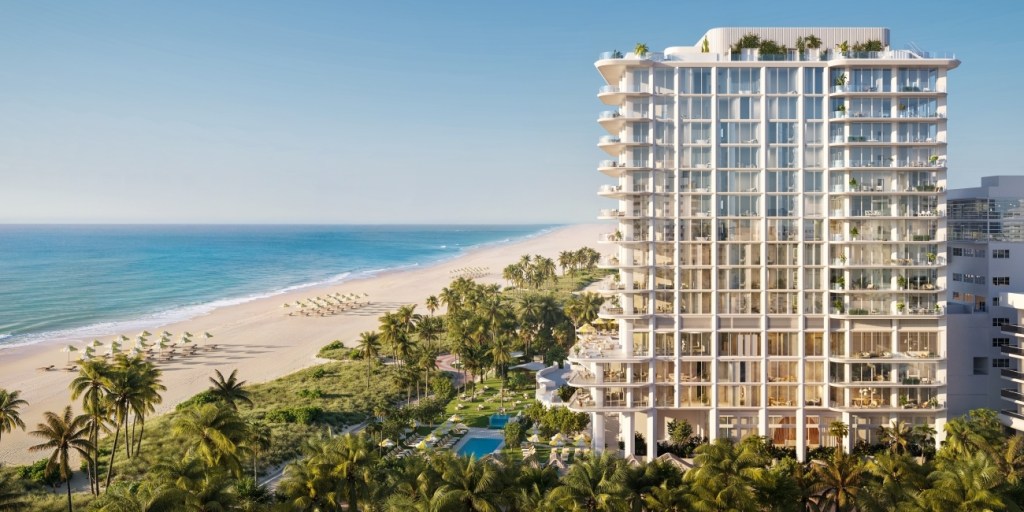
The Ritz-Carlton Residences, South Beach, in Miami Beach is integrated into the broader Ritz-Carlton and Sagamore hotel site. All renderings courtesy of The Boundary 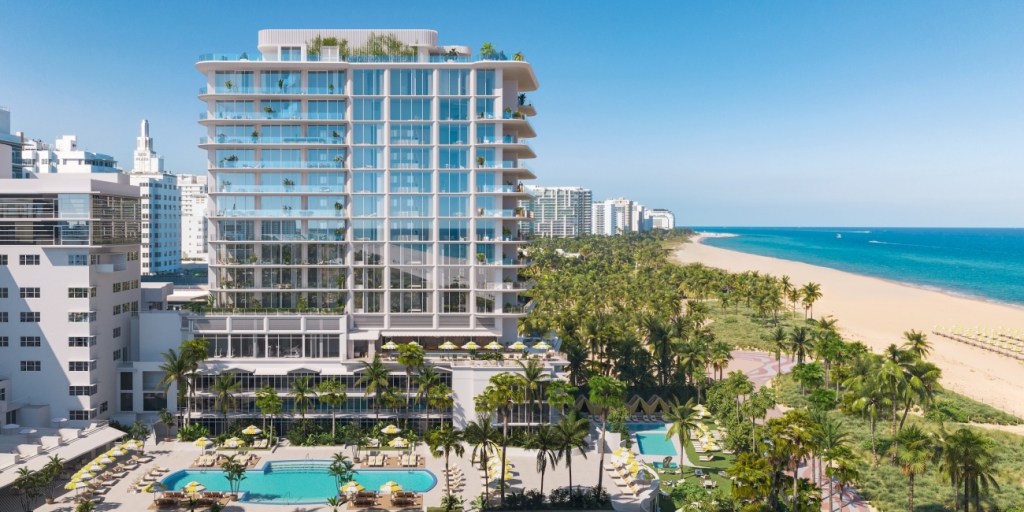
The projects sits at 1671 Collins Ave. in Miami Beach. 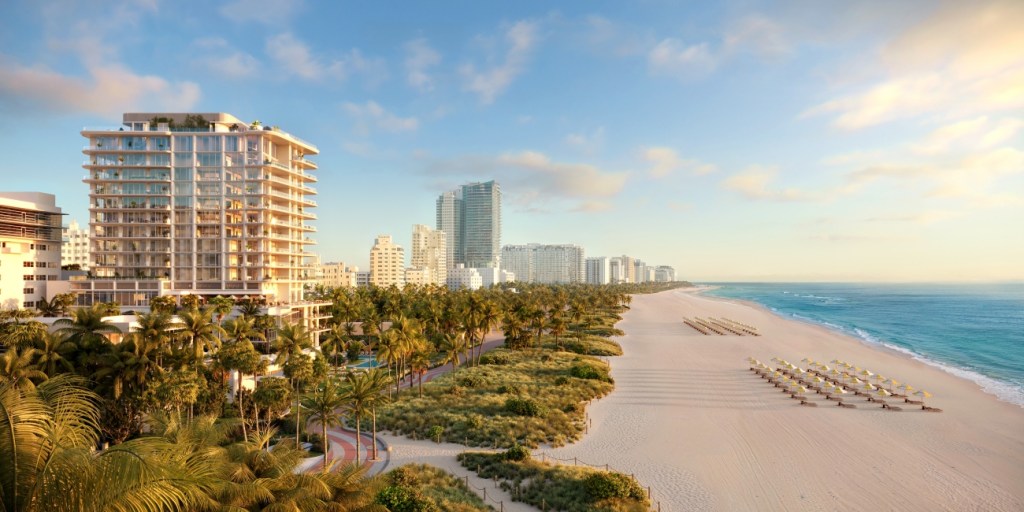
The amenities are complemented by direct access to the ocean. 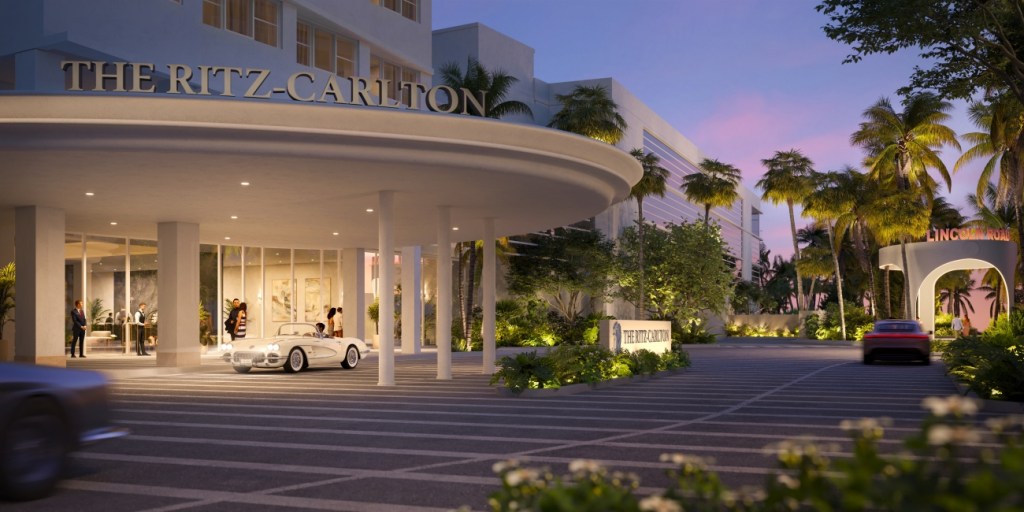
It also features a grand, newly renovated porte-cochère entrance designed to offer a luxurious arrival experience. 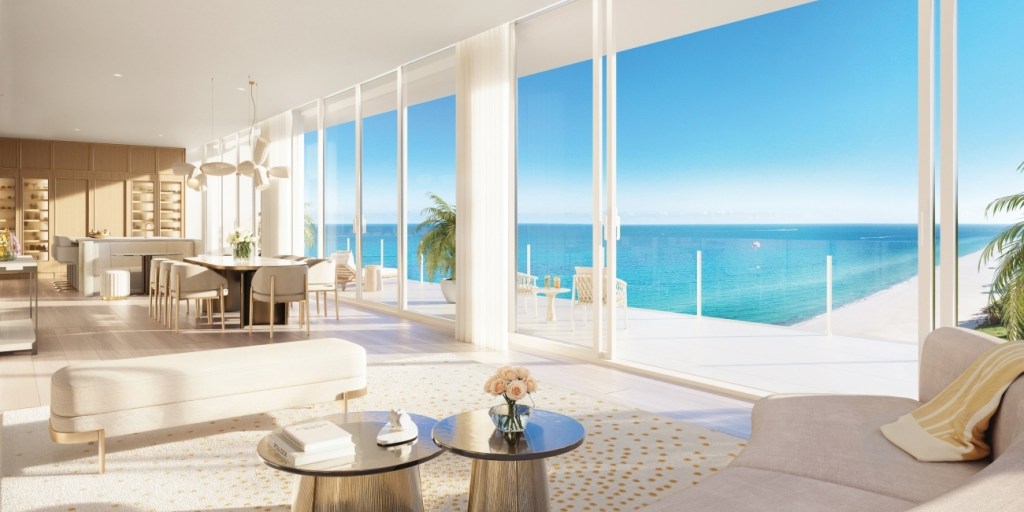
The Ritz-Carlton Residences, South Beach, features 30 custom-designed oceanfront beach houses. 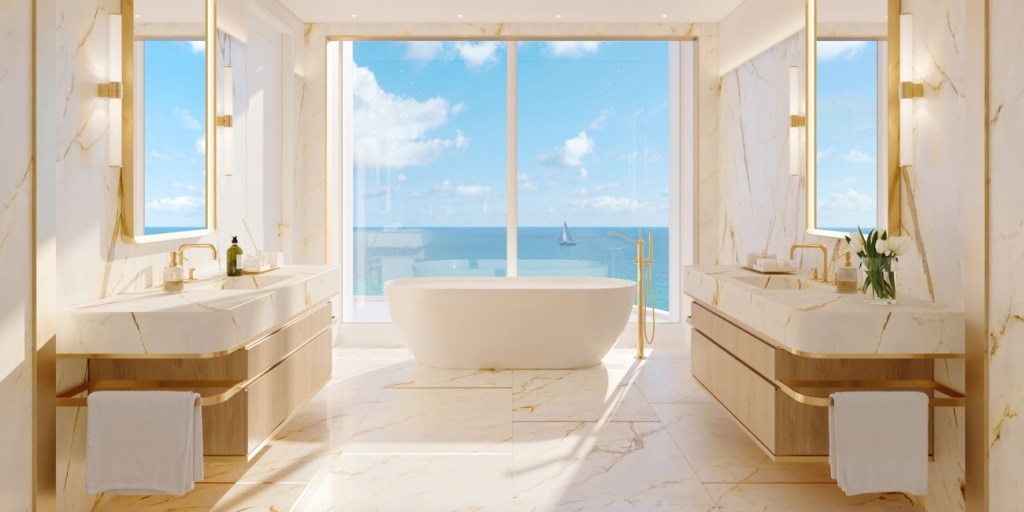
Units include marble bathrooms overseeing the ocean. 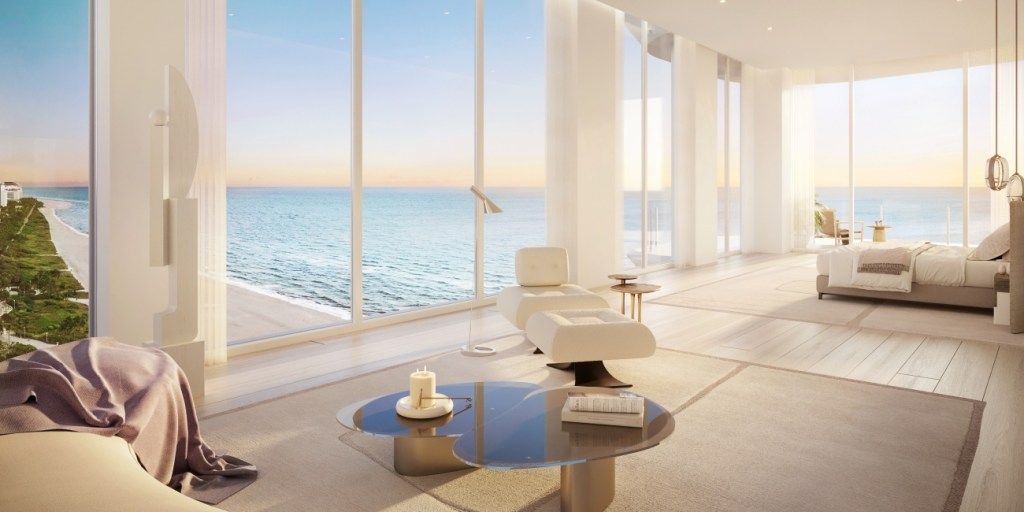
Expansive floor-to-ceiling windows flood the interiors with natural light. 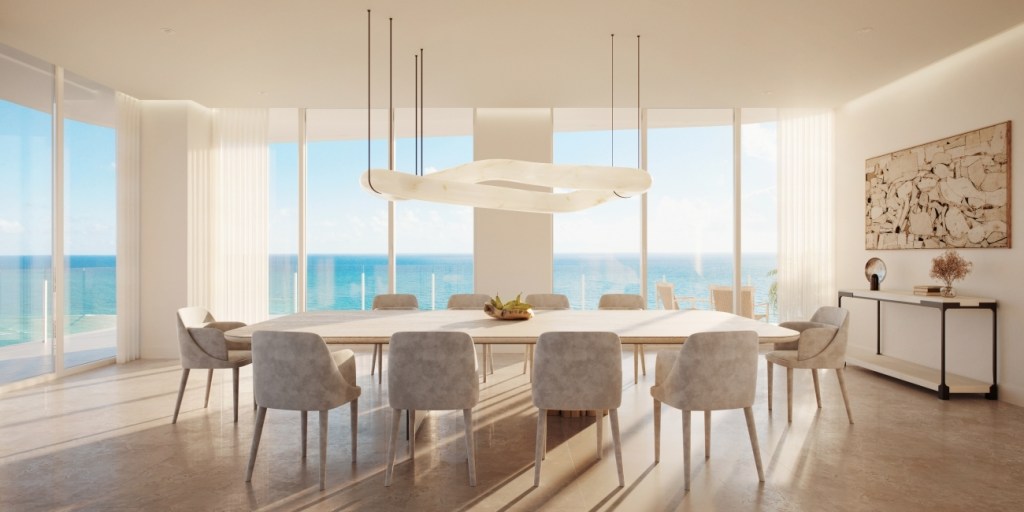
The Ritz-Carlton, South Beach features bright, airy dining areas. 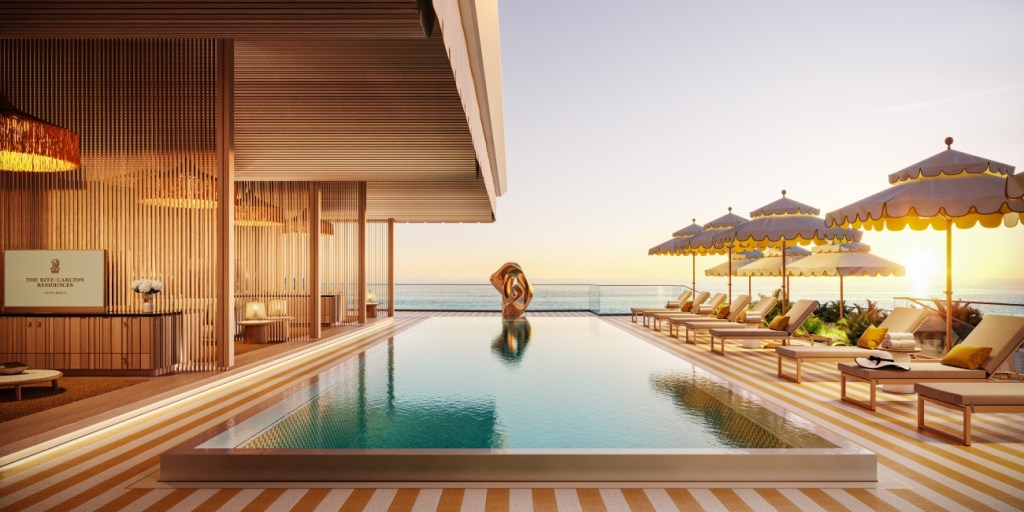
The offering also includes luxurious residential amenities, including a private rooftop oasis.
On Florida’s Gulf Coast, amenities at hotel‑branded residences expand well beyond the residential areas. London Bay Development Group’s Ritz‑Carlton Residences, Estero Bay, anchors the Saltleaf community, with amenities including a marina, golf access and bayfront dining, alongside five acres of curated onsite offerings. The residences feature private elevators, expansive terraces and panoramic water views, reinforcing a strong connection to the place.
The model is expanding across both ultra-luxury and more accessible segments. In Miami’s Edgewater neighborhood, Black Salmon’s HQ Residences targets younger buyers through a highly programmed lifestyle offering. The project centers around a multi-level amenity ecosystem that includes a full-floor wellness and spa environment with hammam, sauna, plunge pools and outdoor yoga spaces, alongside a Social Club with lounges, dining areas, a podcast studio and nightlife-driven venues.
“The next phase of the market will be defined by how well a brand can integrate into daily life, whether through wellness, hospitality or social programming,” Black Salmon Co-CEO Camilo Lopez told Multi-Housing News. “Buyers are becoming more discerning and they’re looking for brands that add substance and enhance how they live, rather than simply lending a label to the building.”
READ ALSO: Will the Next Amenities War Be About Services?
At the high end of the quality spectrum, scarcity and service remain key differentiators. In Miami Beach, Flag Luxury Group is developing a boutique Ritz-Carlton Residences project with just 30 units on a prime oceanfront site. The development includes more than 50,000 square feet of amenities such as a private rooftop pool, beach club with dedicated cabana service, fitness center, spa access and curated dining by Michelin-starred chef José Andrés, along with full concierge and in-residence services.
“Today’s purchasers are more globally minded and more service-oriented than ever before,” said Flag Luxury President & COO Dayssi Olarte de Kanavos. “Many are already familiar with Ritz-Carlton properties worldwide and appreciate being part of a trusted ecosystem.”
Across Florida, these projects illustrate how branded residences are diversifying, ranging from flexible-use, income-generating models to ultra-exclusive beachfront enclaves and fully integrated lifestyle communities. The common thread is a shift toward more experiential living, where amenities and programming are no longer secondary features, but central to both value creation and buyer appeal.
Nashville: Boutique meets placemaking and design
As hotel-branded residences expand beyond traditional coastal strongholds, Nashville has emerged as a key growth market, driven by rapid in‑migration, corporate relocations and a rising profile as both a cultural and luxury destination. Unlike Florida’s scale‑driven pipeline, hotel‑branded residences in Nashville lean into boutique positioning, multifamily design integrity and neighborhood integration.
That approach is exemplified by The Residences at The Nashville EDITION, which brings a design-forward take on hotel-branded residences to The Gulch. Mick Walsdorf, CEO of Tidal Real Estate Partners, the project’s developer, believes the city’s ongoing evolution is a key demand driver for hospitality-inspired living at the high end of the residential market.
Unlike more traditional branded developments that focus on service first, the EDITION model foregrounds design, social energy and cultural connection. When completed in 2028, residents will benefit from direct access to hotel amenities, including personal training, wellness facilities and food‑and‑beverage venues, alongside in‑residence services such as dining, spa treatments and event planning.
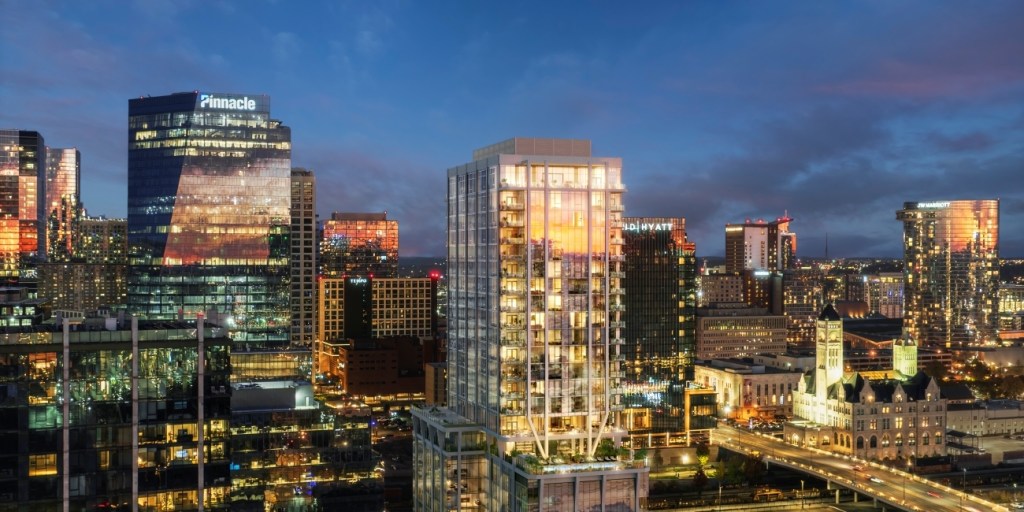
The Residences at The Nashville EDITION is rising over The Gulch. All renderings courtesy of DBOX 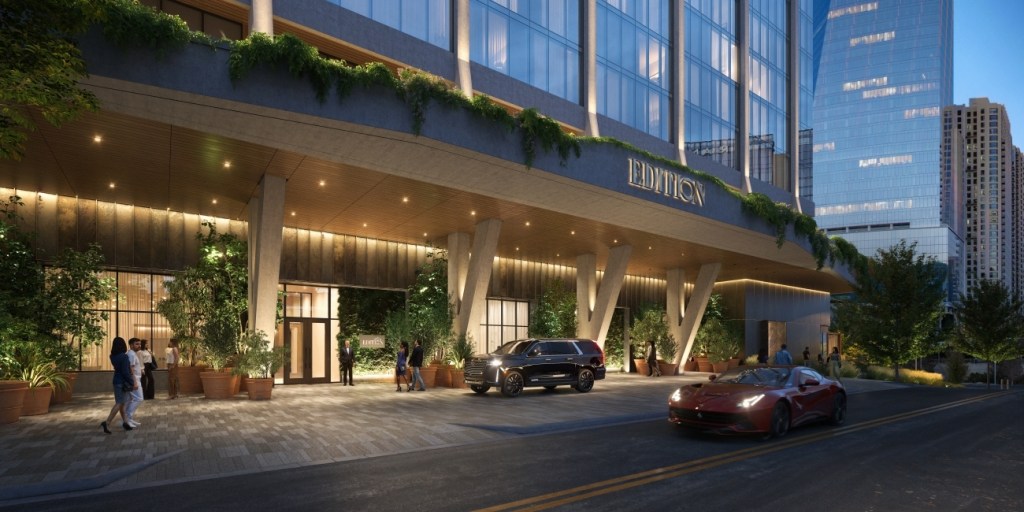
The porte-cochère is set to provide a green arrival and a separate, private entrance for residence owners. 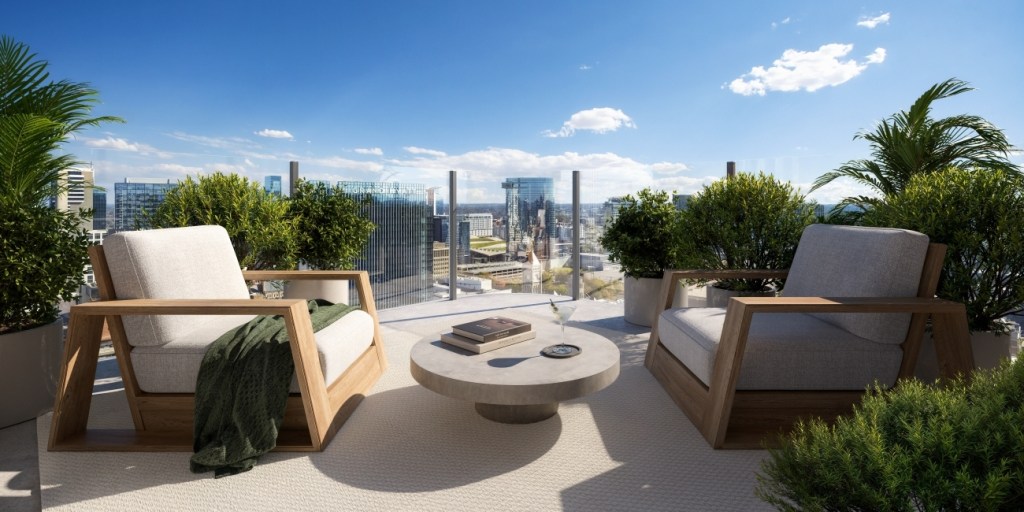
The property overlooks Downtown and Midtown Nashville. 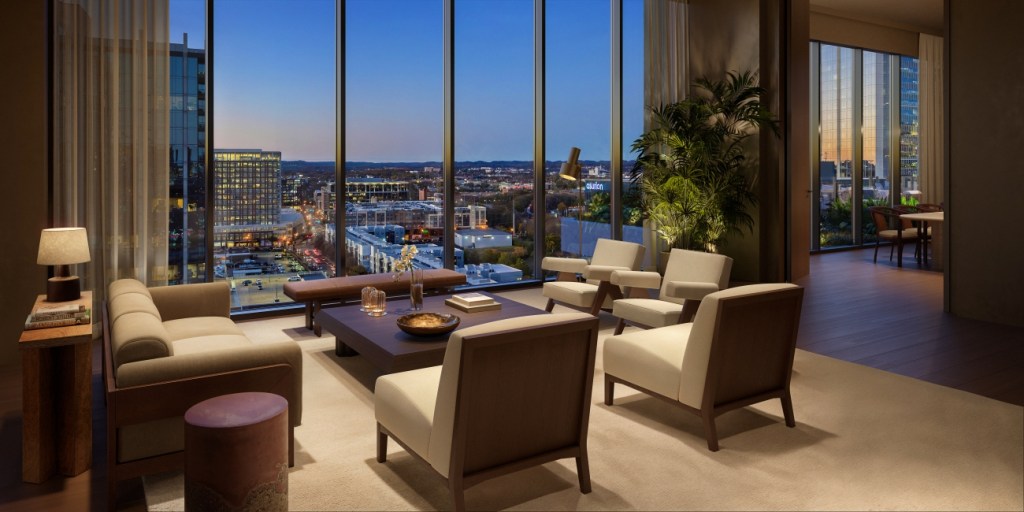
The property is expected to open in 2028. 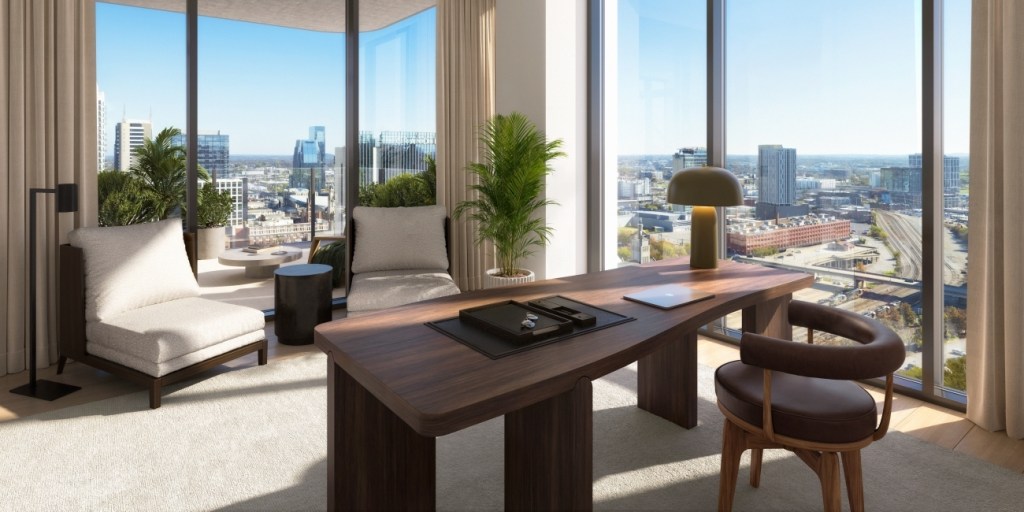
Residential offerings range from one- to four-bedroom units, including two expansive half-floor penthouses designed to maximize views and space. 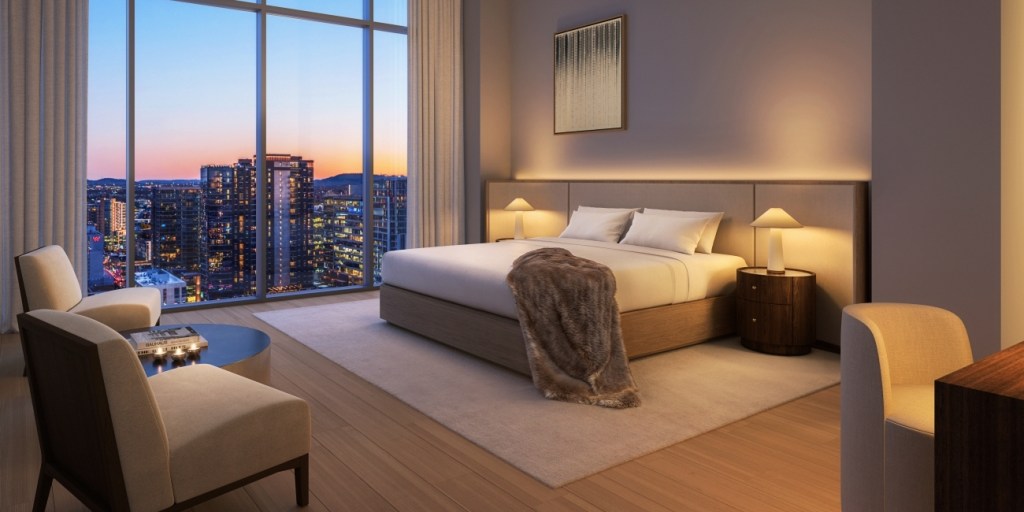
The project will be situated across the top 15 floors of the city’s new hotel. 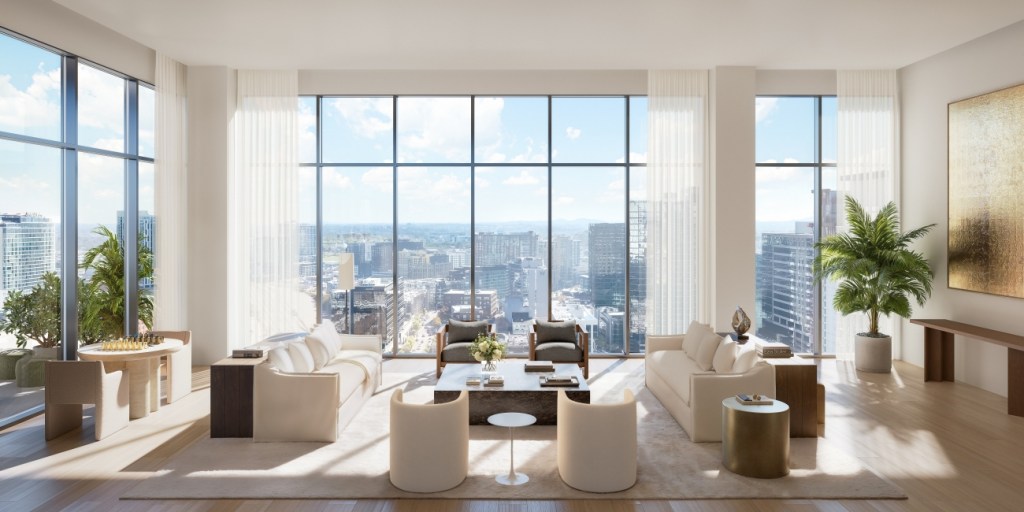
The property will bring together 261 hotel rooms and 84 private condominium residences. 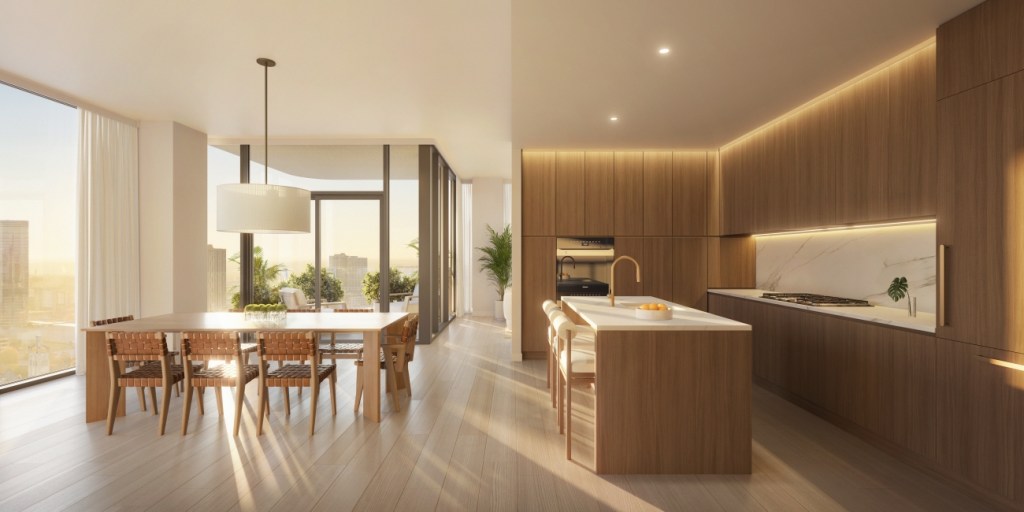
The kitchens are swathed in light wood. 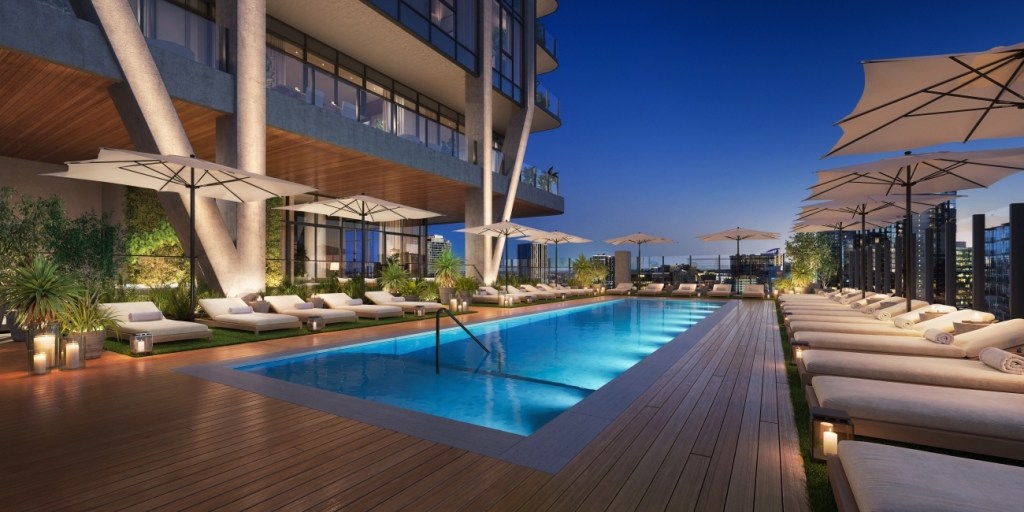
Plans call for a 50-foot heated saltwater pool with cabanas.
With 84 units, the project’s boutique scale acts like a differentiator in a market experiencing a surge in luxury development. According to Kris Wylder, the project’s sales director and agent at Corcoran Reverie, that positioning is resonating with buyers from across the country.
“We’ve seen strong buyer demand on both the local and national level,” she said. “The hotel‑branded lifestyle has attracted local buyers who are either looking to downsize and live in a fully serviced building or searching for a pied‑à‑terre in the city. We’ve also seen a lot of EDITION brand loyalists relocating to Nashville from coastal hubs like Miami, New York and California.”
A similar emphasis on lifestyle and integration shapes Pendry Residences Nashville, part of the larger Paseo South Gulch district developed by SomeraRoad. Designed as a fully integrated live‑work‑play environment, the hospitality component extends beyond the building and into the surrounding neighborhood.
READ ALSO: How Mid-Term Stays Can Unlock a New Asset Class
“Nashville is actively writing its next chapter,” said Andrew Donchez, partner & head of development at SomeraRoad. “Our goal is always to create projects that embrace and celebrate Nashville’s culture and creative energy, while elevating the offerings to meet that growth through new brands, partners and experiences.”
At Pendry, amenities include concierge services, in‑residence dining, curated programming and full access to hotel facilities, while the broader district itself functions as an extension of the lifestyle offering, with high‑end dining, retail and wellness anchors.
“Owners aren’t simply purchasing a luxury home,” Donchez noted. “They’re buying into a best‑in‑class lifestyle experience in the center of one of Nashville’s most exciting neighborhoods.”
Buyer demand reflects that positioning. According to Maranda Blanton, co‑founder & managing director of Redeavor Group, which handles sales and marketing for the hotel-branded project, interest is coming from both local downsizers and out‑of‑state buyers seeking secondary residences.
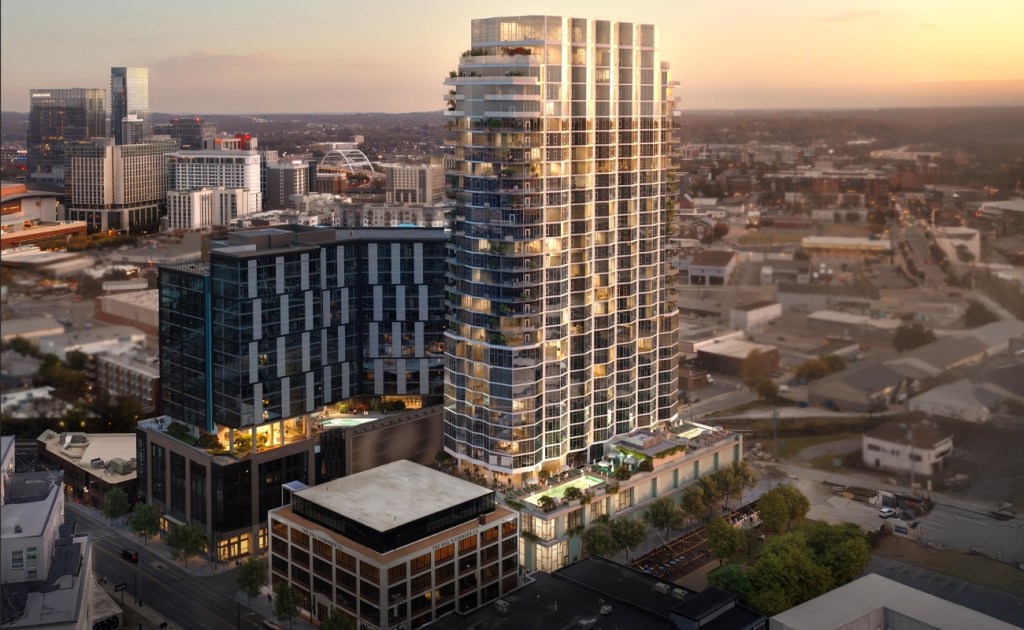
Located in The Gulch, Pendry Residences Nashville is scheduled for completion in 2028. All renderings courtesy of Binyan Studios 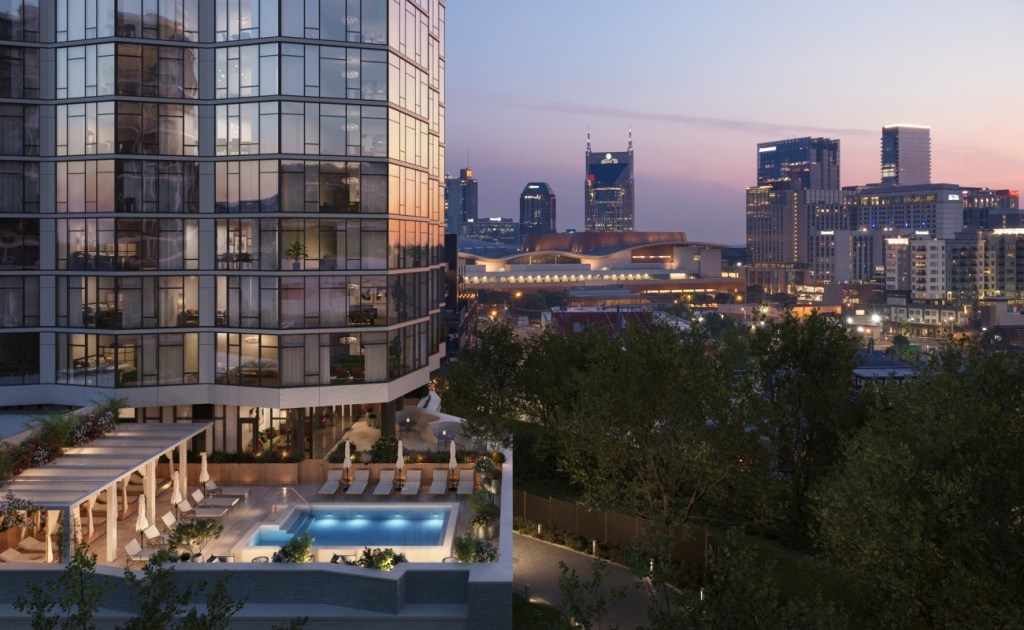
The third floor will include a 10,500-square-foot pool with a bar and lounge. 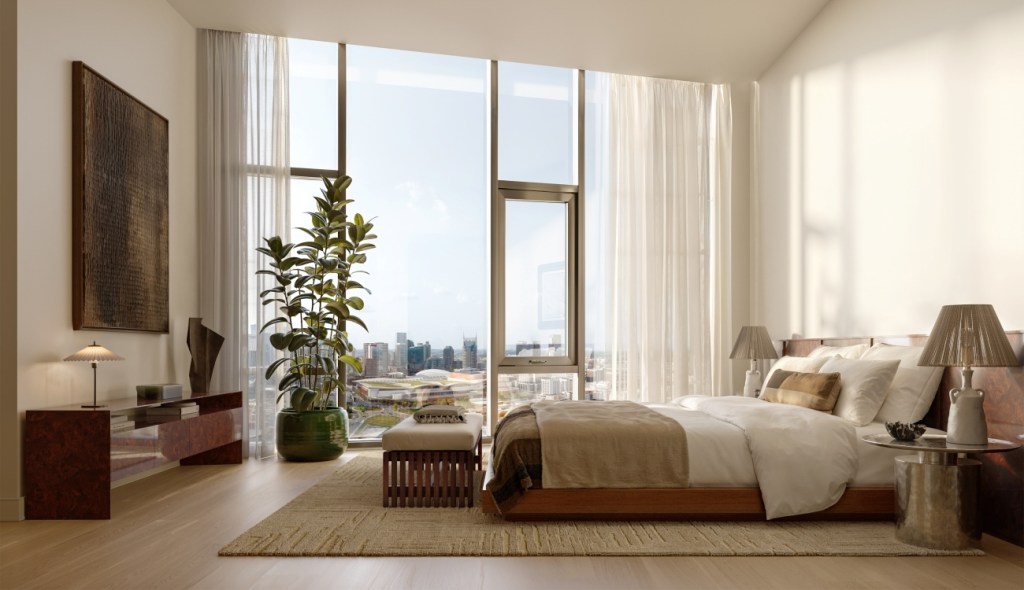
The project is set to feature 146 luxury condominiums ranging from one to four bedrooms, covering between 968 to more than 3,800 square feet. 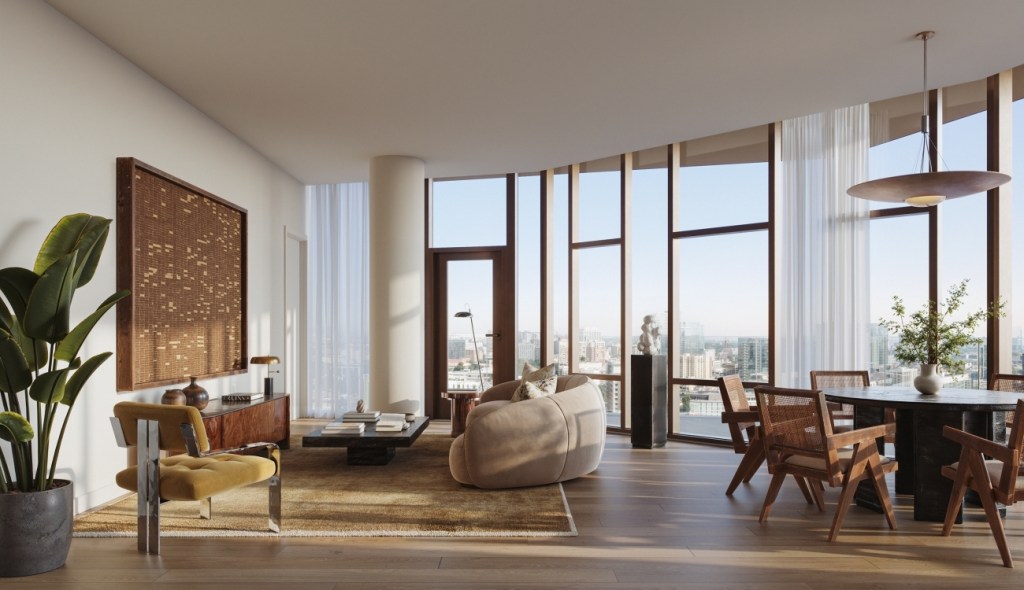
The 30-story tower project includes floor-to-ceiling windows, Italian marble and burnished brass. 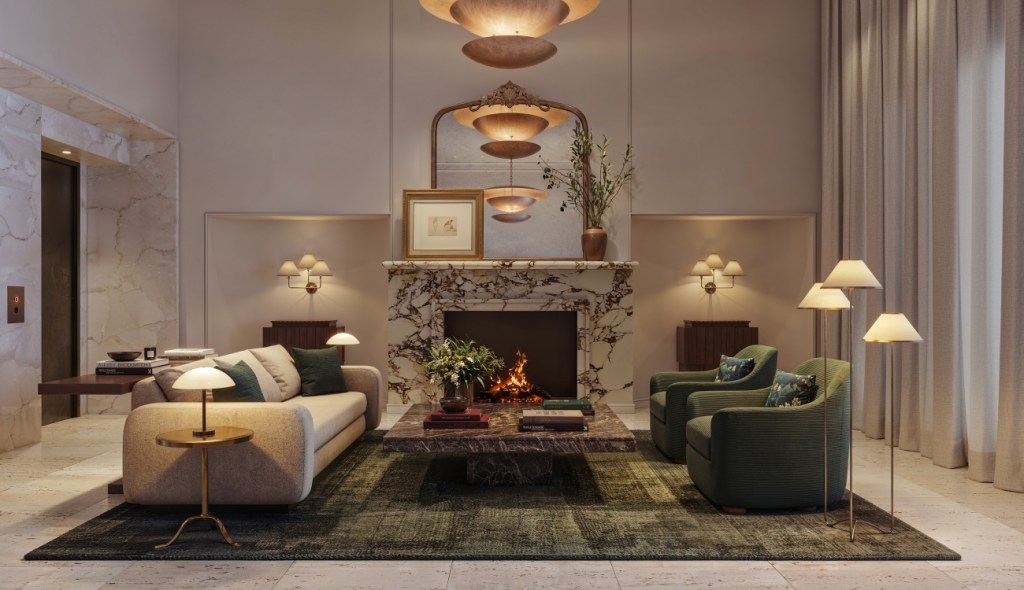
Designed by Post Company, the units are designed for comfort and elegance. 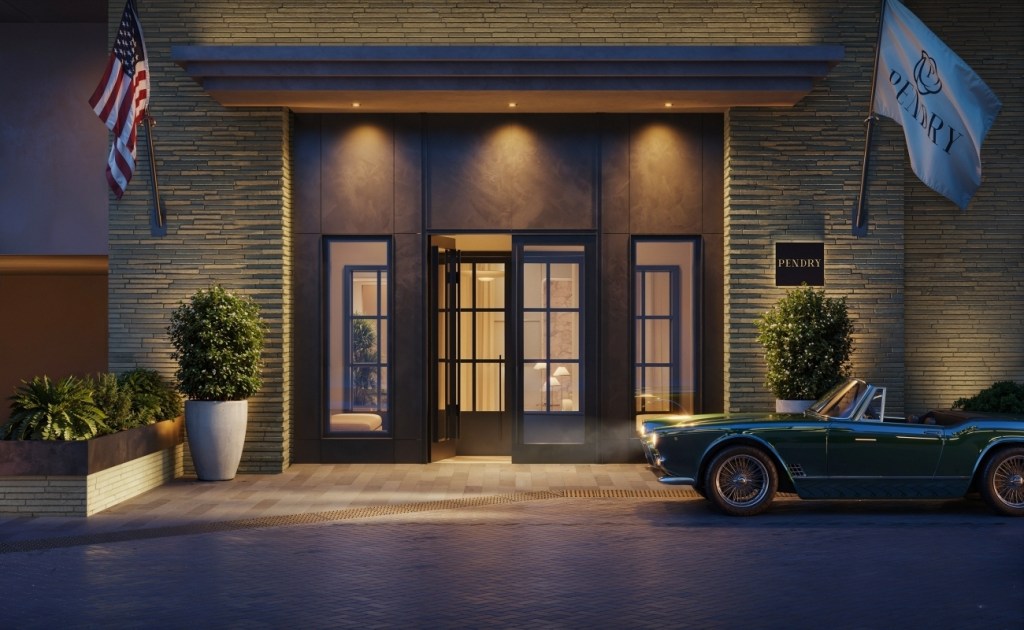
All residential owners enter through a discreet private arrival, separate from the hotel entrance. 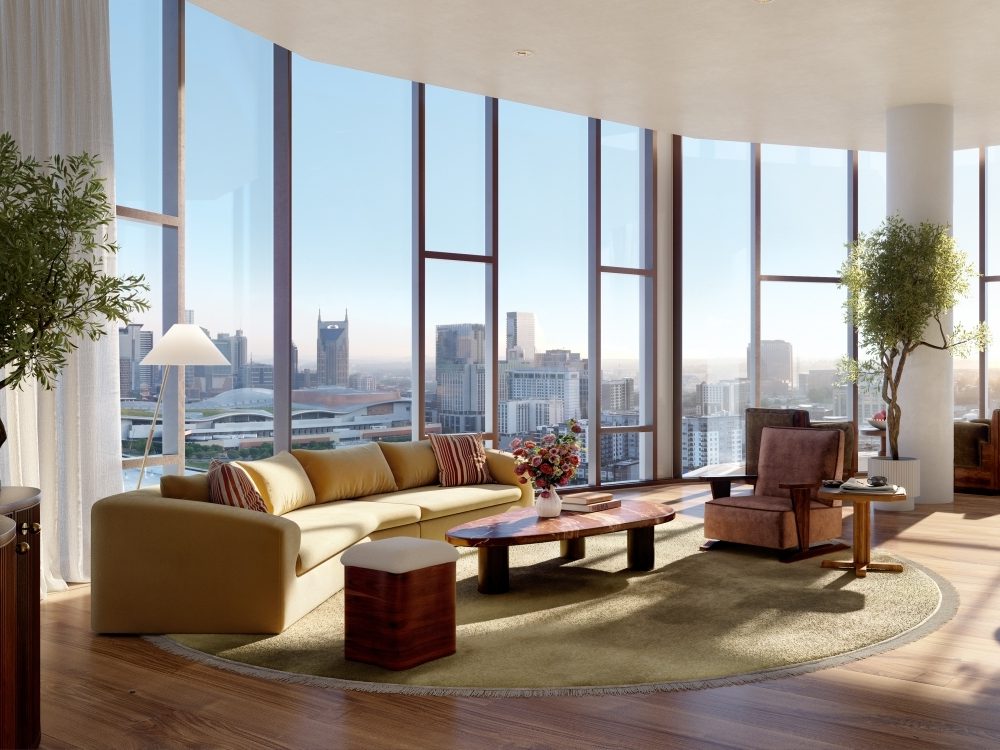
The units will offer private terraces, high-end, curated finishes and access to dedicated staff. 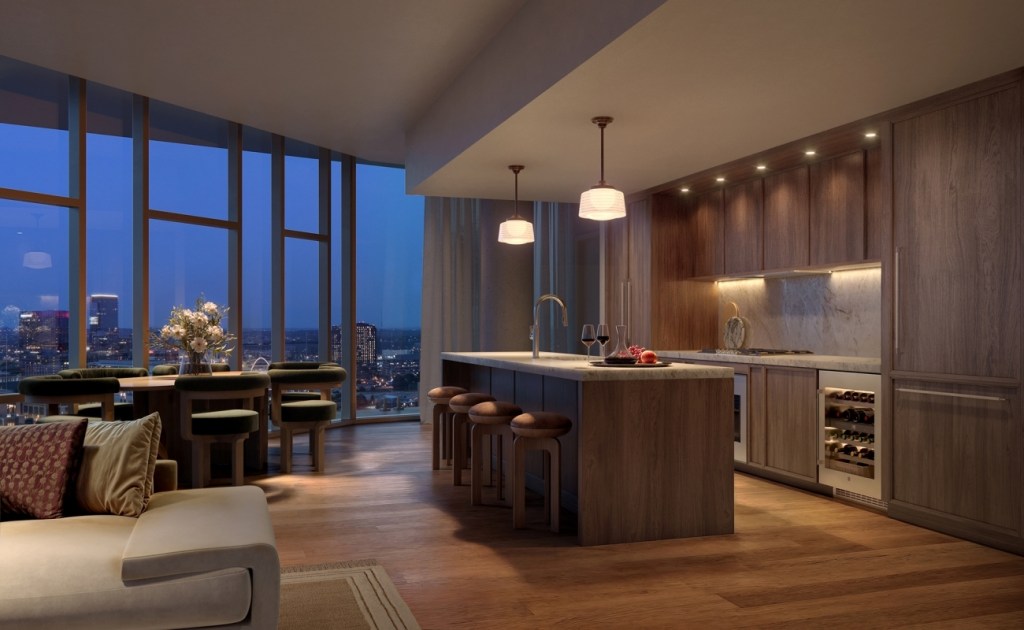
Kitchens are set to include marble countertops and custom millwork. 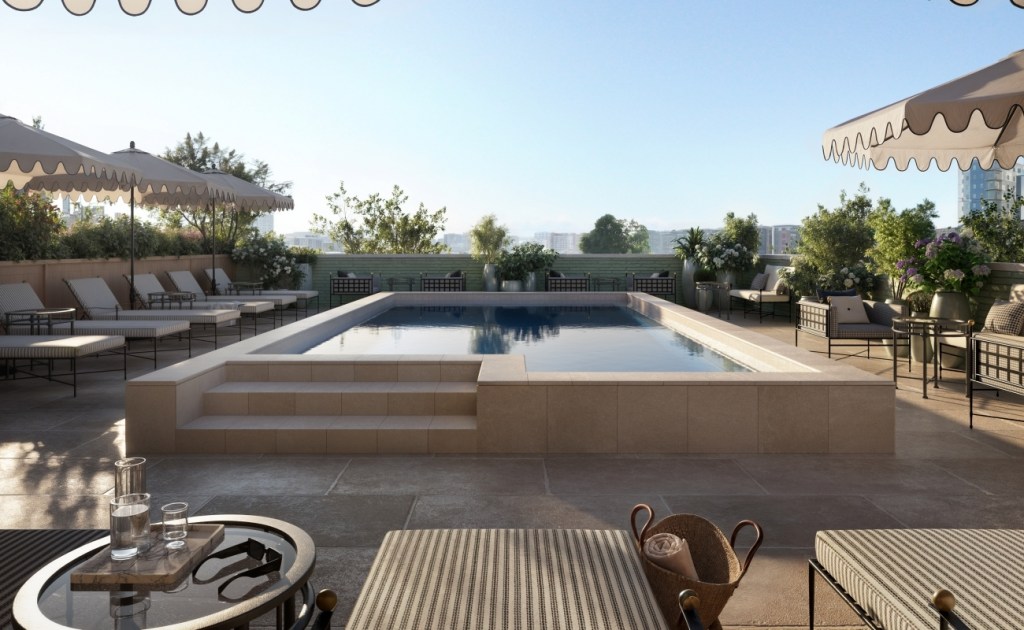
Plans also call for a rooftop pool deck and lounge area with views of downtown Nashville.
Across Nashville, branded residences are taking on a more intimate, experience‑driven form, where success depends less on scale and more on design cohesion, brand authenticity and placemaking. As Walsdorf noted, the appeal ultimately comes down to “trusted brands, consistent service and a highly curated residential experience”—a formula increasingly resonating beyond traditional gateway markets.
Boston: Transit and elevated urban luxury
Hotel‑branded residences in Boston are not just beachside retreats or resort‑style communities, but elevated urban sanctuaries rooted in history, craftsmanship and connectivity.
The Ritz‑Carlton Residences at South Station Tower, for example, is a mixed‑use landmark that marries five‑star hospitality with one of the city’s most vital transportation hubs. The site’s transit-oriented location was an asset for the development team.
“Opportunities like this are rare,” said Sarah Hawkins, Hines’ senior managing director and Head of U.S. East. “Stepping off a train from New York or a flight into Logan and being home within minutes is a natural extension of the Ritz‑Carlton lifestyle: seamless, elevated, effortless.”
According to the designers of the development, the site’s location shaped every aspect of the project.
“Being directly above South Station gives the building a stately presence, an address woven into Boston’s daily rhythm and storied history,” said Tim Rooney, partner at design firm Jeffrey Beers International. “That contrast between the constant motion at street level and the remarkable stillness as you rise into the residences shaped our approach. We designed the interiors as a true sanctuary, creating spaces that feel grounded yet suspended above the city’s energy.”
Rising roughly 690 feet above the historic South Station, the tower’s 166 private homes span across the upper 16 floors, offering panoramic views of Boston Harbor, Back Bay and the Financial District, framed through floor‑to‑ceiling glass.
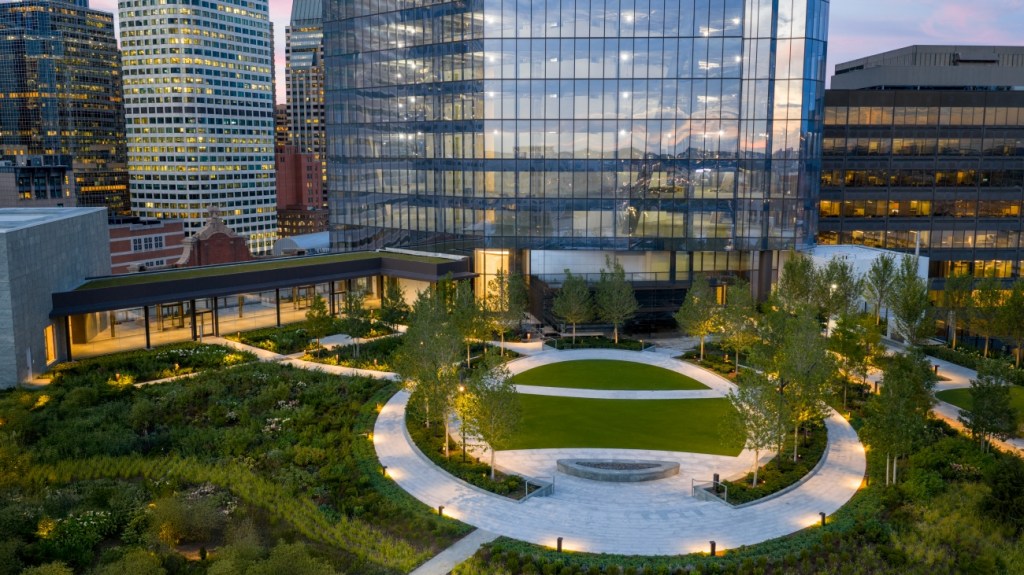
Residents at Ritz-Carlton Residences at South Station Tower have access to a rooftop pool, private amenities and a new, expanded bus terminal. Image by Jason O’Rear, courtesy of Ritz-Carlton Residences at South Station Tower 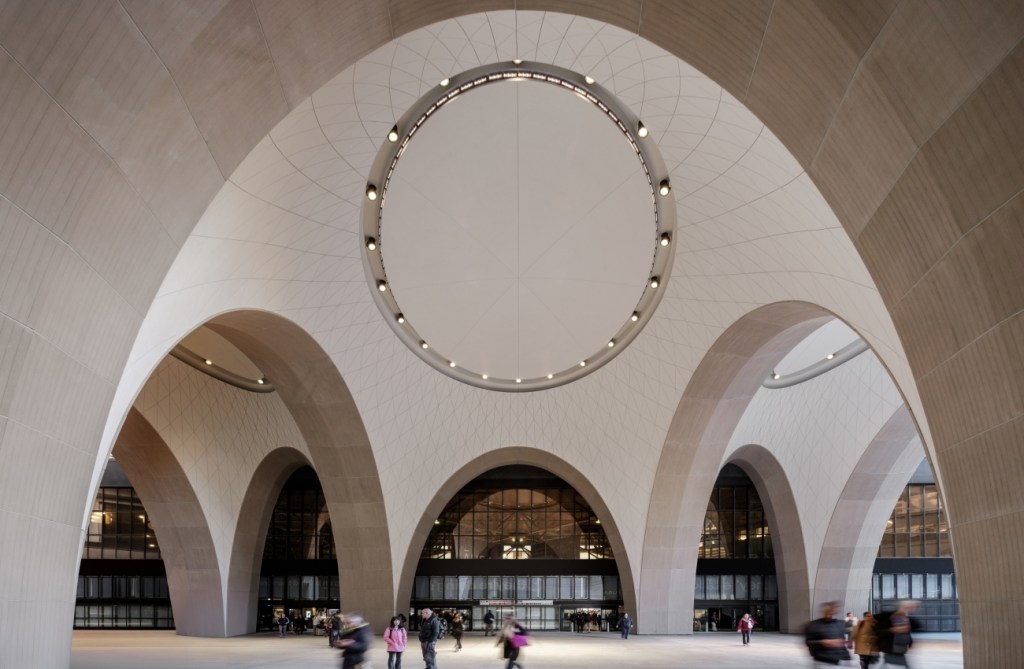
It’s situated at the top of a 680-foot skyscraper built directly over the existing South Station transportation hub. Image by Jason O’Rear, courtesy of Ritz-Carlton Residences at South Station Tower 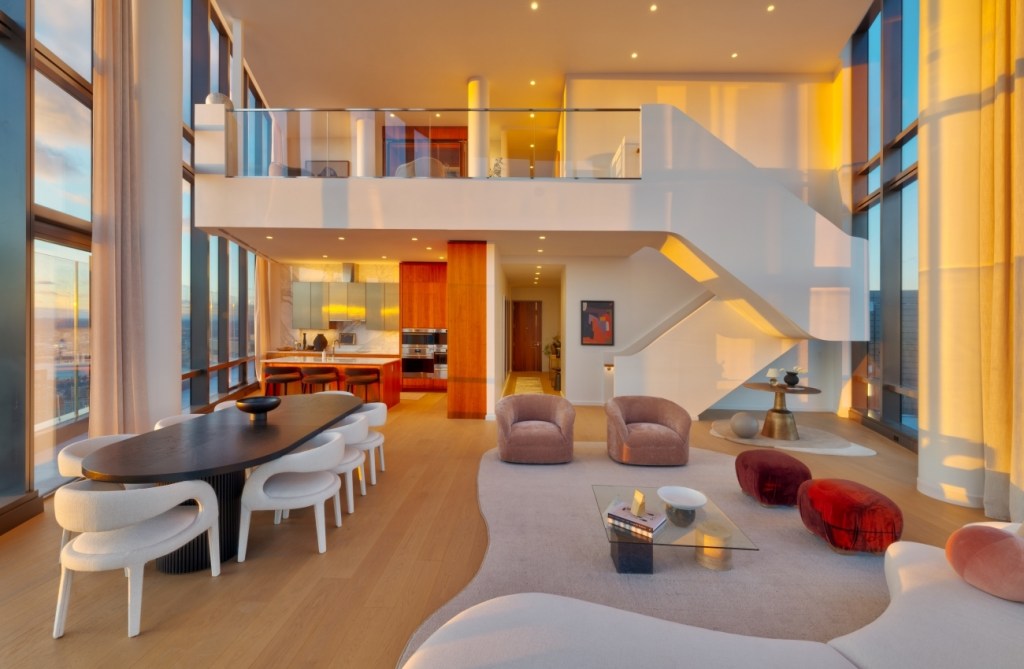
The project was designed by Pelli Clarke & Partners and Jeffrey Beers International. Image by Andy Ryan, courtesy of Ritz-Carlton Residences at South Station Tower 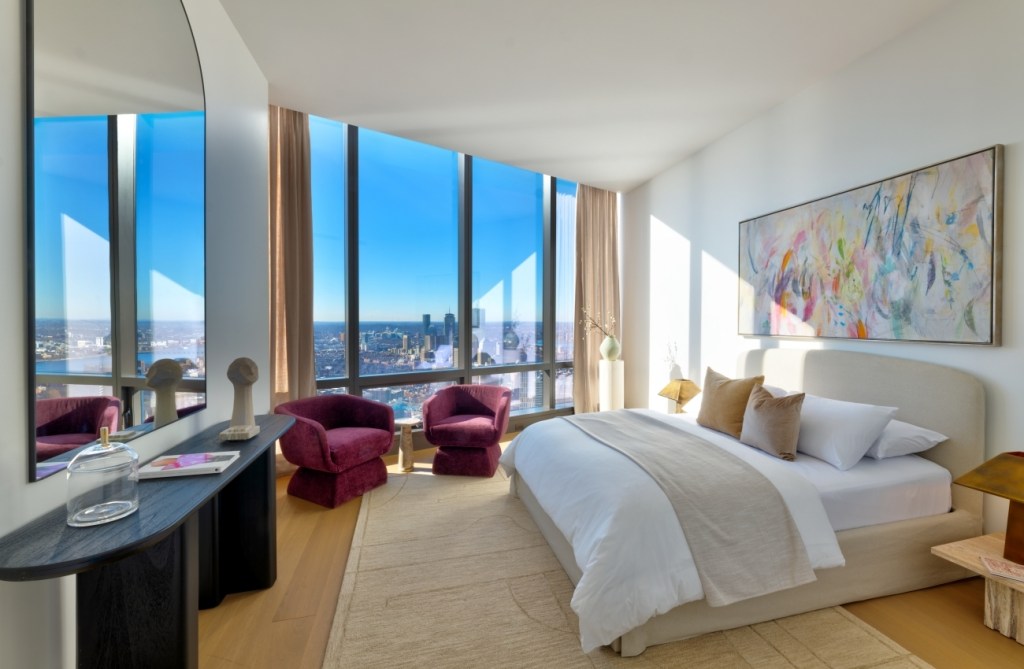
The 51-story tower features 166 luxury residential units on the top 16 floors. Image by Andy Ryan, courtesy of Ritz-Carlton Residences at South Station Tower 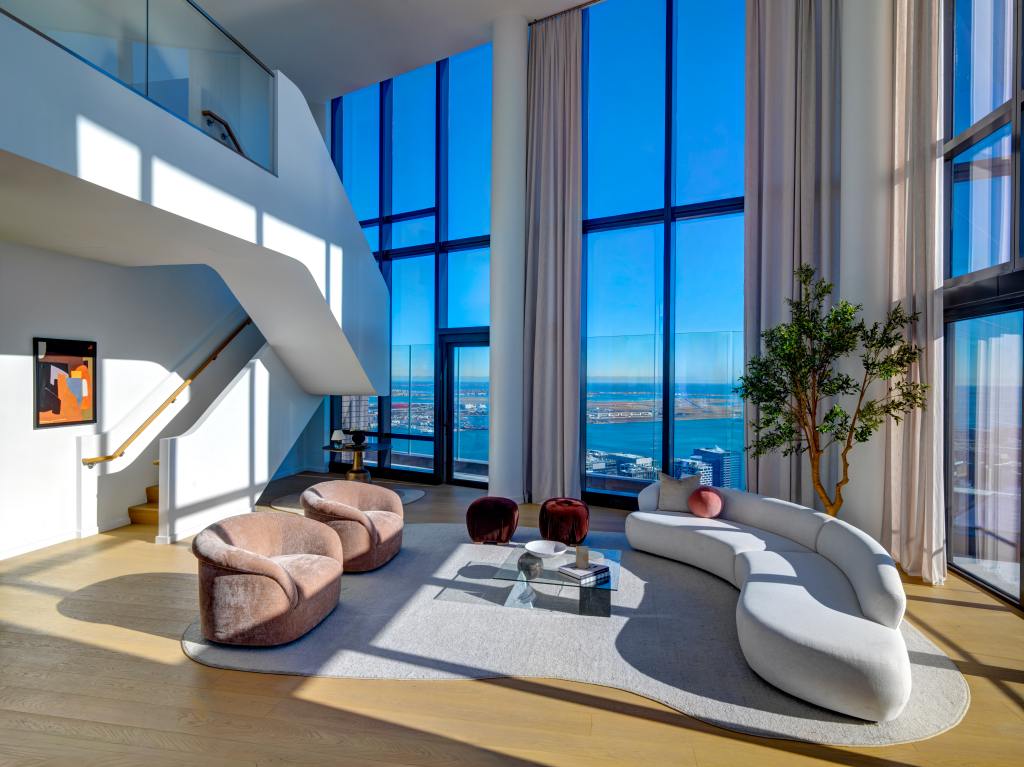
Units range from one-bedroom to penthouses. Image by Andy Ryan, courtesy of Ritz-Carlton Residences at South Station Tower 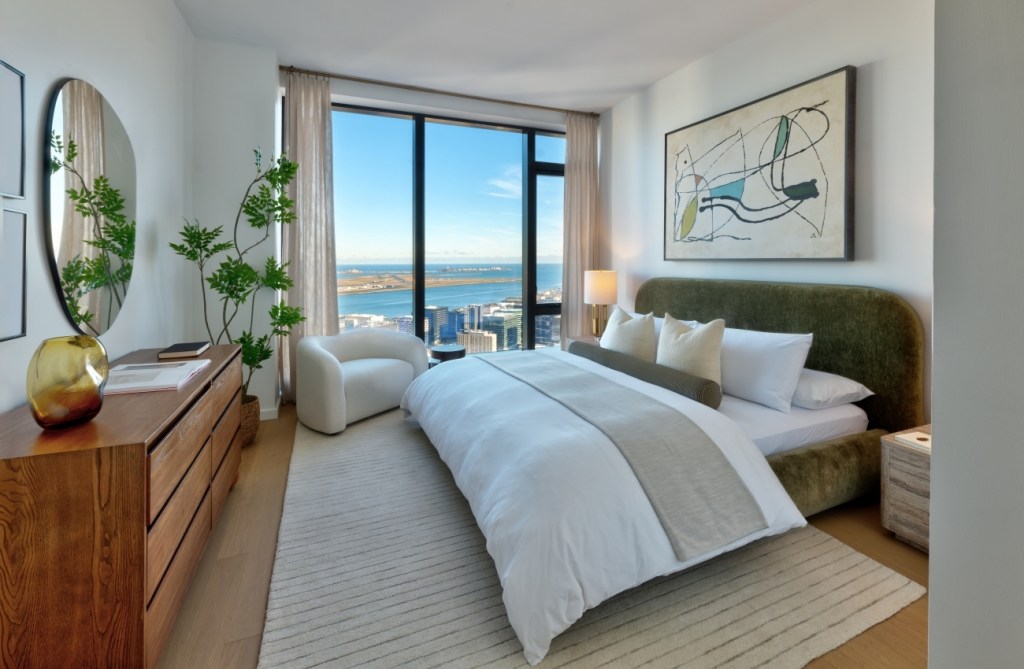
The residences rise high above Boston Harbor. Image by Andy Ryan, courtesy of Ritz-Carlton Residences at South Station Tower 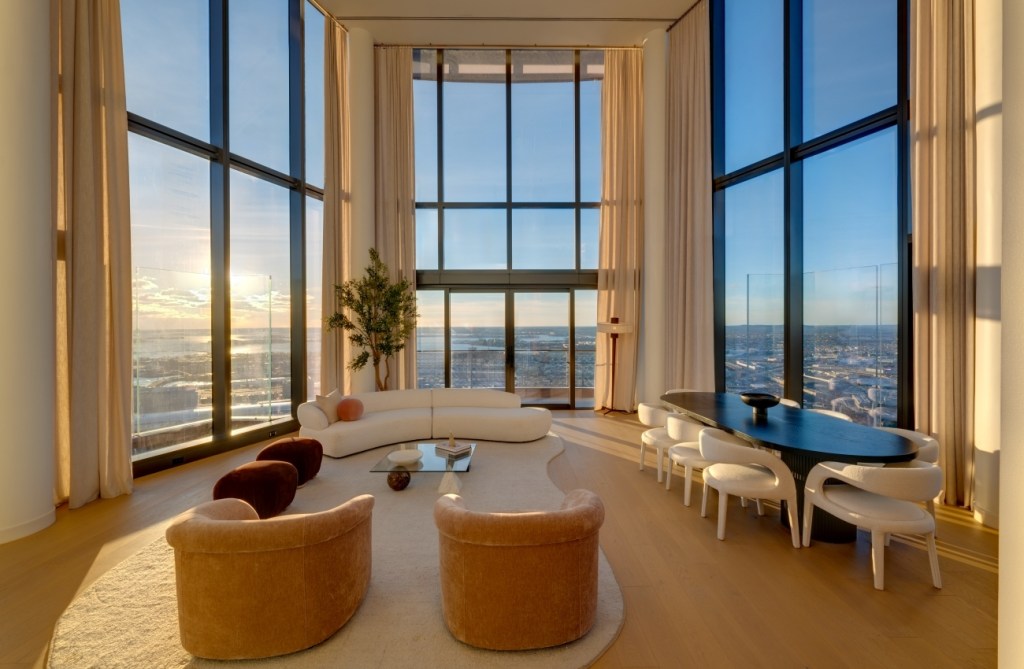
The asset offers panoramic views from over 450 feet above the city. Image by Andy Ryan, courtesy of Ritz-Carlton Residences at South Station Tower
Boston’s branded residences market extends beyond South Station. The city is also home to The Mandarin Oriental Residences Boston in Back Bay, a fully customized, ultra‑luxury project of just 36 homes that sold out quickly, underscoring demand for rarity and cultural pedigree in one of the historic neighborhoods of the city.
Nearby, on the waterfront, the St. Regis Residences Boston in the Seaport District represents a different model—luxury condominiums with branded services—even as demand for ultra‑high‑end inventory has softened in parts of the broader market.
READ ALSO: Trends for the Condo Market
“Boston remains a measured market, but it’s one where branded residences have proven successful when thoughtfully executed,” Hawkins noted. “Buyers here respond to authenticity, operational excellence and long‑term value rather than trend‑driven concepts.”
The evolution of branded and hospitality-driven residential offerings reflects a broader maturation of the sector. Today, a name alone no longer guarantees value. Success hinges on projects that are thoughtfully conceived from top to bottom.
“What I find most compelling about this space is that it reflects a broader shift in what ownership means,” Siehr said. “Increasingly, people are not chasing ownership as a static idea. They are looking for access, optionality, experience and efficiency. They want something they can use, enjoy and trust, without unnecessary friction.”