Why Most Telecom Leases Go Uncollected
A study shows two-thirds of landlords that house antennas are owed reimbursements from carriers.
Many apartment owners are leaving money on their roofs.

According to AirWave Leasing Insights, landlords nationwide have some 450,000 rooftop leases between AT&T, Verizon T-Mobile and other telecom carriers, and these leases increase their property tax burdens. The carriers often are supposed to cover the extra tax but fail to do so.
More to the point here, AirWave has determined that 13,000 affordable housing properties nationally as well as 63,700 market-rate projects that rent rooftop space for the carriers’ antennas should all be reimbursed for the incremental tax increase they have incurred.
The problem for property owners is that the tax is often invisible, buried deep within their annual assessments. The majority of those leases contain pass-through clauses calling for the carriers to reimburse property owners for the tax, AirWave says. But few property managers recognize they are entitled to the money, and most carriers don’t pay unless they are asked—or forced.
“Our research has found that 75 percent of telecom leases have property tax reimbursement obligations to the lessor that are uncollected,” said Steve Kropper of AirWave. “Due to a lack of awareness and complexities in the reimbursement process with their carrier tenants, the majority of lessors do not realize the additional income owed from their telecom leases.”
On average, Kropper told Multi-Housing News in an e-mail, apartment owners alone are owed $11,000 annually and $66,000 in one-time arrears for each carrier site. That works out to a one-time arrears recovery total of $858 million plus an on-going recovery of $143 million. If AT&T and Verizon are both on the roof, these figures can easily double, he said.
READ ALSO: How AI Is Reconfiguring Building Operations
But most carriers won’t pay unless they are asked—or driven to. That’s where AirWave comes in. The company helps owners collect what they are owed by determining if a carrier is obligated to cover the additional tax and, if so, pursuing the claim.
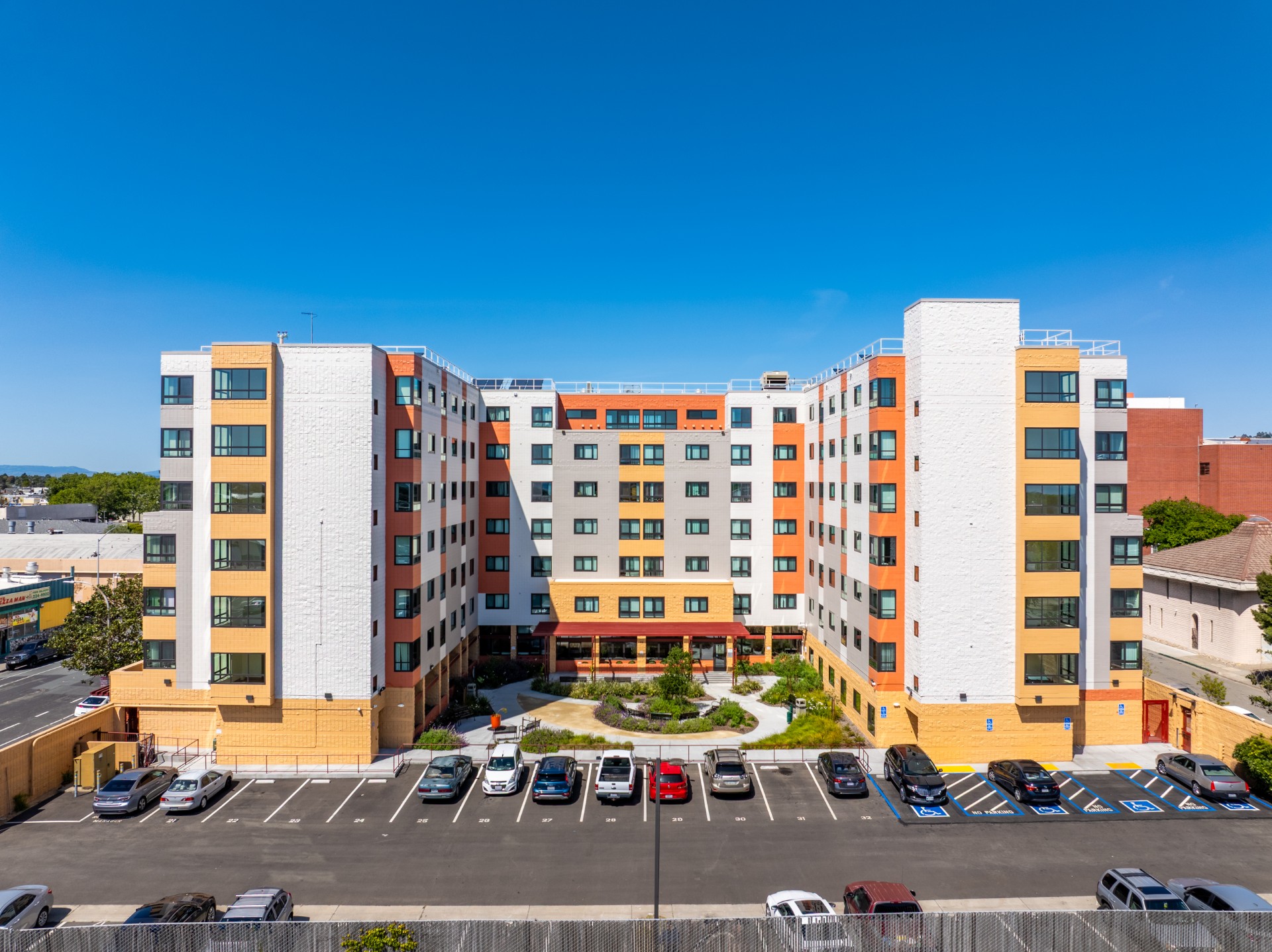
In one recent case, the company recovered $59,394 from Verizon Wireless for NDC’s Girl’s Latin apartments in Dorchester, Mass., and will manage a $13,000 a year lease payment in perpetuity for the property, which is managed by WinnResidential.
The five-story building was a school that has been converted into 93 affordable apartments.
AirWave alerted the owner to the recovery opportunity, prepared the claim and worked with Verizon to get paid for five years of arrears.
In another instance, it recovered $188,000 owed to a church by T-Mobile, a payment that saved the property from foreclosure. And in a third, it recovered $59,000 from Verizon that was owed to an affordable housing project in Boston.
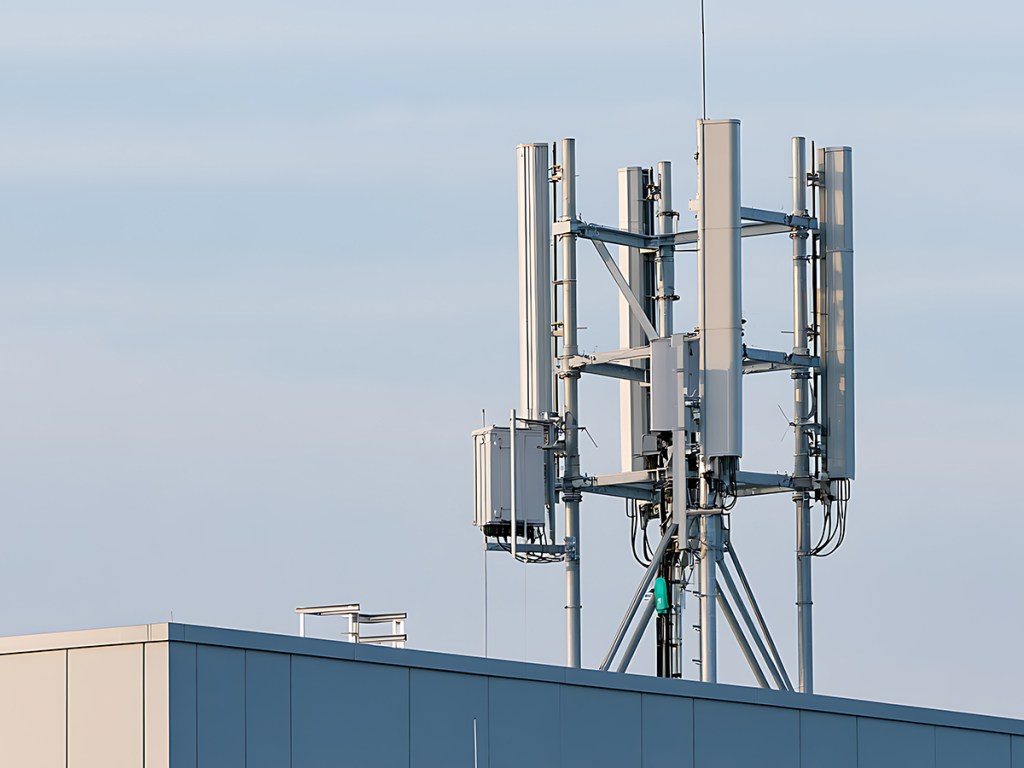
In the Global Ministries Christian Church situation, the Dorchester church faced a surprising $177,000 property tax bill and the threat of foreclosure, all due to a T-Mobile antenna on its steeple. While the church is tax-exempt, the city assessed taxes on the income value generated by the commercial antenna.
The church wasn’t aware of the tax bill until a notice of foreclosure was attached to its front door. But on a pro-bono basis, AirWave stepped in, discovering that the tax burden was “100% due to the cell site” and that T-Mobile was obligated to pay. Following a law suit and with AirWave’s guidance, the carrier agreed to settle the debt, saving the church from losing the property.
Kropper said these cases aren’t one-off isolated incidents. Rather, they are the tip of the proverbial iceberg.
A money-losing proposition?
AirWave’s research has discovered that the three major wireless companies owe a combined $7 million in Boston alone. The company is headquartered in Lincoln, about 25 miles west of the city.
“In Boston,” the AirWave CEO told me, “if you rent space for antennas to Verizon, T-Mobile or AT&T, you are losing 29 percent of the rent in a hidden property tax element. That’s the bad news. The good news is that the lease requires the wireless carrier to reimburse landlords for the tax.”
By scouring public tax records, the company has determined that 391 Boston landlords are owed millions, including $35 million in arrearages.
“Cell-site leasing is only profitable with tax recovery,” said the company official. “Otherwise it is a money-losing proposition.”
Thirty-five “critical words” buried deep in often 25-page leases are the key words requiring telecom companies to reimburse landlords, he said. “Landlords overlook reimbursement because the tax is invisible, not broken out on tax bills. Landlords overlook recovery mandated in leases signed and forgotten over a decade ago.”
In one case, it took the company eight months, hours or phone calls and dozens of e-mails to win. Claims packages, which read like legal briefs, are sometimes 45 pages long.
Kroppers advice to landlords: “Time is of the essence. There is an unrealized revenue opportunity in rooftop wireless leases. But statutes of limitations erase eligible arrearages every year, so owners and managers should review the tax clause in the lease and file today.”
He also warns that landlords are in a precarious position if they try to collect without professional help. “Landlords face an unfair contest against carrier-tenants,” he said. “Carriers hold all the cards.”
AirWave focuses on the property tax reimbursement clause. While most owners make no claim at all, he said, those who do often find that their first and second claims are rejected and they then give up.”