MHN Asks: What Still Gets Built in South Florida?
BH Group’s Isaac Toledano on the tougher underwriting, site selection and partnership decisions shaping the next wave of development in the area.
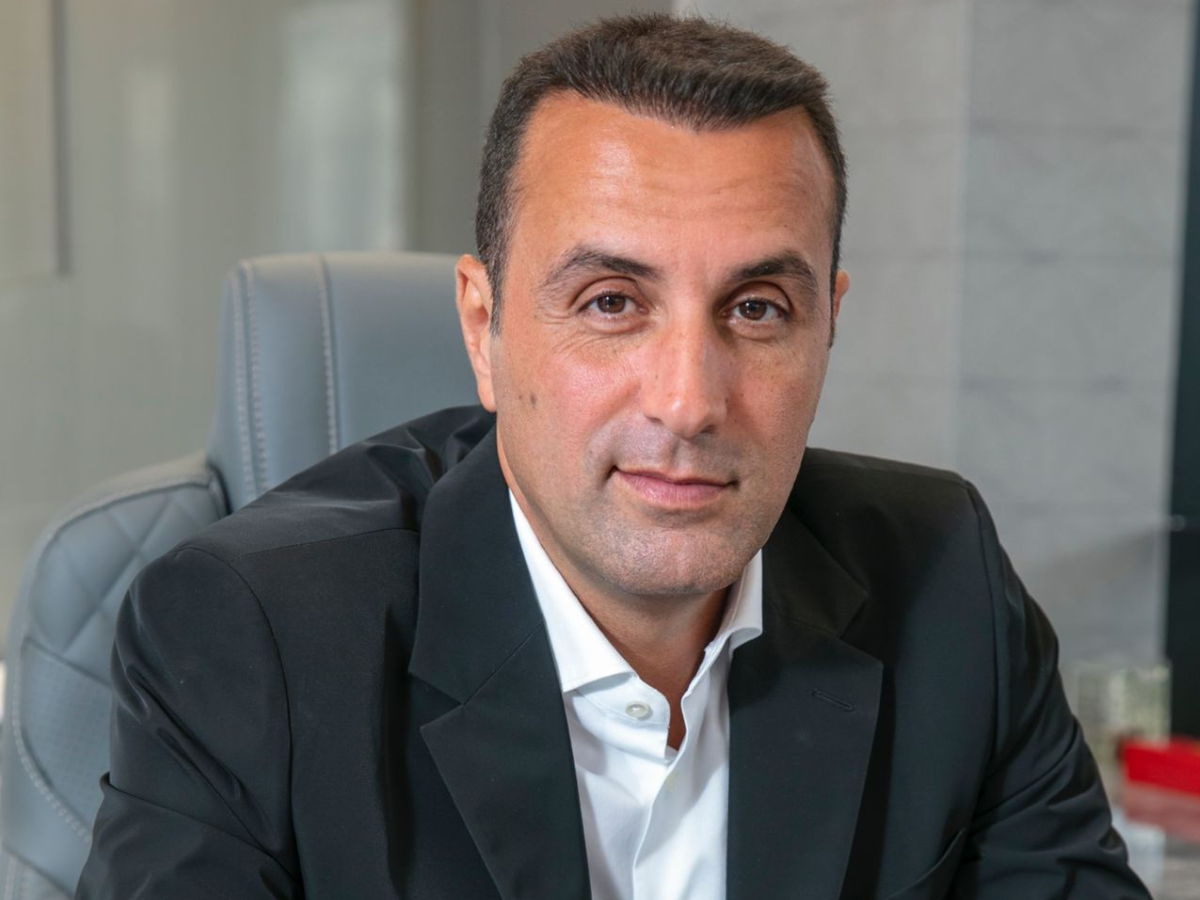
South Florida’s residential development market remains active, but the dynamics behind new projects have become more complicated. Insurance, labor, materials and financing costs are harder to absorb, putting more pressure on site selection, execution and underwriting.
For BH Group, that means focusing on projects backed by durable demand, sought-after locations and long-term growth fundamentals, while relying on solid partnerships to move increasingly complex multifamily, condo or mixed-use developments forward.
Founded by Isaac and Liat Toledano, the Aventura, Fla.-based company is active across South Florida, with a pipeline that spans luxury residential projects such as The Ritz-Carlton Residences West Palm Beach, W Pompano Beach and Southplace City Center, the redevelopment of the former Southland Mall site in Cutler Bay, Fla. Multi-Housing News spoke with CEO Isaac Toledano about today’s development math, shifting demand across South Florida and the role of partnerships in moving projects forward.
When you evaluate a new development opportunity today, what fundamentals tell you that a project will pencil out?
Toledano: Location is still the first filter, always has been, always will be. We start by looking at whether there is a compelling long-term demand story for a specific market. From there, we evaluate the land basis, construction costs, insurance, financing terms and the depth of buyer or renter demand.
The projects we’re moving forward today, whether it’s a luxury condominium like The Residences at Six Fisher Island or a large-scale mixed-use redevelopment like Southplace City Center, all share strong fundamentals supported by population growth, job creation and limited supply.
READ ALSO: Edgeworth: The Making of a South Florida Waterfront Landmark
How has your underwriting changed over the past 12 to 18 months as development costs, financing conditions and timelines have shifted?
Toledano: We’ve adjusted our underwriting to reflect higher costs across the board, from insurance and labor to financing and construction. The market requires more precision today than it did a few years ago, but we’re continuing to find compelling opportunities throughout South Florida.
We’re spending more time evaluating assumptions around costs, timelines and demand, while remaining focused on markets with strong long-term fundamentals. The factors that have driven South Florida’s growth remain intact, and we’re continuing to invest accordingly.
What are lenders scrutinizing most closely today, and what gives them confidence in a South Florida development?
Toledano: Lenders are paying close attention to fundamentals. They want to see experienced sponsors, strong demand drivers and a capital structure that supports the project. Construction costs, timelines and pre-sales remain important considerations, but we continue to see strong lender appetite for well-located South Florida developments. What gives lenders confidence is a proven ability to execute and a project that is supported by real demand.
Where are you seeing the strongest demand across South Florida right now? What types of locations or product are proving most resilient?
Toledano: We’re active across a wide range of Florida markets, from Fisher Island and Miami-Dade to Fort Lauderdale, Pompano Beach, West Palm Beach and Naples. What these locations have in common is that they offer something difficult to replicate, a strong lifestyle appeal, employment growth, waterfront access and a true sense of place.
The luxury segment has remained particularly resilient. Buyers at that level are focused on quality, exclusivity and long-term value, and we’ve continued to see strong demand for well-executed luxury product across South Florida.
As buyers and renters become more selective, what are they prioritizing most in new residential product?
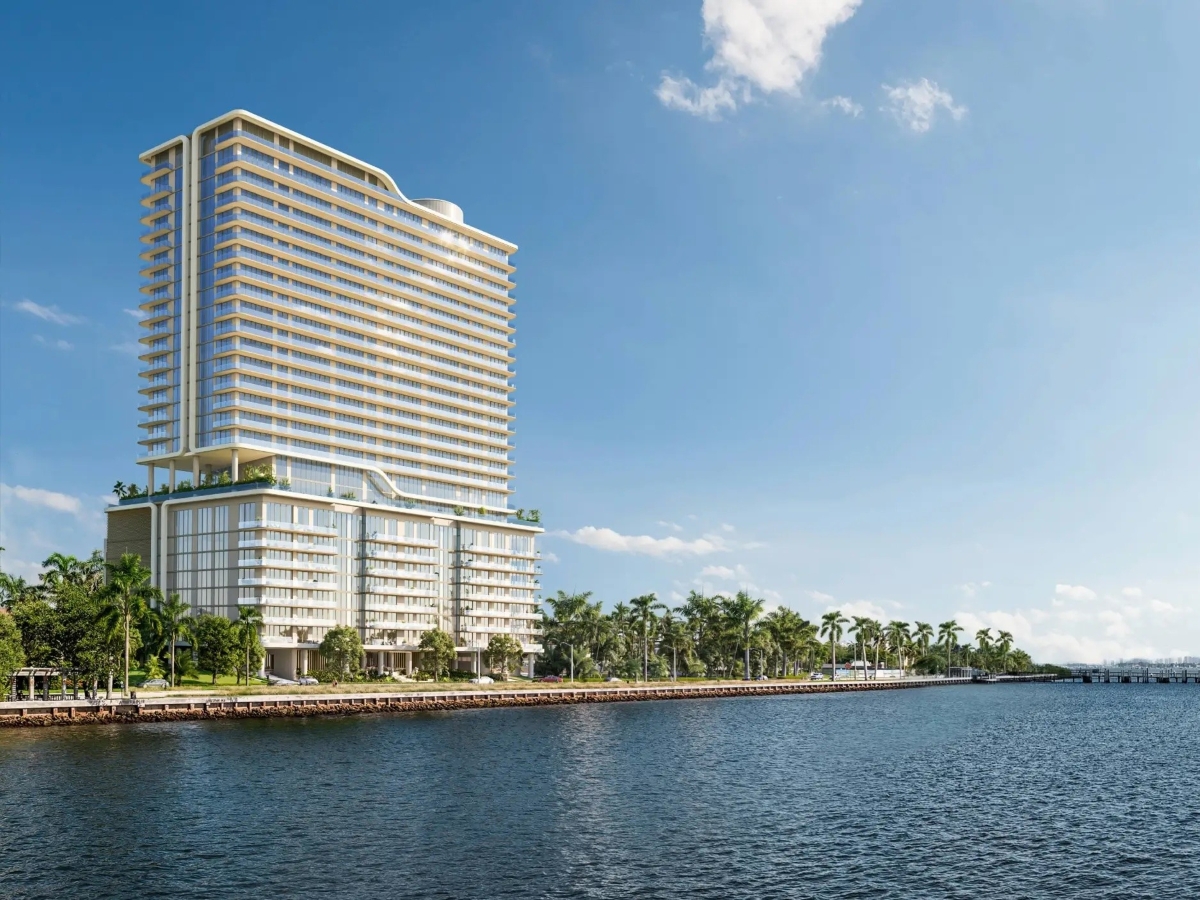
Toledano: They’re looking for quality, convenience and an overall lifestyle experience. That’s especially true in the luxury segment where we spend much of our time. At projects like The Ritz-Carlton Residences, buyers are looking beyond square footage. They care about design, service, wellness amenities, outdoor spaces and access to dining, retail and entertainment. Those elements have become increasingly important because people want a home that enhances their daily lives. South Florida buyers continue to place a premium on high-quality product, which creates opportunities for developers willing to invest in thoughtful design and elevated experiences.
How do those demand patterns influence whether a site is better suited for multifamily rentals, condos or a larger, mixed-use concept?
Toledano: Every site is different, and our approach starts with understanding what the market can support both today and over the long term. We look at local demographics, buyer and renter demand, financing considerations and the overall trajectory of the area. In some locations, the condo market is clearly the right fit because there is strong demand and limited supply. In others, multifamily makes more sense.
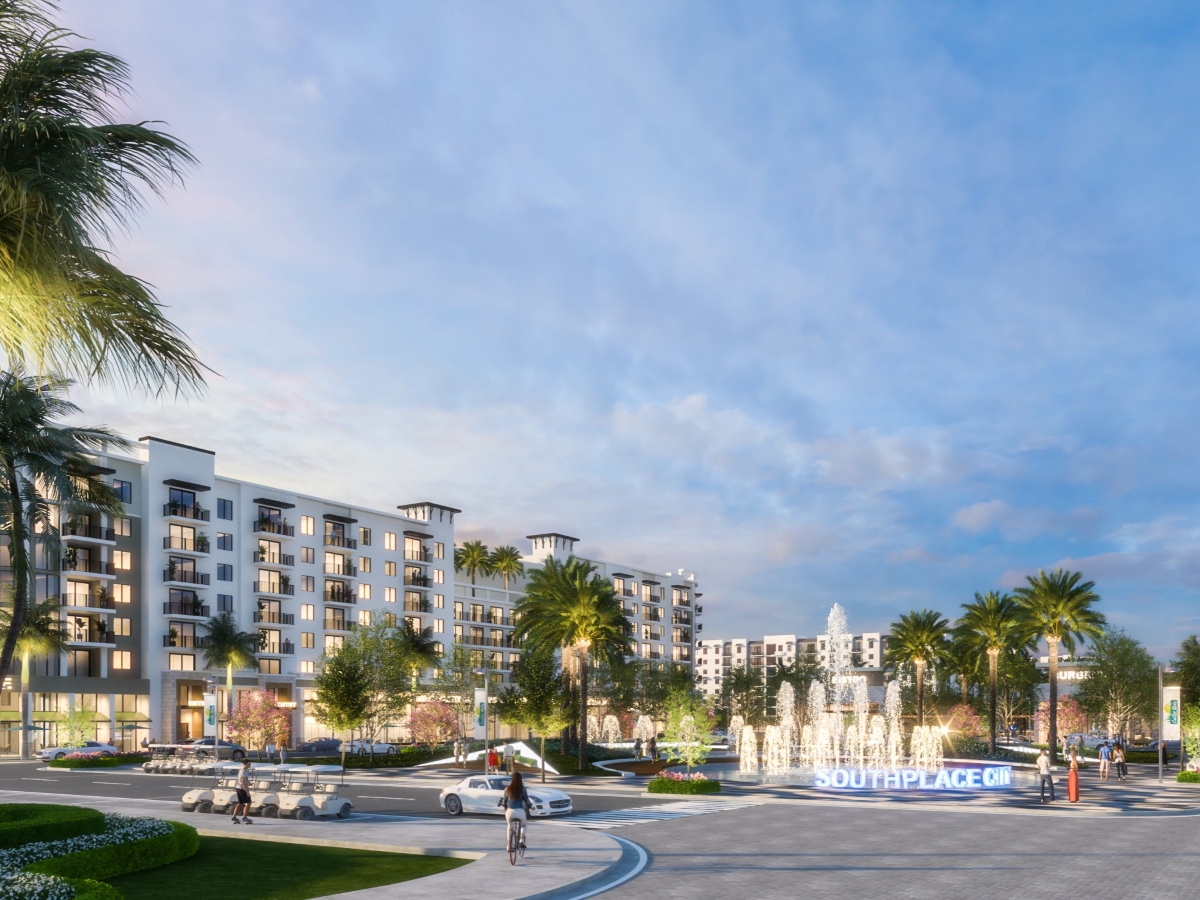
Increasingly, we’re attracted to mixed-use projects because they create destinations rather than standalone developments. Southplace City Center is a great example of that. It’s a redevelopment that combines residential, retail, hospitality and public spaces in a way that reflects how people want to live today while creating long-term value for the community.
From a feasibility and execution standpoint, what makes these mixed-use projects attractive today, and what makes them more complex?
Toledano: Southplace City Center is a transformational project for Cutler Bay. We’re taking an underutilized mall property and redeveloping it into a connected walkable city with residential, retail, dining, hospitality and public space. The appeal of projects like this is that they create multiple demand drivers within one development. When you combine those uses successfully, you create a destination that serves the community, generates long-term value and becomes a catalyst for future growth.
These projects require significant capital and coordination, but the opportunity is equally significant. We continue to see strong demand for well-executed mixed-use environments because they reflect how people increasingly want to live, work and spend their time.
As projects become larger and more complex, how important are partnerships and joint ventures to getting developments across the finish line?
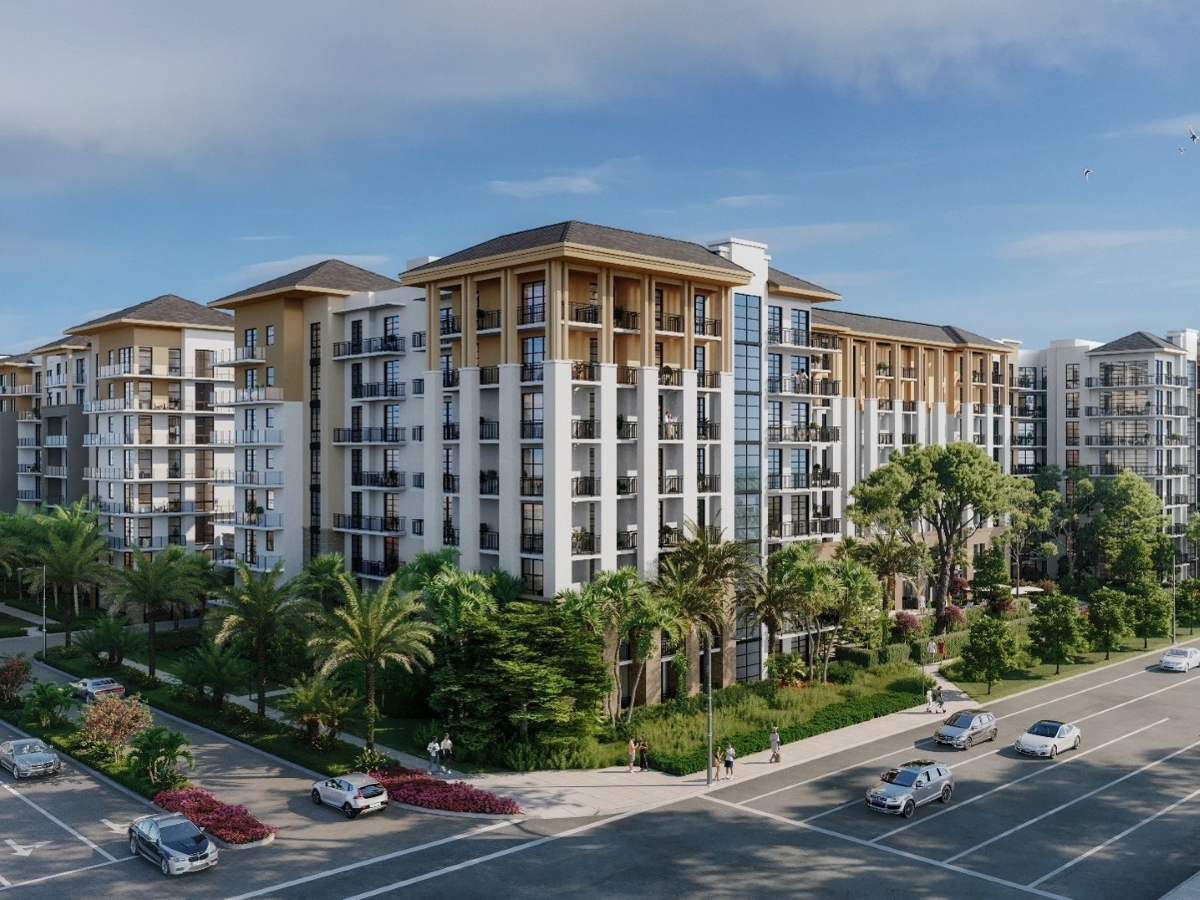
Toledano: Partnerships are central to how we operate and have been a major part of our growth strategy. We’ve partnered with Related Group on numerous developments across South Florida and also work closely with groups including Kolter, Lennar, American Landmark and Pebb Enterprises.
My philosophy has always been to partner with best-in-class groups rather than try to do everything ourselves. The right partner brings expertise, market knowledge and credibility that ultimately makes a project stronger. As projects become larger and more complex, those relationships become even more valuable. Many of the developments moving forward today are the result of strong partnerships and a shared long-term vision.
Looking ahead, what do you think will separate the projects that move forward from those that remain stalled over the next year?
Toledano: The projects that move forward will be the ones backed by strong fundamentals, experienced teams and the ability to execute. South Florida continues to benefit from population growth, wealth migration and sustained business investment, all of which continue to support demand for new development.
We have more than 30 projects in our pipeline and over 1,100 units under construction because we remain confident in the long-term trajectory of the market. We are very optimistic about South Florida. The opportunities are significant, and we believe developers who stay focused on quality, execution and long-term value creation will continue to succeed.