How to Rope In Renters With Amenities
Tips for turning your property's perks into leases.
Your apartment community may have a full slate of fantastic features and amenities—but are they the right ones to attract new renters? People typically don’t lease an apartment because there are 25 different amenities on-site—they lease because of two or three that most align with their lifestyle. So, your challenge as an apartment marketer is to promote the best features that will appeal to your target renter. But how do you determine the right ones?
“Great apartment marketing is equal parts science and storytelling,” said Kelly Siegal, managing director of marketing at Greystar. “We start by understanding what makes each community unique —its features, its location and the living experience it delivers—and then use data and market insights to understand what prospective renters are searching for and meet them in such moments. When those facets align, that’s where compelling marketing lives.”
Although the average U.S. advertised asking rent increased 0.1 percent year-over-year, to $1,750 in March, according to Yardi Matrix data, the pace of growth was the slowest since 2012. And with geopolitics and shifting demographics impacting demand, the ability to attract new residents in an efficient manner has never been more important.
Determine your target renter
It’s one of the fundamental tenets of marketing: Know your customer, or in this case, your prospective renter. Understand the demographics of your submarket and the interests, lifestyle and pain points of that renters and then focus on what you can offer that person to satisfy that prospect’s needs or desires.
Are you marketing your community to young professionals? Families? Students? It’s impossible to determine which features and amenities of your community will be most attractive to them without understanding their interests, values, lifestyle and needs.
Most apartment professionals are already familiar with the markets in which they operate, so they can tap that knowledge to better understand their target renter. Leslie Mathis, director of asset management for Woodfield Development, shared that she also does research on competitors in the market and may use a third party “as a safety net” to provide a demographic report to make sure she hasn’t missed anything.
Kyle Jones, search manager at REACH by RentCafe, explained that tools like Yardi Matrix can provide intelligence that makes it easier to understand the demographics of a particular market. He also said apartment marketers shouldn’t focus on demographics only—that knowledge of local geography is also important to understand the needs of your target.
“If you’re somewhere where it’s very hot, a pool will be an immense selling point,” he noted. “Or, if you’re in a place where it’s cold for half of the year, a heated gym could be what you focus on.”
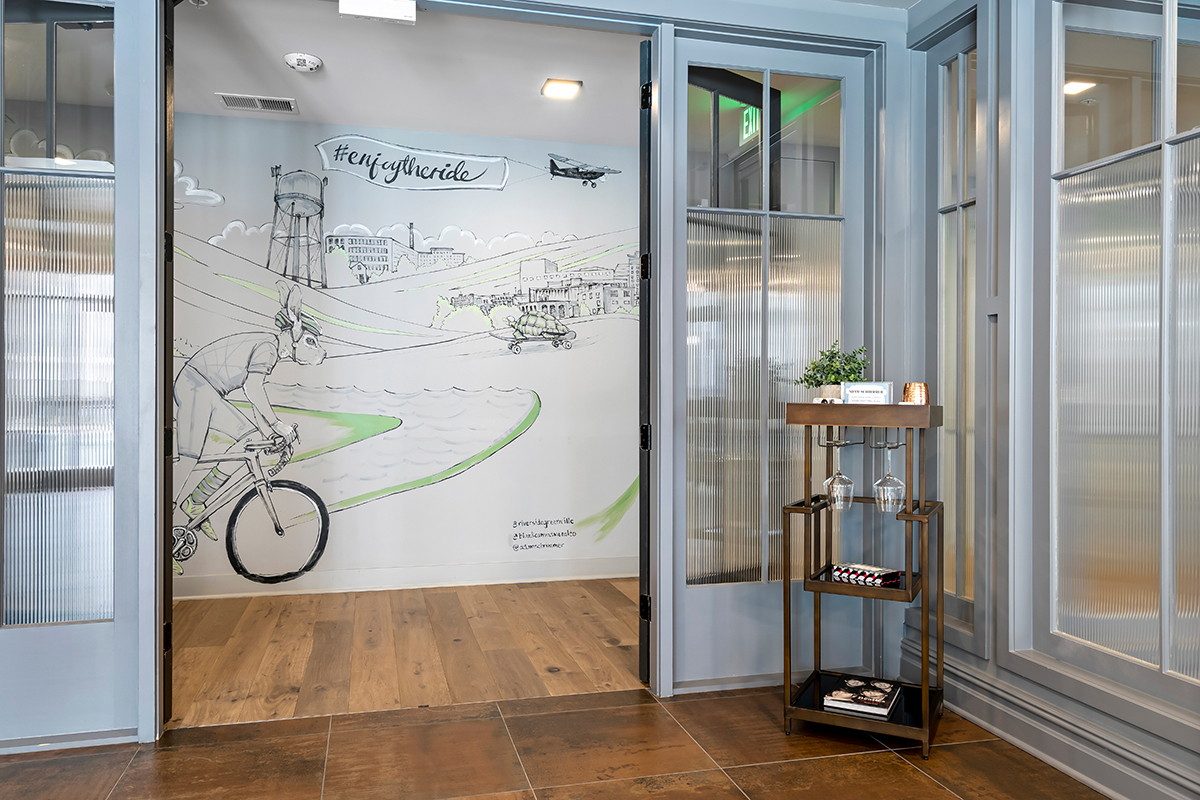
For example, Woodfield’s Riverside community in Greenville, S.C., is near the Swamp Rabbit Trail, a 28-mile greenway popular with runners, walkers and bikers. So, according to Mathis, the community was intentionally designed with a bike room to appeal to prospective renters who are bike enthusiasts. There’s a sitting area, an extensive workshop for bike repairs and a wash basin to clean bikes. “Everything centers around the connection to that trail,” she said. “None of our competitors have anything like this.”
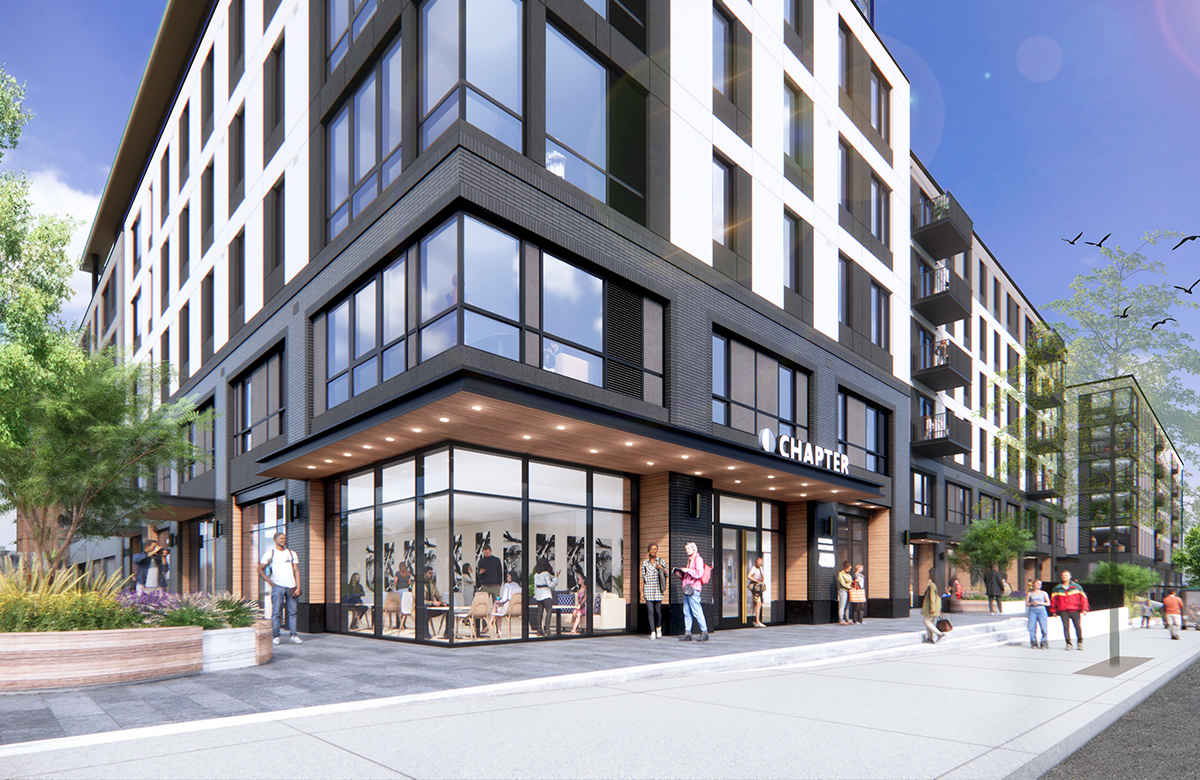
Similarly, CRG’s Chapter Salt Lake City, a six-story, 693-bed Class A student housing development that will serve students at the University of Utah, will offer a ski simulator as an amenity to appeal to student renters who chose to attend the university not only for its academics but also because of its proximity to nearby slopes. There will also be an on-site soda shop because many students in Utah abstain from alcohol and coffee, said J.J. Smith, executive vice president and partner at CRG.
Match amenities to your target renter
After delving into the persona of your target renter, identify two or three of the most-high-impact amenities or unit features at your property that will appeal to that segment.
If you’re designing a new community, you can add those amenities into the design. For existing properties, if there’s a demand for a certain feature or amenity, consider adding it.
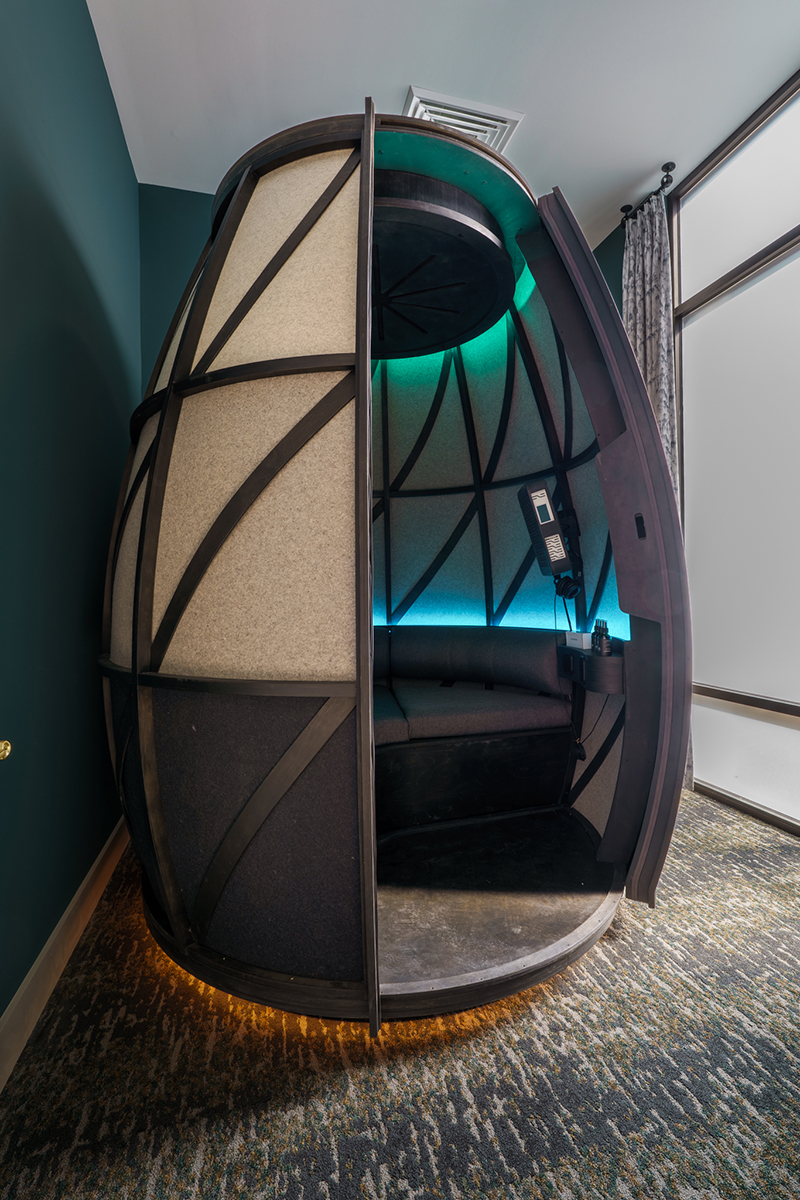
When Bristol Development was designing Signal at Medallion Park in Glen Allen, Va., it knew that many of its prospective residents were professionals who commuted to Richmond or Washington, D.C. So, it included a host of fitness and wellness amenities at the community, including a Technogym fitness center, a meditation pod for residents who need to unwind after work and coworking spaces for those working from home.
“When we’re doing new construction, we look at the market first and see what the demographic looks like,” shared Meg Evans, Bristol’s associate asset manager. “Then we tailor our amenities around that particular resident.”
But at Bristol’s Jewel at Santa Rosa Beach, an existing community in lease-up, Evans said that even though there was a Technogym on-site, residents expressed interest in having a StairMaster—so Bristol purchased one, responding to that need.
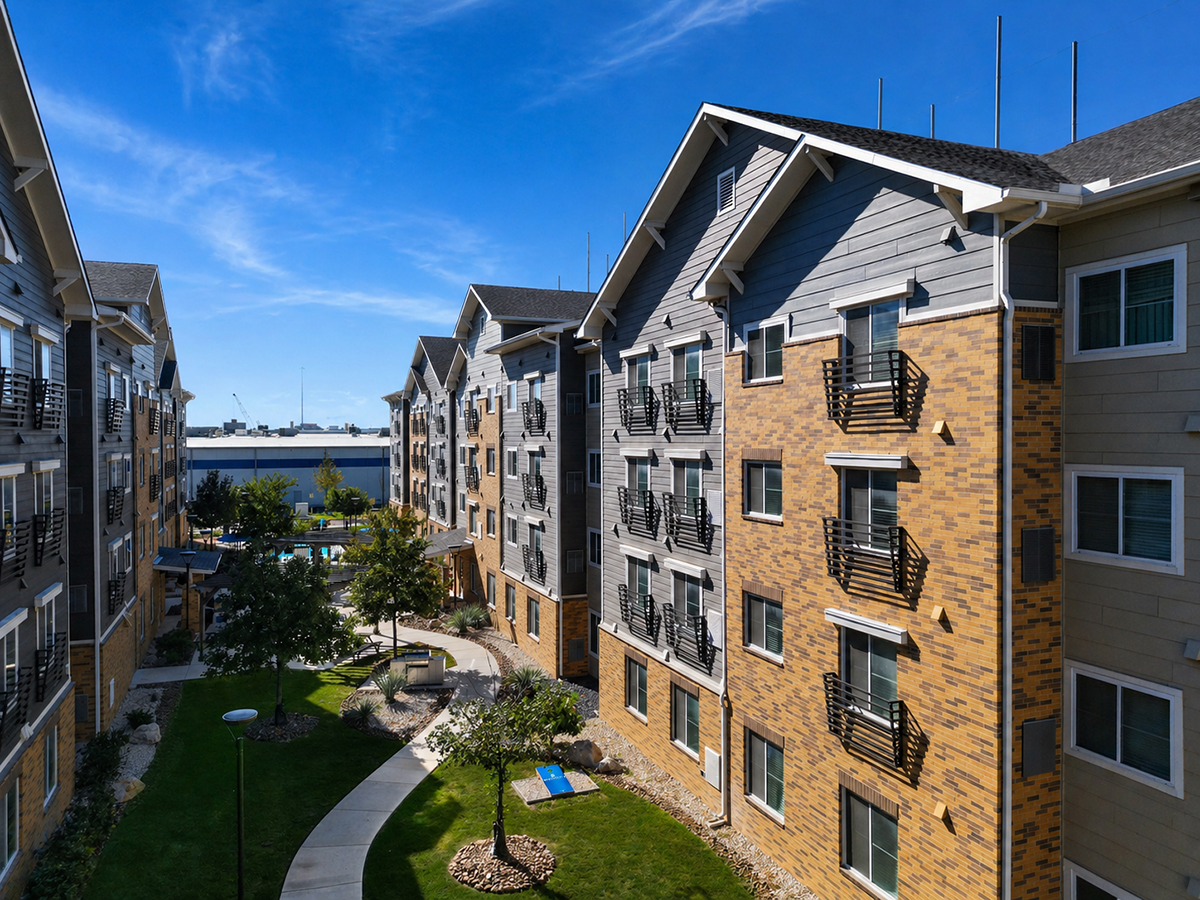
Another example of an apartment operator meeting the need of its prospective renters is Simplicity at the Rim, a Lynd community in San Antonio, Texas, that includes both traditional multifamily units and furnished ones, which are managed by a third party. The furnished units appeal to three potential renter groups, according to Josue Garza, president of property management for Lynd: members of the military who are transferring to or from nearby bases, as well as military contractors; traveling nurses and people using the services of nearby health-care facilities; and corporate executives who are either relocating to the area or visiting for meetings.
Craft your marketing message accordingly
After you’re delved into the demographics and geography to learn about your prospective renters, and identified the features most likely to attract those prospects to your community, you need to market those amenities efficiently. Here are some best practices to remember:
- Use top-notch photography of the amenities on your website and across social media. “It doesn’t matter how good your pool is if the picture was taken on an iPhone 7,” said Jones.
- Create a standalone page on your website for showstopper amenities you want to promote. Go deep on the content for that amenity and really emphasize its value.
- Optimize your Google Business Profile by adding your amenities. It’s not necessary to include all of them, but if you’re in a hot climate, make sure you include information and photos of your pool, for example. Jones said that many times, when a prospect is searching for an apartment, they will do a local area search, and they may end up on your Google Business Profile even before they click on your website. So, use it effectively.
- Don’t forget about Fair Housing laws, especially when targeting specific demographic groups. Be sure that your website is inclusive and that photos on the site and in your social media include people of color and all ages, families and disabled people.