Top 5 Midwestern Markets for Multifamily Development
The region's metros posted solid numbers in several metrics, according to the latest Yardi Matrix data.
Development across the U.S. has been slowing, driven in part by weakening absorption levels that began declining in the second half of 2025. However, Midwestern multifamily metros avoided a significant post-pandemic supply surge, continuing to post moderate but steady inventory growth.
At the end of April, these markets accounted for 130,772 units underway, representing 14 percent of the national multifamily pipeline, according to the latest Yardi Matrix data. Here are the region’s top five metros for multifamily development.
1. Columbus, Ohio
Columbus’ strong public-sector and financial employment base continued to drive demand, as developers had 15,370 apartments under construction in April. That figure placed the metro at the top of our list, with 22.5 percent more units underway than the next-ranked market.
In terms of completions, the metro led the Midwest, having recorded 8,528 multifamily deliveries last year. Columbus also topped the ranking for multifamily construction starts year-to-date through April, with 1,588 new apartments entering the pipeline. In line with Midwestern multifamily development trends, that figure was down 60.7 percent year-over-year.
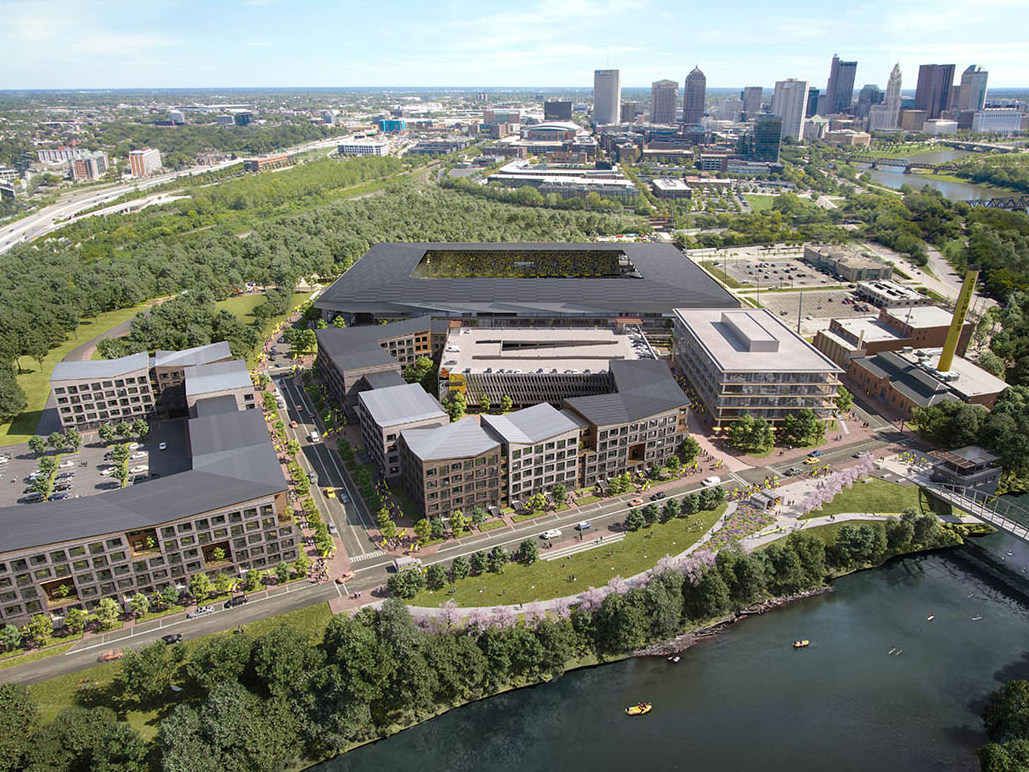
One of the city’s major developments is Astor Park, a mixed-use project rising in the downtown area, next to the Columbus Crew’s new $315 million stadium. Last year, the Pizzuti Cos. and Haslam Sports Group kicked off construction on the project’s first 261-unit multifamily phase—planned for completion in 2027.
2. Chicago
Chicago’s multifamily pipeline consisted of 12,541 units in April. Developers broke ground on just 1,433 apartments during 2026’s first four months, marking a substantial 32.1 percent decline compared to the figure recorded during the same period last year.
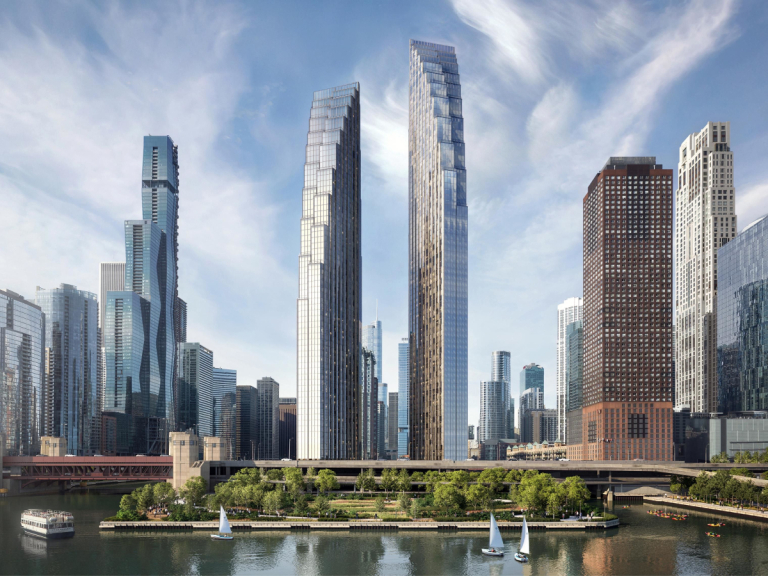
Even with fewer starts, Chicago’s skyline is undergoing massive changes. Related Midwest is currently building 400 Lake Shore’s first tower, a massive 858-foot structure aiming to become the 13th-tallest building in the Windy City. Construction started in 2024, with completion expected next year.
The total number of completions in the metro reached 5,324 units throughout 2025. Notably, 1,002 of these apartments debuted within fully affordable communities, representing 18.9 percent of all deliveries last year—the largest share among the top five markets.
3. Omaha, Neb.
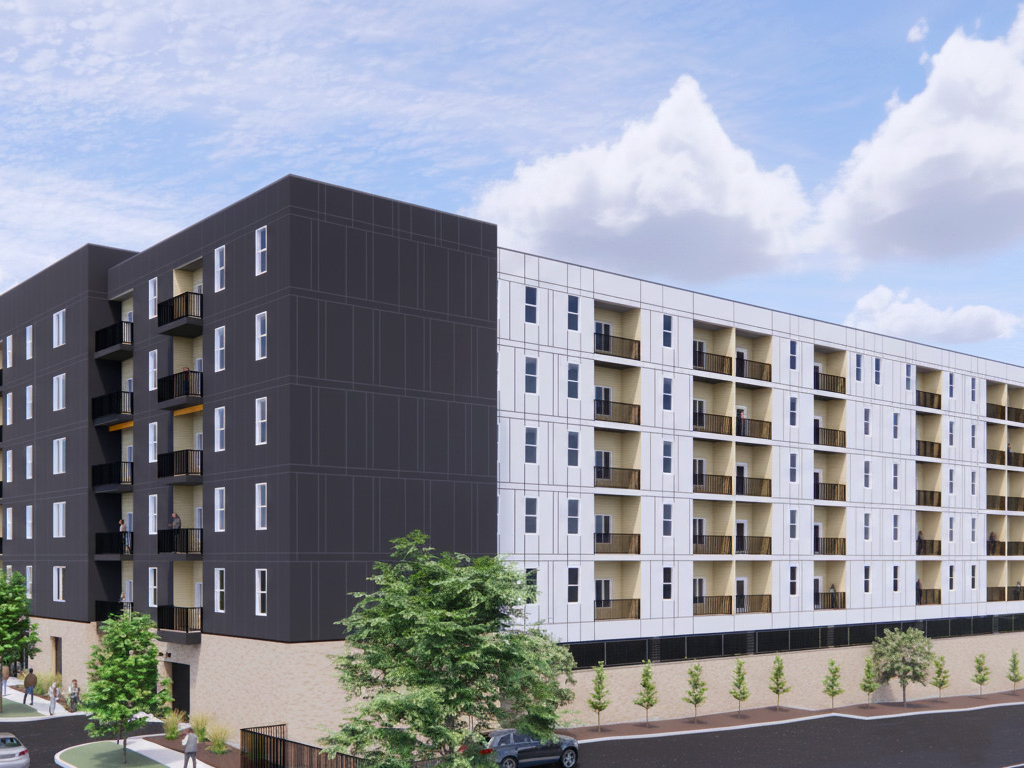
Omaha’s pipeline of 11,531 units underway was just below Chicago’s, a noteworthy figure considering Chicago’s population is nearly 10 times larger. Only 315 units broke ground year-to-date through April, representing an 86.5 percent year-over-year decline from the 2,340 starts Omaha recorded during the same period in 2025.
Many new companies made their first foray into the market recently. Just this year, The Annex Group started the firm’s first affordable housing project in the metro. Additionally, Omaha had one of the most attractive BTR sectors across Midwestern multifamily markets, with Stark Enterprises making its first move last year and Cavan Cos. expanding to the metro in 2024.
A total of 4,071 apartments debuted in 2025 within the metro. While Omaha’s completion count was roughly half of Columbus’, the metro still saw nearly twice as many apartments come online as Detroit.
4. Kansas City, Mo.

Propelled by the health-care, tech and retail employment sectors, as well as consistent population growth, Kansas City, Mo., landed in fourth place with an under-construction pipeline of 9,571 units.
A major redevelopment that could alter Kansas City’s skyline is spearheaded by BR Cos. The company seeks to revamp the historic Scarritt Building and Arcade within the downtown area. The project also comprises the ground-up construction of a new 319-unit multifamily tower, dubbed 800 Grand.
The metro held 1,470 units underway within fully affordable projects, accounting for 15.4 percent of the entire pipeline—on par with Columbus. The market’s robust income-restricted development pipeline is expected to help ease Kansas City’s affordability gap, particularly after no such projects were delivered in 2025.
5. Indianapolis
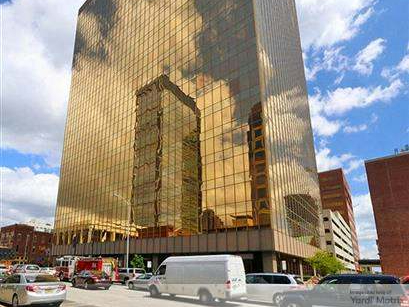
Indianapolis rounds out the Midwestern multifamily markets’ top five with a pipeline of 8,375 units underway, supported by a growing tech environment, a robust life sciences sector, along with an established manufacturing scene.
Developers brought online 7,054 units in 2025, yet just 536 apartments entered the pipeline year-to-date through April—representing a 51 percent decline compared to the same period last year.
Outside of ground-up projects, Indianapolis could expand its multifamily supply through conversions. A notable candidate is the Gold Building in downtown Indianapolis, a 420,000-square-foot office tower that the Department of Metropolitan Development is seeking to reposition to a multifamily community.