Young Real Estate Leaders on Earning Credibility
Ark Capital Group’s Camilla Kodsi and Dominium’s David D’Amelio discuss taking on complex projects and growing into leadership alongside seasoned professionals.

Multifamily development rewards track record, but responsibility doesn’t always wait for one to be established. Younger professionals can find themselves coordinating seasoned teams, entering new markets or steering projects through critical stages while still building the credibility those assignments demand.
Camilla Kodsi and David D’Amelio reached that point through different paths. Following the death of her father, Isaac Kodsi, in 2025, Kodsi stepped into broader leadership ar Ark Capital Group while helping guide Arbor Residences, a 45-unit condominium development in Miami’s Coconut Grove, through its final stages. At affordable housing developer Dominium, D’Amelio advanced from development analyst in 2020 to developer this year, with work spanning acquisitions, development, financing and market expansion.
In this interview, they discuss building credibility without lengthy track records, making consequential decisions early in their career and learning alongside professionals with decades of experience.
READ ALSO: From the Navy to the C-Suite—The Making of a Multifamily Leader
What was most difficult about taking on substantial responsibility early in your career, and how did you establish credibility with more experienced project partners?
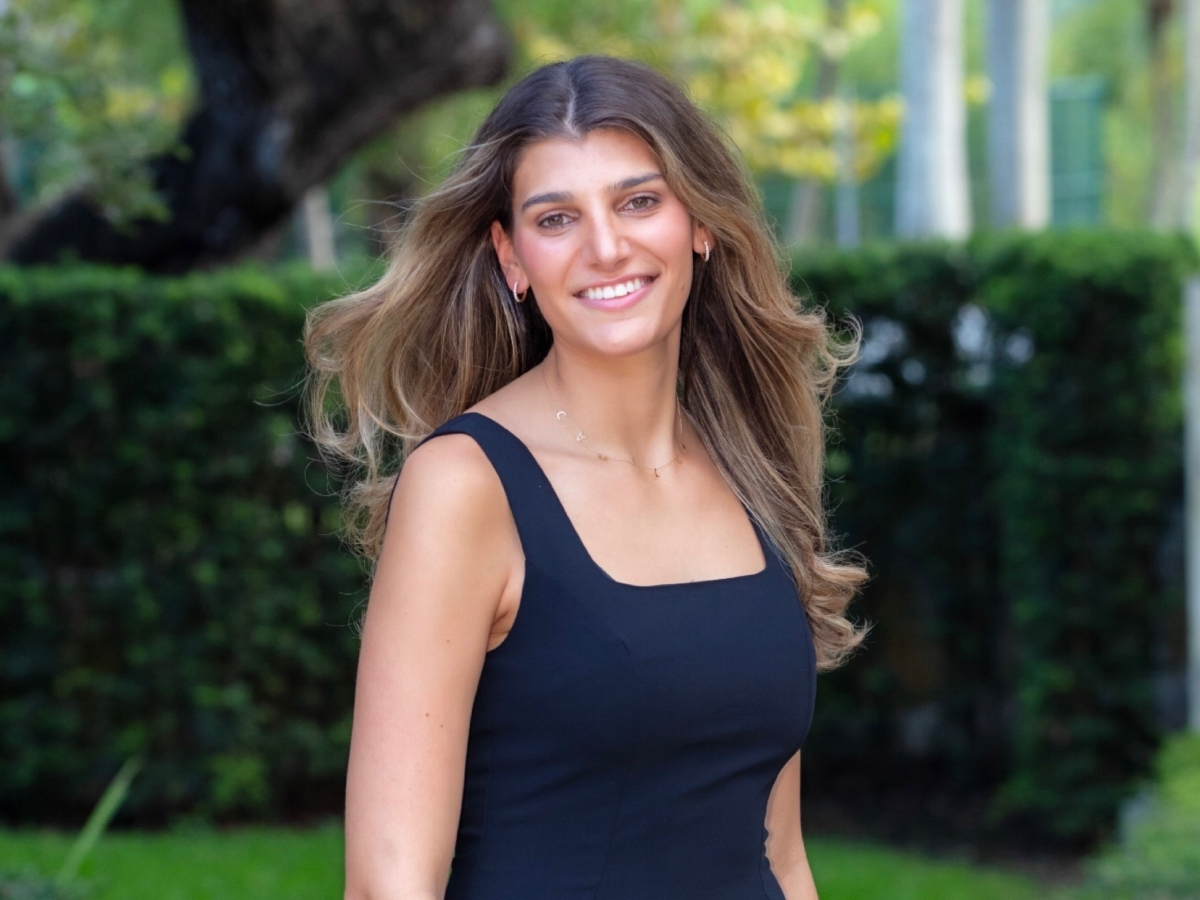
Kodsi: The biggest challenge wasn’t earning the respect of my team—it was stepping into a deeply personal project and learning a new side of an ever-changing industry quickly enough to keep it moving forward. I understood that leadership didn’t mean making every decision alone or pretending to have every answer. It meant surrounding myself with experienced subcontractors, architects and engineers, bringing the right people into the conversation, and knowing when to listen, make adjustments or push back.
I trusted my team’s expertise, and they trusted my commitment to the project. My dad always told me that when people see how much you care, it makes them want to care, too. I believe that mutual respect ultimately allowed us to move the project forward—you are only as strong as the team around you.
D’Amelio: I think getting people to take you seriously can always be a challenge, especially when you are being tasked at a young age to bring together all of the various players involved in a real estate development project. You have the broadest view of the transaction and know best what needs to be done, but are reliant on other parties hitting their deadlines and assisting in moving things forward. It can make things more difficult to get done.
I found through my experiences that the best way to establish credibility and get results in this capacity is by presenting yourself confidently, and have built the necessary skill set and accountability to deliver on your promises and hold up your end of the bargain. Once others know you as credible it becomes a lot easier to get things done.
Without a decades-long track record, what do you think helped people become comfortable trusting your judgment and giving you greater responsibility?
D’Amelio: I think by giving me the rope to lead complex problem solving and seeing that I usually produced a good result at the end of the day. Like any real estate cycle, the one we are in today and have been in for the past few years has its challenges. I had the opportunity to work on challenging projects early in my career and almost always delivering on expectations. Once people see you are able to do this they start becoming more comfortable with you.
Kodsi: People began trusting my judgment because I understood the projects as a whole. At Arbor, I coordinated closely with the contractors and design team while overseeing the permitting and inspection process. That gave me a comprehensive understanding of the project and allowed me to anticipate issues, see how each decision affected the larger picture, and bring the right professionals together to find solutions.
That same approach carried into Ark Capital Group. When my father passed, we had four projects in the pipeline at different stages. Our team immediately stepped in, divided responsibilities based on our strengths, and worked closely with our contractors, lender and consultants to keep everything moving.
Since then, three of those projects have received their certificates of occupancy, another has moved from design into construction and we have been actively working on sales. We also acquired and closed on our first new project since my father’s passing, which is now in design. I think people trust us because they have seen that we ask the right questions, listen to the people around us and follow through.
David, what did expanding Dominium’s presence in Oklahoma teach you about building relationships and credibility in a relatively new market?
D’Amelio: When you go to a new market, people want to see that you are willing to spend time there and are committed to developing in their community. If you demonstrate that, they are often times willing to go above and beyond to help because they are excited by the commitment you made to the community.
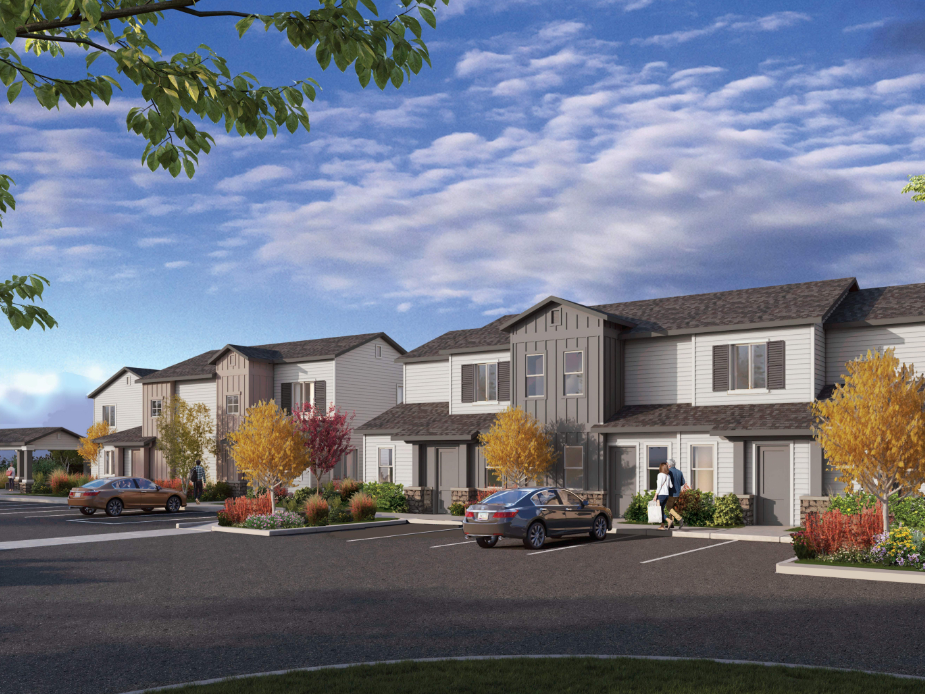
The Scott was actually our second project in Oklahoma, and this year we will be closing three more, in addition to our first project in the Tulsa MSA. By showing up consistently and delivering our promises—big commitment of resources to the state, meeting closing timelines—we have been able to develop a lot of credibility.
Camilla, you had already been working on Arbor Residences alongside your father before assuming a much larger leadership role. What tested you most during the final stages of that project?
Kodsi: As the project progressed, my core responsibilities remained the same, but my role expanded into areas that were new to me. By that point, permitting and inspections had become second nature. I understood the process, knew what needed to happen and felt confident moving those items forward.
The learning curve came with the accounting side of the project and the transition from construction into closings and building operations. That included preparing the condominium documents, coordinating owner walkthroughs, closing units and, ultimately, turning the building over to the association. Those were processes I had never managed before.
The first seven or eight closings required us to develop a system, but once everyone understood their role, the team found its rhythm and the process became much smoother.
How, if at all, has taking on significant responsibility early in your career affected the way you assess risk and make decisions?
D’Amelio: Early in my career, I was nervous about making mistakes, which prompted me to use a lot of critical thought and become really good at solving problems. I think this was critical in developing my skill set in the way that it has helped me get comfortable taking the time to make an informed decision but also getting really antsy when I sit with a problem too long. It has helped me strike a good balance of reaching an informed decision and being decisive at the same time.
Kodsi: I don’t think my approach to risk is necessarily defined by my age. Real estate development always carries risk, and there is a learning curve anytime you begin sourcing and structuring deals yourself.
I approach new opportunities with our team and trusted advisors. Together, we evaluate the potential risks and rewards, make sure the numbers support the deal, and then determine what type of home makes sense for that market.
David, which early-career experiences most shaped your progression from construction problem-solving and deal closings into business development?
D’Amelio: As I began working on more active projects, I was able to start channeling my experience into structuring and closing real estate development problems and solving issues along the way. I got a lot of closing experience following that and became pretty proficient in that sort of thing.
Then after that, due to the mentorship of those around me, I realized—as I got closer to and hoped to obtain a production role—I needed to hone in my business development skills and strive to bring something to the table that was unique and other producers didn’t, in the spirit of adding something new to the organization and helping expand the pie.
This brought me to my experience in Oklahoma and a playbook and skillset I have brought with me on the rest of my travels throughout the central region as I now hope to get Dominium into some of our first new construction projects in San Antonio and Houston.
Camilla, how has working with more experienced team members and advisors shaped your leadership style and your decisions about when to bring in additional support?
Kodsi: My leadership style is rooted in understanding that you are only as strong as the team around you. One of the most important qualities a leader can have is the self-awareness to recognize where additional expertise or support is needed—and then bring in the right person to fill that gap.
Even before my father passed, I recognized that the project needed stronger day-to-day direction, so we brought in an owner’s representative who helped establish priorities and create a clear path forward. I am naturally organized, persistent and admittedly a little impatient, so having someone who could translate the larger goal into the next steps helped me use those qualities effectively.
READ ALSO: What 40 Years in Real Estate Will Teach You
David, where can younger professionals bring the most value to real estate development?
D’Amelio: I think young people can add immense value and don’t need to be relegated to one small part of a process. Young people, while the least experienced, often have the highest level of drive and aren’t constrained by antiquated thought processes on how to get things done. I have found this can be especially powerful.
Camilla, as you build your own track record, what do you want people in the industry to associate with you beyond your age and the circumstances that brought you into leadership?
Kodsi: I want to be known as a developer who builds with purpose and always considers the people who will ultimately live in our homes. I fell in love with this industry while working alongside my father two years ago. I never expected my growth within it to happen this quickly or under these circumstances, but the experience has made me certain that this is what I want to do.
My father taught me to evaluate a project by asking a simple question: Is this somewhere we would want to live ourselves? His philosophy was that when you create something for another person, it should be something you would genuinely value and want for yourself.