Let’s Get Real: What 40 Years in Real Estate Will Teach You
Southern Land Co. Founder Tim Downey reflects on the bets that paid off, the compromises he regrets and the lessons he's learned while growing his company.
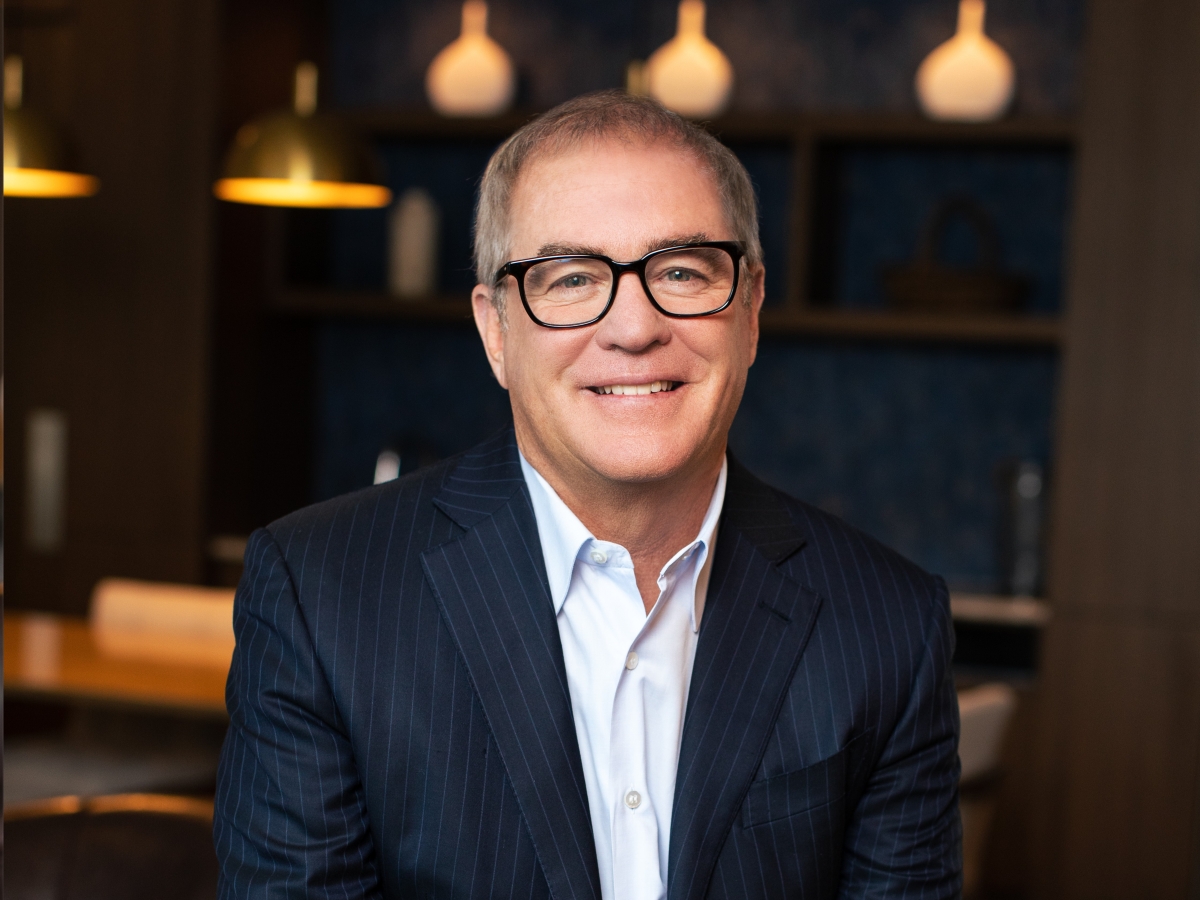
Tim Downey has spent the past four decades building a company around the idea that details matter—sometimes all of them.
With that philosophy in mind and inspired by Walt Disney’s belief in the power of creativity, innovation and collaboration, he has grown Nashville-based Southern Land Co. from a local business into a national real estate developer.
In the second installment of our Let’s Get Real interview series, Downey reflects on the decisions that shaped his company, his proudest moments and the compromises he would avoid today. He also discusses how market cycles have influenced his approach to risk, housing demand and building communities for the long term.
Give us the 60-second version of your career. How did you get to where you are today and what led you to founding Southern Land Co.?
Downey: I started a commercial cleaning company in 1986, and as we built relationships with our clients, I found myself taking on more work related to building maintenance. That experience opened my eyes to the broader real estate and development business.
Over time, I realized I wanted to build a company that could be responsible for the entire development process, not just one piece of it. That’s when the idea for Southern Land was born.
From acquisition and planning to architecture, construction, horticulture and ultimately how people experience a community, I believe every detail matters. That vertically integrated approach has really defined who we have been for the past 40 years.
We’ve grown from a small company into a national real estate developer, but our philosophy hasn’t changed: Take responsibility for the entire lifecycle of a development and do it the right way.
Looking back, what’s a decision that really shaped your career and Southern Land’s growth?
Downey: One of the most important decisions I made was deciding to take our talent and our approach to markets across the country.
We started out with building single-family, master-planned communities and, over time, we expanded into multifamily and mixed-use development. We also expanded from our home base here in Nashville, Tenn., to include communities in New York, Texas, California, Colorado, Pennsylvania, North Carolina, South Carolina and Nevada. That national expansion was a major turning point for the company. Leveraging the incredibly diverse canvas of the U.S. allowed us to take what we had learned in one market and apply it to others, while also challenging ourselves to understand different communities, different housing needs and different market dynamics.
Whereas some developers limit themselves to available lots in one city or state, we knew that by diversifying our sites geographically, we could scale faster. Going national allowed us to be more discerning about site selection, which in turn has opened up more growth opportunities.
It was a gamble that paid off. Taking Southern Land national was probably the single most important business decision I’ve made.
READ ALSO: Most Major Problems Originate With People
Is there a specific development or accomplishment that you’re most proud of?
Downey: I’m proud of taking a leap of faith to start Southern Land 40 years ago, but if I had to point to one accomplishment in that journey, it would be the joy I feel when seeing members of our largest, built-out single-family community to date, Westhaven, in Franklin, Tenn., enjoy every aspect of the 1,500-acre neighborhood. From watching kids run around on Magli Green to rooting for homeowners playing pickleball at the Residents Club or enjoying the pools, it has been amazing to see our dream of creating happiness for others come to life.
Westhaven started as a vision that I had more than 20 years ago. At the time, it was really an idea for what a community could be. A community where the homes, architecture, streetscapes, amenities, open spaces and the surrounding natural environment all worked together to create a seamless, extraordinary sense of place. I wanted to create a destination where you feel like you’re always on vacation, but it’s really your everyday home.
To see that vision become a thriving community years later is incredibly rewarding. But what makes me most proud is that Westhaven has become more than a development. It has become a community where people are proud to live, raise families, build relationships, reach milestones and create lifelong memories.
That, ultimately, is why we do what we do.
What were the most important factors in bringing that vision to life?
Downey: I had a very clear vision of what I wanted Westhaven to be and I think the timing was right. But having a vision is only the beginning. You need to be surrounded by the right people to make it a reality.
One of the best decisions I made was surrounding myself with talented leaders who shared that vision and could execute it. It reminds me that with a strong vision, the patience to stay on course and the right people around you, you can create something that lasts.
Now let’s go the other way. What kinds of decisions do you regret most?
Downey: Like all developers, there have been times when we had to make difficult decisions related to cost and, in some cases, that meant compromising on design standards I really believed were important to a project’s overall success.
Looking back, those are the decisions I regret most—not because every decision was necessarily wrong given certain circumstances, but because I’ve learned that those compromises often dampen the very aspects that define what makes a development special.
You can always find ways to manage a budget, but once you compromise on the architecture, the landscaping, the streetscape or the details that make a place unique, you end up paying more in the long run because it can be harder to rent or sell those places.
That belief reinforced one of our core development tenets today: We must be disciplined about cost where possible, but we should never settle on our vision. If something is important to the character and long-term quality of a community, we should find a way to make it happen.
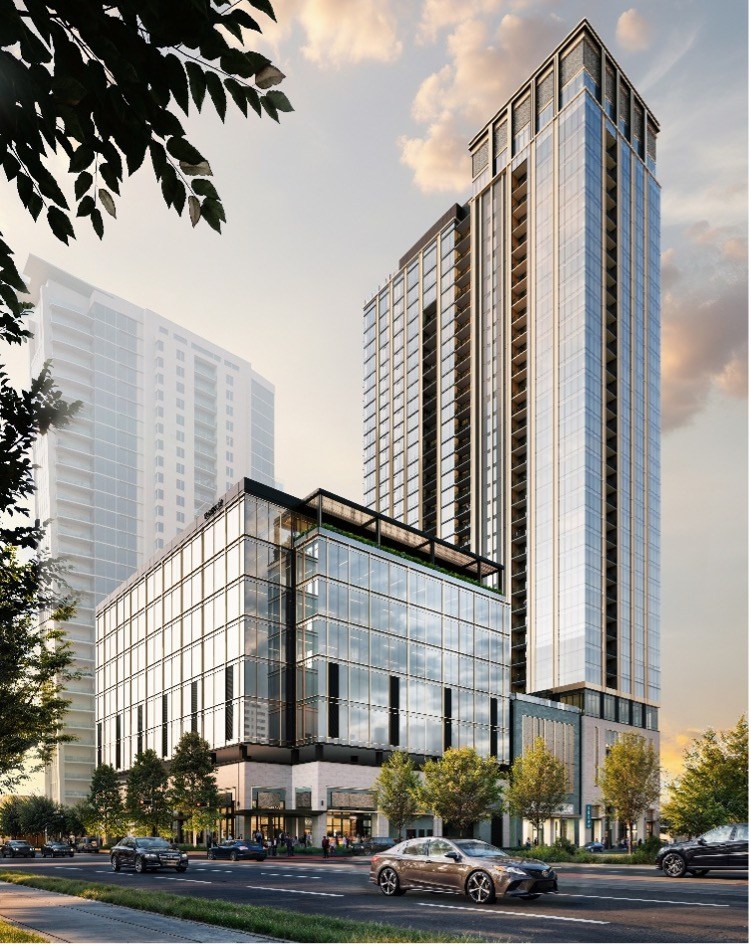
How have those past experiences changed the way you evaluate projects and make decisions today?
Downey: Today, I spend a lot of time thinking about what happens if the market suddenly changes, if accessing financing becomes more difficult than it already is or if a project takes longer than expected. I learned it’s important to make decisions that give us options, not decisions that leave us dependent on everything going exactly according to plan.
That mindset has become an important part of how we operate. Markets can change faster than you plan for. Over the last 20 years, the real estate industry has enjoyed low capitalization rates and low interest rates, resulting in a developer’s dream market. But now, developers have to go back to the drawing board. The days of buying and flipping properties to make quick profit are over. Developers must be smarter about site selection, committed to delivering high-quality products and able to run reliable, steady operations.
Ultimately, developers need to go back to constructing properties with enduring value—whether it’s a single-family community, multifamily project or mixed-use development—and it’s important to do so in great locations.
LISTEN TO: Mission Success Podcast: Where American Landmark’s New CIO Sees Opportunity
Which shifts in housing demand stand out to you most today?
Downey: One of the biggest things I’m watching is the growing difficulty many people have accessing financing and achieving homeownership. When traditional financing becomes more difficult, developers have to think differently about how we can help close that gap.
At the other end of the spectrum, we’re also seeing a significant shift among existing homeowners who want to downsize their homes without downsizing their lifestyles. They’re looking for high-quality multifamily communities with great design, resort-style amenities, five-star hospitality and a sense of community.
To me, those trends reinforce the importance of listening to what people actually want and designing communities around how people want to live today.
If you could go back to the beginning of your career and give your younger self one piece of advice, what would it be?
Downey: I would tell myself to think long-term and never become too dependent on any one market, one source of capital or one way of doing business. That is an important part of the education that comes with being in the real estate business for 40 years.
Real estate is a long-term business and you’re going to experience multiple cycles. You can’t build your strategy around the assumption that the market will always be strong or the capital will always be readily available.
When you’re young, it’s easy to focus on the opportunity directly in front of you. But this is a business of fast-moving cycles, and the companies that endure are the ones that are ahead of the curve and always prepared for market fluctuations.
I’d also remind myself that you don’t have to build everything yourself. Hire great people, trust them, give them responsibility and let them help shape the company. Some of the most important decisions I’ve made over the past 40 years have been about people.