The Little Buenos Aires Effect: What’s Driving North Beach’s Condo Growth
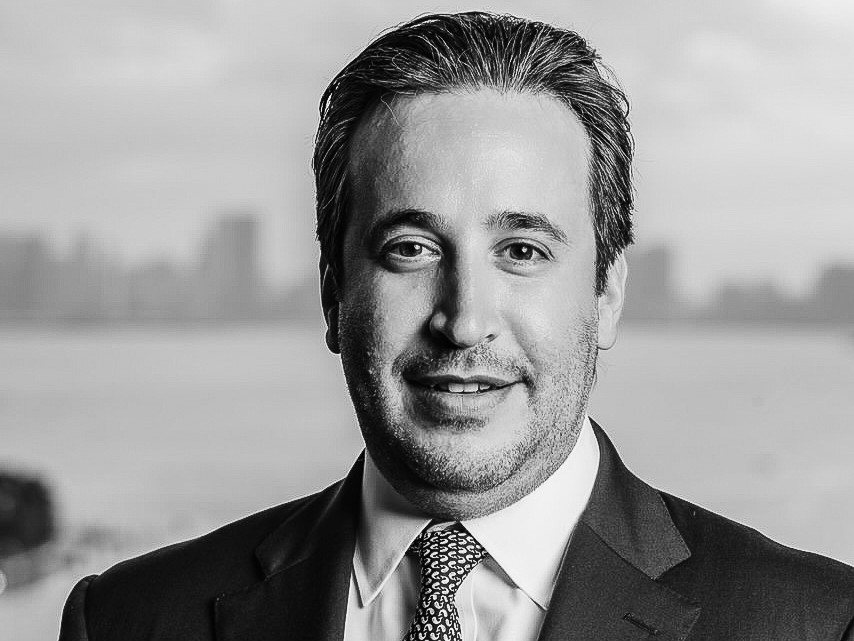
New development and international demand are bringing fresh attention to this Argentine-influenced enclave. Lefferts' Mendy Chudaitov discusses what’s fueling its evolution.
North Beach has long offered a quieter alternative to the bustle of Miami Beach, Fla. Known for its walkable streets, MiMo architecture and deep Argentine influence that has earned it the “Little Buenos Aires” nickname, the neighborhood has maintained a distinct local identity even as the broader Miami market has evolved.
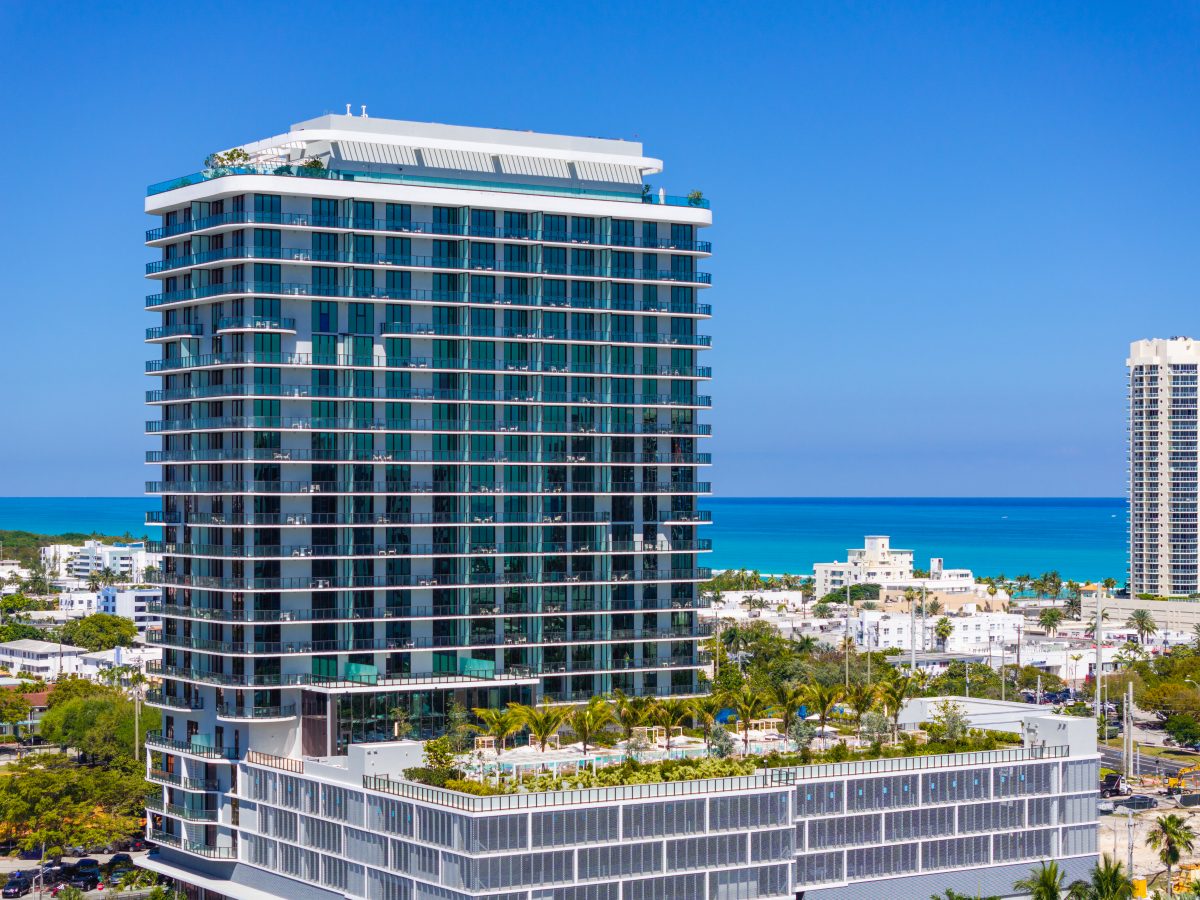
Now, that established character is intersecting with a new wave of luxury condominium development. Lefferts, a New York City-based company with a growing Miami footprint, recently completed 72 Park, a 206-unit tower, and has begun vertical construction on the 121-unit PALMA Miami Beach at 600 71st St. A third project, the 134-unit 72 Carlyle, is in predevelopment.
Recent World Cup celebrations have also brought renewed visibility to North Beach’s Argentine community, with fans gathering in the neighborhood throughout the tournament. For Lefferts, that attention is highlighting qualities that were already drawing buyers to the area: new residential product, flexible ownership models and modern amenities, as well as a neighborhood with an established sense of place.
Multi-Housing News spoke with Lefferts Founder Mendy Chudaitov about North Beach’s residential evolution, the demand coming from Argentine and Latin American buyers, and how new development can build on the neighborhood’s identity without erasing what made it appealing in the first place.
READ ALSO: What Still Gets Built in South Florida?
What made you confident that North Beach was ready for a new generation of residential development, particularly with projects like 72 Park and PALMA?
Chudaitov: North Beach holds a special place within Miami Beach with qualities giving it the fundamentals to support thoughtful investment and a new chapter of residential growth.
The neighborhood reached an important inflection point in 2017, when Miami Beach voters approved an increase in floor-area ratio within the North Beach Town Center. That change created the framework for a new generation of residential development, but we believed in the neighborhood long before it became widely recognized as a development opportunity.
Projects like 72 Park and PALMA are the result of Lefferts’ long-term vision to bring thoughtfully designed residences to North Beach, and the response has reinforced what I saw from the beginning: There is meaningful demand for a luxury product in NoBe. 72 Park became the first luxury condominium project completed in the neighborhood in over five years, and PALMA just began vertical construction and is already at 75 percent sold, reflecting the strength of buyer confidence in the neighborhood and its future.
What did 72 Park reveal about buyer demand for new construction and flexibility in North Beach?
Chudaitov: Buyers had been waiting for high-quality new residential product in North Beach.
The project’s sales performance also demonstrated that buyers recognize the value of new construction in North Beach and are willing to invest at a level that reflects the quality, flexibility and long-term potential of the neighborhood. It also showed that today’s buyers want residences that can adapt to different stages of life, whether that’s as a primary home, seasonal residence or investment property.
It takes real conviction to be among the first developers to put shovels in the ground in a neighborhood that had not seen new residential development of this scale in years, but given what we saw in North Beach, it was a clear decision for us.
How is PALMA building on what you learned from 72 Park, particularly in terms of design and how buyers plan to use their residences?
Chudaitov: Every project builds on what we’ve learned from the last. With PALMA, we’re continuing to focus on the flexibility and lifestyle buyers responded to at 72 Park while delivering a more intimate boutique residential experience.
Designed by Studio Ramirez, PALMA takes those lessons further through Mediterranean-inspired interior design that brings a sense of warmth, ease and timeless coastal living to Miami Beach. We’re creating 121 fully furnished residences paired with hospitality-inspired amenities and a strong connection to the surrounding neighborhood.
Buyers today are looking for residences that offer exceptional design but also fit the way they actually live, whether that’s as a seasonal home, an investment or a future primary residence.
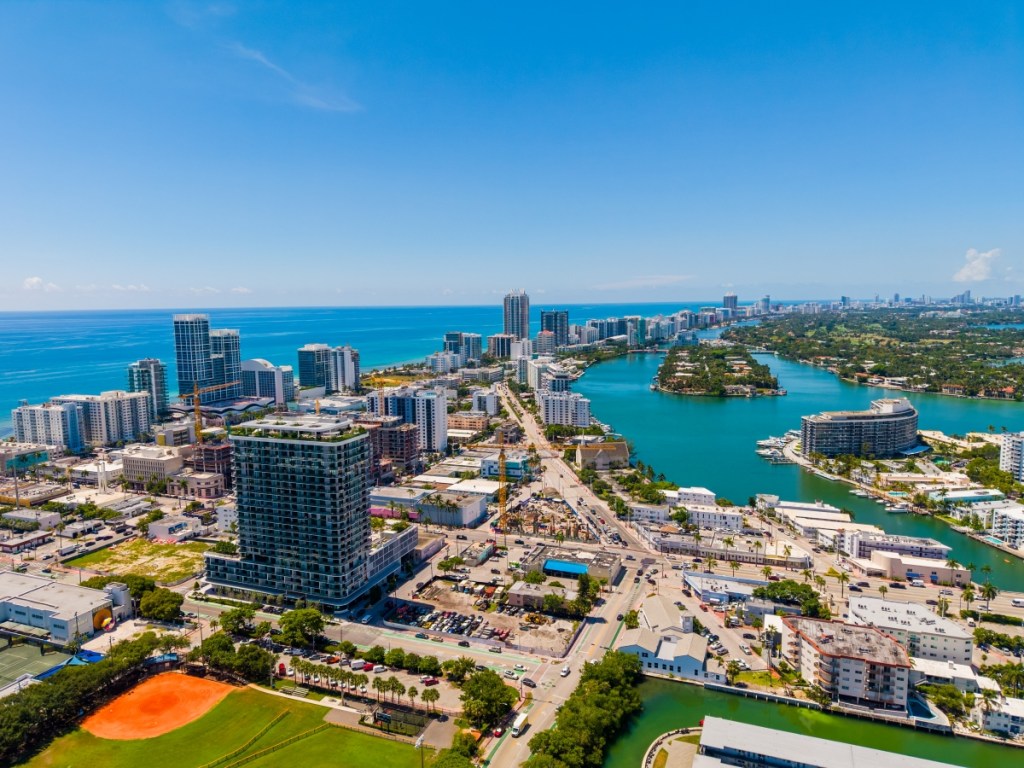
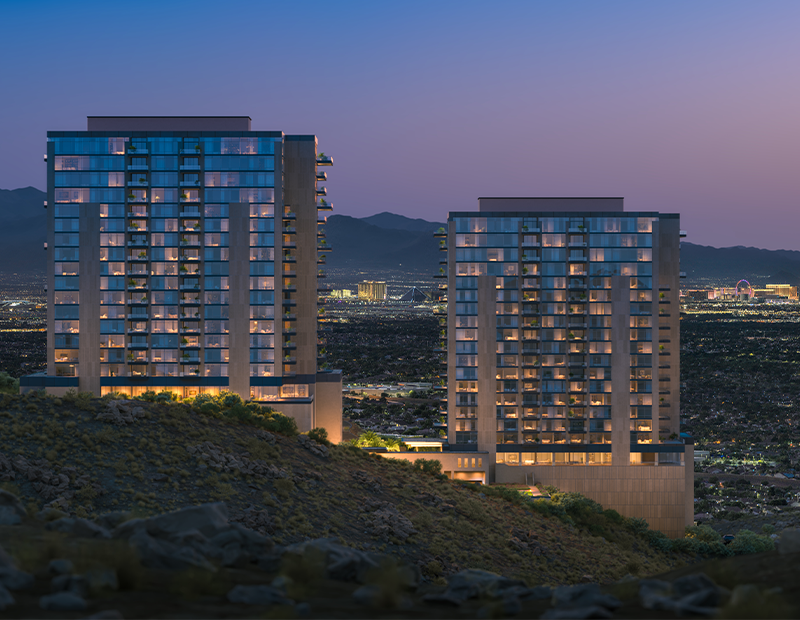
PALMA Miami Beach is rising at 600 71st St., one block west of Collins Avenue and near North Shore Park, placing the project within the North Beach Town Center area that has become a focal point for new residential investment. All images courtesy of Lefferts 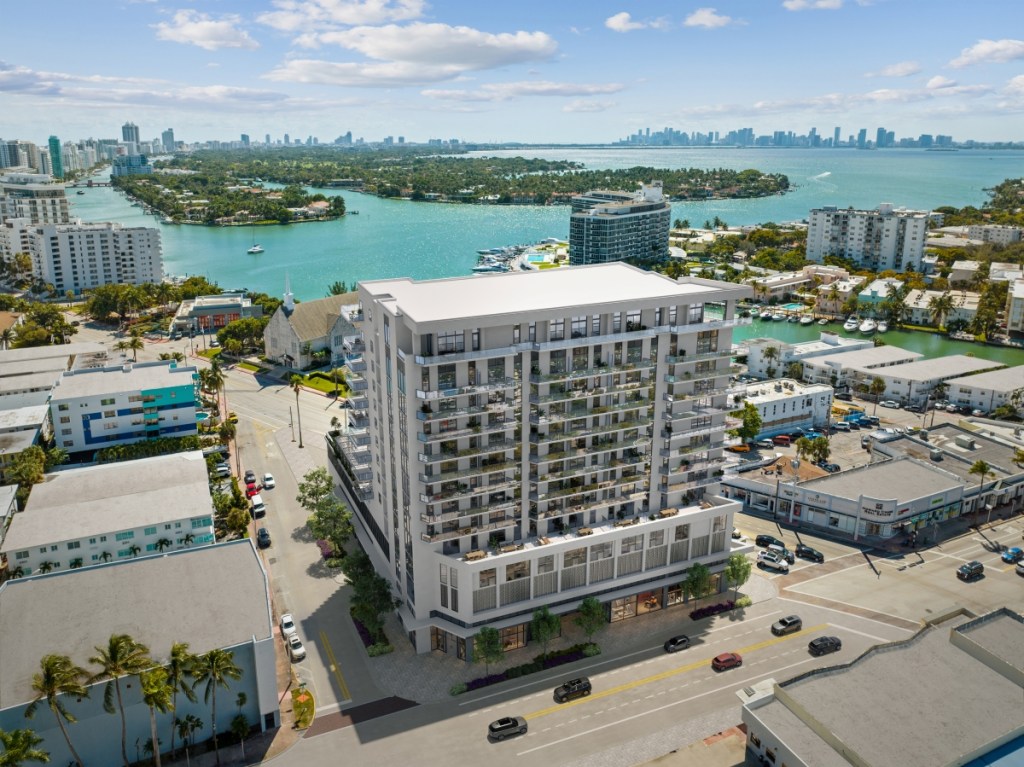
Architecture firm Built Form designed the 14-story PALMA. 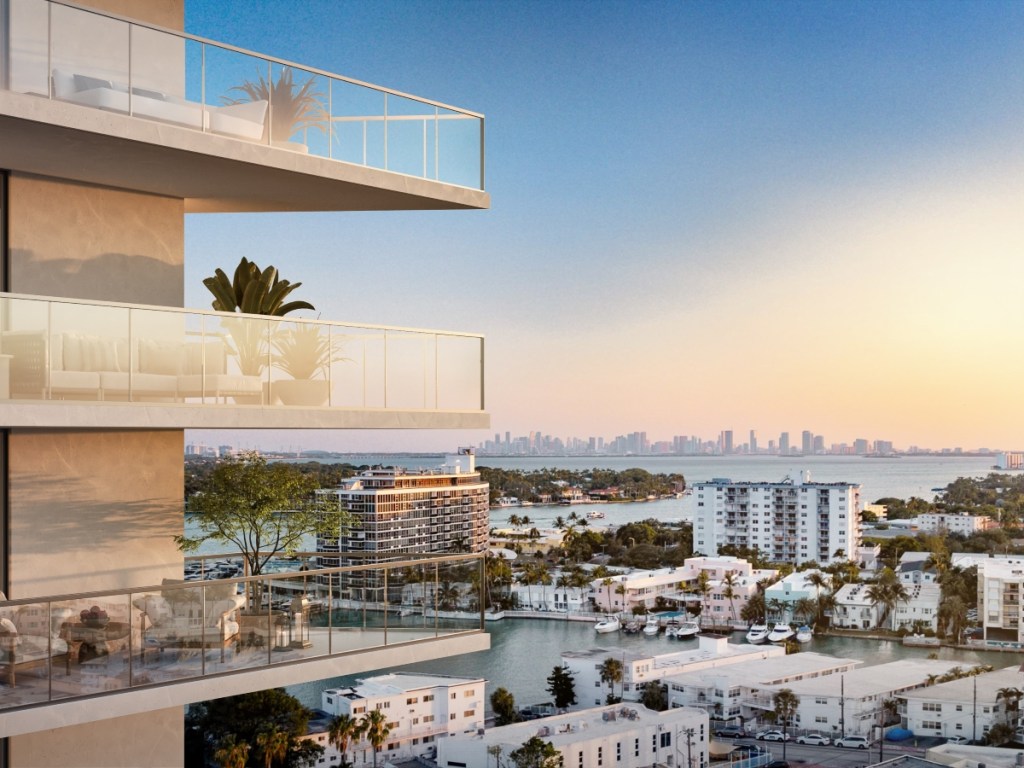
The tower’s terraces will provide views across North Beach, where new development is bringing more attention to one of Miami Beach’s quieter residential areas. 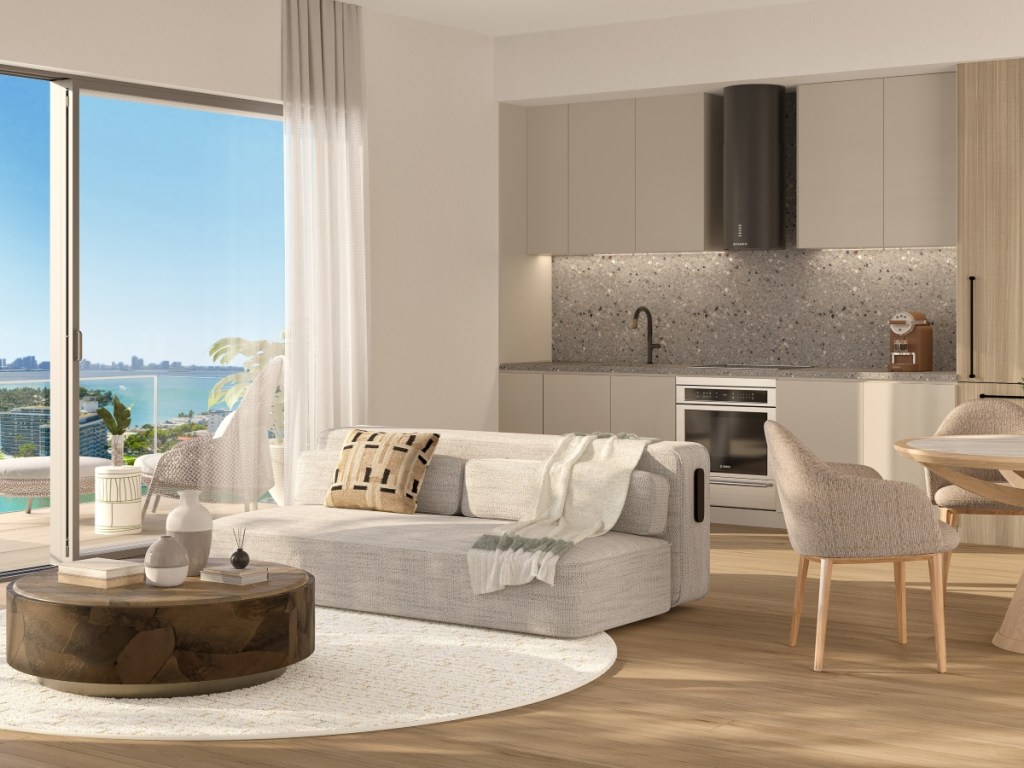
The fully furnished apartments will have floor-to-ceiling glass doors opening onto private balconies. 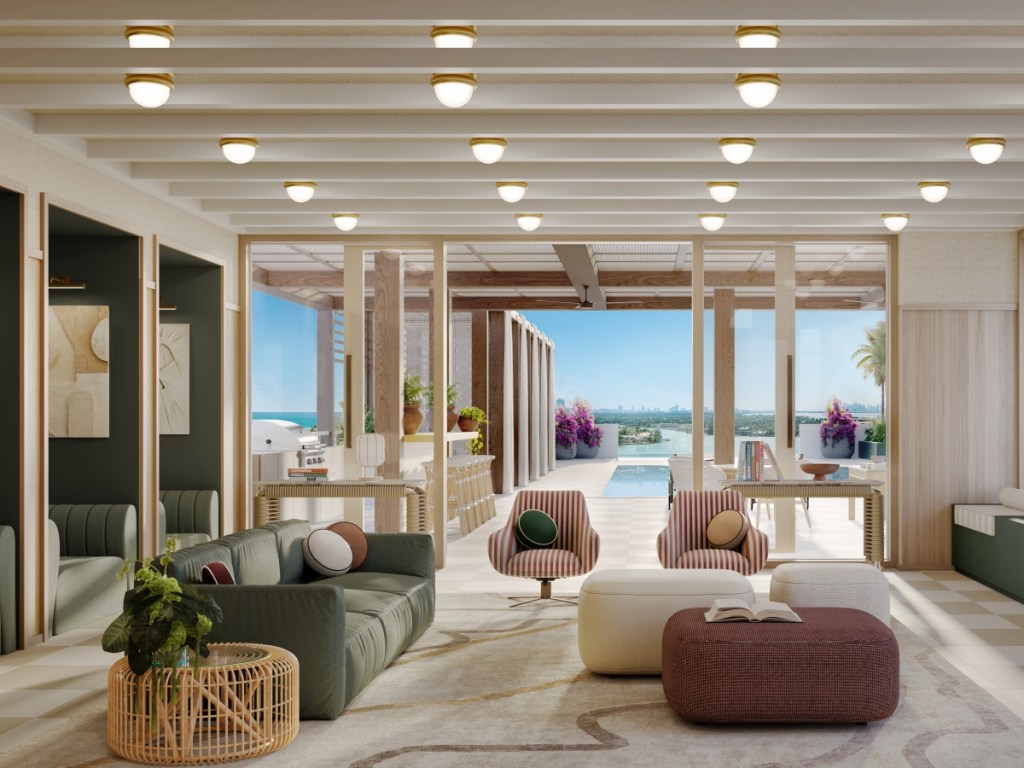
Amenities will include a resident lounge on pool level, with indoor and outdoor seating for private resident events. 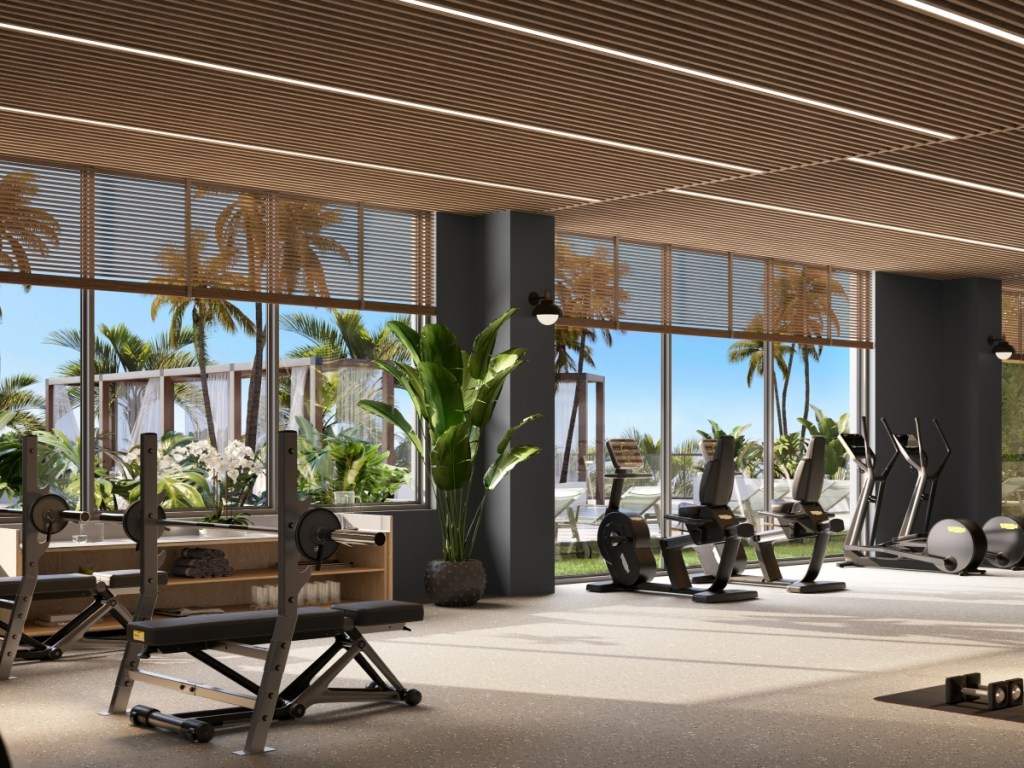
A fitness center, also facing the pool, will be part of the property’s wellness-focused features. 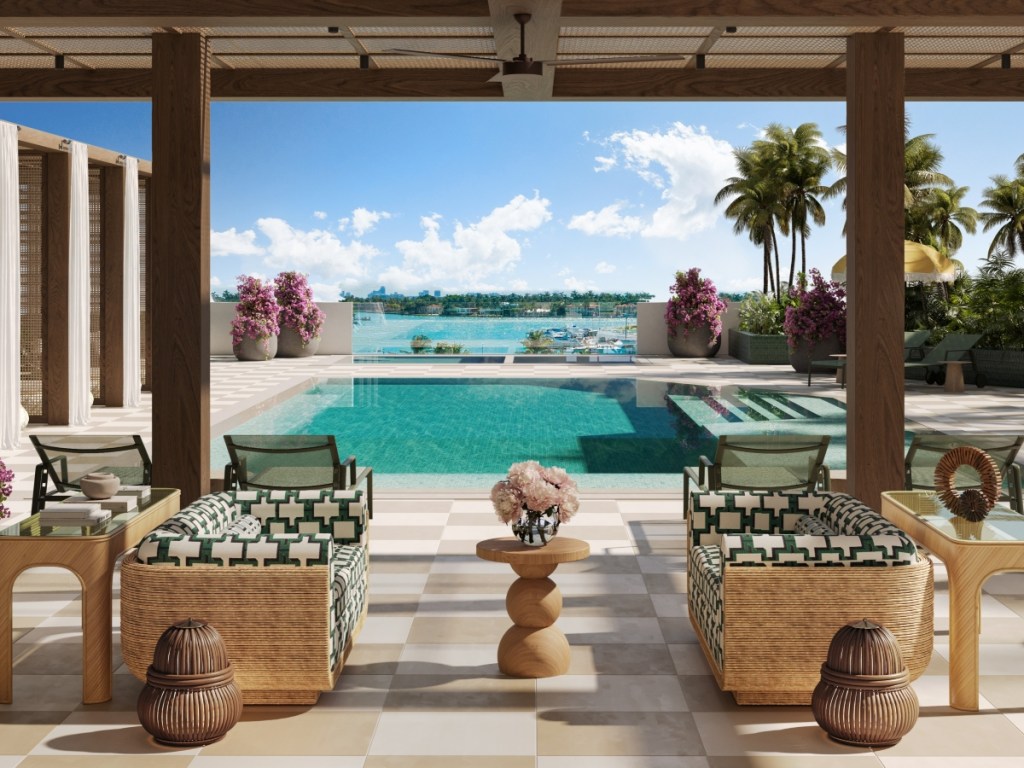
On the ground floor there will also be an outdoor summer kitchen with bar and pool deck event area. 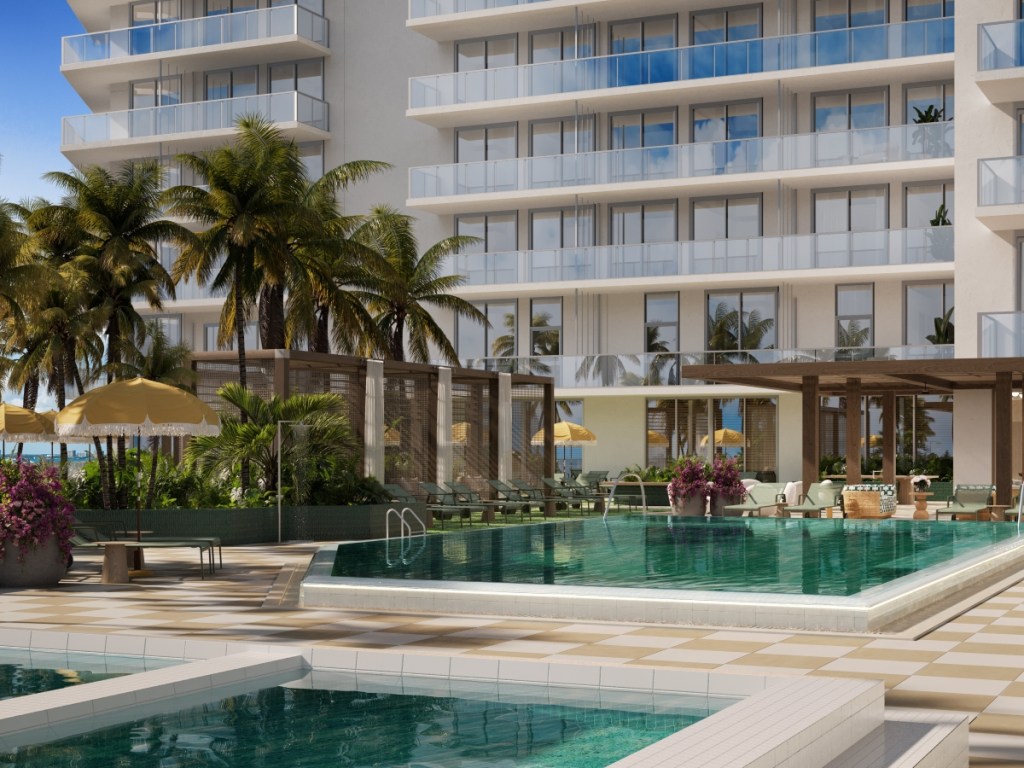
The resort-style pool will have daybeds and cabanas.
How much does North Beach’s Argentine presence factor into the neighborhood’s appeal among today’s buyers?
Chudaitov: North Beach’s Argentine presence is definitely part of what makes the neighborhood unique. What makes that influence so meaningful is that it developed organically over decades and remains deeply embedded in everyday life. The neighborhood has developed a genuine cultural identity, with Argentine restaurants, cafés, bakeries and businesses creating a sense of place that’s difficult to replicate.
Buyers are increasingly looking for neighborhoods with authentic character rather than destinations built solely around tourism, and North Beach offers that. While the Argentine influence is an important part of its identity, it’s ultimately the combination of culture, walkability, beach access and quality of life that makes the neighborhood so appealing to both local and international buyers who want to feel genuinely connected to the place where they own a home.
That deep sense of community also translates into significant interest in our residences among Argentine buyers, many of whom already feel a natural connection to North Beach or Little Buenos Aires.
What are you seeing from Argentine and broader Latin American buyers in terms of motivation? Are they mainly purchasing primary residences, second homes or investment properties?
Chudaitov: Latin American buyers continue to represent a significant portion of our buyer pool, with approximately 76 percent of purchasers coming from Latin America, including 14.1 percent from Argentina. We’re seeing buyers increasingly approach these residences with multiple use cases in mind rather than viewing them strictly as a primary residence or purely as an investment.
Many are purchasing fully furnished residences they can enjoy as seasonal homes or Miami Beach bases while maintaining the flexibility to rent them when they’re not in use. Others are planning for future primary residency. For international purchasers in particular, the ability to arrive and immediately enjoy a turnkey residence while retaining flexibility when they are away is extremely valuable.
What distinguishes North Beach for these buyers compared with other parts of the Miami Beach market?
Chudaitov: North Beach offers a combination that’s difficult to replicate. Buyers appreciate being able to own a luxury residence in a neighborhood that feels authentic and residential while still having walkable access to the beach, parks, local restaurants and cultural destinations such as the Miami Beach Bandshell.
The location is exceptional, with the Atlantic Ocean on one side, Biscayne Bay on the other and easy access to Surfside, Bal Harbour and North Bay Village. We also believe buyers are drawn to the balance North Beach offers: A quieter, community-oriented lifestyle paired with thoughtfully designed new residences and hospitality-inspired amenities. It provides the advantages and access of Miami Beach living while maintaining a sense of intimacy, ease and connection to the surrounding community.
READ ALSO: Supertall Towers Redraw Miami’s Skyline. Here’s How.
How do you expect the neighborhood’s residential profile to evolve as new development brings more attention to the area?
Chudaitov: I think North Beach will continue evolving while preserving the qualities that have always made it special. The investment we’re seeing today is building on an already established community rather than replacing it. Thoughtful development is bringing new residences, restaurants and neighborhood amenities that enhance the everyday experience while maintaining the walkability and residential character that have defined North Beach for years …
As that continues, I expect to see greater year-round activity, an even broader mix of neighborhood-serving businesses and stronger connections among the residential, retail and cultural elements of North Beach. When I first began investing here, I saw tremendous potential for growth. Lefferts’ commitment has never been centered on a single building, it has always been about contributing to the neighborhood at a meaningful scale over time.
Do you think North Beach can grow without losing the identity that made it appealing in the first place?
Chudaitov: I don’t believe growth and preservation have to be in conflict. The key is to understand what already makes a neighborhood special and to build in a way that strengthens those qualities rather than replacing them.
For us, responsible development starts with listening to the neighborhood and creating projects that feel connected to their surroundings. That includes active ground-floor spaces, design that reflects the character of Miami Beach and amenities that serve how people actually want to live. It also means thinking beyond a single building and considering how each project contributes to the broader neighborhood experience.
North Beach’s appeal comes from its authenticity. As the neighborhood continues to attract more attention, the goal should be to enhance that character, not erase it.
The FIFA World Cup has put renewed attention on Miami’s Argentine community, with North Beach serving as a highly visible gathering places. Do moments like this create new buyer interest, or do they mostly reveal demand patterns that were already there?
Chudaitov: Moments like this shine a spotlight on something that has existed for many years. North Beach has long been home to a deeply rooted Argentine community, and events like the World Cup simply introduce more people to that story. From Argentina’s World Cup victory in 2022 to its run to the final this year, hundreds and at times thousands of supporters have gathered in NoBe, filling the streets in blue and white.
That excitement has brought greater visibility to the neighborhood, its businesses and the strong cultural identity that already exists here. Increased visibility certainly helps people discover the neighborhood, but the underlying appeal has always been there.