Supertall Towers Redraw Miami’s Skyline. Here’s How.
PMG’s Ryan Shear and Dan Kaplan on the complexities, capital constraints and execution finesse behind the city’s next generation of skyscrapers.

South Florida’s skyline is constantly evolving, with developers relentlessly competing to create the most impressive structure. A handful of projects are reshaping downtown Miami’s profile, signaling a phase defined by scale, complexity and increasingly selective capital.
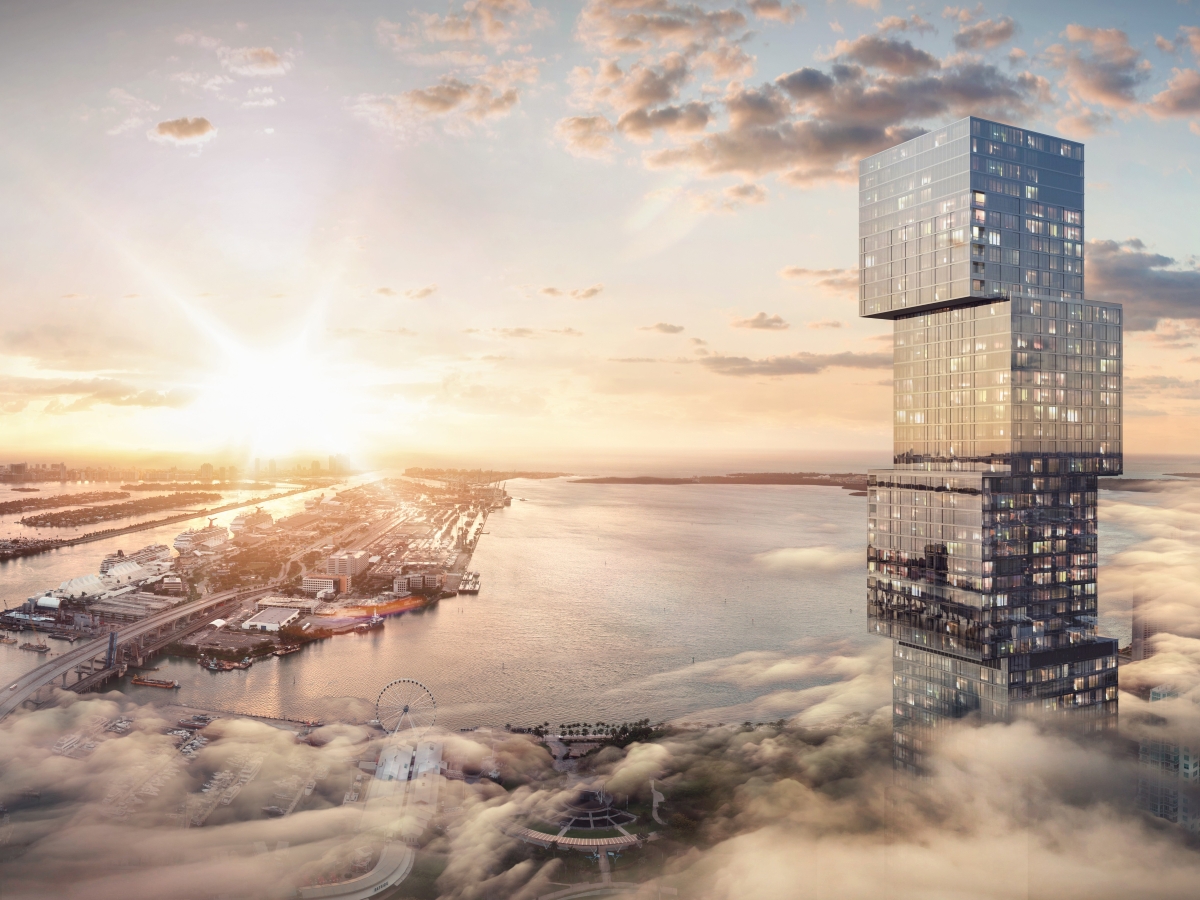
PMG is behind the city’s first supertall skyscraper: Waldorf Astoria Hotel & Residences Miami, a 100-story, 1,049-foot project at 300 Biscayne Blvd. Currently at 70 stories tall, the development is advancing rapidly, with completion scheduled for 2028. The firm has already announced its second supertall tower in the city: Delano Residences Miami, a 90-story tower at 400 Biscayne Blvd. It will mark the hotel brand’s entry into the residential sector.
The activity comes at a time when large construction loans remain difficult to secure, adding complexity to luxury, high-rise development. We spoke to Ryan Shear and Dan Kaplan, managing partners at PMG, about what it takes to build supersized skyscrapers in the current economic environment and why Miami continues to be a hotspot for such large-scale residential projects.
READ ALSO: Multifamily, Commercial Real Estate Lending Jumped 40% in 2025
From your perspective, what separates supertall development from a conventional high-rise before construction even begins?
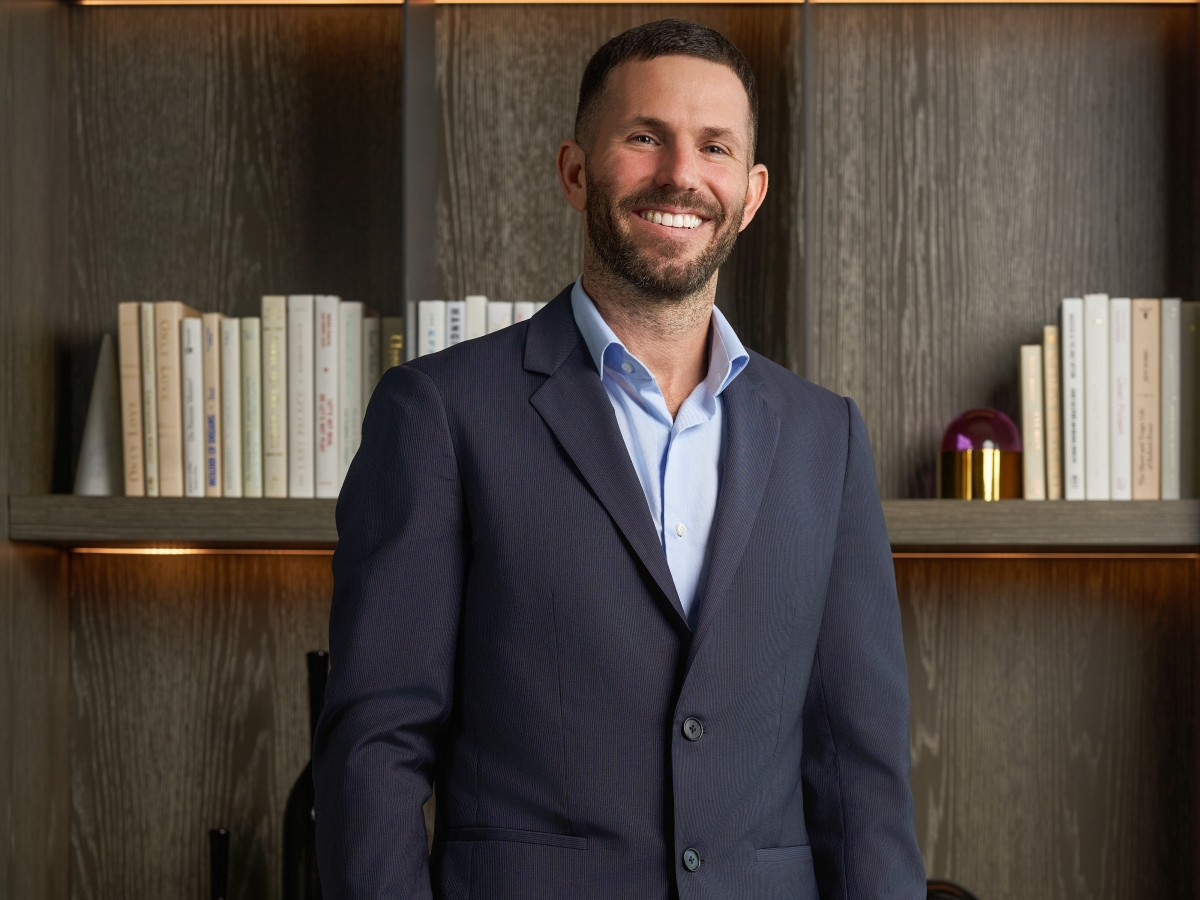
Shear: Before construction begins, supertall development operates on an entirely different level. It’s not just about building higher. It’s about solving far more complex challenges from day one: wind, structural engineering above and below grade, vertical transportation and long-term efficiency. At this scale, a building doesn’t just enter a market, it defines a skyline.
With Waldorf Astoria Hotel & Residences Miami becoming the city’s first supertall, every decision carries weight. Every decision we make from the onset sets a precedent for others.
What are the biggest hurdles at that scale today?
Kaplan: Supertall residential development is a different level of complexity. The engineering, construction sequencing and logistics are far more demanding, with longer timelines and almost no margin for error.
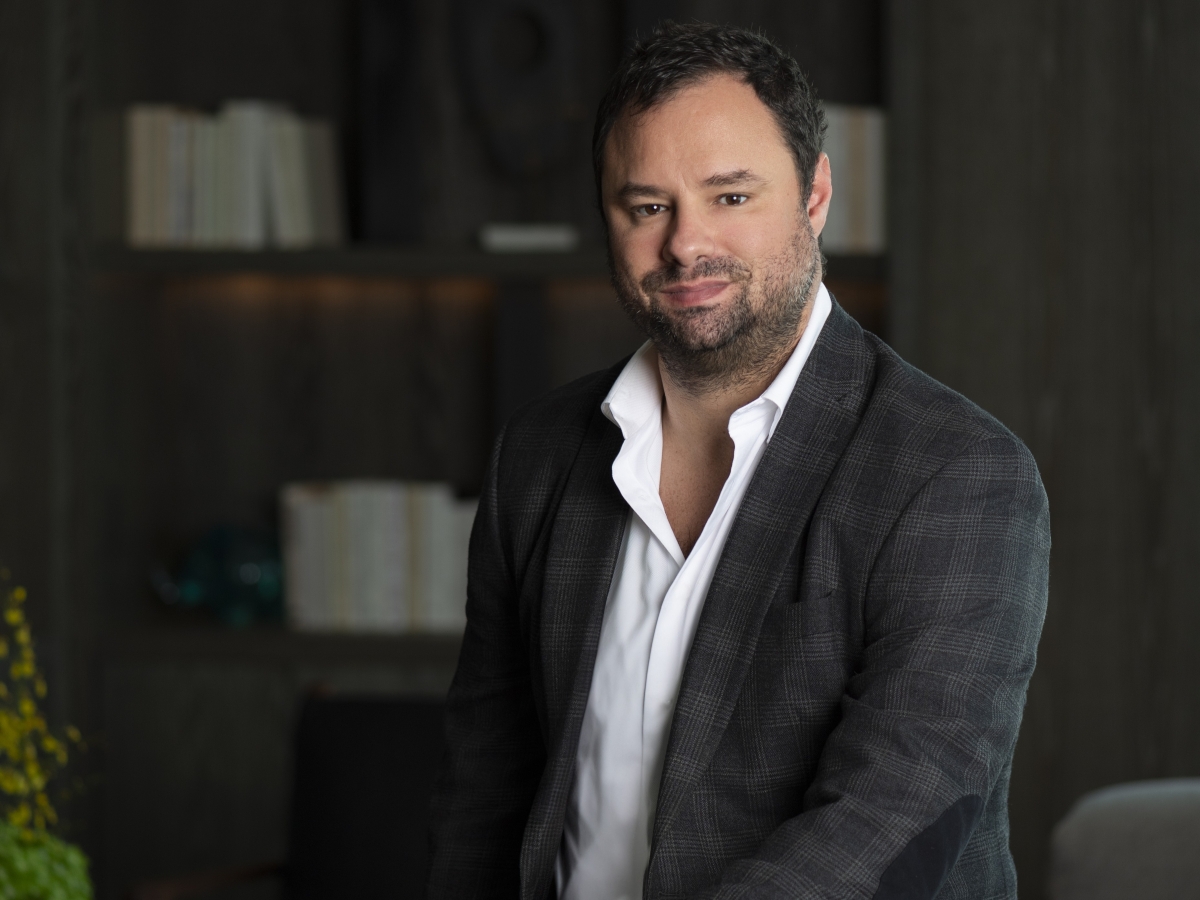
One of the trickiest hurdles is the capital requirements. Projects at this scale require deep financial backing, and lenders and equity partners need absolute confidence in both the product and the team executing it. That trust is built over decades.
Over the course of PMG’s 35 years as a firm, we’ve been strategic about building a strong benchmark of trust with the capital markets and demonstrating why they should feel confident in partnering with our team.
You secured a $668 million construction loan for Waldorf Astoria Miami in 2024 at a time when financing was highly selective. What does the capital stack for projects at this scale need to look like for lenders to get comfortable?
Kaplan: It starts with a strong foundation. That means meaningful equity, a well-capitalized and experienced development team and a project that has already demonstrated traction in the market. Pre-sales play an important role in this process as does aligning with the right brand and design team to help validate the vision.
Today’s lenders are highly risk-focused. The more certainty you can show around execution, market demand and long-term value, the more confidence they have. At this scale, the capital stack has to reflect discipline, credibility and staying power.
When planning a supertall residential tower, how early do issues like wind performance, floorplate efficiency, amenity placement and construction logistics start shaping the project?
Shear: These factors shape the project from day one. With a supertall, you cannot solve for wind, floorplates, logistics or building systems later in the process. They have to be built into the foundation of the design from the start.
Waldorf Astoria Hotel & Residences Miami is a good example. We broke ground in 2022 but planning began back in 2014 when we acquired the site. That level of upfront coordination is why the project has stayed on schedule more than 70 floors into construction.
Compared to a typical luxury condo tower, a supertall requires far deeper coordination across structural, mechanical, construction and design teams from the outset. The complexity is on another level and every system has to work together before construction even begins.
Which part of supertall development tends to be underestimated most often from the outside?
Kaplan: Most people assume the hardest part is building the height. In reality, the biggest challenge is making every part of the project work together at the highest level. Financing, engineering, construction and market positioning all have to align perfectly. If one piece falls short, it impacts the entire project. Success comes from execution across every front, all at once.
READ ALSO: Top Projects That Will Reshape Miami
South Florida is one of the few U.S. markets where supertall residential development still appears to have real momentum. What is it about Miami in particular that makes these projects viable right now?
Shear: Miami is a special city. For years, it’s sat at the convergence of rapid economic expansion, sustained domestic migration, major Fortune 500 relocations and international investment. When you pair this with its natural world-class beaches and lifestyle, along with growing demand for design-driven, high-quality residential offerings in urban cores, you have the right environment for landmark developments to emerge.
What makes Miami different is its staying power. It has demonstrated a remarkable degree of resilience and staying power. These conditions are difficult to replicate, and the demand continues to deepen. Waldorf Astoria Hotel & Residences Miami is now over 90 percent sold, and Delano Residences Miami has received a tremendous initial response in the few weeks since its launch. Together, these projects underscore the depth of demand that is not only there, but continuing to evolve alongside Miami itself.

What are you watching most closely today to gauge whether demand for supertall and ultra-luxury housing in South Florida is deep and durable enough to support more projects?
Kaplan: We’re focused on buyer behavior and long-term demand trends. We look at who the buyer is, how they live, what they value and whether they’re committing to Miami beyond a seasonal market.
We continue to see both domestic and international buyers responding to high-quality products, strong branding and lifestyle-driven design. These are all signs the luxury market in South Florida still has depth and durability.
Looking ahead, do you see supertall residential development remaining a niche reserved to a very small group of projects and developers or do you think it will become a more established part of the region’s housing and mixed-use landscape?
Shear: I think it will remain a relatively focused segment of the market, simply because of the level of expertise, coordination and capital required to execute these projects successfully. That said, it is becoming a more established part of Miami’s evolution. Projects like Waldorf Astoria Residences Miami and Delano Residences Miami are raising the standard and reshaping the skyline. In the end, it’s about quality, not quantity.