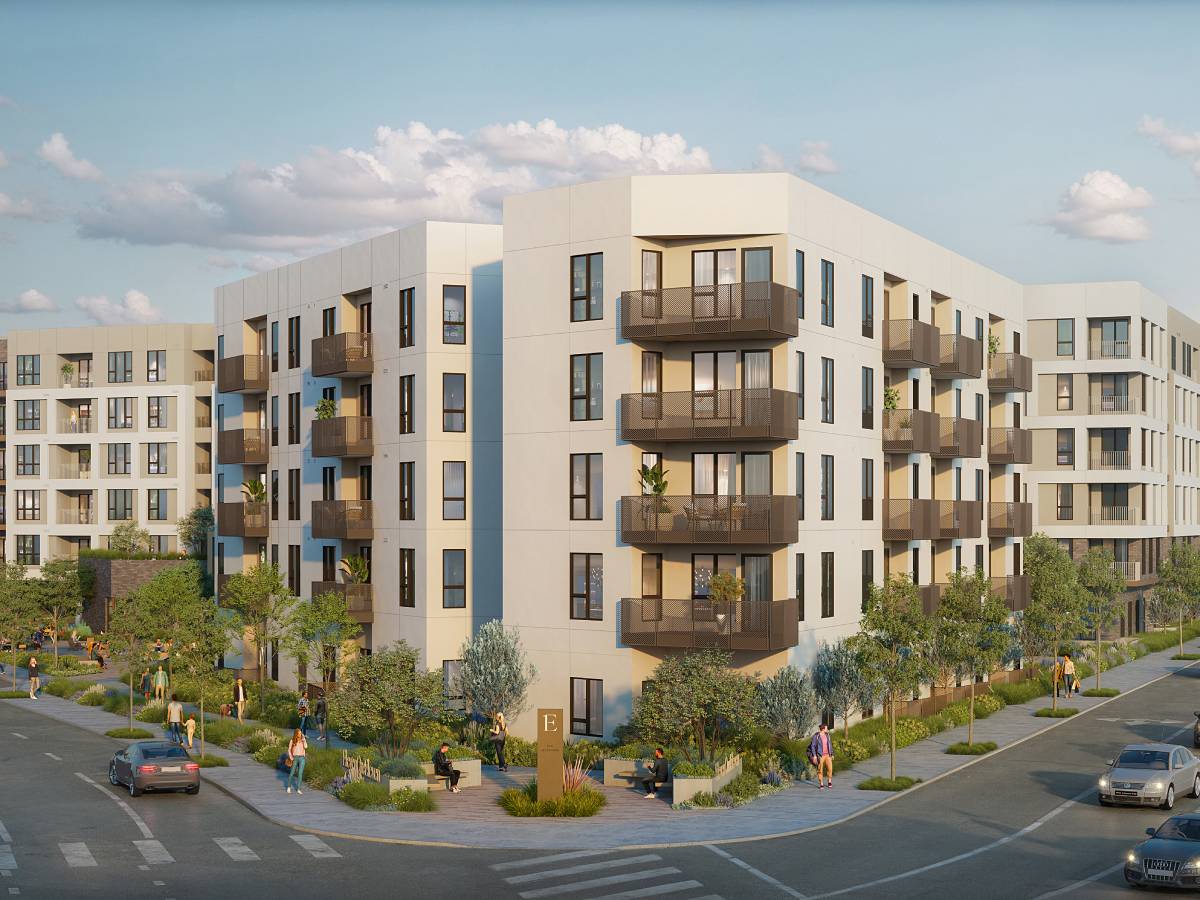
The Lease-Up Oversight Many Multifamily Teams Discover Too Late
Planning for key access during the design phase of a multifamily development can shape how smoothly your community operates from day one.

With a high volume of new units continuing to come online across emerging markets, lease-up remains a critical period for property teams. At the same time, leasing momentum is slowing, raising the stakes for each new community. These conditions make early operational planning critical to a successful launch.
But one consideration many property teams overlook until late in the development process is how to store, control access to, and track keys during lease-up. Waiting until just before opening to address key management increases the likelihood of operational issues during this critical period.
Teams may find themselves relying on temporary tracking methods, struggling to account for keys issued to contractors and vendors, or spending valuable time locating keys during unit preparation and service requests. Having a dependable way to manage key access helps prevent delays, maintain accountability, and keep operations organized.
How late planning disrupts lease-up operations
During the early stages of a project, developers and project teams prioritize building systems, layouts, and amenities that directly influence the resident experience. These teams often focus on access control infrastructure and shared spaces while postponing decisions about how staff will manage physical keys.
When you address key management late, your team must adapt processes during lease-up instead of establishing them ahead of time.
This approach typically leads to several challenges:
• Development teams limit key control system placement options by finalizing layouts before assigning space for key control.
• Property teams rely on manual or temporary tracking methods that reduce accountability.
• On-site staff have less time to establish key control procedures and train new employees before leasing activity begins.
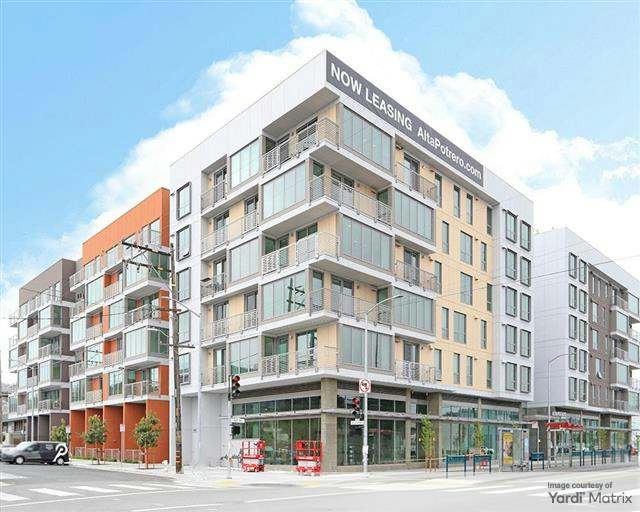
For example, a management company working on a new construction project in San Francisco planned to use smart locks for resident apartments and initially expected to manage only keys for mailboxes and storage units.
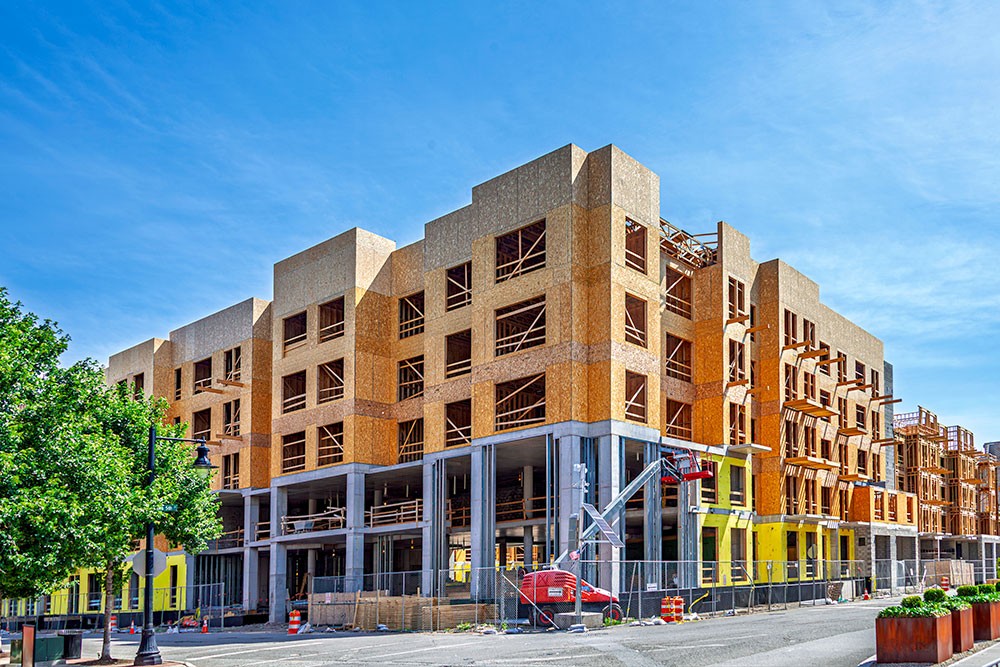
When construction neared completion, however, the management office started receiving additional keys from the contractor, including keys for resident garages and apartments with ground-floor patios. The team now had keys providing access to residents’ homes, increasing security risks for the residents and property owners.
Because the issue surfaced late in the project, staff relied on manual processes while sourcing and installing an appropriate key management system. By that point, the budget had already been finalized and the management office completed. The larger key management required more space and a greater investment than originally anticipated.
During lease-up, delays due key management issues can slow unit preparation, complicate contractor coordination, and create unnecessary work for on-site teams. To avoid finding yourself in a similar situation, evaluate your community’s key management needs during the design phase. Building key control into the construction timeline leaves enough time for budgeting, installation, setup, and staff training.
Planning for daily key access and workflows
When determining a community’s key control needs, focus on how staff will access and use keys throughout lease-up and ongoing operations. Several scenarios can affect key management requirements, including:
• Sprawling, multi-building property using mechanical keys
• Mixed-use building
• Smart building requiring storage for backup keys
• Luxury property with concierge services
• Rentable garages and resident storage units
By understanding how your team will use keys day to day, you can define your key management requirements. Ask yourself:
• What types of keys will staff need to manage? Consider apartment, garage, storage, mailbox, amenity, and maintenance keys.
• Will contractors, vendors, or temporary staff require access during construction, lease-up, or ongoing operations?
• Does the property include areas that may still require physical keys even if smart locks are used elsewhere?
• How many keys will you need to secure and track?
• Where will staff naturally need to check keys in and out throughout the day?
Answering these questions early can help you avoid unexpected space requirements, budget increases, and last-minute process changes later in the project.
How early decisions help your keep lease-up on track
When you plan for key control early in the construction process, you set your team up for a smoother transition when the community opens. You can allocate space for the system during construction and establish key control procedures before residents move in.
By making these decisions early, you reduce last-minute adjustments, maintain accountability, and keep lease-up workflows organized.
Visit keytrak.com/multifamily to learn how electronic key management helps multifamily communities improve accountability, security, and operational efficiency.