HUD Expands Debt Insurance to the BTR Sector
Build-to-rent acquisition, construction and refinancing loans are eligible, albeit under certain restrictions.

HUD has started accepting applications for mortgage insurance on build-to-rent properties, including construction, acquisition and refinancing loans.
There are certain qualifying criteria, particularly in the case of acquisition and refinancing debt insurance pursuant to Section 223(f). For these loans, the properties must have a certificate of occupancy dated no more than three years prior to the application.
HUD’s approved MAP lenders, including some of the top multifamily construction lenders, questioned the requirement during drafting, according to a white paper from Wim Roach & Brian Lorenz. Still, the stipulation persisted due to concerns pertaining to BTR’s replacement reserve requirements and the agency’s lack of data on the long-term capital needs for such communities.
READ ALSO: HUD Expands Its Role in Multifamily Finance
Additional requirements, which affect the construction loan insurance pursuant to Section 221(d)(4) alongside acquisition and refinancing notes, include having a minimum of five units with no interspersed privately owned parcels or residences. No sales or partial release of collateral may be approved during the loan term.
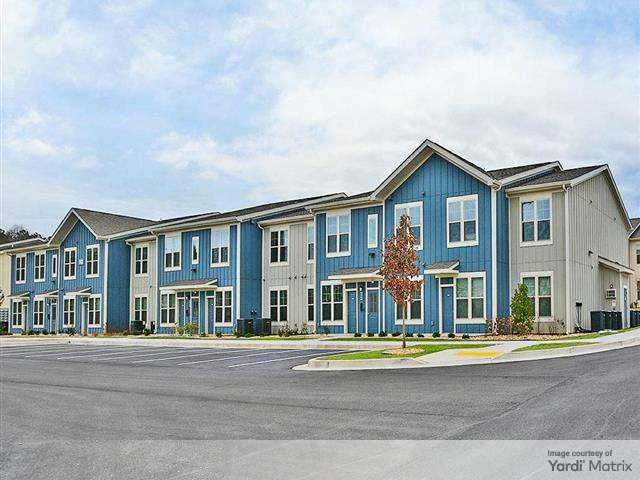
The site must be uniform and recognizable as a single-rental property. Notably, manufactured and modular construction, as well as combinations of traditional multifamily and BTR product, will be considered for insurance, albeit under close review.
Other eligibility criteria touch on the requirement of professional BTR management, including an on-site or market-level office to ensure an adequately staffed local presence. Maintenance services ought to include the upkeep of interiors and exteriors, trash removal and seasonal groundwork, among others.
BTR location will dictate the amenity package, as features should align with the ones provided by similar properties or comparable communities in the market. Deviations from the norm will be addressed and discussed.
Differences in underwriting multifamily and BTR debt
Lenders will be required to review and evaluate market conditions as part of the loan approval process. Data extracted from the lease-up activities at comparable BTR properties support initial operating deficit estimates, with a minimum escrow amounting to the greater of 3 percent of the loan amount or four months of debt service.
These minimum thresholds are identical to HUD’s existing multifamily standards. What differs for new BTR construction is the maximum allowable absorption period, clocking in at 24 months compared to the 18-month ceiling HUD applies for traditional multifamily.
Operating expenses could be higher due to low-density layouts with inherent ground and road maintenance requirements. In addition, the increased number of buildings that need to be maintained regularly might require a larger initial and annual replacement-reserve deposit.
BTR vacancy estimates include a 7 percent lower floor for market-rate properties, matching HUD’s requirement for traditional multifamily properties. However, BTR projects with fewer units may be subject to higher vacancy assumptions, as each empty unit has a heavier impact.
As for affordable BTR properties, the threshold may be reduced to 5 percent, compared to 3 percent for traditional multifamily communities participating in Housing Assistance Payment programs.