MHN Asks: Where Are the Best Self Storage Opportunities?
Hearthfire Holdings’ CEO on investment and development strategies that work in today's economy.
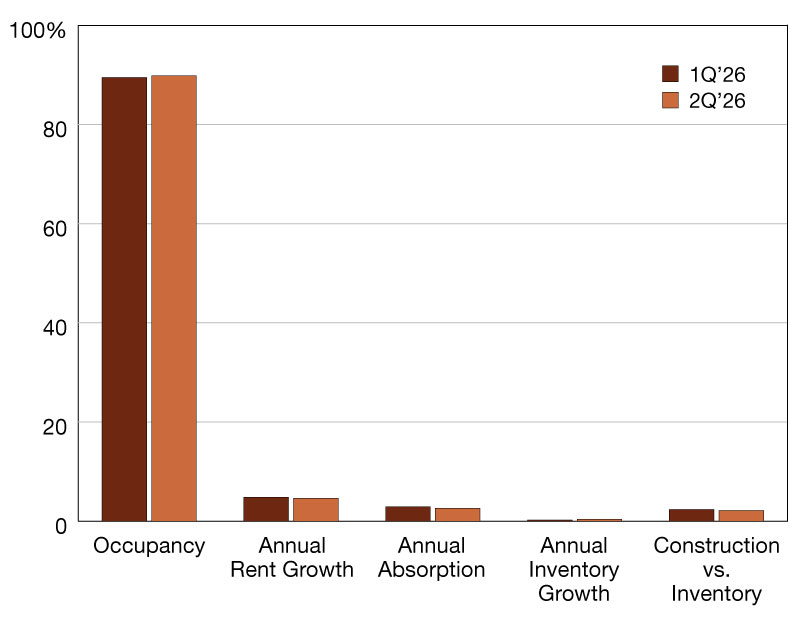
After a year of recalibration, the self storage sector is entering a more stable phase. Demand has steadied, operating fundamentals are normalizing and a clearer path to stabilization is emerging, signaling a shift from rapid adjustment to more deliberate decision-making.
With the market settling into this more even baseline, attention is turning to how operators are approaching investment, development and operations in today’s economic environment. Examining where capital is being deployed—and why—offers insight into what strategies are proving resilient and which are falling short.
READ ALSO: Self Storage Market Trends
Hearthfire Holdings, a real estate private equity and development firm active across the Northeast and Mid-Atlantic, provides a useful lens into that shift. The company currently owns 24 self storage facilities valued at more than $200 million, encompassing approximately 10,000 units and 1 million square feet of space under management and development.
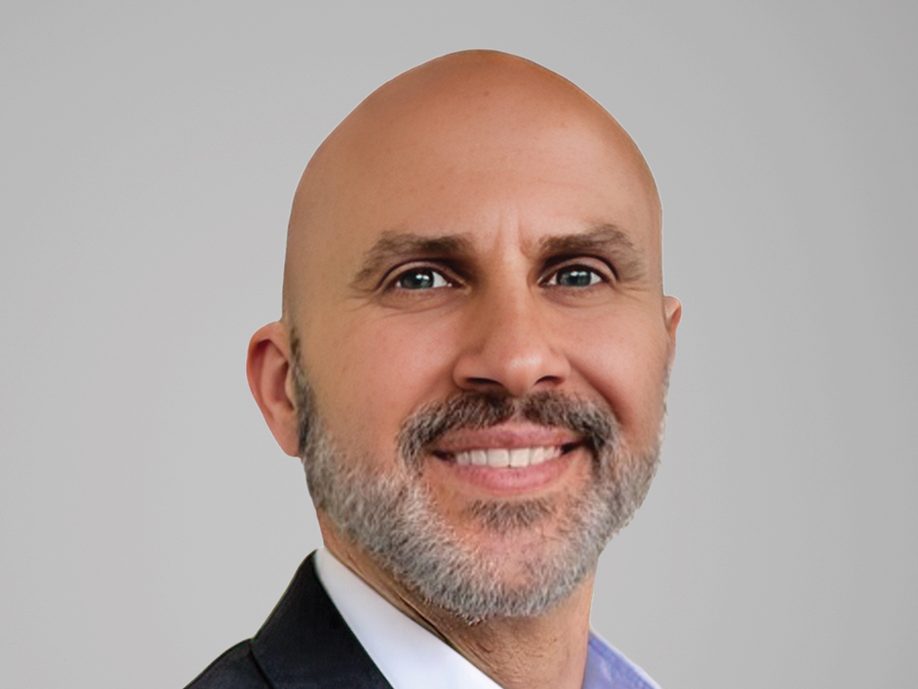
Multi-Housing News spoke with Sergio Altomare, co-founder & CEO of Hearthfire Holdings, about identifying opportunities in emerging markets and what lies ahead for the self storage sector. A former executive director of technology at the Federal Reserve, Altomare brings a background in financial analysis, cash flow modeling, underwriting and investment crowdfunding.
You started in multifamily but have come to build a dedicated self storage platform. What prompted that shift, and how has your strategy evolved as the sector matured?
Altomare: We started in multifamily because it was the most obvious and accessible way to build long-term wealth and passive income. Along the way, we built operating discipline, capital partnerships with friends and family, and then beyond. We also built a repeatable investment process.
Over time, two things became clear. First, multifamily was becoming increasingly commoditized and overcrowded, particularly in small to mid-size assets and value-add strategies. Second—many of the skills we had built, such as underwriting fundamentals, understanding demand at the micro-market level, executing value-add and development, and managing operational intensity—all translated extremely well to self storage.
The shift was about finding a sector where operational execution and local market insight still materially influence outcomes. As self storage matured, our strategy evolved from simply finding ‘good deals’ to building a platform that could handle development, lease-up, capital stack optimization and long-term asset management under one roof. Today, we’re less focused on asset count and more focused on building a durable system that performs across cycles.
What key drivers are sustaining self storage’s resilience across economic cycles today, and where do you think the sector’s narrative oversimplifies the reality?
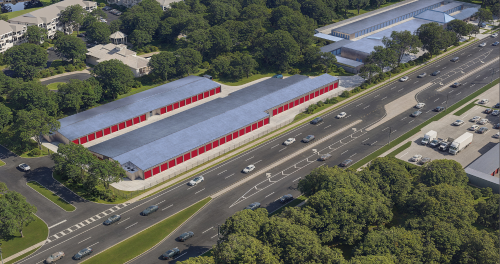
Altomare: The resilience comes from demand that’s tied to life events rather than discretionary spending—moves, downsizing, divorce, inheritance, small business formation etc. Add short-term leases and the ability to reprice quickly, and you get a sector that adapts faster than most real estate.
Where the narrative oversimplifies things is in treating self storage as universally defensive. Not all storage performs the same. Poor site selection, overbuilt corridors, mispriced assets and, ultimately, poor investment and capital stack discipline can create struggle in storage just as much as any other property type. Storage rewards the details and precision. The idea that you can buy anything with a roof and roll-up doors and expect stable results is where people get into trouble.
Within your portfolio, are there specific markets that have proven particularly compelling from an investment perspective?
Altomare: We’ve been most successful in secondary and, in some cases, tertiary markets with strong population stability, constrained infill supply and local economic anchors such as health care, logistics, education or light manufacturing. These markets often don’t make national headlines, but they produce consistent absorption and pricing power when assets are well-positioned.
The fundamentals doing the most work are what I call immutable markets. These are markets with unchangeable characteristics. Things like being able to support imports and exports via water and rail or distance to get to major market hubs are tremendous in ensuring a consistent and historical trend to support business and economic momentum.
Other significant factors that make markets more compelling than others are population density, business-friendly policies, household formation trends, housing turnover and property replacement cost. When replacement cost meaningfully exceeds existing basis and supply is controlled by zoning or land scarcity, storage assets tend to perform exceptionally well over time.
When evaluating new deals, which factors tend to carry the most weight and how do you balance those variables?
Altomare: Market dynamics are the key and gatekeeper. If the market doesn’t work, nothing else matters. Once the market passes that test, asset characteristics and portfolio fit become equally important.
We also look hard at how an asset complements the broader platform. Aspects like regional fit, ability to expand in a market, operational leverage, capital stack efficiency and risk diversification. A great standalone deal that introduces outsized risk or complexity to the portfolio often isn’t worth pursuing. Discipline here has been one of the biggest contributors to our long-term performance.
From your perspective, what approaches or disciplines matter most for investors trying to stand out today in such a competitive space?
Altomare: Operational excellence and patience. The days of easy arbitrage and riding a rising market cycle are largely gone. Investors who win today are those who understand investment yield analysis, leverage risk, revenue management, customer behavior and cost control at a granular level, and who are willing to pass on deals that don’t meet strict underwriting standards.
Another differentiator is capital structure discipline. Thoughtful use of preferred equity, private credit and flexible financing can materially improve risk-adjusted returns, especially in transitional or development-heavy portfolios.
Partnerships also play a meaningful role in scaling platforms like yours. What do you look for in a partner, and how do you assess whether an alignment will hold up over the long term?
Altomare: Alignment and core values matter more than experience alone. We look for partners who think with a mind on purpose and service, first, then on long-term, (partners who) communicate transparently and understand that protecting downside is just as important as pursuing upside.
We also pay close attention to how partners behave under pressure and respond to changing assumptions, capital constraints or market shifts. Early conversations around governance, decision-making authority and downside scenarios tell you far more than a polished track record ever will.
Looking ahead, what trends do you believe will shape the next phase of the self storage sector?
Altomare: We see continued bifurcation. Institutional capital will concentrate in scaled, data-driven platforms, while smaller operators who don’t adapt will face margin compression. Technology, revenue management and portfolio-level optimization will matter more than ever.
READ ALSO: What’s Hot in Self Storage Design Today?
At both the store and asset management levels, AI and customer behavior modeling will play an increasingly important role in distinguishing top-performing firms from the pack in the near term. Revenue diversification and opportunities to enhance the self storage customer experience and to upsell will also surface as trends over the next 5+ years.
We also expect private credit and alternative capital solutions to continue to play a larger role, particularly as owners seek recapitalizations or rescue capital for assets delivered in the last few years.
As the sector continues to evolve, how are you thinking about the next chapter for Hearthfire Holdings, and what are you being most deliberate about getting right?
Altomare: The next chapter is about institutional readiness without losing entrepreneurial discipline. We’re focused on building systems, governance and capital solutions that scale, but only in ways that reinforce our core strengths and remain true to our investor-first principles.
What we’re most deliberate about is staying patient and controlling risk, while exploring alternative investment strategies that complement our expertise. In this regard, we are expanding into flex space and small bay industrial assets. Growth for its own sake is easy. Building a platform that compounds intelligently over time is much harder. Everything we’re doing is oriented around that long-term outcome.