Let’s Get Real: If You’re in it, Be in it
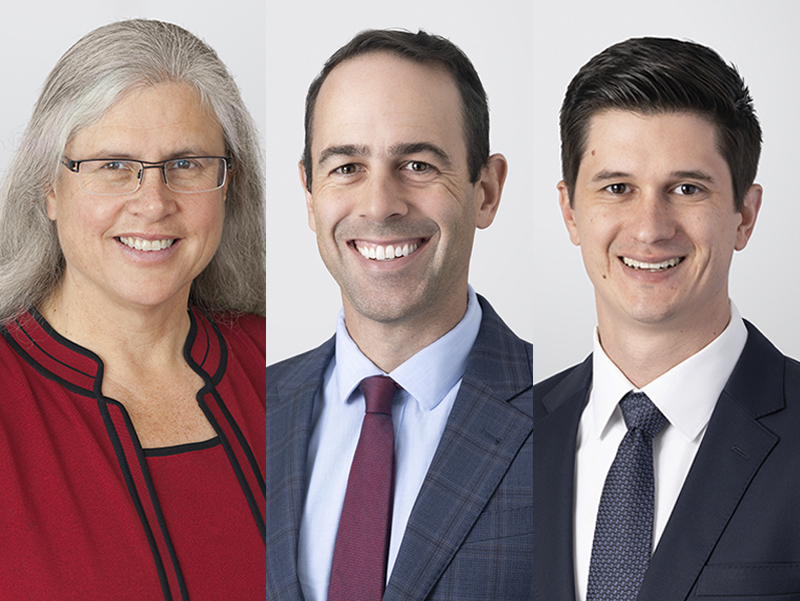
Vanbarton Group’s Joey Chilelli reflects on how setbacks, patience and a productive sense of urgency have shaped his career.
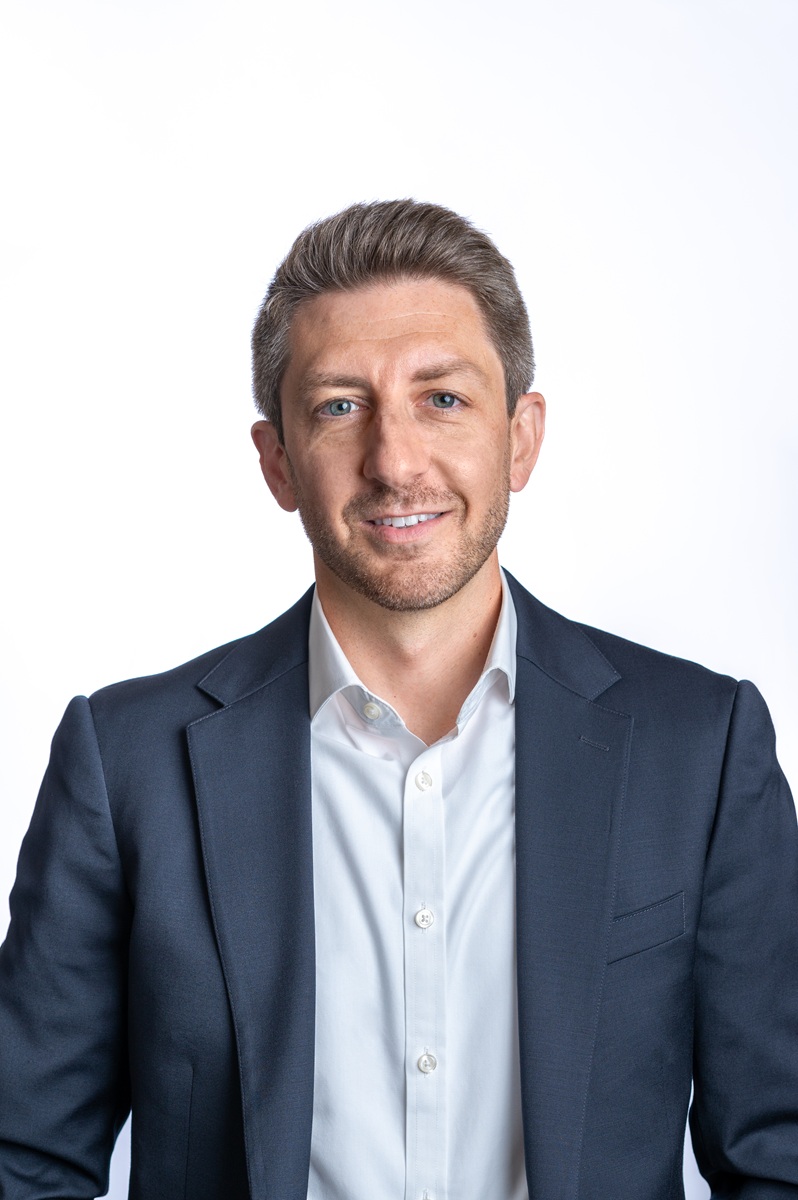
Joey Chilelli entered real estate investment with a grounding in construction, an experience that now forms his work leading Vanbarton Group’s office-to-residential conversion platform. He joined the New York City-based company in 2016 and became a partner earlier this year, after working across acquisitions, asset management and private equity.
Vanbarton has pursued office-to-residential conversions as both platform a lender and a developer since 2011. Its projects include Pearl House in Manhattan, which the team advanced during the pandemic despite widespread uncertainty about the future of urban living.
In this installment of Let’s Get Real, Chilelli reflects on the setbacks and accomplishments that shaped his career, the value of breaking ambitious goals into manageable steps and why both patience and urgency have a place in complex conversion projects.
READ ALSO: What 40 Years in Real Estate Will Teach You
Give us a 60-second version of your professional journey.
Chilelli: I started in the construction management world and I received my undergrad degree in construction management. In a way, I always knew that I wanted to get into commercial real estate investment, but first, I wanted to have the kind of foundational skills and the building blocks to understand how buildings are built and how they operate. So I did that and then I received my MBA in finance.
Then, I received a master’s in real estate development, after which I transitioned more into an acquisition/asset management role for a couple of small private equity shops here, in New York. That led me to Vanbarton in 2016, where I started as an associate.
What drew me to Vanbarton was its breadth of investments on the credit side, office-to-residential conversions, office value-add, multifamily, hospitality… And over the years, we’ve been able to really morph the different strategies with how the cycles have gone within the investment world. We’ve really leaned into this strategy for office-to-residential conversions that the company has been a part of, dating back to 2011 on the credit side.
You’ve spent a decade with Vanbarton, but your career in the industry goes back much further. Was there a deal or decision that you now see as formative?
Chilelli: There have been a lot of different points in time that have been formidable. (One of them) goes back to the Great Financial Crisis, when I was looking to transition into the commercial real estate finance world at that time when I was receiving my MBA, (even though) it wasn’t the best time to do so. That created a longer path, one that wasn’t linear and had some zigs and zags.
That helped me understand the COVID-19 era later, (when) there were headwinds for commercial real estate. I knew that things might zig and zag from time to time and that I had to keep the focus on the overall goals and figure out that strategy of how to get to the other side.
I think that those points in time have been formidable, but it’s very difficult to understand that in that moment, because it feels like a setback. It feels like you’re not able to really proceed and just move forward in that linear way.
Did working through the financial crisis and the pandemic make you more of a big-picture or more of a step-by-step, day-by-day kind of person?
Chilelli: I look at it very much as a piece-by-piece and step-by-step (process), especially when you have a grand goal or something that might seem almost unattainable. I think it’s crucial to know how to break things down, break obstacles down into different pieces, accomplish them one by one, and set yourself, your team and the project up for success.
Speaking of accomplishments, is there one that you’re very proud of? Not necessarily of the outcome, but more of the way you got there.
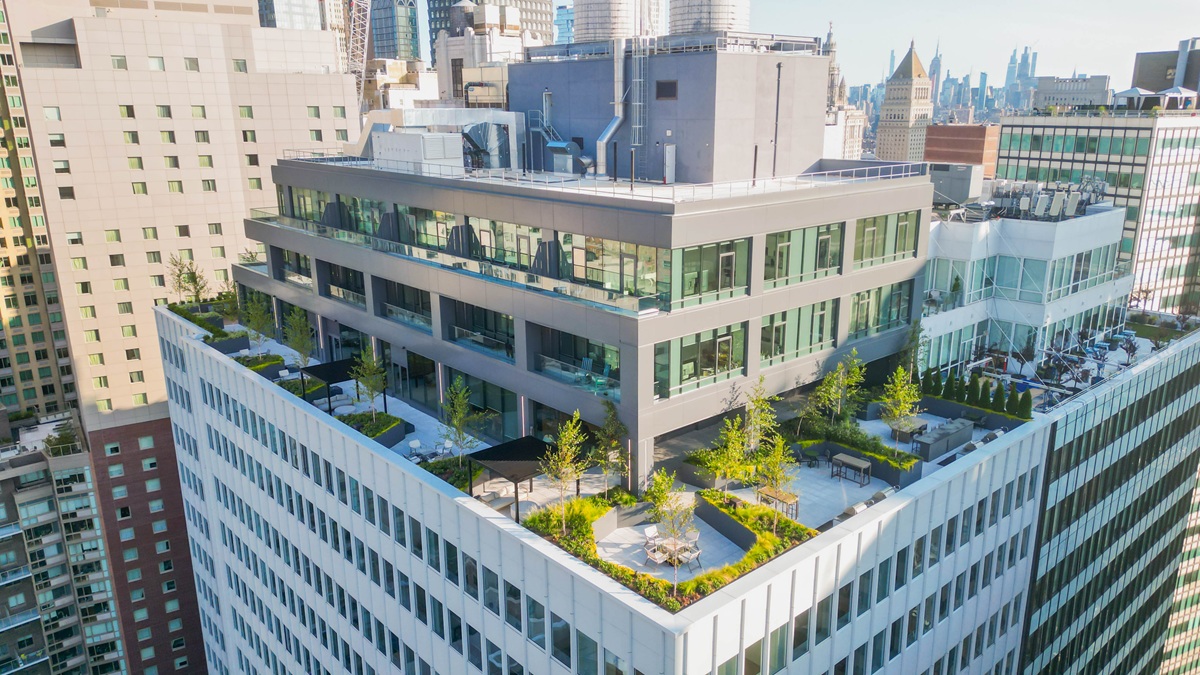
Chilelli: During COVID-19, we were designing an office building to be converted into residential—Pearl House. (I’m proud of) the amount of effort that took from an entire team—not just internally but also externally—to move that vision forward in a time when people were questioning whether they were going to live in cities anymore.
I know it might be easy to forget today, but those were some pretty dark times. (Being) able to have a team come together and execute really changed not only the streetscape, the community, the neighborhood and the way, I believe, the city is in general. (It became) kind of a beacon to show what’s possible for this strategy and show how much impact it can make.
I’m not saying that this one project changed, you know, the feeling citywide, but I think that those were tough circumstances in which we’re able to come out and show what’s possible as an overall success for the community and city. It was all about the incremental growth—day by day, week by week, chipping away and setting out the goals so that we could deliver the apartments that we wanted to deliver.
READ ALSO: The Hidden Risks Behind Office-to-Residential Conversions
Was it more difficult when you were just starting out to not see huge growth overnight?
Chilelli: I’ve never been described as patient. But I do believe that having patience in some moments allows things to develop. Thinking back early in my career, at different points in time where I had to understand that taking care of what might seem like minor tasks develops over time and the project will bear fruit at a future point.
Something that I still struggle with today is patience. But (I know) that, as long as you put the pieces in place brick by brick and continue on, just showing up with that mindset, (the results come) later on.
What are some of the challenges in office-to-residential projects that you see quite regularly?
Chilelli: It isn’t necessarily that straightforward for some people to be able to look at a floorplate and determine how the unit should be configured and what might work best. Some might follow a bit of a mantra, meaning putting in as many units as possible. And they might be deep and narrow and not have that much closet space.
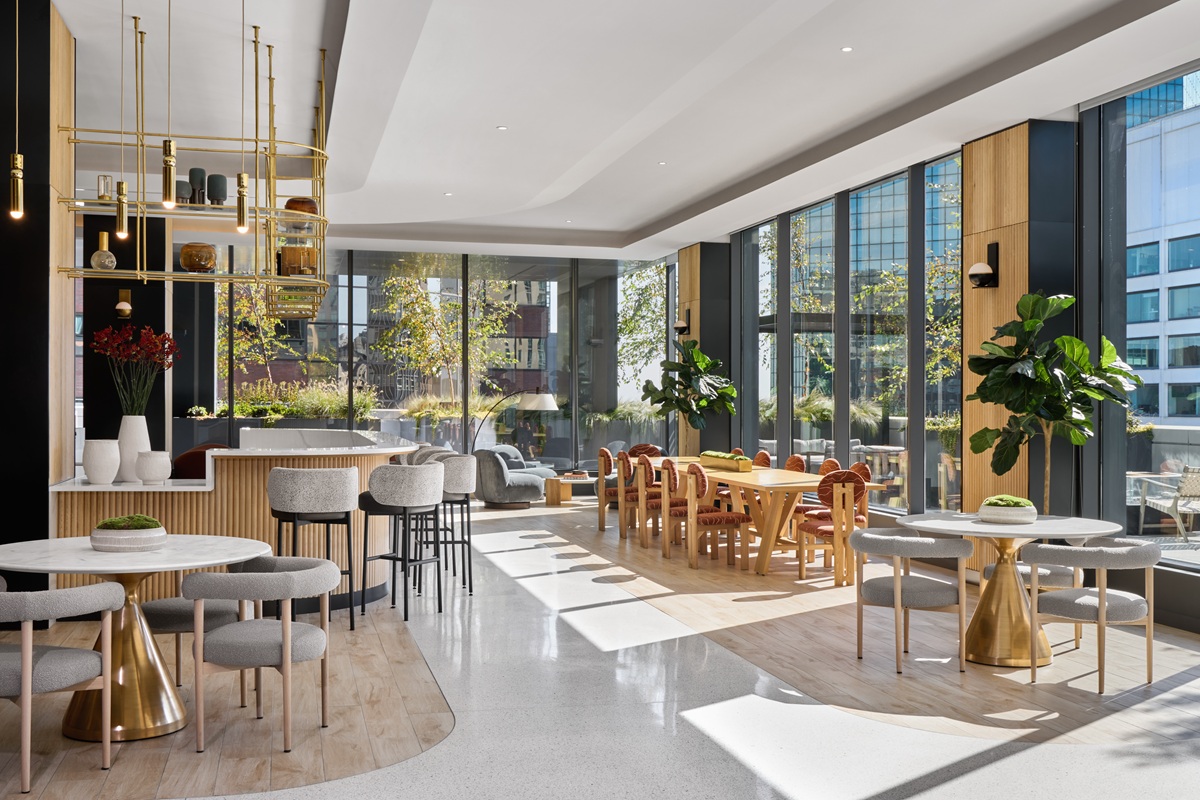
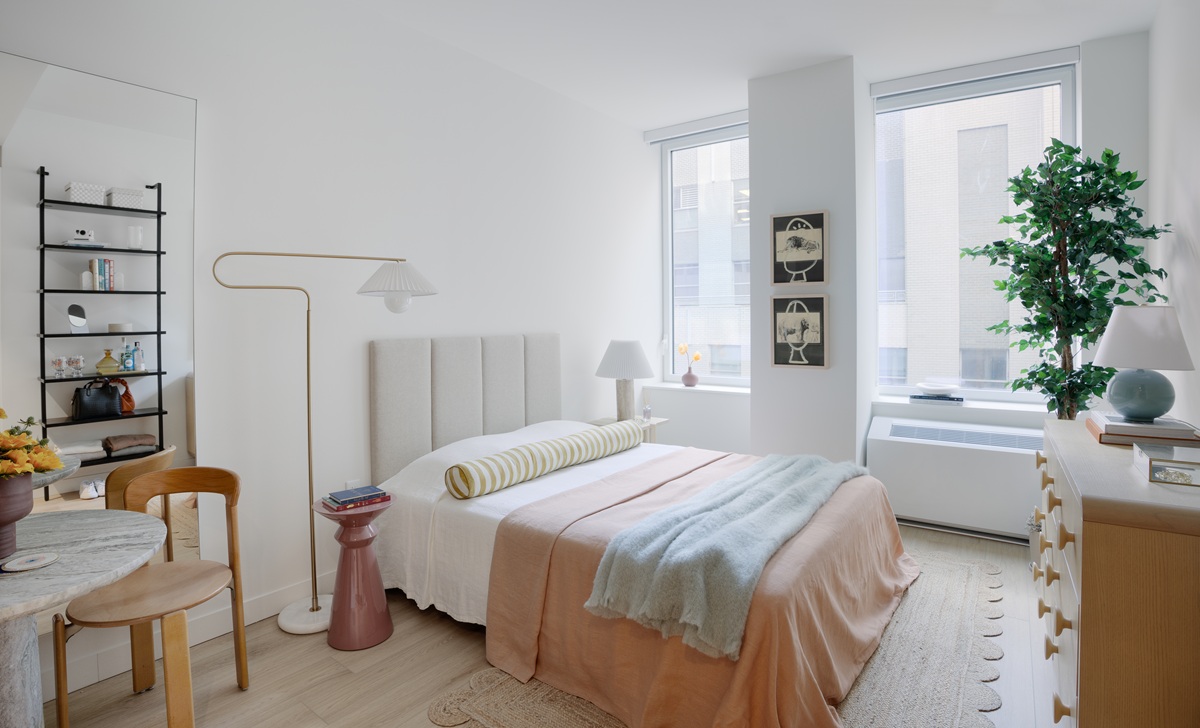
I think one of the biggest challenges that most people face is creating a product that doesn’t appear to be anything but residential when it’s fully done. And what I mean by that is when a potential resident walks up to the building, is their first impression going to be ”Oh wow, this is a great residential building!”, or ”Oh wow, this looks like a former office building”?
We have succeeded if we have the resident walk up and say ”This is a beautiful residential building”. That takes a lot of time and consideration, not only on the kind of material selection for the interior, but also for the exterior and how it’s curated—from the material used for the windows, the landscaping etc. On the inside, it’s everything from the look and feel of the materials, the lighting, the scent, the music, it all comes together to create this kind of hospitality feel. Then it gets into the amenity spaces and their programming, as well as the units themselves.
READ ALSO: Built to Last: Strategies for Designing Resilient Multifamily Units
One of the most time-intensive aspects of conversions are those first three or four months, where we are fine-tuning the layouts, the unit count, the mixture on the floorplate, because we want to make sure that the units are marketable and livable long term. Success is having a very high retention rate. And you get that by creating units that have closet space, for example, not by jamming in as many units as possible …
Does this process of fine-tuning details have to do with the patience that you’ve acquired over the years?
Chilelli: It does, but it also has to do with, in reality, a bit of my impatient behavior, where I set certain goals and create moments in the design process that the patient part would not have been able to uncover …
So I’d like to say that it is about the patience and about being able to continue to hold on to that. But there’s something to be said about inpatient behavior that really invigorates some different thoughts in the process and gets people to have a creative moment to see what else can be done to better the ultimate outcome. I think it’s a combination of those factors.
Now let’s talk about something that didn’t go as planned. Was there a lesson to be learned from these instances?
Chilelli: Yeah, I think even going back to a much younger self, there were setbacks. There were times when I may not have made a certain team in sports, or there were people who had doubt in my grand plans. They’re still with me today and drive me to consistently show up with that kind of chip on the shoulder, looking to continue to prove that I am here to really execute on what I want to do. And that means also bringing other people into the fold now, for our collective goal.
If you could tell something to your younger self, what would it be?
Chilelli: There is something that’s been tried and true and I haven’t seen it fail to date: Show up, be present, be accessible, show passion. You don’t have to be the smartest person in the room. I’ve never said that I’m this super smart person, but I surround myself with very smart people. And I think that if people show up, show genuine interest and have a passion, whether for commercial real estate investment, development or office-to-residential conversions, it’s (about) continuing to chip away until they reach those end goals.
And it starts with being there. Because if you show up to whatever job you’re in or if you’re in school, if you show up every single day and you participate and you’re an active member of the conversation, I truly believe that you set yourself up to be in the right place at the right time… If you’re in it, be in it, right? Participate in the life that you want.