Has Miami’s Rental Market Found Its Sweet Spot? 2 Local Developers Weigh In
Fisher Brothers’ Winston Fisher and Fifield Cos.’ Lindsey Senn on the factors shaping long-term opportunity for multifamily developers.

Miami residents are increasingly turning to rentals. Not only because of elevated mortgage rates and rising home insurance costs that make homeownership less accessible, but because they want greater flexibility, financial stability and homes that better reflect their way of life, according to Winston Fisher, partner at Fisher Brothers.
Recently, the developer debuted Joule House, an eight-story, 308-unit mixed-use property in the dynamic Wynwood neighborhood. Fifield Cos. also started welcoming its first residents to Amara, a 210-unit rental community less than a mile away. With both developments seeing steady demand, Fisher and Lindsey Senn, Fifield’s chief development officer, view this as a defining moment for South Florida multifamily construction.
In this conversation with Multi-Housing News, Fisher and Senn share why 2025 could mark the turning point when multifamily becomes the region’s primary housing solution.
READ ALSO: Where Is the Most New Construction in the US
With mortgage rates elevated, insurance costs rising and affordability under pressure, is this a favorable moment for multifamily development across South Florida?
Fisher: It may sound counterintuitive, but challenging economics for ownership often create opportunity for rental housing. When buying a home means being ‘house rich, cash poor,’ multifamily becomes the practical alternative. Developers who can deliver thoughtfully designed, well-located projects are positioned to capture this demand. For us, the opportunity isn’t just in filling units in building environments where people feel they’re gaining something more: flexibility, lifestyle and connection, without the financial strain of ownership.
Senn: Miami has firmly established itself as one of the most investable and liquid real estate markets in the country, consistently ranking among the top markets in CBRE’s national surveys. The fundamentals are undeniable: Miami-Dade recently placed second in the U.S. for total population growth. In the past decade alone, South Florida’s population has increased by 360,000 residents, and forecasts project another 401,000 residents over the next 10 years. That sustained growth underscores the long-term strength of the market and the continued need for new housing.
At the same time, supply is set to tighten—2026 deliveries are projected to be down 40 percent from peak levels, which only amplifies the need for new development. Even as other Sun Belt markets have experienced rent declines, Miami has continued to post positive rent growth. Taken together, these dynamics make multifamily development in Miami not just timely, but essential to meeting demand in one of the nation’s strongest housing markets.
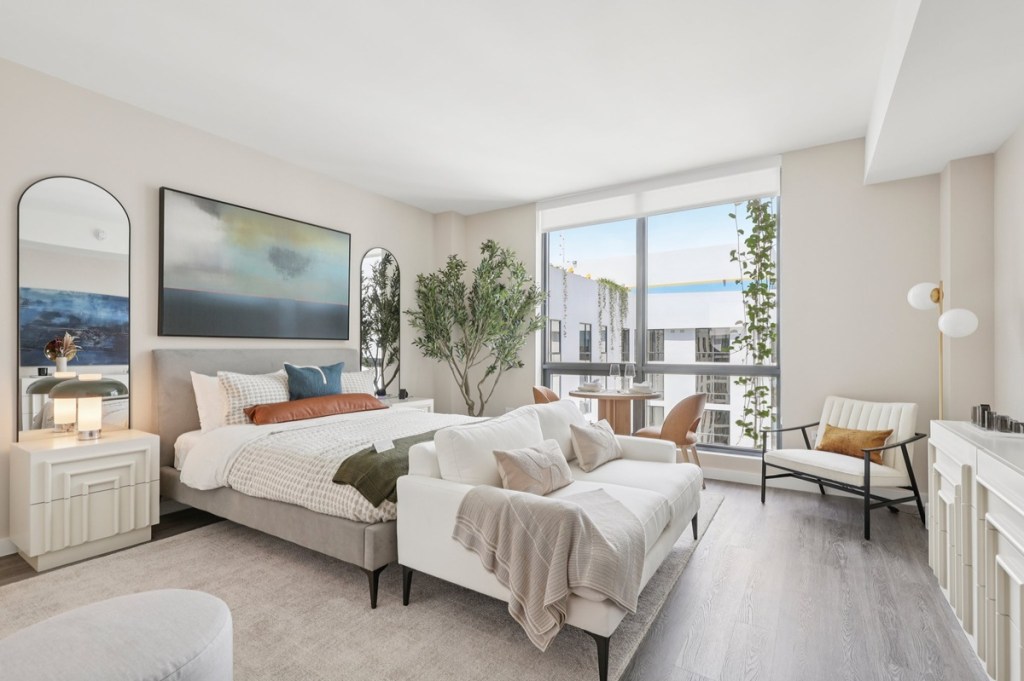
Joule House includes a mix of studios, one- and two-bedroom layouts. All images courtesy of Fisher Brothers 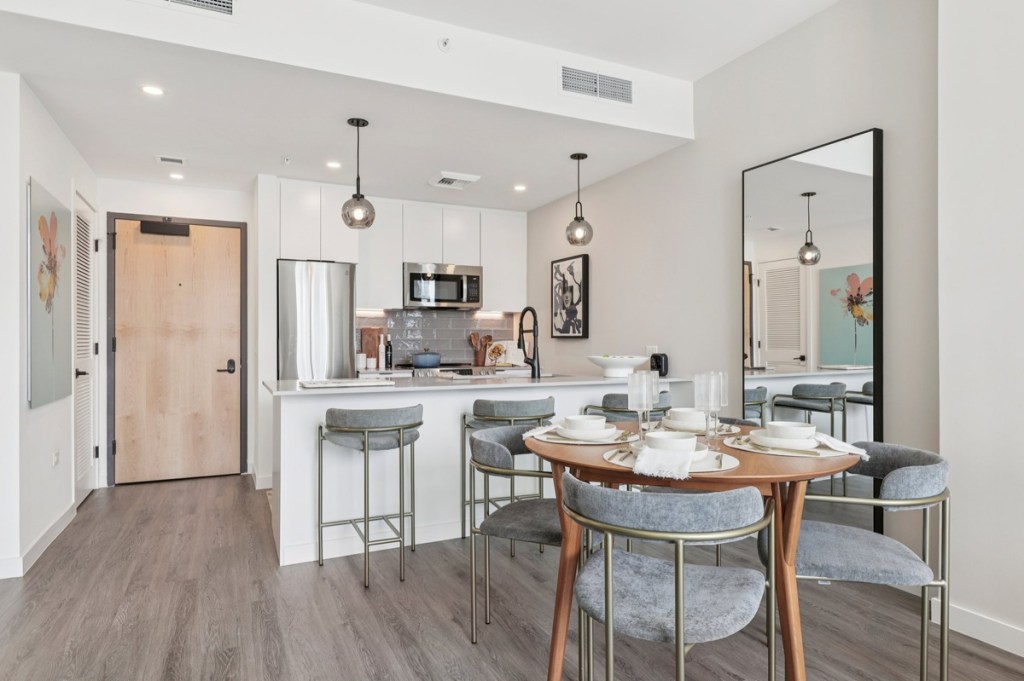
The floor-to-ceiling windows at Joule House create a bright and open ambiance in the apartments. 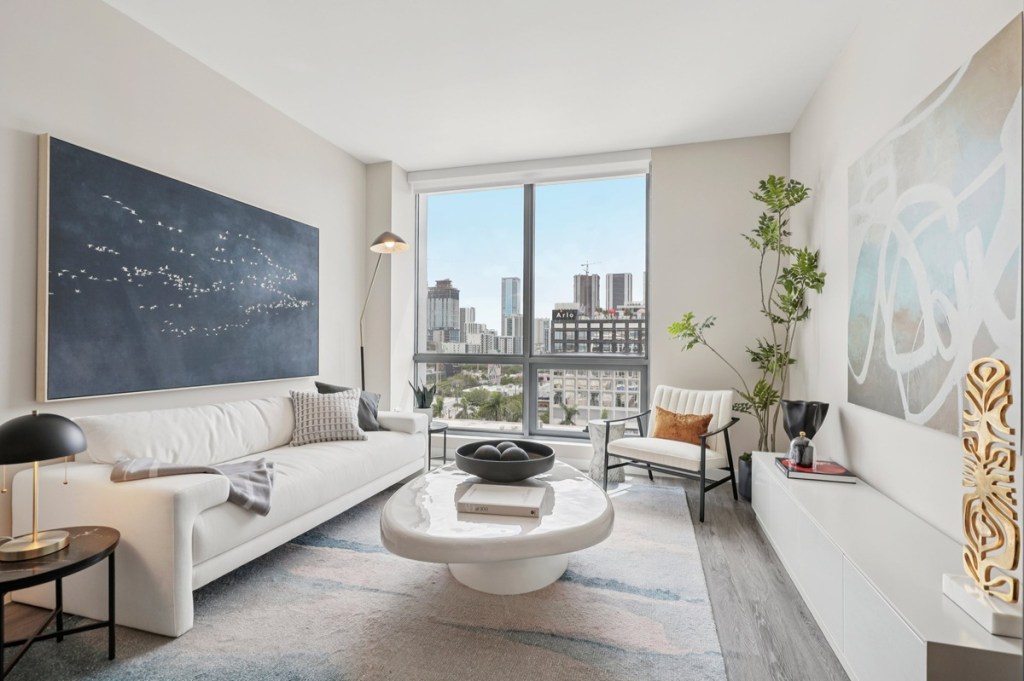
ID & Design International is behind the interiors at Joule House. 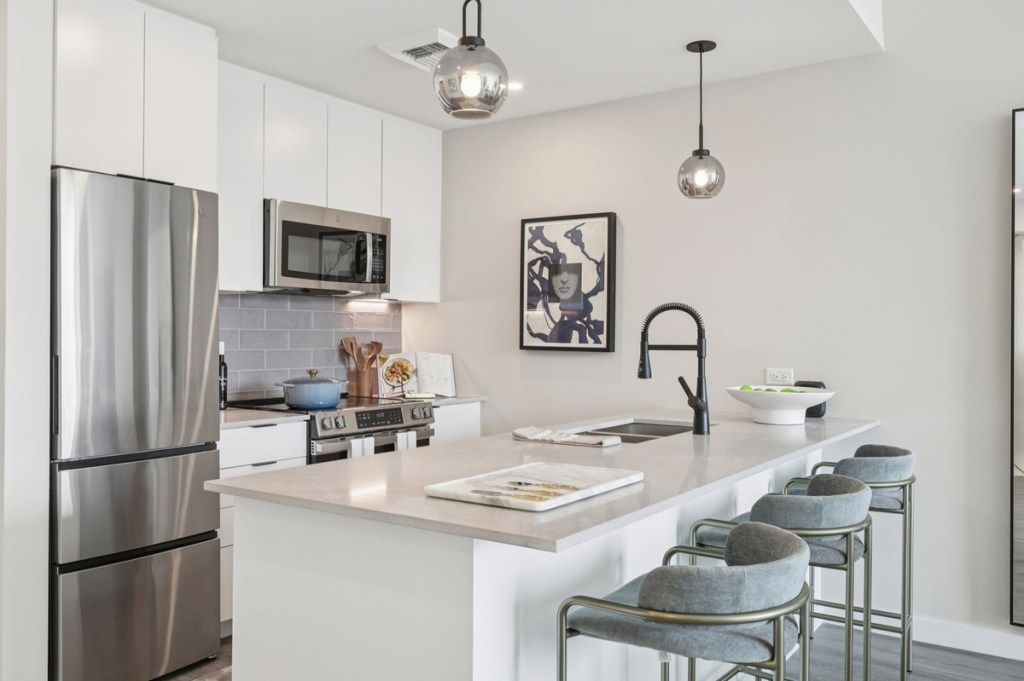
Kitchens include expansive countertops, washers and dryers.
Besides Joule House, your latest rental community in Miami, do you have other plans in the area? Many are talking about a potential market slowdown. Is now really the right moment to break ground on new projects?
Fisher: We view Joule House as a natural extension of our House brand, which has residential assets in New York, Washington, D.C., and Miami, and we’re always looking for more opportunities that align with our vision. Miami in particular stands out as one of the strongest multifamily markets in the country.
While some talk about a slowdown, the fundamentals here tell a different story. High mortgage rates, steep insurance costs and broader affordability challenges are pushing many toward rentals, and Miami has led the nation in multifamily construction this year. For us, this isn’t about chasing a cycle, it’s about meeting clear demand for the right product at the right time. Joule House is already outperforming lease-up expectations, which validates that approach.
READ ALSO: How Foreign Investors Are Driving Miami’s Boom
Isn’t Miami’s current rental momentum just a short-term response to high mortgage rates? Or do you believe it is part of a broader housing shift that could signal the start of a new cycle favoring multifamily in the metro?
Fisher: It’s both a reaction to today’s economic environment and part of a much longer arc. Elevated mortgage rates certainly accelerate the rental trend, but even when rates eventually normalize, Miami’s trajectory is clear. Migration continues to reshape the city, creating persistent demand for high-quality rentals.
At the same time, ownership has become increasingly out of reach for many. That structural gap ensures multifamily will remain a central part of the housing landscape, not just a temporary substitute.
Senn: The U.S. is facing a shortage of more than 4.5 million housing units, which ensures that demand will remain strong for years to come. In Miami, that demand is especially pronounced given the region’s population growth and economic momentum. Today, there are roughly 989,000 renter households in South Florida, but only 386,000 multifamily rentals—one unit for every 2.6 renter households. This is among the highest ratios in the country and highlights both the strength of rental demand and the urgent need for more supply.
Multifamily is uniquely positioned to meet this need. It not only provides an attainable option, but also delivers the amenities, flexibility and lifestyle that today’s renters value most. For that reason, we view the current environment not as a short-term opening, but as part of a longer cycle that firmly favors multifamily in Miami.
How much of the opportunity lies in changing renter psychology—a “generation of convenience”—versus pure affordability pressures?
Senn: Renting by choice has become a defining lifestyle decision for many, and that trend shows no signs of slowing. Roughly a third of today’s renters choose to rent not out of necessity, but because it offers freedom, mobility and access to experiences they wouldn’t get in a single-family home. For this ‘generation of convenience,’ multifamily living means financial flexibility—no down payment, easier relocation—but also walkable neighborhoods, vibrant communities and high-quality amenities that elevate daily life.
At Amara Wynwood, we pay close attention to these evolving priorities. Coming out of COVID-19, coworking spaces became essential and, today, wellness has moved to the forefront, with 82 percent of consumers now considering it a top priority. That’s why we reimagined a golf simulator room into a spa featuring red light therapy, a sauna and cold plunges. It’s about creating places where people want to live, not just where they can afford to live.
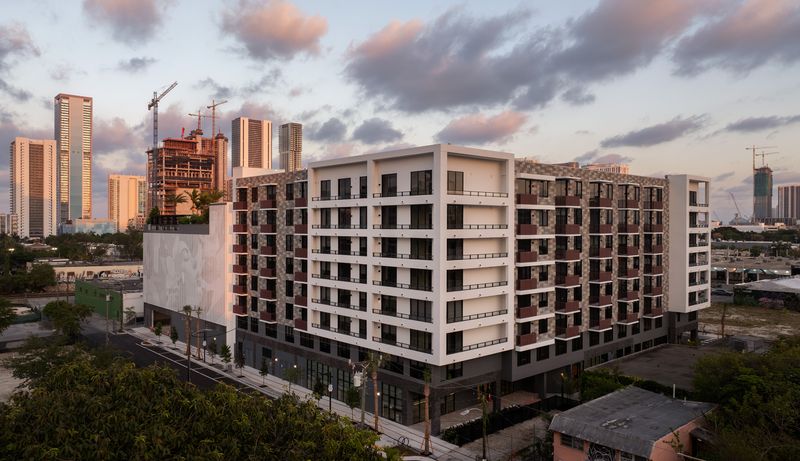
Amara Wynwood is a joint venture between PGIM Real Estate and Fifield Cos., which includes almost 12,000 square feet of ground-floor retail space. All images courtesy of Fifield Cos. 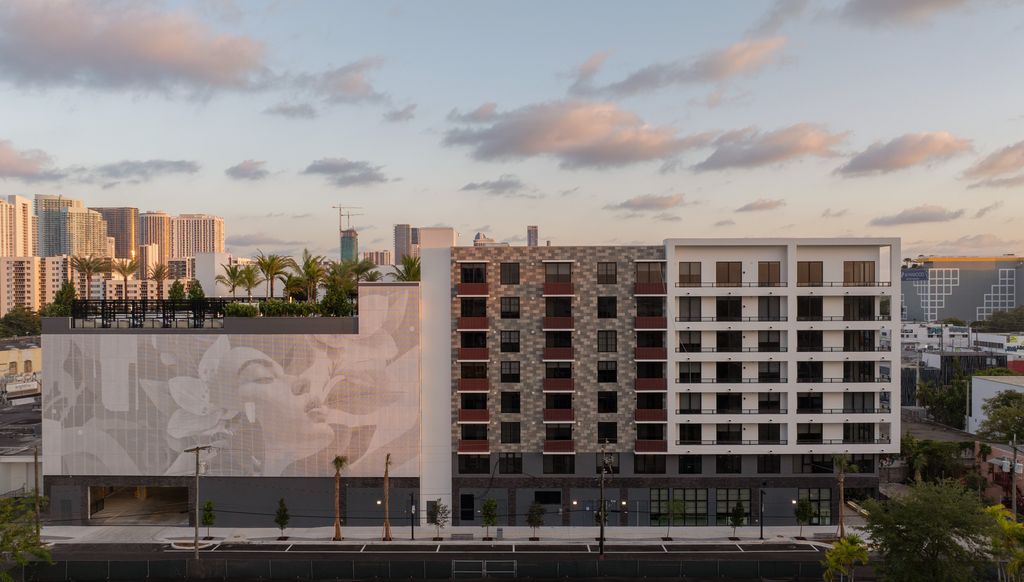
Amara Wynwood features large-scale murals by local artists. 
The community includes a rooftop lounge with pool. 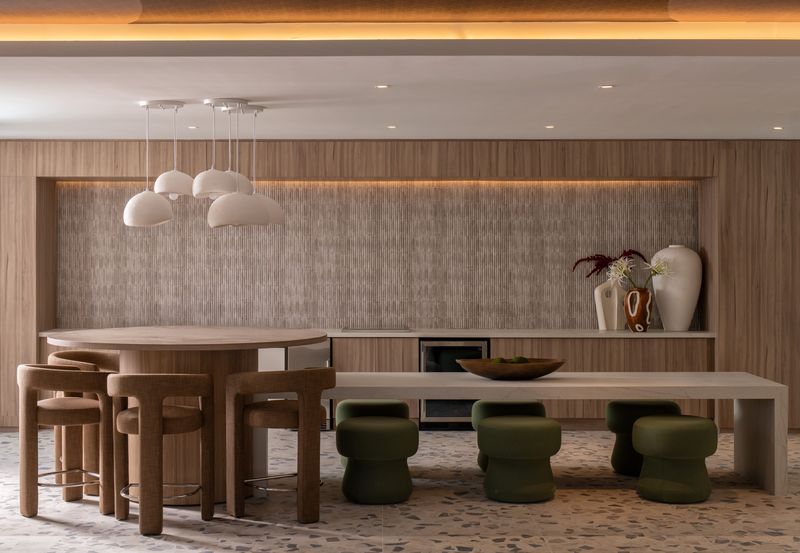
The club room at Amara Wynwood is a space to work and connect. 
Amara has more than 27,000 square feet of indoor and outdoor amenities, including lounge areas, indoor coworking and conference rooms and a wellness suite. 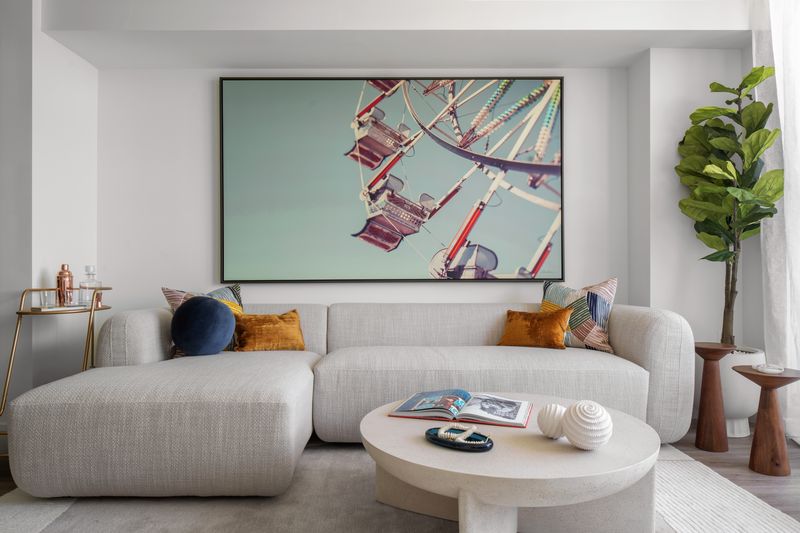
Apartments at Amara Wynwood have ample room for entertaining.
In what ways does resident demand today look different from just a few years ago?
Fisher: The shift we’re seeing is less about luxury for luxury’s sake and more about how people want to live day-to-day. Residents today are looking for flexibility, convenience and curated lifestyle experiences. They want rental homes that feel aspirational, but also practical properties with built-in services, strong amenity programming and a seamless integration with the neighborhood. A few years ago, the rental conversation was largely about affordability. Today, it’s also about choice: residents choosing multifamily because it better aligns with how they want to live, not just because they can’t buy.
Do you think 2025 will be remembered as the inflection point where multifamily rentals overtook ownership as the more attainable housing model in South Florida?
Senn: It may be too early to call 2025 the inflection point, but what is clear is that multifamily has become an increasingly central part of the housing landscape in South Florida. Rising home prices, high interest rates and steep insurance costs have all made ownership more challenging, while multifamily continues to offer flexibility, convenience and amenities that residents value. Whether or not this is remembered as the exact turning point, multifamily is playing a larger role than ever in meeting housing needs — and that trend is unlikely to reverse.
Fisher: There’s a strong case to be made for that. Affordability has reached a tipping point, and for many households, renting is no longer a stopgap—it’s the sustainable option. If we look back at 2025, I think we’ll see it as the year multifamily moved from being viewed as a fallback to being recognized as a primary housing solution for South Florida. Developers like us leaned in at the right moment, and residents responded by embracing a rental lifestyle that provides more freedom and financial balance.