From Pet-Friendly to Pet-Inclusive Housing: Does the Policy Shift Pay Off?
Industry and nonprofit leaders explain how fewer restrictions and waived fees are reshaping the resident experience—and what it means for operators.

Pet policies play an increasingly central role in shaping the renter experience, yet many communities continue to enforce breed, weight or fee restrictions that can limit housing options for pet owners. In North Carolina, for example, 79 percent of rental properties had some form of pet restriction as of mid-2025, according to Michelson Found Animals, a data point that underscores how policy decisions can directly affect accessibility, resident satisfaction and leasing outcomes.
Against that backdrop, some operators are rethinking what it means to accommodate pets. Northwood Ravin, a Charlotte-based multifamily development, construction and property management firm, has taken a more inclusive approach by eliminating breed and weight restrictions across its portfolio. Recently, the firm partnered with the Humane Society of Charlotte to waive one-time pet fees for residents who adopt through the nonprofit.
The collaboration reflects a growing shift toward pet-inclusive policies that align resident preferences with operational goals. To explore how this model works in practice—and what it means for both renters and owners—Multi-Housing News spoke with Caitlin Foster, regional property manager at Northwood Ravin, and Sophie Zapf, philanthropy manager at HSC.
LISTEN TO THE PODCAST: Reviving Multifamily Communities
What prompted Northwood Ravin to move toward a more pet-inclusive policy, and what role does it play in your resident-experience approach?

Foster: Our goal is to create special living experiences that go beyond simply providing a home and amenities. As a part of that, we build meaningful connections within the communities we serve, whether through partnerships with local sports organizations or exclusive deals at nearby businesses.
Expanding that approach to include the Humane Society of Charlotte was a natural fit, reinforcing our commitment to enriching residents’ lives in ways that matter to them.
Additionally, our inclusive pet policy with no breed or weight restrictions heavily influenced our partnership. We believe every pet deserves a home, whether it’s a Pitbull, a Corgi or a Dachshund. By removing these barriers, we’re fostering a welcoming, pet-friendly environment that aligns with our broader strategy of creating communities where residents and their companions truly feel at home.
From an operations and design standpoint, what measures have proven most effective in addressing common pet-related concerns like noise or unit wear?

Foster: We recognize that pets are an important part of our residents’ lives, so we design and operate with that in mind. All of our communities feature various pet-friendly amenities such as dog parks, pet-washing stations or convenient access to green spaces and walking trails, making it easy for people to care for their pets responsibly.
Equally important is fostering a culture of respect. Our residents do an excellent job of maintaining shared spaces, and we reinforce that with clear expectations and responsive service. Our maintenance teams are proactive in keeping pet amenities clean, safe and fully operational, ensuring these spaces remain a benefit rather than a burden.
This combination of thoughtful design and strong community standards has been key to minimizing noise, damage and maintenance concerns.
How do you balance responsible pet ownership with an inclusive, resident-first mindset?
Foster: We build on our community standards by approaching responsible pet ownership with flexibility and safety in mind. If behavioral issues arise, we give grace and work with residents to resolve them, while ensuring the well-being of everyone in the community. Each situation is handled on a case-by-case basis.

Last year, Northwood Ravin partnered with the Humane Society of Charlotte to facilitate pet adoptions for residents. All images courtesy of the Humane Society of Charlotte 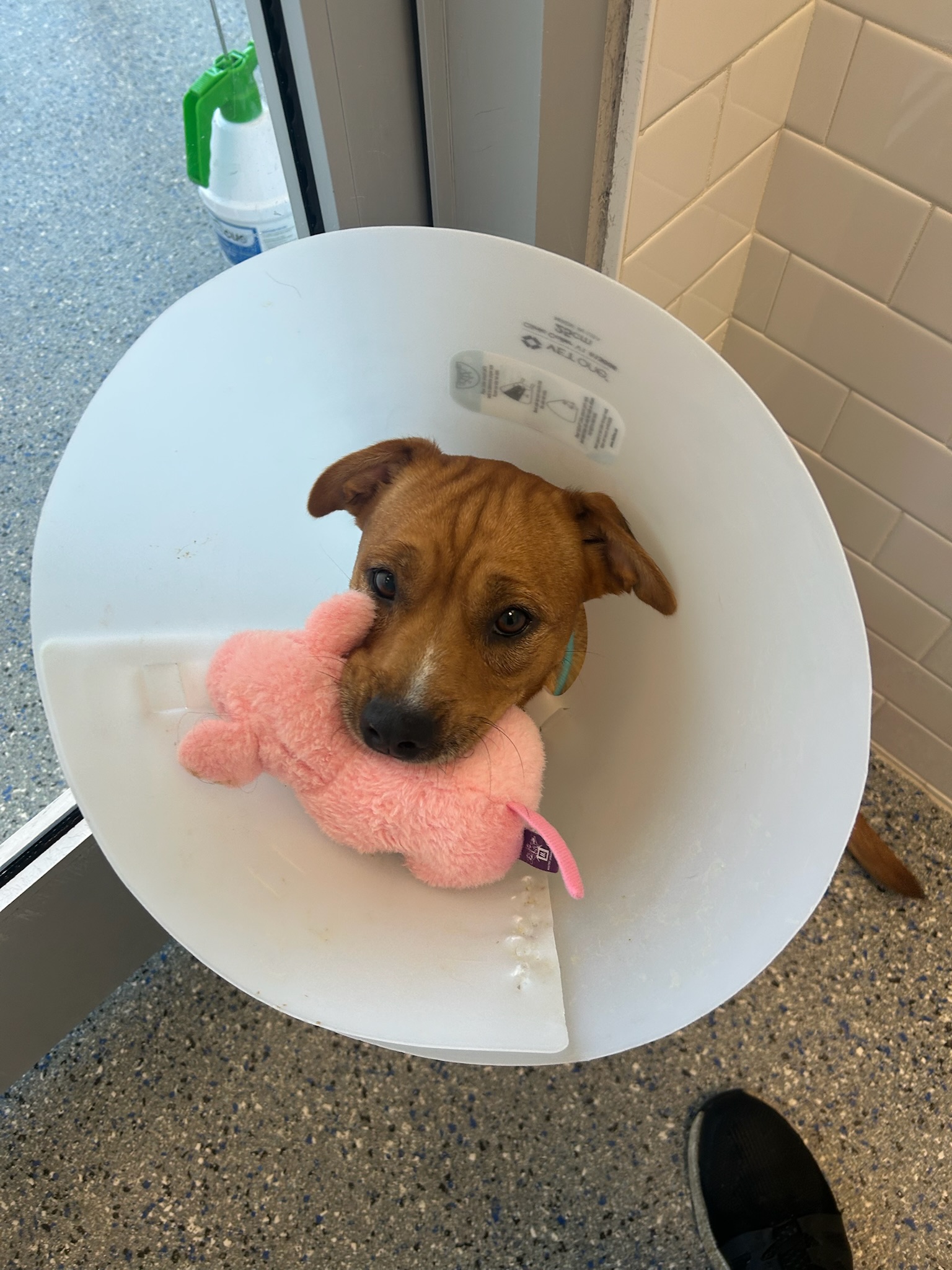
One of the pets adopted through the initiative designed to make housing more accessible for residents with companion animals. 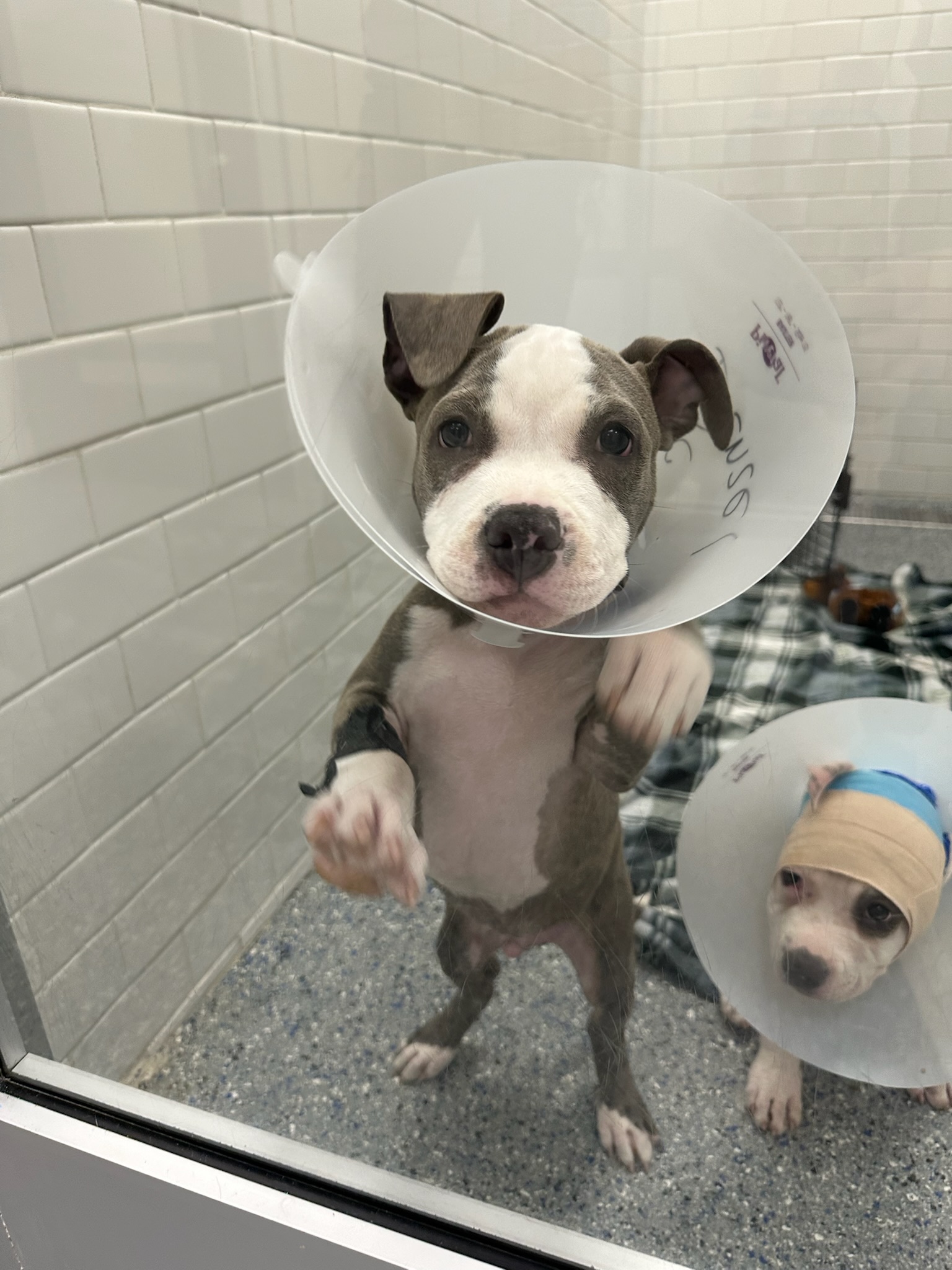
HSC provides services such as the Pet Food Bank and Pet Help Center, helping families keep pets safely at home. 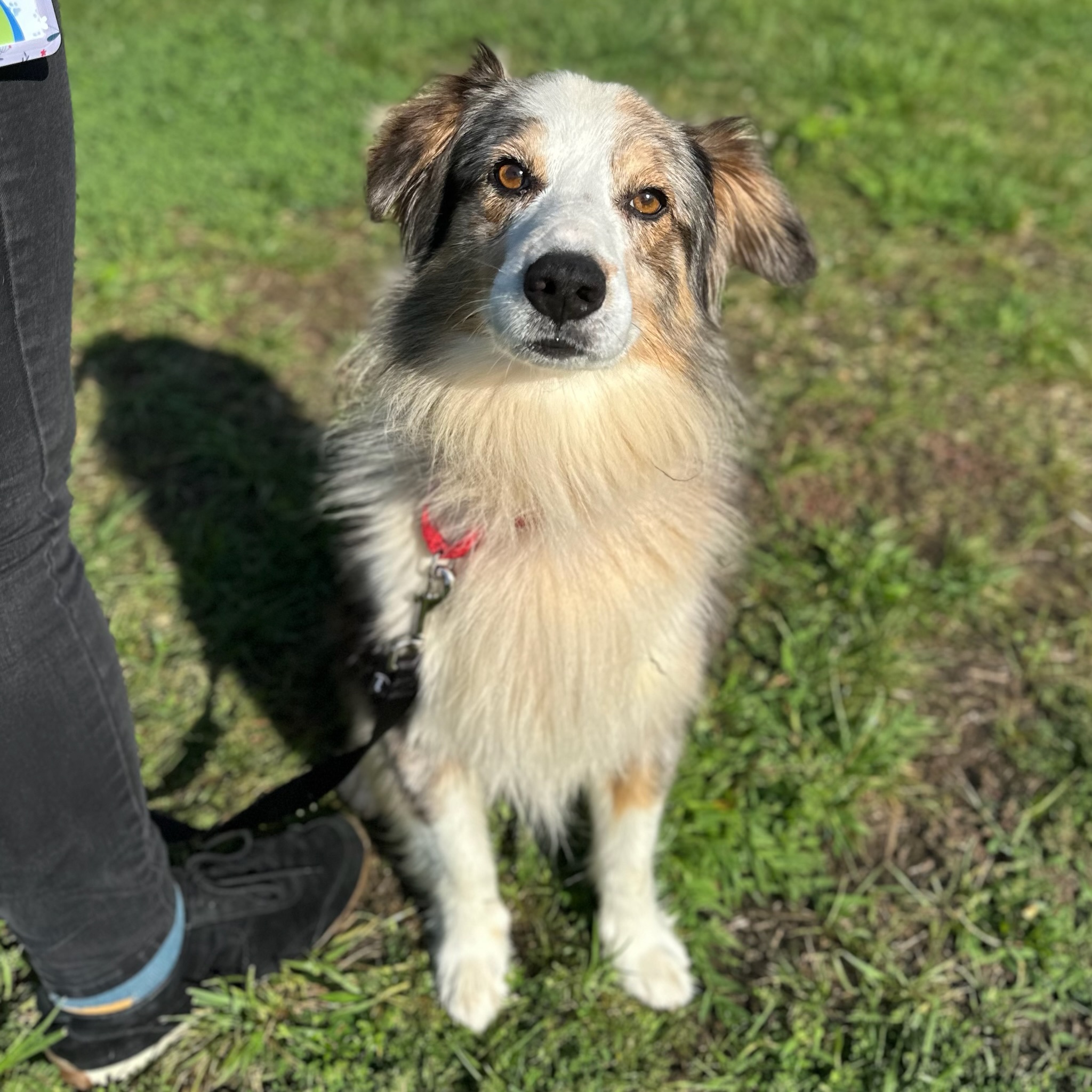
Northwood Ravin’s communities operate with no breed or weight restrictions as part of the company’s inclusive pet-policy model.
Based on your experience, what advice would you give other multifamily owners and operators who are considering shifting from pet-friendly to truly pet-inclusive policies?
Foster: My advice to other multifamily owners and operators is simple: Do it. It will immediately set your communities apart. We have seen many residents struggle to find communities that will accept their pets, and pets are family. Telling a prospective renter they can’t live somewhere because of the breed they love puts you at the bottom of their list. Speaking from experience, the reward far outweighs the risk.
But it’s not just about changing a policy—it’s about shifting a mindset. That starts with how we design and market our communities, placing equal emphasis on pet-inclusive amenities as we do on the essentials for our residents.
How did this partnership with Northwood Ravin begin, and how is it shaping the adoption experience for pets and residents?

Zapf: Our partnership began with a simple meeting and a shared goal: making it easier for pets to find homes and for families to include pets in their lives. Northwood Ravin reached out to explore ways to support pet-inclusive housing in Charlotte.
For HSC, the goal is to always remove barriers to adoption and connect more people with pets ready for loving homes. By working together, we can provide resources to new pet owners and help more animals leave the shelter and thrive in a family setting.
We can also provide resources and information for people who are in crisis or struggling to keep their pet in the home.
What are the biggest housing barriers pet owners encounter, and how does this partnership help address them?
Zapf: Potential pet owners often encounter obstacles like breed restrictions, size limits and extra pet fees. These barriers can prevent or delay adoption, and for current pet owners, sometimes have them face the difficult reality of choosing between housing or surrendering their companion animals.
Nearly half of all pet owners report that their biggest concern over pet ownership is the overall cost of owning a companion animal. Access to pet-friendly housing also maintains a spot in the top 5 obstacles to pet ownership.
By creating pet-friendly partnerships, we open doors for more pets to find homes while giving residents the guidance and support they need to care for their new companions.
READ ALSO: Housing Market Predictions for 2026
How could this collaboration shape adoption outcomes and strengthen community engagement across the Charlotte area?

Zapf: We have a long road ahead with accessible housing and breed/weight restrictions. This initiative will hopefully gain traction and show other housing communities that they should also welcome companion animals of all shapes and sizes. This helps reduce the number of animals in our care, allowing us to focus on pets in urgent need.
This partnership also highlights the work HSC does outside of adoptions, like our Pet Food Bank and Pet Help Center, to make it known to people who want to contribute to our pet food supply or those who need the services.
What would it take for other housing providers to replicate this model, and why are nonprofit partnerships essential to making pet-inclusive housing work?
Zapf: This model can be replicated by other housing providers through partnerships with local shelters, pet-friendly policies and resident support programs. Nonprofits play a critical role by providing expertise, adoptable pets, crisis support services and educational resources. Together, housing providers and nonprofits can create welcoming communities where pets and people both thrive.