How to Enhance Your Curb Appeal
Landscaping design ideas that attract and retain residents.

Curb appeal is an essential element of multifamily success. More than ever, today’s leading apartment developers are relying on landscape design to expand that appeal beyond the front entrance. Their mission is to capture a market increasingly looking for connections to the natural world.
Landscape architects are meeting the challenge with sophisticated solutions that can transform even the most stark development sites into competitive lifestyle destinations.
“Your curb appeal is the first impression and the first marketing touch point that someone is going to experience when they drive past or approach the building, especially at urban infill assets,” observed Shane Robinson, senior vice president of asset management with CityView.
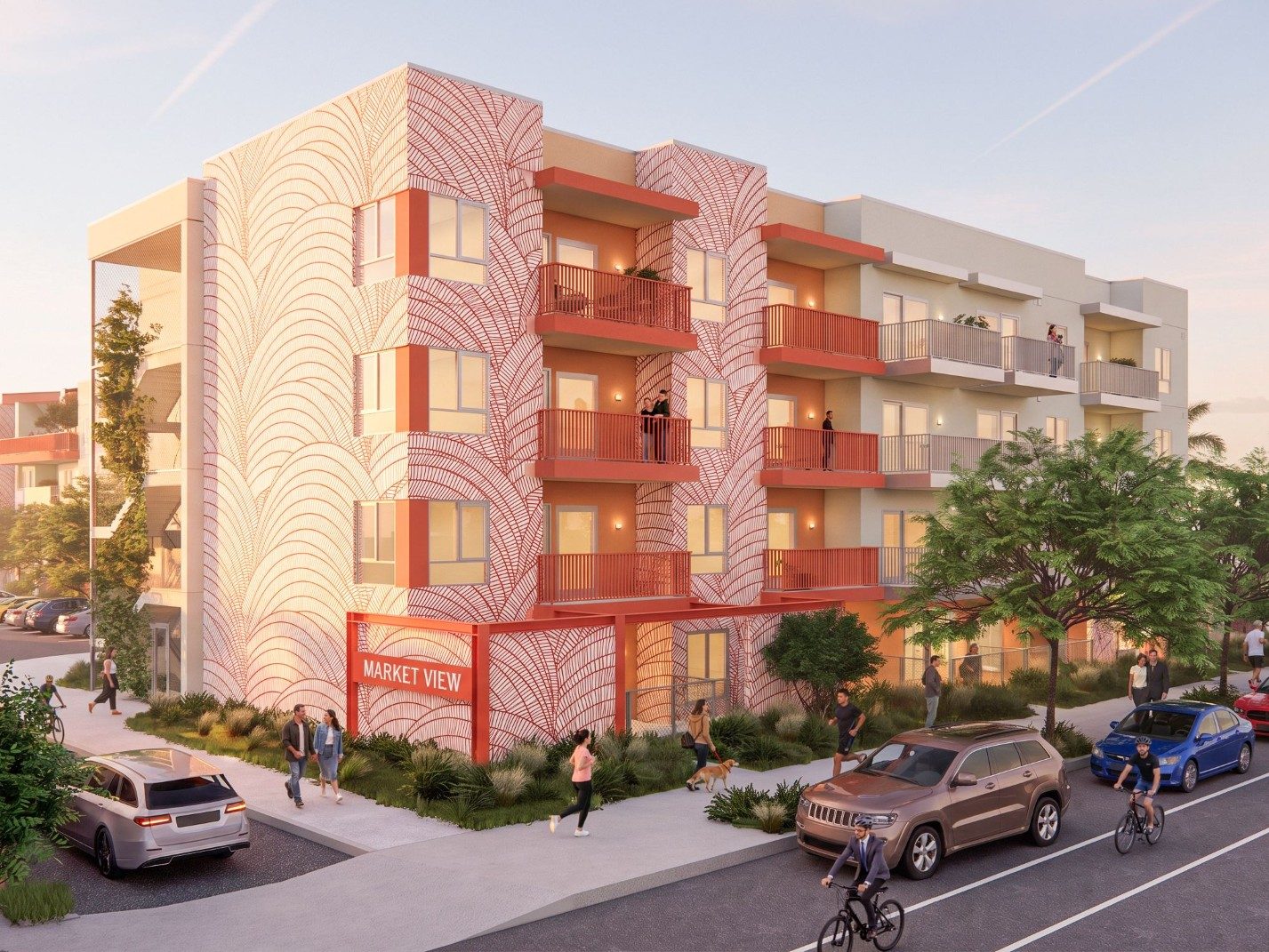
An important goal for the firm is bringing greenery and life to the outside of the building so it can green the neighborhood. CityView’s landscaping typically lines the whole perimeter of a project, with an emphasis on the main entrance. The team sources foliage and colorful elements that catch the eye and also complement the building’s architecture.
“A lot of the landscaping that you’ll see, whether it’s through water features or plantings, is intended to create an escape from the urban environment, so residents can feel like they’re on vacation,” Robinson detailed.
Some CityView communities invite resident engagement through a community garden. One property in Los Angeles, for example, has an outdoor barbecue and pizza oven with a nearby herb garden so residents can grab fresh basil for their pizza.
CityView’s outdoor consultants and landscape architects usually opt for native plant species. Water conservation and low maintenance are also priorities. “We try to be local and source the plants that will thrive with long-term maintenance,” shared Robinson. “We have also supplemented natural plants with synthetic materials in areas that may not get sunlight or in internal courtyards or lobbies that don’t get a lot of natural light.”

Brand identity with a green twist
An emphasis on natural elements across an apartment community can be part of its brand. Not to mention that studies suggest residents tend to stay at a community longer when there’s outdoor greenery.
Brand identity and landscape architecture go hand in hand at Jackson Park, a 1,871-unit community at the intersection of Jackson Avenue and Queens Boulevard in Long Island City, N.Y. Developed by Tishman Speyer, Jackson Park comprises three residential towers with amenities that include a 1.6-acre park that sits on top of a subterranean garage and utility space.
“The name of the project—Jackson Park—speaks to our role and intervention,” shared Hank White, founding principal of landscape architecture firm HMWhite. “The easternmost tower abuts the elevated subway trestle and the southern edge overlooks the Long Island Railroad corridor, which is a big hole in the middle of Queens.”
Your curb appeal is the first impression and the first marketing touch point that someone is going to experience when they drive PAST or approach the building.
—Shane Robinson, Senior Vice President of Asset Management, CityView
The rooftop portion of the site has been blended seamlessly into the park thanks to advanced living roof/green roof technologies and drainage systems. The individuality of the place very much revolves around the flat open lawn, which is one of the primary identities and the social heart of the community. Beyond the lawn, HMWhite has populated the park with regional plant communities like those seen in the Hudson River Valley and a bit of the East River ecosystem, as well.
“Large-scale planting systems, woodlands, groves and a variety of underplanting selections stitch different amenity areas together into a cohesive spatial experience,” said White. “Using large-scale plant material such as trees and conifers and things that get big, if you will, is an important design strategy that introduces a human scale and manipulates the occupant to keep their focus on the ground- or eye-level.”

Landscaping is storytelling
Since landscaping is a big part of the first impression that prospects form when they tour a community, marketing and leasing teams often use it to tell a story.

KW Landscape Architects Director of Design Cynthia Dehlavi believes that exterior spaces are a great opportunity for developers to distinguish their communities from other properties that are close by.
“Landscape architecture enables that grand gesture where (the prospect) walks through the leasing tour and then sees this beautiful pool—and over there’s the fitness center,” she said.
When the KW landscape architecture team incorporates bioswales, rain gardens or storm water planters, prospects and residents see sustainability in action every time they walk by. “Whenever we’re able to preserve trees on-site, those trees find their way into the marketing story as imagery on websites and logos and marketing materials,” said Travis Triola, director of urban lifestyle with KW Landscape Architects.
Landscaping at apartment communities is becoming much more native and a little bit wilder. “Our goal is always to have very resilient planting that isn’t going to be an operational nightmare for the owner of the property,” said Triola. “The beauty of a looser palette is that if one thing dies, the whole plant bed doesn’t look bad. It can continue to have that lush greenery.”
In Texas, where KW is based, the company has been focusing a lot on shade because of the hot weather throughout the year. “We create environments that have dappled light from a lush tree canopy and can cool space and feel really good for the users,” he added.
Also, landscape architecture supports the idea that “home should be a restorative place to decompress from the stress of the world,” noted Dehlavi.

Gardening to unwind at home
Over the past few years, an increasing number of residents have relied on gardening to reduce stress and improve their physical health and psychological well-being. Affordable and mixed-income housing developer Jonathan Rose Cos. has incorporated gardens at many of its properties, including at NC Five in Philadelphia.
“We view community gardening as a way of generating social cohesion, as well as encouraging more ecological awareness,” said Dawn Mottram, managing director of strategic initiatives at Jonathan Rose Cos. “Community gardens can provide educational opportunities for children in our properties, showing them where food comes from and why fresh, chemical-free food is important.”
At Sendero Verde in Harlem, N.Y.—the largest affordable Passive House development in the world—planters in the courtyard space are being cared for by the children at Harlem Children’s Zone school as part of their curriculum. The redevelopment of the Sendero Verde site also relocated three Greenthumb Community Garden areas on the Sendero Verde block, which gives residents the opportunity to join a vibrant community garden group on their doorstep.
We view community gardening as a way of generating social cohesion, as well as encouraging more ecological awareness.
—Dawn Mottram, Managing Director of Strategic Initiatives, Jonathan Rose Cos.
At all Jonathan Rose communities, landscape designs feature greenery that attracts natural pollinators to provide benefits for multiple species of animals, insects and plants. The team sources native and drought-resistant plants. They use storm water management practices and water-use reduction strategies, such as rain-water harvesting.
“We also make use of our rooftops to create tranquil green spaces for residents wherever possible,” said Mottram. Increased vegetation, particularly on rooftops, helps to reduce the urban heat island effect and temperatures overall. Other benefits include lowered building operational costs, higher carbon fixation and improved health and quality of life for the surrounding population. It’s a business model that’s catching on.