Fed Raises Interest Rates Amid Inflation Fears
Even though the economy remains relatively resilient, inflation is proving a tough nut to crack.
The Federal Open Market Committee elected to raise interest rates by 25 basis points at its September meeting on Wednesday, the first hike since July 2023. The current federal funds rate sits at 3.75 to 4 percent.
The widely anticipated move takes place against the backdrop of an elevated Personal Consumption Expenditures index, which clocked at 3.6 percent in August, a number that’s well above the Fed’s 2 percent goal.
The primary causes for both inflation and the subsequent rate hike cited by the Fed include energy prices and supplies resulting from the ongoing geopolitical tensions in the Middle East. As of Sept. 16, the price of oil is at approximately $97 percent per barrel, a 13 percent increase over the last month.
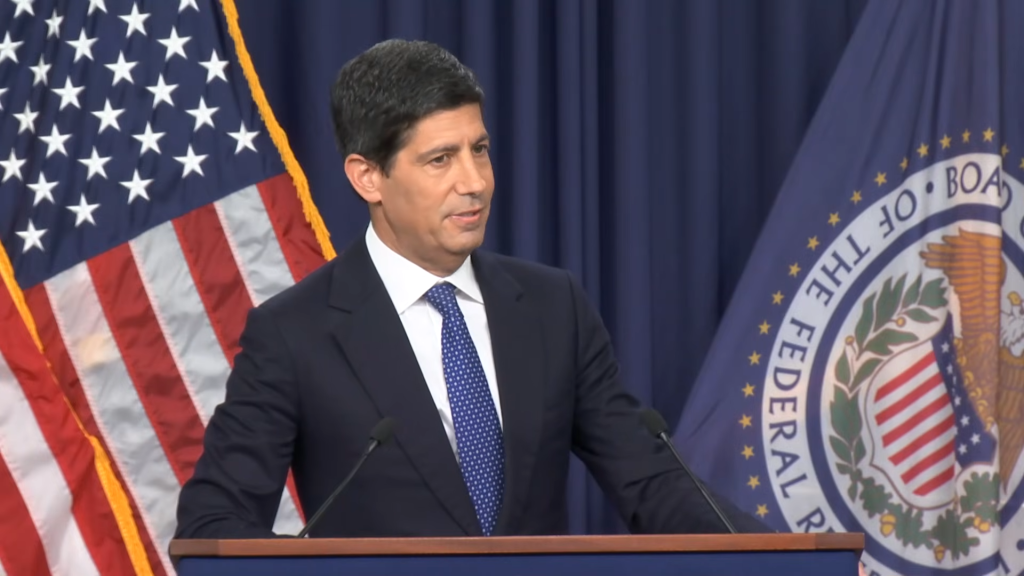
In a statement at the press conference following the decision, Federal Reserve Chairman Kevin Warsh acknowledged these headwinds, saying that “the plain fact is that inflation is too high, and has been for too long,” and that the summer’s readings “do not tell me that underlying trends have meaningfully improved.”
Today’s decision was unanimous, with all 12 FOMC members voting in favor of a hike.
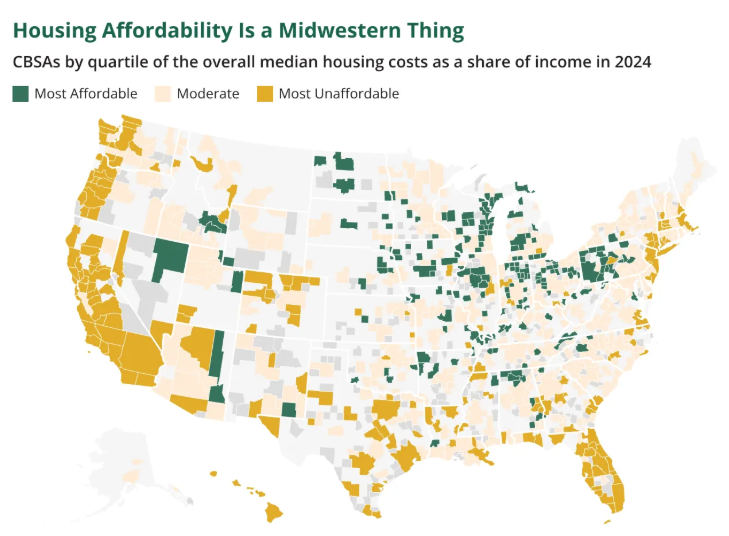
READ ALSO: The American Housing Market Isn’t Frozen. It’s Fracturing.
The sentiments echoed Warsh’s comments at last month’s Economic Policy Symposium in Jackson Hole, Wyo. In an Aug. 28 speech, he remarked that while the pace of economic growth, labor market and consumer spending have all been strong, inflation remains far from stable.
What happens now?
It’s likely that the Fed isn’t yet done cutting rates, either. Most respondents to CNBC’s latest Fed survey forecast two or more rate hikes through July 2027, while reports from Goldman Sachs and JPMorgan paint a similar picture.
Other experts note that while the situation is far from ideal, broader financial conditions remain relatively stable. “Corporate profits are strong, credit is readily available, and equity markets have been resilient,” said Kurt Funderburg, chief investment officer at Byline Bank in Chicago. “In effect, markets have been adding accommodation even as the Fed tries to remove it. If inflation proves stubborn, that dynamic is a large part of the reason.”
Still, the current policy environment is likely to bring little reprieve for multifamily investors. “Acquisition deals that barely worked at yesterday’s rates may not work tomorrow,” said Seamus Nally, CEO of TurboTenant, an online multifamily finance management platform. “That usually means fewer new doors coming online from small investors, and more pressure to protect cash flow on what you already own.”