Built to Last: Lafayette’s Long-Term Bet on SFR
CEO Thibault Adrien discusses housing shortages, Sun Belt supply trends, investment opportunities and more.

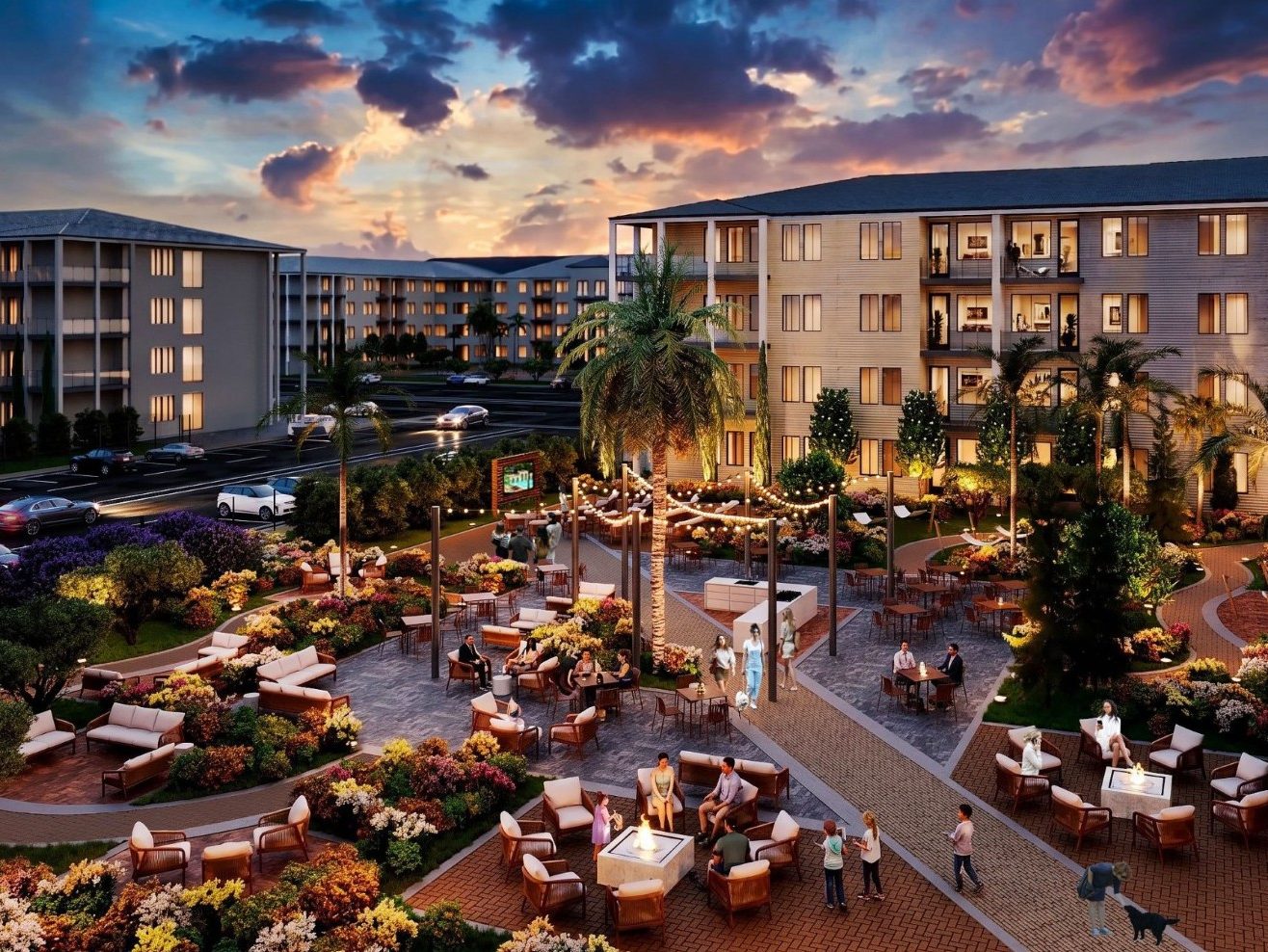
As the single-family rental and build-to-rent sectors continue to adjust to higher costs and softer rental yields, Lafayette is leaning into a long-term strategy, broadening its role as a developer. With a portfolio of more than 5,000 SFR and BTR homes, the firm is targeting high-growth markets that have the fundamentals to support durable occupancy and rent growth.
In this interview with Multi-Housing News, Founder & CEO Thibault Adrien outlines his company’s development strategy and its approach to the Sun Belt market reset, while also touching on where he sees opportunity in the current cycle.
What are the key forces shaping the SFR market in the U.S. today?
Adrien: At a national level, there is a significant housing shortage—Freddie Mac, Zillow and Realtor.com all estimate the shortage to be 4 to 5 million homes. Internally, we’re more conservative and think the number is in the 1 to 3 million range, but it’s meaningful regardless.
Sun Belt markets continue to have the strongest demand drivers, with job growth and population growth fueled primarily by in-migration from more expensive coastal cities to more affordable southeastern markets. In-migration trends to the Sun Belt have normalized from their peaks, but that remains the national trend.
These markets have also been victims of their own success. During the post-COVID-19 low-rate environment, there was a surge in new development, especially multifamily. As a result, the market is currently working through excess inventory, leading to some short-term softness in some of Sun Belt’s former star markets.
READ ALSO: SFR Market Forecast
Affordability is another major trend. Home prices and mortgage rates are both elevated, making homeownership increasingly expensive. At the same time, lifestyles are evolving: People change jobs more frequently, get married later and have access to alternative investment opportunities. As a result, people are buying homes later in life. In our markets, it can be 50 percent more expensive to own than to rent. Renting allows households to access better neighborhoods, stronger school districts and an overall higher quality of life for the same monthly budget.
Many Millennials either cannot afford or choose not to buy yet. Historically, rental housing has not been designed for young families: The stock is largely apartments—studios, one-bedrooms and two-bedrooms. But for renter households seeking more space, a backyard, a garage and a single-family lifestyle, SFR fills that gap.
Who’s fueling the SFR demand? Why are they renting instead of buying?
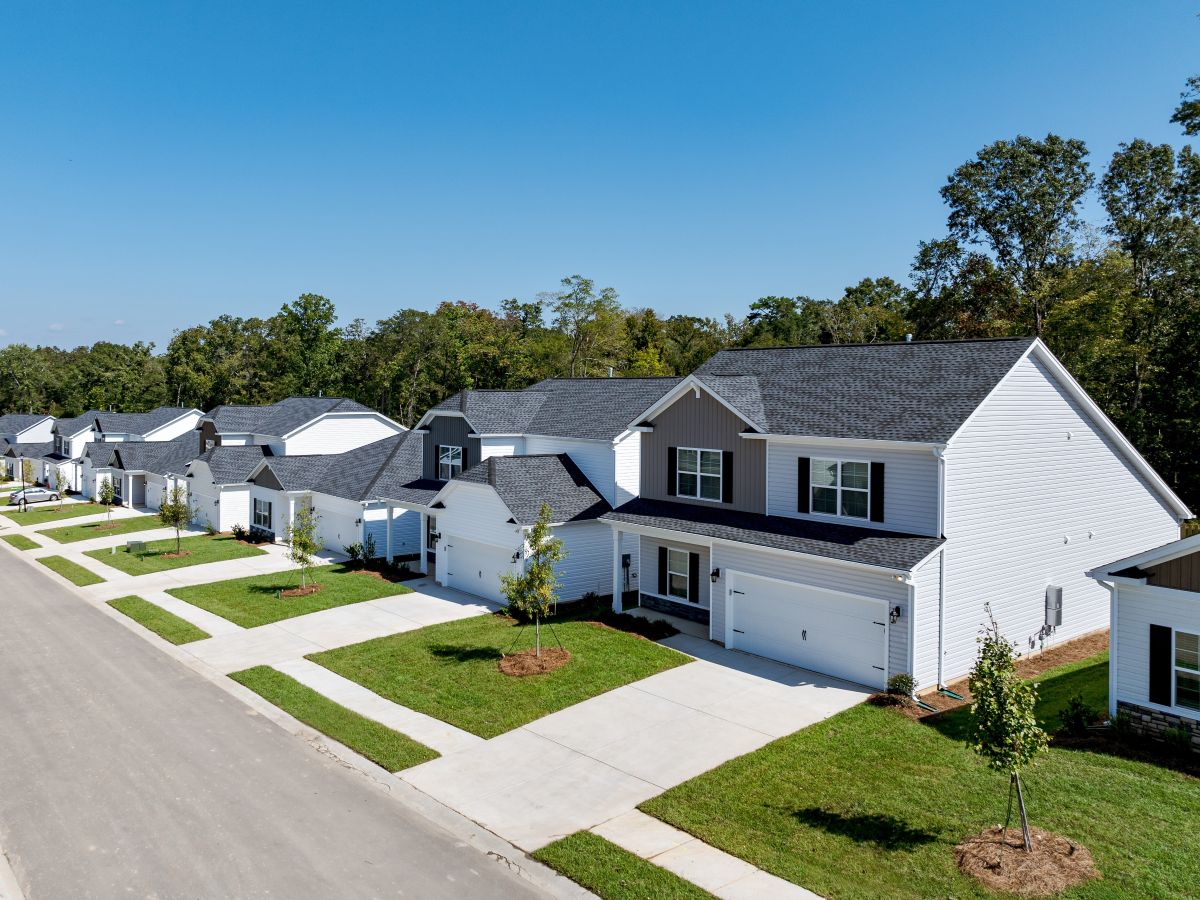
Adrien: Industry surveys point to the fact that roughly one-third of SFR renters choose to rent regardless of price. They value flexibility, convenience and not having to deal with maintenance.
The remaining two-thirds are on the path to homeownership. They want the single-family lifestyle but are still saving or preparing to buy. We support that journey, for example, by reporting rent payments to credit bureaus to help residents build credit. When we sell homes individually, we start by offering our residents the option to buy if they want to.
Importantly, the U.S. homeownership rate—65 percent—is in line with long-term averages. The spike to 69 percent in the mid-2000s, driven by loose lending standards, ultimately led to one of the most devastating housing and economic crises in history. As far back as one looks, roughly one-third of America has rented. It’s a very meaningful portion of the population. The country needs a healthy supply of rental options. We can’t just neglect the renter base.
Having institutions provide quality housing with a high level of resident services is a big improvement relative to inconsistent and not as well-equipped mom and pop landlords.
Until recently, the Sun Belt has led inventory growth, but it’s now seeing a pullback in new construction. How do you interpret that shift?
Adrien: The pullback is a direct response to excess inventory. These markets saw significant delivery volumes and are now absorbing supply. This is a positive sign as it reflects a disciplined and functioning market adjusting naturally. Today, 40 percent of new single-family construction is driven by publicly listed builders. These firms are sophisticated, have access to large amounts of data and are accountable to shareholders. As a result, they slow production when needed. This is no longer a ‘wild west’ environment—it’s a mature, disciplined industry. A pullback in response to oversupply is exactly what you want to see.
READ ALSO: Why Would-Be Homebuyers Are Choosing to Rent Instead
What challenges are SFR investors and developers currently facing? How are you addressing them?
Adrien: The biggest challenge is that acquiring existing homes has been too expensive for investors. We underwrite to target cap rates, but we compete with retail buyers who are not yield-driven. As a result, homeowners are willing to pay more than we are, making acquisitions tougher for us.
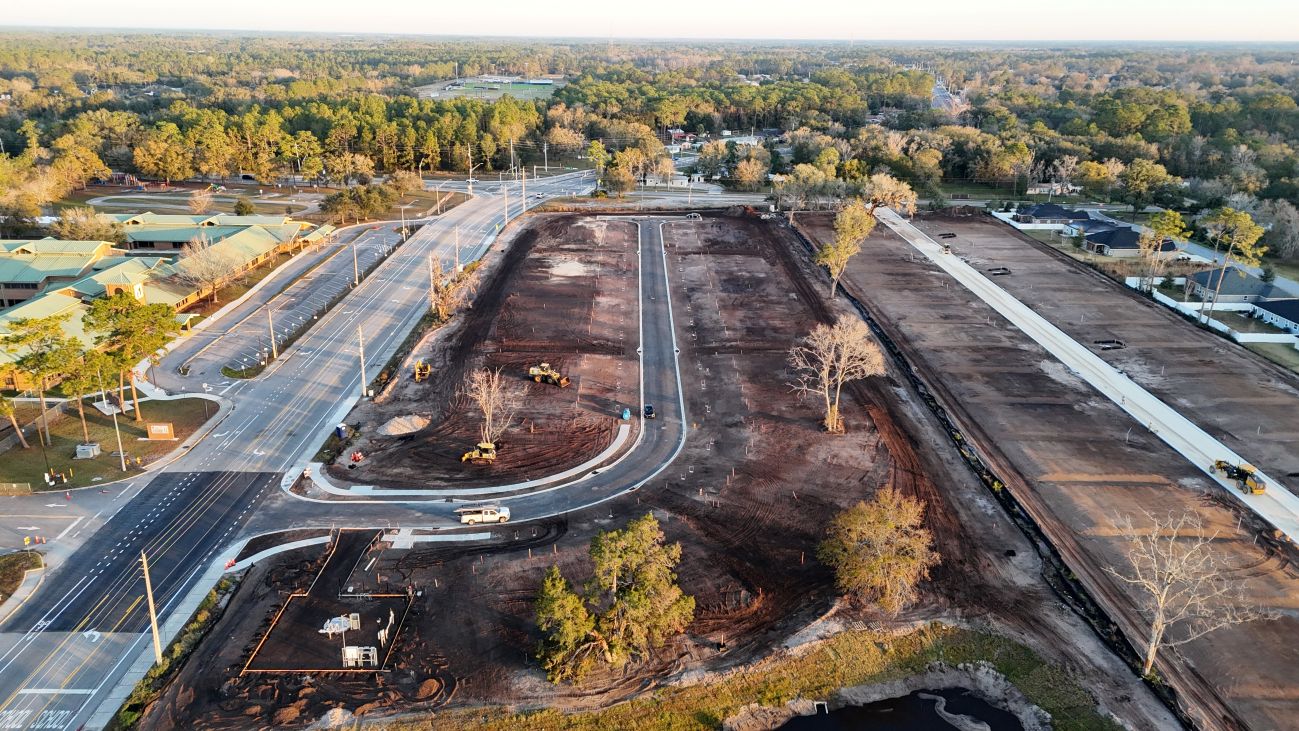
Our response is to build new inventory. By acquiring land, entitling it, installing infrastructure and then constructing homes, we can deliver product at a 20–25 percent discount relative to buying comparable existing homes. At that level, the economics start to make sense.
There are additional benefits: We are adding new supply, helping address the housing shortage rather than competing for existing homes and we can fully control the product and community, designing homes, amenities and neighborhoods specifically for our residents.
To execute this at scale, we’ve vertically integrated. Three years ago, we launched Marquis Homes, our in-house homebuilder. This allows us to control the full development process. This year, Marquis will start approximately 350 homes and we have over 1,000 lots under contract to be built over the next few years.
Which regional indicators do you prioritize when evaluating SFR markets today?
Adrien: It’s hard to boil it down to only a few indicators. For each site we look at, we use a proprietary ‘location analysis’ tool that automatically pulls dozens of data points and produces a location score. Key factors include household and job growth, income levels relative to rent, school quality, crime rates and commute time to employment centers.
Another key metric is competitive supply. We compile granular data from multiple sources on both existing rental communities in the area and permitted projects in the pipeline. We prioritize infill locations, meaning a relatively dense area with limited surrounding land, which helps mitigate the risk of future competing supply.
We also monitor local regulatory frameworks to ensure we are investing and operating in markets without current or anticipated regulatory hurdles. In short, we want communities that are growing, where the income levels are consistent with our rents and in safe neighborhoods that give families access to good schools for their children.
When you look across your portfolio today, what market characteristics tend to separate the strongest-performing communities from the more challenging ones?
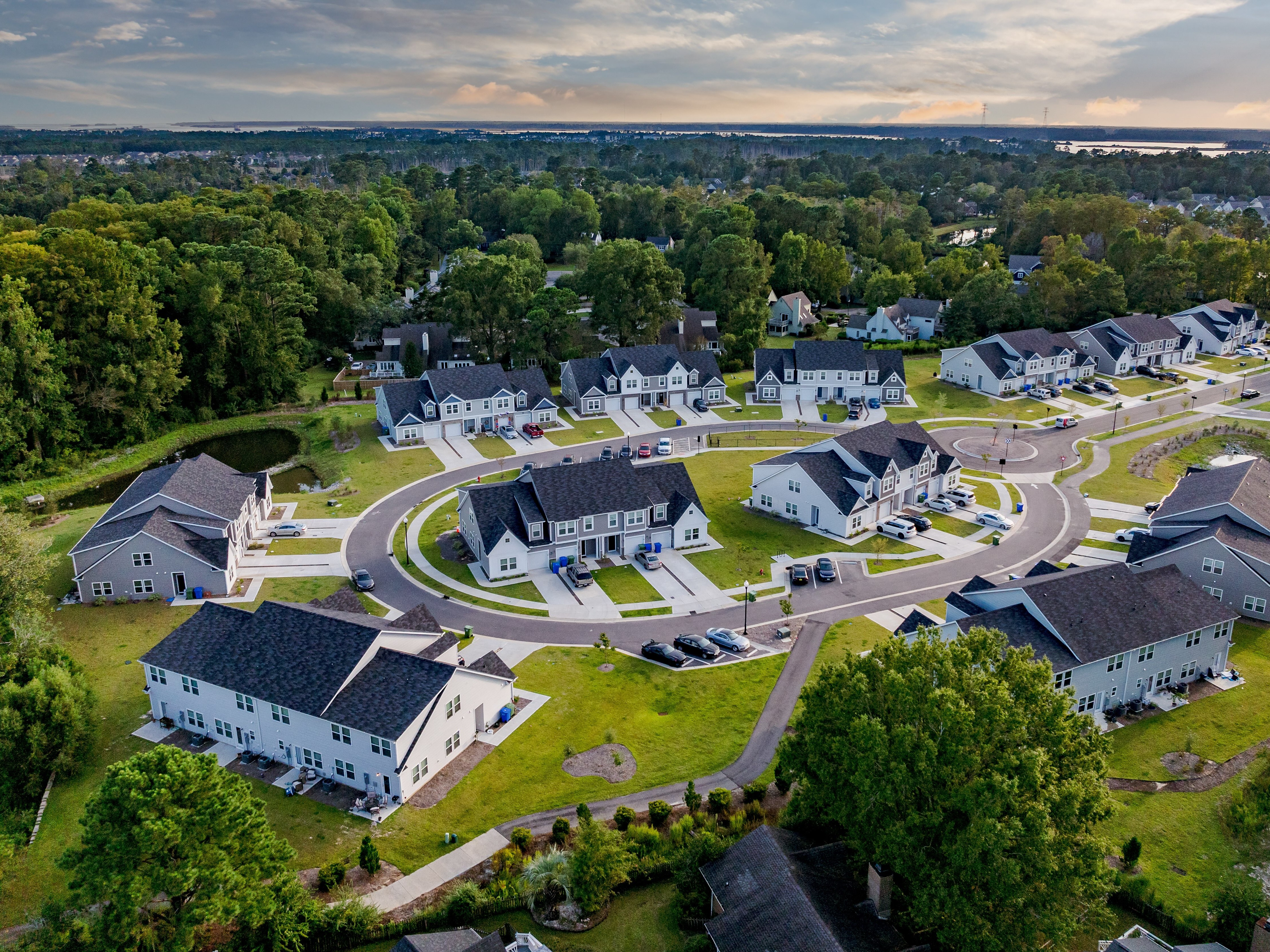
Adrien: It largely comes down to supply and demand. Demand remains strong in most of our markets, and the primary differentiation today is driven by supply conditions and the level of competition in each market and submarket.
It’s less about the product itself, not because the product doesn’t matter, of course it does, but because we have a good grasp on what works in each market based on our experience—when to include amenities, which floorplans to use and how to spec the homes. Input from our property manager, Brandywine Homes, is critical in informing those decisions.
We’ve also learned that smaller secondary markets can be more seasonal. Leasing activity slows significantly during the academic year, which impacts absorption timing. This doesn’t make them worse markets. It just requires more thoughtful delivery and leasing strategies.
How has your underwriting for SFR and BTR deals changed over the past 12 to 18 months?
Adrien: Rent growth and occupancy have softened over recent quarters. Historically, SFR has seen strong rent growth and over 95 percent occupancy. Today, occupancy remains okay but has dipped by a few percentage points and rent growth has flattened.
However, new construction has declined significantly, down 30 percent in BTR last year, following a similar drop the year prior. This suggests that by 2027 and beyond, we should expect a supply vacuum driving stronger rent growth. Given the two- to three-year development timeline, now is an attractive time to build.
READ ALSO: BTR Townhomes Take Off
As more capital enters the SFR space, what sets a durable portfolio apart from the rest?
Adrien: Property management is critical. You want a manager who is financially and operationally incentivized in the same way you are. For example, when we internalized property management 12 years ago, our renewal rates increased from 50 percent to 70 percent and have remained there since and there is strong alignment between Lafayette and Brandywine, given that we set the incentives and provide participation in fund performance to the PM leadership.
Property management in the SFR space, more generally, whether in-house or third party, has become increasingly institutionalized and there are now highly professional operators who provide granular data and place real emphasis on their brand and reputation. All of this helps ensure that property management is optimized and that the manager is fully focused on resident satisfaction and long-term retention.
Scale and diversification also matter. Markets fluctuate and diversification across geographies and product types helps mitigate risk. Long-term perspective is essential. Over time, short-term volatility in supply, interest rates and economic cycles fades, while fundamentals—household formation, structural housing shortages and the resilience of a middle-income, inflation-linked asset class—drive performance.
What’s the biggest misconception about SFR investing today?
Adrien: The biggest misconception is that SFR operators are driving up home prices or taking supply away from homeowners. Institutional owners control less than 1 percent of single-family housing stock and they account for 1 percent of transactions.
Retail buyers outbid investors most of the time. Our conversion rate is 2 percent when we put out offers on existing homes, which is why we’ve shifted our focus to new construction of BTR communities over recent years.
SFR owners have been net sellers since 2016, adding supply to the homeowner market rather than taking away from it. There’s also widespread misinformation on SFR—e.g., confusion between BlackRock and Blackstone on social media is a good example—which highlights how misunderstood the sector is. Most importantly, building new SFR supply is part of the solution, not the problem. We are adding much-needed housing inventory.