The ’90s Summer Effect in Multifamily
Why residents are craving the past and more connection.

Every generation has places that shape the memories they carry with them: the neighborhood basketball court, long afternoons at the community pool, riding bikes until the streetlights came on or even walking to a neighbor’s house without texting first. Time wasn’t scheduled then. It simply unfolded alongside friends, neighbors and familiar faces.
Those memories have found new life through what many are calling “’90s Summer,” a renewed embrace of the unstructured, outdoor and in-person experiences that defined many childhood summers before smartphones. While the trend is rooted in nostalgia, it reflects something much bigger than revisiting childhood memories. As technology becomes increasingly embedded in everyday life, many people are rediscovering the value of slowing down, spending time outdoors and connecting with others in simple, meaningful ways.
We’re beginning to see that same shift influence multifamily housing.
Residents still value convenience, technology and well-designed amenities. But they’re also looking for communities that make it easier to unplug, linger a little longer and build relationships with the people around them. Increasingly, it’s not just about where people live. It’s about how a community helps them feel while they’re there.
READ ALSO: How to Win the Multifamily Amenities Race in 2026
From amenity race to resident experience
For years, multifamily communities competed by adding more amenities. Fitness centers became larger. Clubhouses became more elaborate. Every new project seemed to introduce another feature designed to stand out during lease-up.
Today, competition is becoming less about offering more amenities and more about creating better resident experiences. HousingWire recently described this shift as the end of the multifamily “amenity arms race,” with operators rethinking how shared spaces create value for residents rather than simply adding features.
Those amenities still matter, but today’s residents often evaluate them differently.
The question is no longer, “What amenities does this community offer?” It’s “Will I actually use them?” More importantly, “Will they help me feel connected to where I live?”
That shift is encouraging developers and designers to think beyond the amenity checklist and focus more intentionally on the resident experience. A recent Forbes article noted that multifamily owners are increasingly using resident surveys, market analysis and direct resident feedback to guide amenity investments, with an emphasis on creating spaces that foster community, support long-term retention and reflect how people live today.
Designing spaces people want to use
The most effective gathering spaces are often simple, approachable and thoughtfully designed.
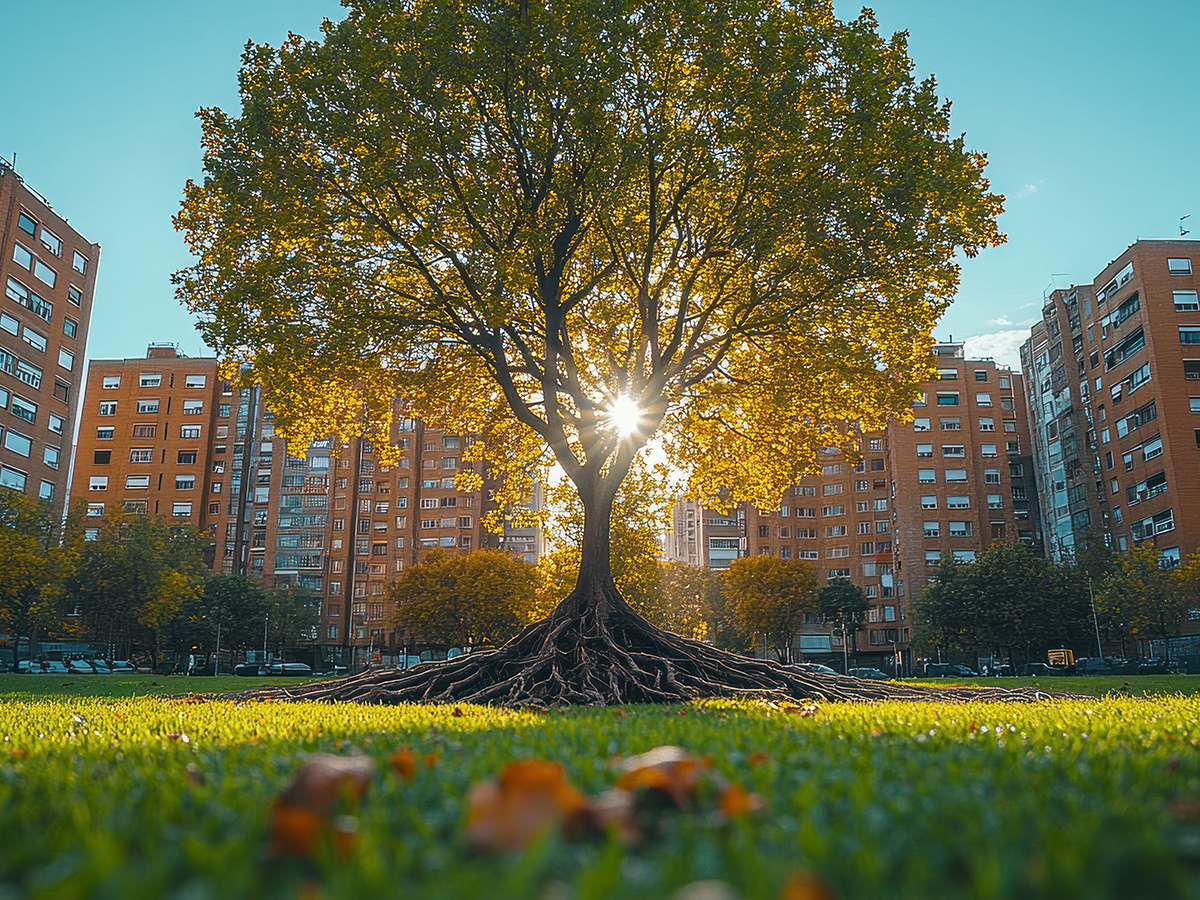
A fire pit where neighbors naturally gather after work. A shaded outdoor table that becomes an unofficial morning coffee spot. A game lawn where families, friends and even strangers feel comfortable joining in. These spaces work because they invite participation without demanding it.
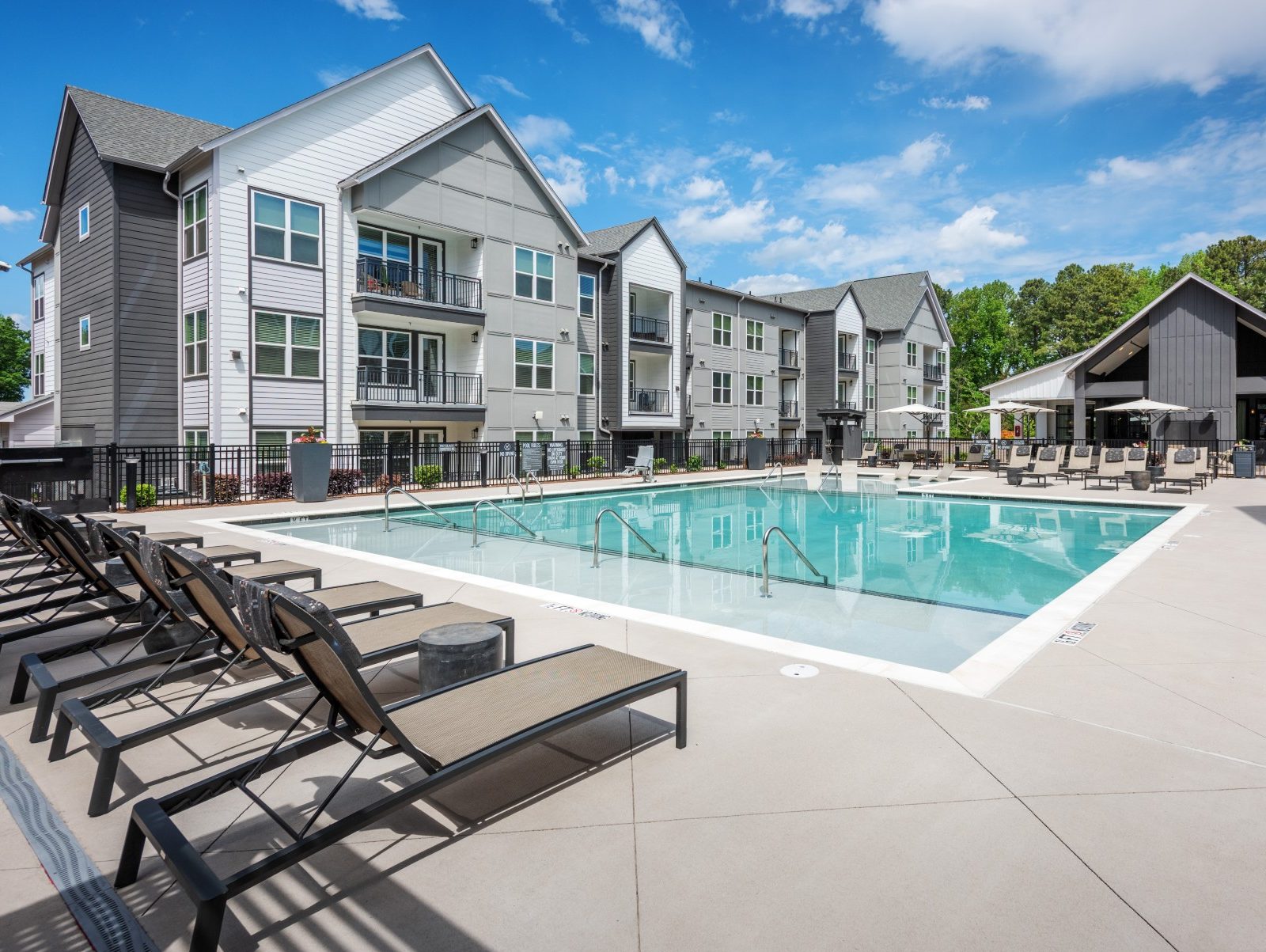
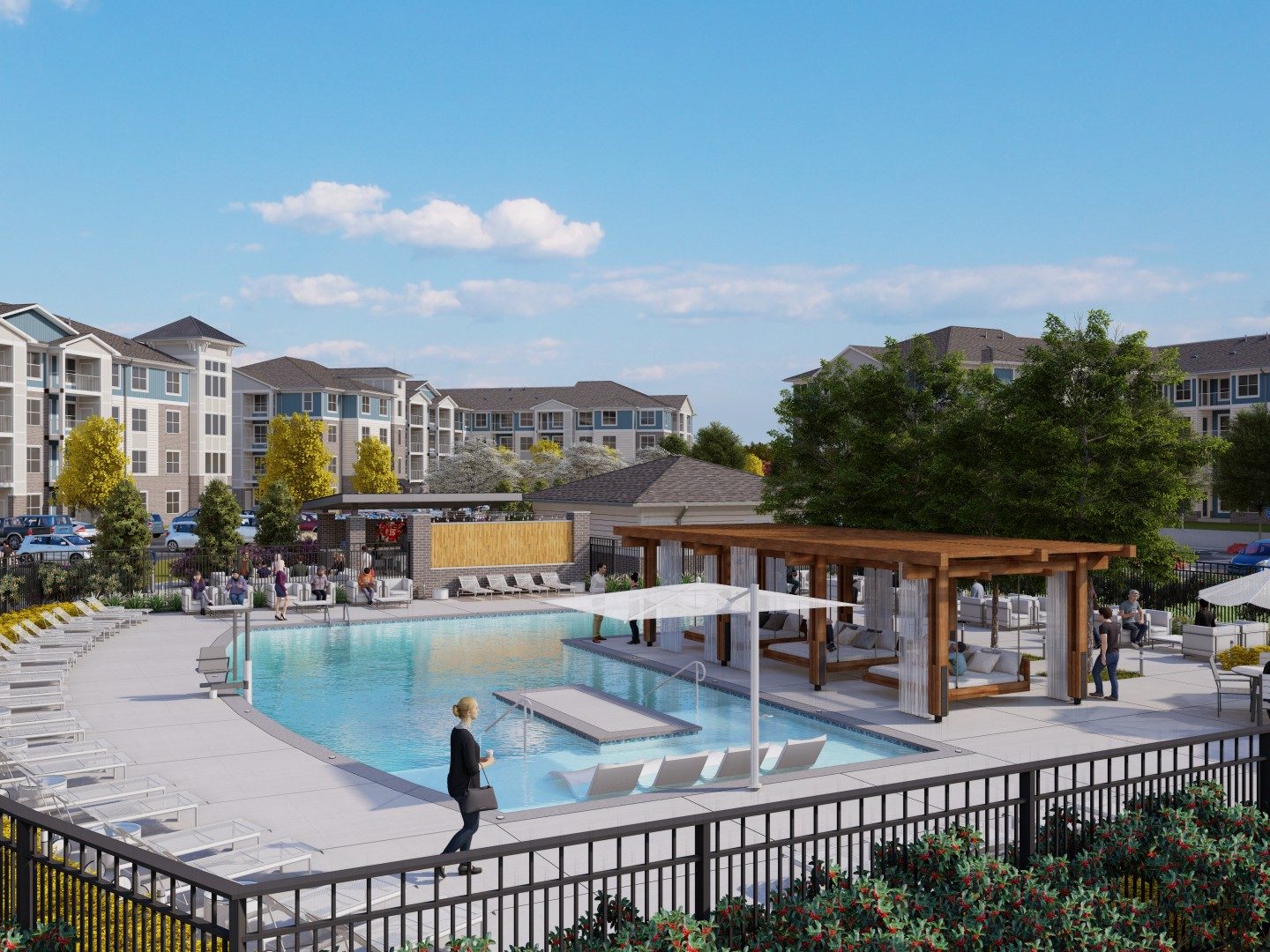
Pool decks are evolving into places where residents spend afternoons doing more than swimming. Outdoor movie nights, flexible gathering lawns, communal dining spaces and comfortable seating areas create opportunities for spontaneous interaction that doesn’t require formal programming or organized events. The goal isn’t to schedule every moment. It’s to create environments where connections happen naturally.
Designing for choice
One of the reasons the “’90s Summer” trend resonates is because those experiences weren’t highly structured. People gathered because the environment made it easy.
The same principle applies to multifamily design today. Rather than creating spaces dedicated to one specific activity, designers are increasingly incorporating flexible environments that support a variety of uses throughout the day.
A community lawn might host yoga in the morning, a food truck in the evening and children playing after dinner. A clubhouse may transition from remote work during the day to social gatherings at night. Providing that flexibility gives residents the freedom to make the space their own.
Creating a sense of place
Connection isn’t created by amenities alone. It also comes from designing communities that reflect the character of the places where they’re built.
Outdoor spaces that respond to the local climate, gathering areas inspired by regional lifestyles, thoughtful landscaping and materials that feel authentic to the surrounding community all contribute to a stronger sense of place. These details help residents feel connected not only to one another but also to the neighborhood they call home. That authenticity often becomes one of the community’s greatest differentiators.
Looking ahead
Technology will continue to transform multifamily housing. Smart buildings, digital services and AI-driven operations are becoming an expected part of everyday living.
At the same time, residents are reminding us that convenience isn’t the only thing they value. They also want opportunities to spend time outside, meet their neighbors and feel part of a community.
Perhaps that’s the real lesson behind the “’90s Summer” trend.
It isn’t about recreating the past. It’s about remembering what made those experiences meaningful and designing places where that same sense of connection can thrive today. For developers, that may become one of the most valuable investments a community can make.
Kelsey Loverro is a senior associate and interiors project manager at LRS Architects, where she designs multifamily and mixed-use environments that support connection, community, and resident well-being.
Please note: To become a Viewpoint writer, reach out to Therese Fitzgerald at therese.fitzgerald@cpe-mhn.com. All Viewpoints are copyright of Multi-Housing News 2026. We do not accept AI-written content.