How Art Can Be a Multifamily Differentiator
As amenity packages become increasingly interchangeable, developers are turning to art to create identity, connection and a stronger sense of place.
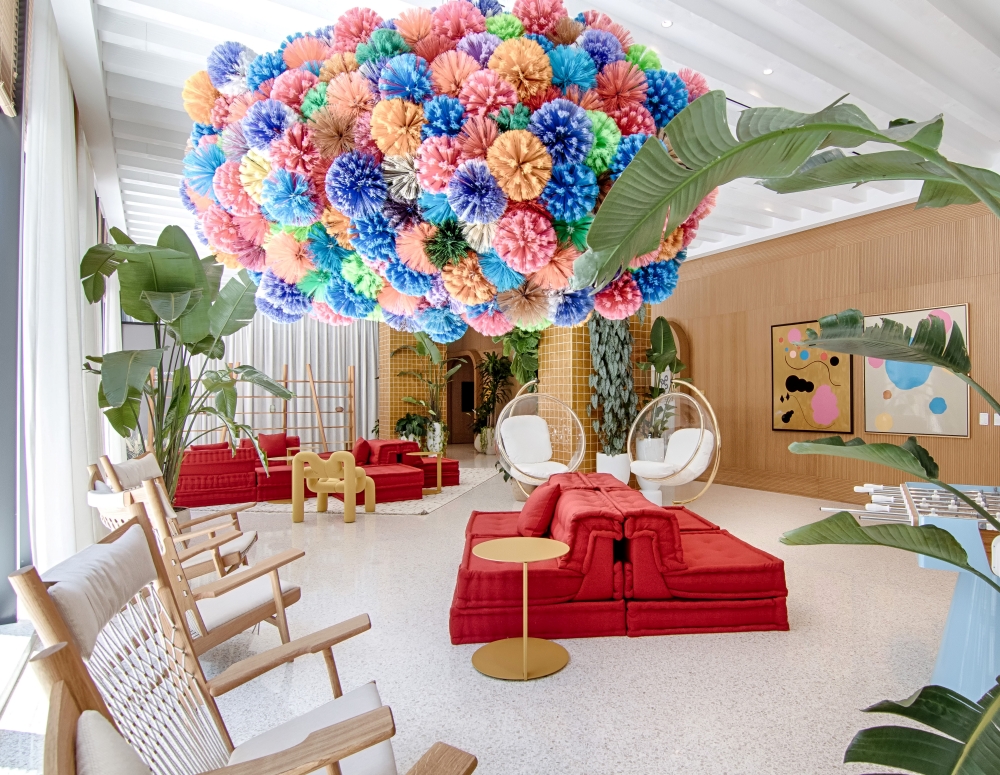
For years, multifamily developers have competed by adding bigger fitness centers, resort-style pools, coworking lounges, wellness rooms and elaborate club spaces. But as those features become standard across new developments, art is increasingly emerging as a way to distinguish a property. A sculptural lighting installation can turn a lobby into a memorable point of arrival, while a mural can transform a pedestrian bridge into a destination.
Art doesn’t have a straightforward utilization metric, making its value harder to quantify than that of a conventional amenity.
“A great piece creates memory,” said Noel Carson, senior vice president at Bozzuto. “Residents may not know the name of every finish or furnishing, but they remember the illuminated pearls, the colorful streetcar or the mural they pass each day.”
READ ALSO: How to Win the Multifamily Amenities Race in 2026
That less tangible value is becoming more relevant as residents place greater emphasis on the experience a property provides. Two-thirds of people globally expect the places where they live, work and spend time to offer more enjoyment, diverse activities and value for their time, according to JLL’s 2025 Global Consumer Experience Survey, based on responses from 12,000 consumers across 19 markets and 64 cities.
For multifamily developers, that creates an opportunity to rethink what qualifies as an amenity. Art can serve as a visual anchor, a conversation starter, a reflection of local culture or a reason for residents to gather, but the more sophisticated approach starts well before anyone hangs a painting.
“The more interesting opportunity is to develop an art program that layers in sculptural furniture fixtures and equipment, lighting and even brand expression, so art feels infused into the DNA of the property,” Carson added.
How artwork can create an experience
Art has long been part of high-end residential design. What’s changing is when and how it enters the development process.
Rather than selecting pieces after the architecture and interiors have been finalized, developers and designers are increasingly bringing artists and art consultants into the conversation early. That allows artwork to influence the experience of a property alongside its architecture, interiors, landscape and branding.
“When art enters too late, it can become a search for something to fill an empty wall,” Carson said. “When it enters early, it becomes part of the architecture of the experience.”
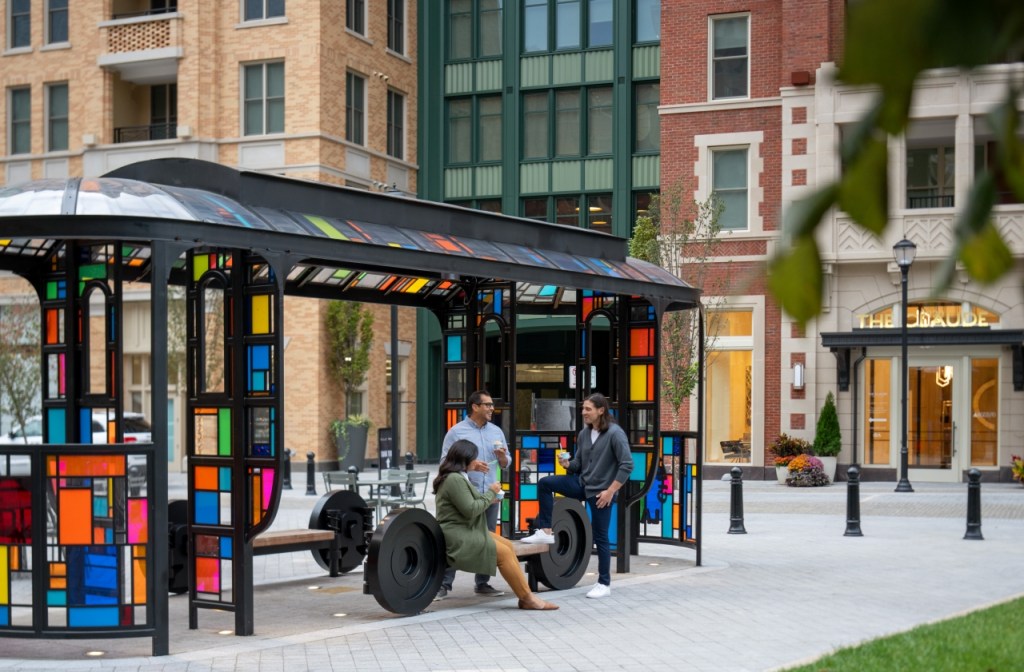
Tom Fruin’s Streetcar at Chevy Chase Lake functions as public art, neighborhood landmark and gathering place within the town square. All images courtesy of Bozzuto 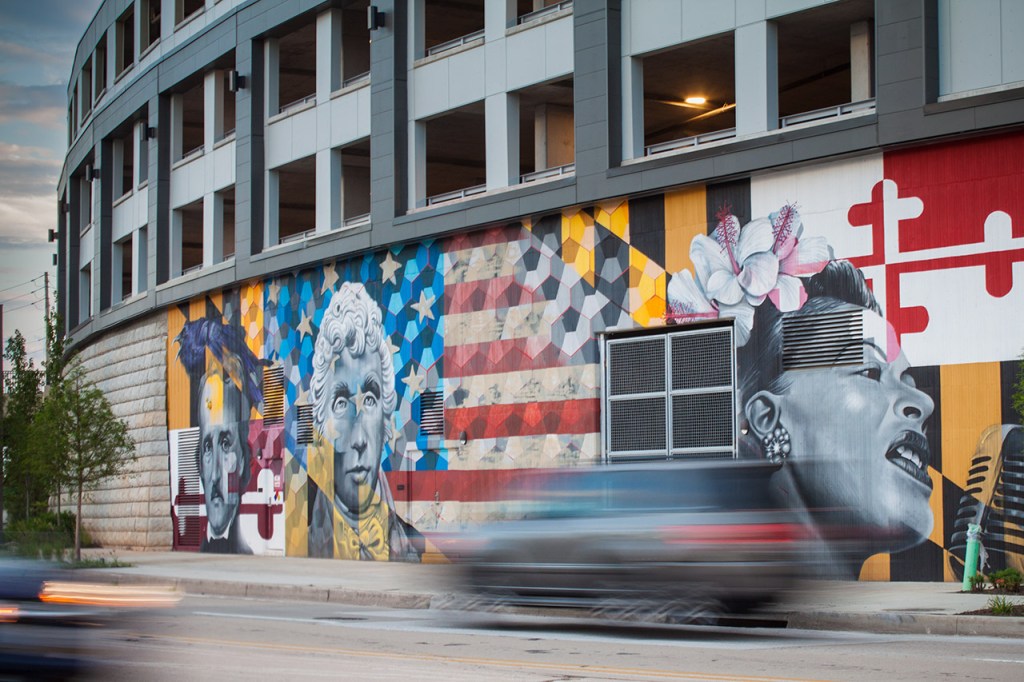
The mural at Bozzuto’s Anthem House in Baltimore celebrates the city’s and Maryland’s history and culture through references to influential figures alongside imagery inspired by the Maryland flag. 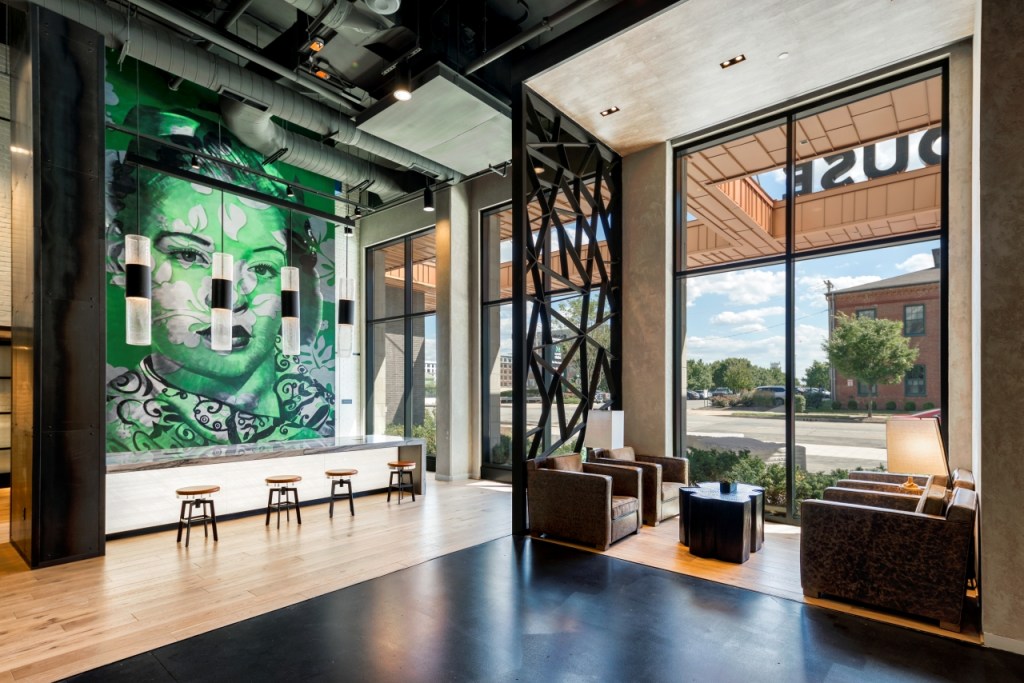
Artwork inspired by Baltimore native Billie Holiday is featured prominently in the lobby at Anthem House, reflecting the community’s connection to the city’s cultural heritage. 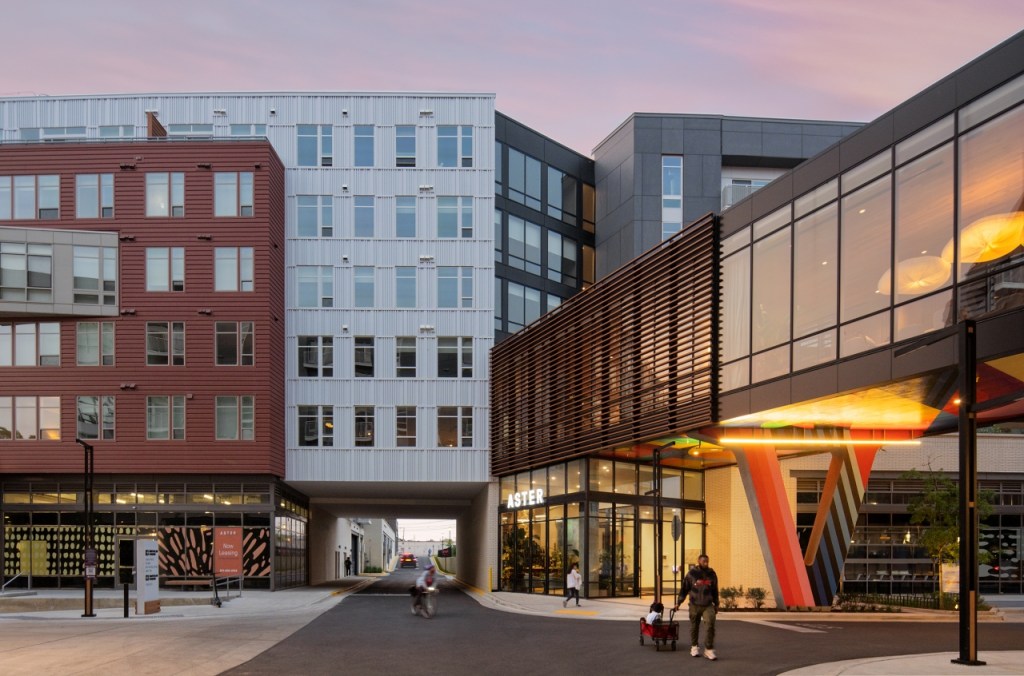
At Aster College Park near the University of Maryland, the bridge mural creates an unmistakable identity at street level and transforms the arrival experience. 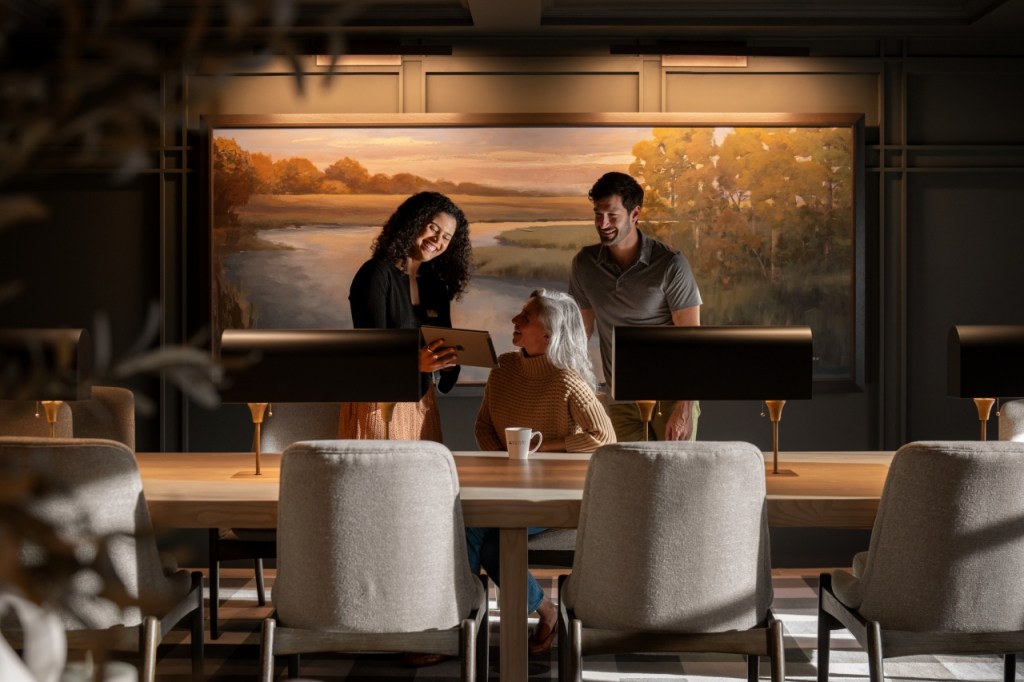
At Bozzuto’s Rowen in Plymouth, Mass., artwork inspired by the surrounding landscape reinforces a feeling of place and sanctuary. 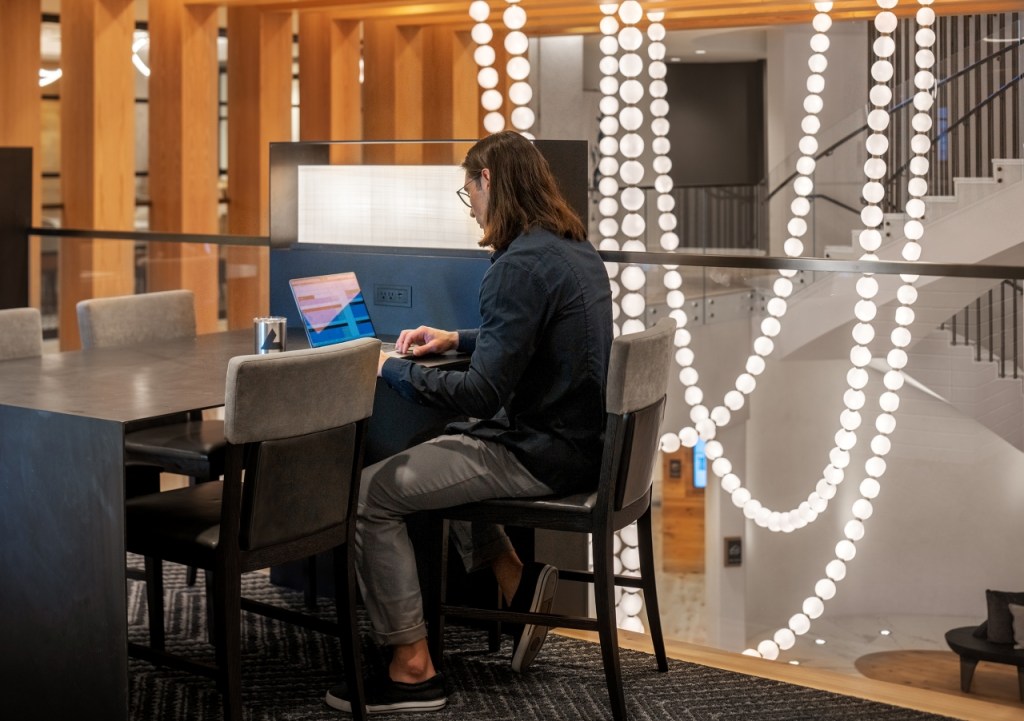
At the developer’s The Barrett at Chevy Chase Lake in Maryland, artwork extends into shared spaces, helping create warmth, character and an elevated residential atmosphere. 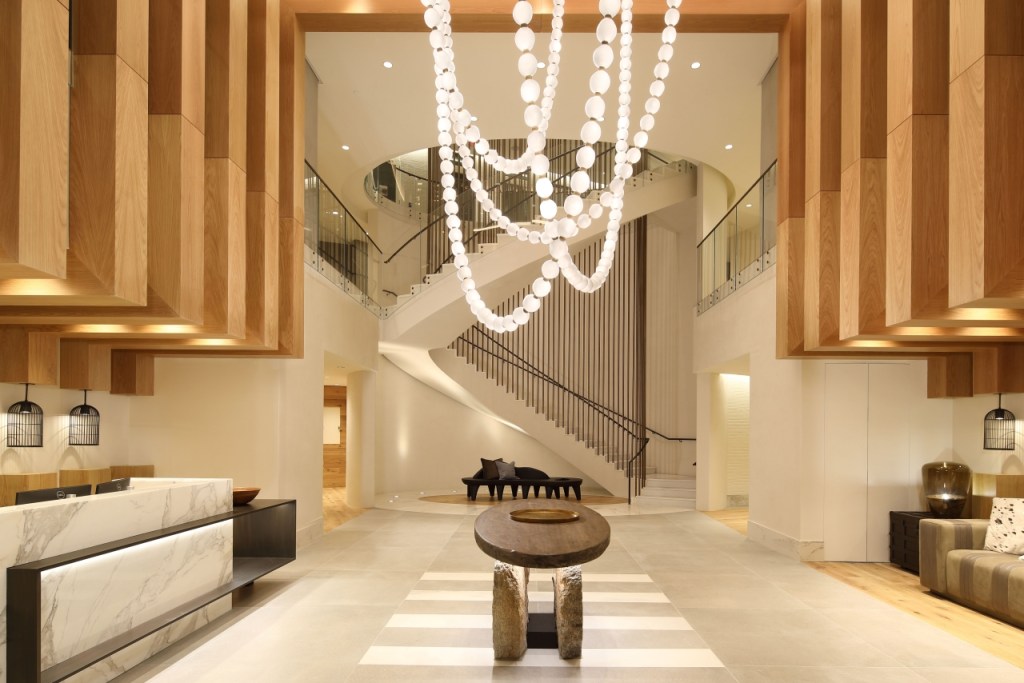
A sculptural lighting installation of illuminated, pearl-like forms creates a dramatic sense of arrival at The Barrett at Chevy Chase Lake.
The distinction is particularly relevant in large multifamily communities, where expansive lobbies and amenity spaces can easily feel polished but impersonal.
“People remember how a place makes them feel far more than how many square feet it has,” said Candace Rimes, director of Fogarty Finger’s Southeast office.
READ ALSO: The New Rules of Amenity Maintenance
Along with custom furniture, lighting and other handcrafted elements, art can introduce a human scale to a space and give a building a sense of personality. “It’s part of the story we’re trying to tell from the very beginning,” Rimes added.
Art doesn’t have to compete with a clubroom to justify its place in the budget. Its value may instead come from making those spaces—and the property around them—feel more specific, considered and connected to the people and place they serve.
Making multifamily feel local
Early integration can make artwork feel integral to a property rather than an added effect. But for art to give a community a distinctive identity, it needs a connection to the place.
“Every city has its own creative voice, and I think it’s our responsibility as designers to listen before we start designing,” Rimes believes.
That approach shifts art selection away from simply finding pieces that complement an interior and toward understanding the history, culture and creative identity of a neighborhood. The objective is to go beyond making a property look “local” and give it a connection to its surroundings that could not easily be reproduced elsewhere.
At Linea in Charlotte’s South End, the design concept drew from the neighborhood’s textile manufacturing history. That connection eventually informed a three-dimensional lobby installation commissioned from locally based Vietnamese artist Kenny Nguyen, who works primarily with silk and describes his pieces as “deconstructed paintings.” Nguyen’s work references the area’s textile heritage without reproducing it literally, bringing a piece of Charlotte’s history into a contemporary residential setting.
“Working with local artists and makers brings an authenticity that simply can’t be replicated with off-the-shelf artwork,” Rimes said.
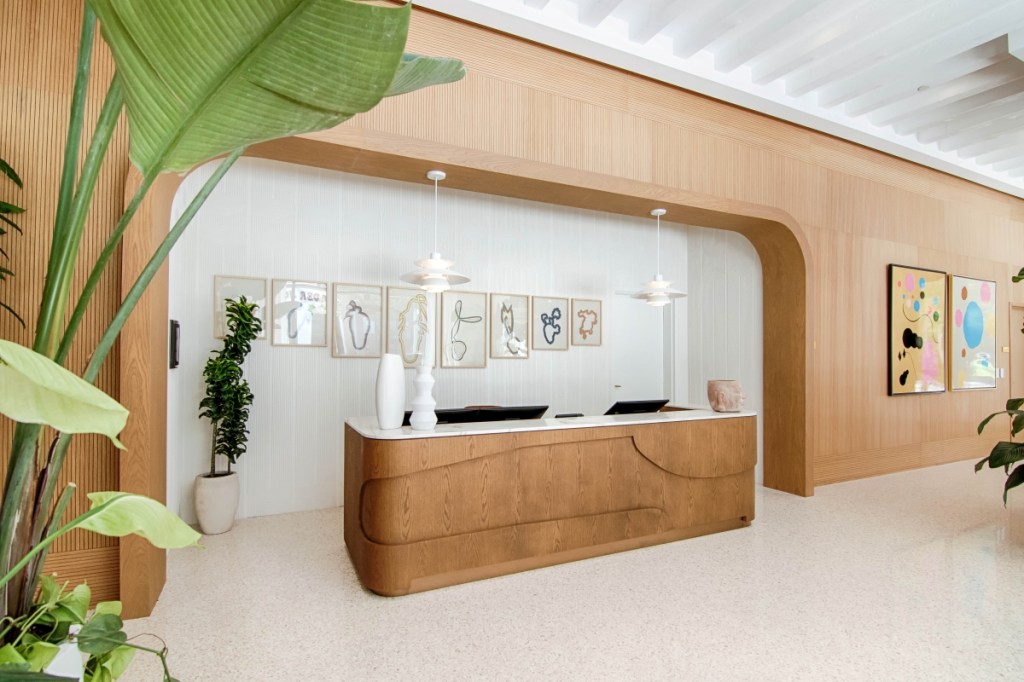
Rosso Development’s The Standard Residences in Midtown Miami provides another interpretation of local identity. The property’s collection includes works by Argentinian artists Gaspar Libedinsky and Patricio Escobedo, Venezuelan artist Lisu Vega and Miami-based artist Jen Clay. The mix reflects South Florida’s longstanding connections to Latin America while also giving local artists a place within the residential experience.
“We weren’t looking for pieces that simply matched the furniture or complemented the color palette,” said Carlos Rosso, founder of Rosso Development. “We wanted work that invites people to pause, ask questions and engage with the space in a different way.”
At Bozzuto’s upcoming The Chester in Daly City, Calif., the cultural context is more particular. The surrounding community has deep Filipino roots, which are reflected in the property’s art program.
“We make a concerted effort to engage local artists and commission work when it can create a more specific connection to the community,” Carson said. “Authenticity comes from context, collaboration and specificity.”
These projects use different artistic approaches, but each draws its identity from a cultural or historical connection that couldn’t easily be reproduced in another market. Art’s role, however, can extend beyond expressing local character. In some communities, it also changes how residents move through and use the property.
When art becomes the amenity
The strongest examples of art functioning as a multifamily amenity are not necessarily the most expensive or elaborate. They are the ones that change how residents experience a space.
At The Barrett at Chevy Chase Lake, Tom Fruin’s Streetcar has become a landmark in the town square and a natural meeting point. At Aster College Park in Maryland, a mural turns a pedestrian bridge connecting two buildings into a distinctive part of the arrival experience.
In both cases, the artwork does more than decorate a finished environment. It gives residents a reason to notice a space and sometimes gather in a space that might otherwise be purely functional.
That gives art a different value proposition from more conventional amenities. A pool or coworking lounge requires dedicated space and serves a defined function. Art can work within spaces that already exist, changing how a lobby, walkaway or town square is experienced without adding another room to the amenity package.
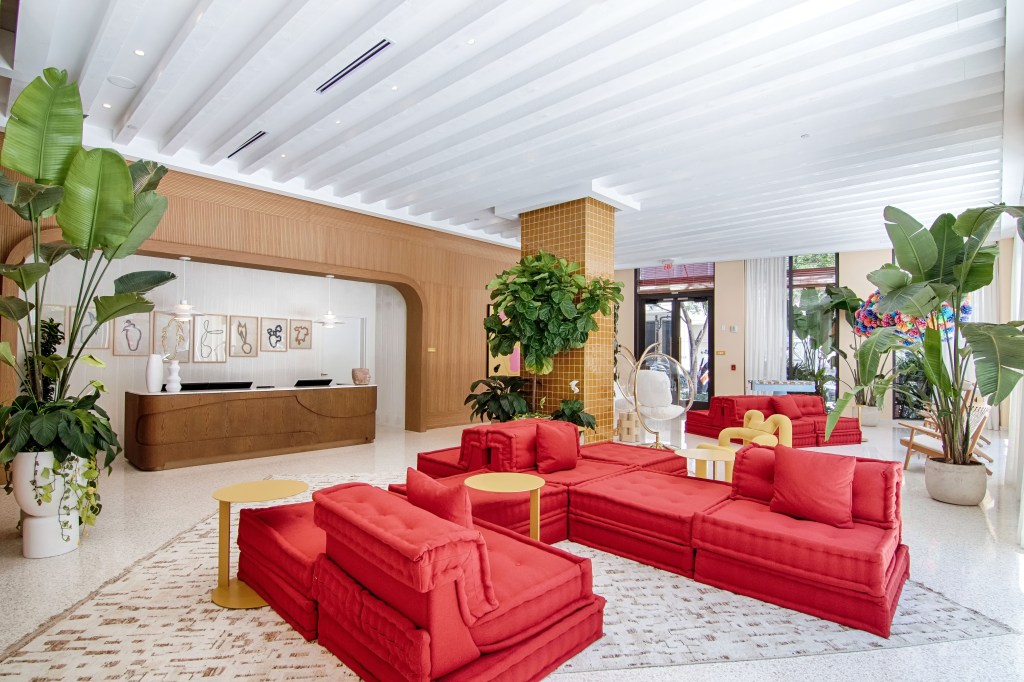
Located right at The Standard Residences’ main entrance, this double-height social floor houses Patricio Escobedo’s pieces, alongside Gaspar Libedinsky’s landmark installation. All images by Atlas Media, courtesy of Rosso Development 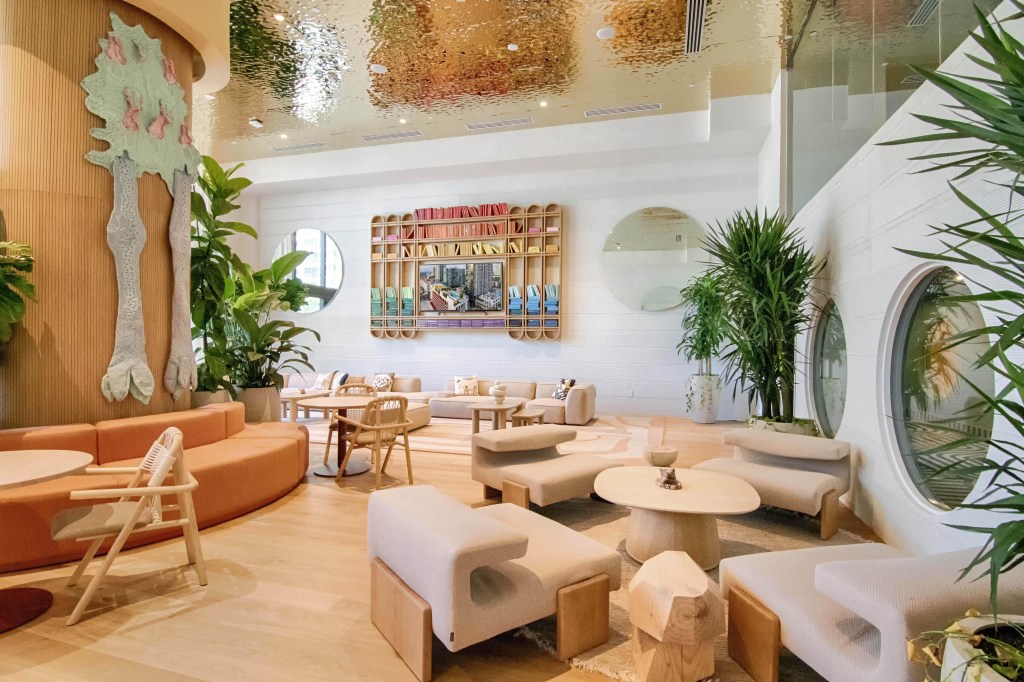
Spearheaded by developer Carlos Rosso—who pulled from his own Argentine roots—the art collection acts as a fluid cultural bridge between Latin American masters and South Florida contemporary visionaries. 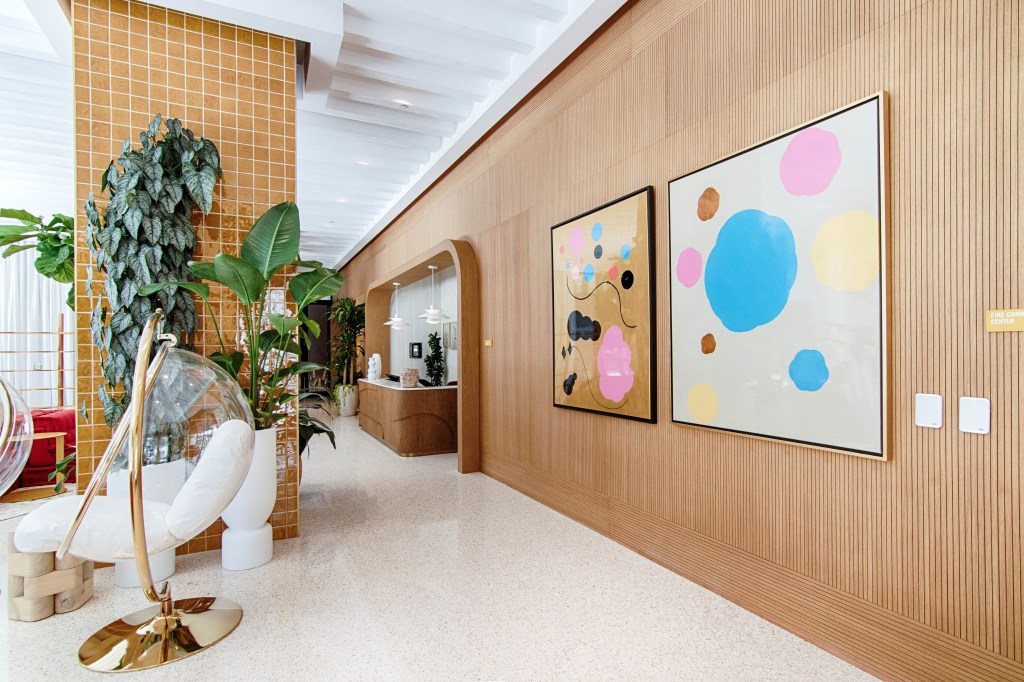
Instead of isolated gallery walls, the curation treats the building’s 4,000-square-foot lobby and common gathering zones as active, immersive art spaces. 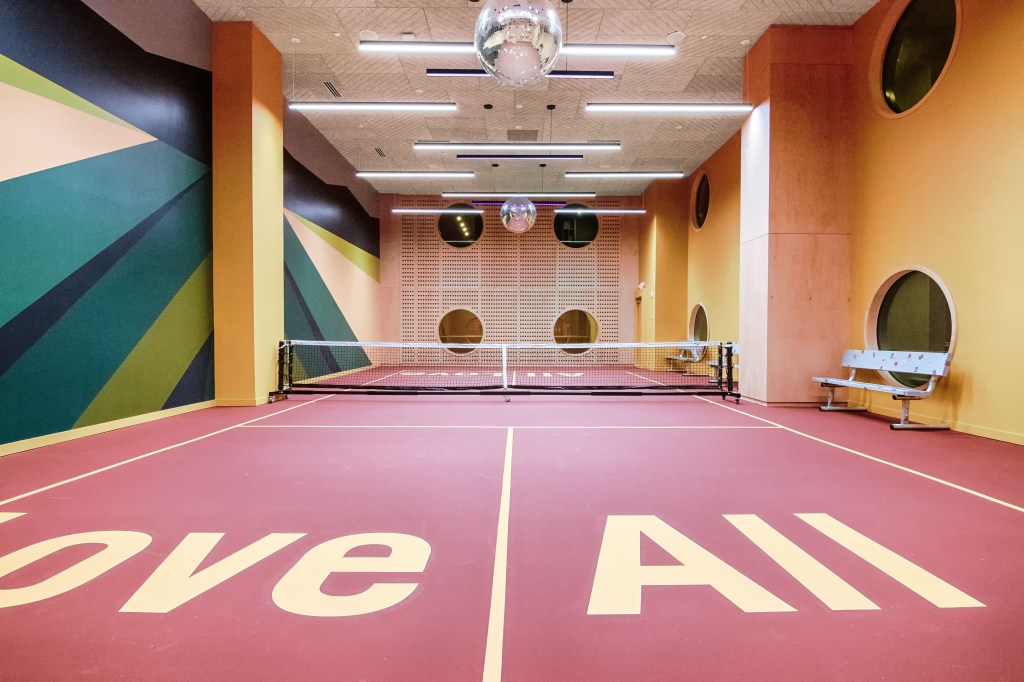
In alignment with The Standard’s Global Culture Program, the art is curated to complement the social lifestyle amenities, including the indoor pickleball-to-disco court. 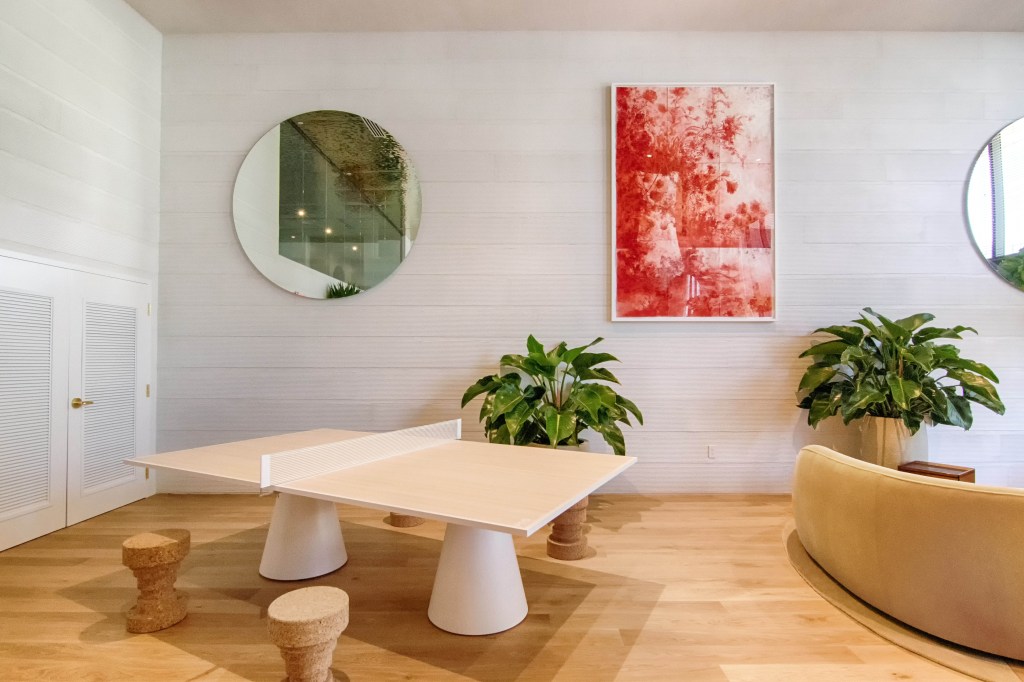
The centerpiece is the iconic Dada Table Tennis Table, designed by the Italian duo Basaglia & Rota Nodari for manufacturer Fas Pendezza. 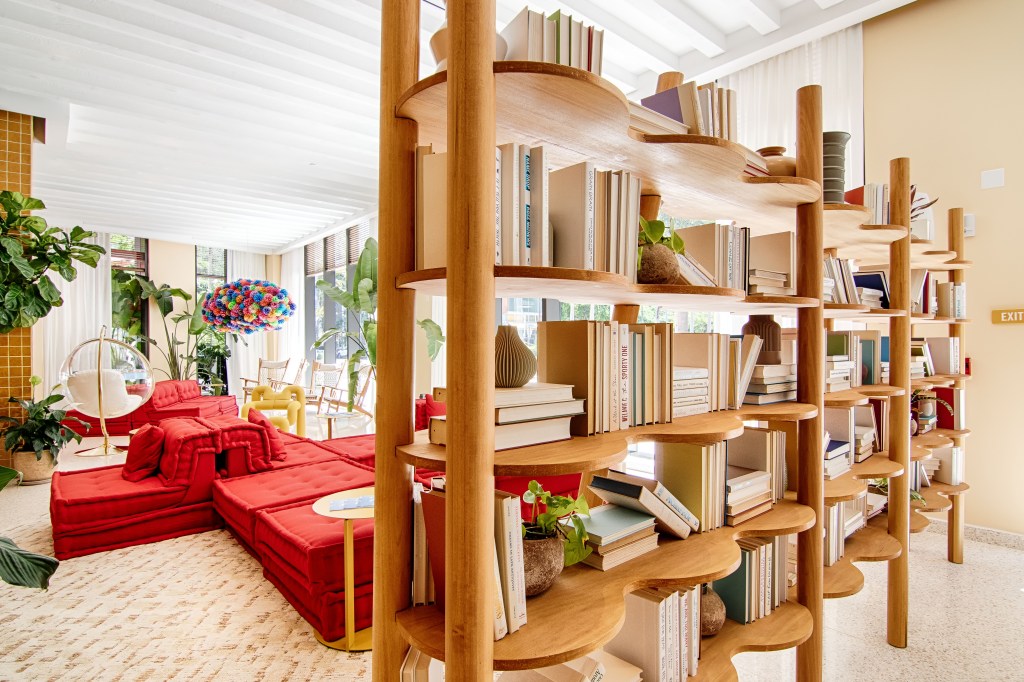
The lobby is intentionally designed to be enjoyed not just by residents, but by the public passing through the hyper-pedestrian Midtown neighborhood. 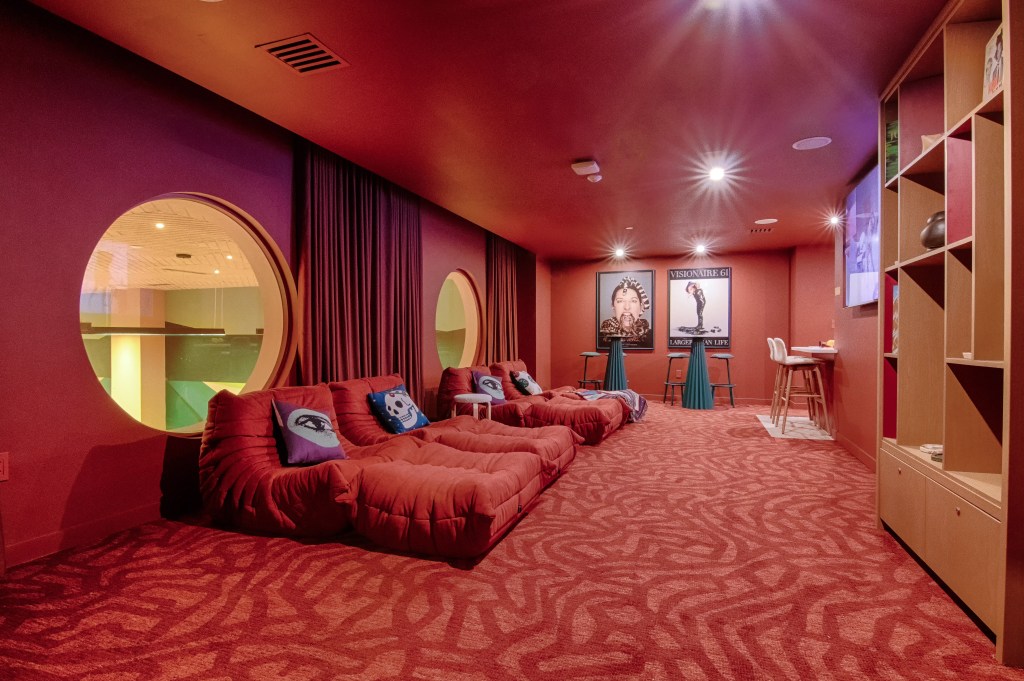
The monochromatic karaoke bar and lounge located on the dedicated social floor of The Standard Residences is also art-infused.
At a larger scale, art can also contribute to placemaking beyond individual buildings. The Urban Land Institute’s Art in Place initiative, for example, has brought together artists, developers and community voices to explore how art can contribute to development and the identity of places. The broader placemaking conversation increasingly recognizes that memorable, well-designed environments can create value beyond the physical square footage of a property.
Art can also connect residents with the people or communities represented in the work. Through its partnership with ArtLifting, BGO has introduced art by people with disabilities and those who have experienced housing insecurity into properties across its portfolio. The program has featured work by 17 artists at properties in Washington, D.C., Boston, San Francisco and Los Angeles, with selections tailored to individual buildings and their surroundings.
“We don’t see those priorities as competing with one another—they complement one another,” said Rob Naso, managing partner & head of asset management at BGO.
The model allows the artwork to serve several purposes at once: support the property’s design concept, create an identity for the building and provide a platform for artists who have historically been underrepresented. Artist biographies and interpretive plaques allow residents and visitors to engage with both the art and the artists’ stories.
Art as an ongoing program
As multifamily amenity strategies become more experience-driven, art could increasingly be treated as an ongoing component of the resident experience rather than a one-time design decision. A permanent installation can establish a building’s identity, while an programming cand give residents new ways to interact with the collection after the property opens.
At The Standard Residences, Rosso sees opportunities to build on the collection through rotating exhibitions, artist talks, resident gatherings and partnerships with local cultural organizations.
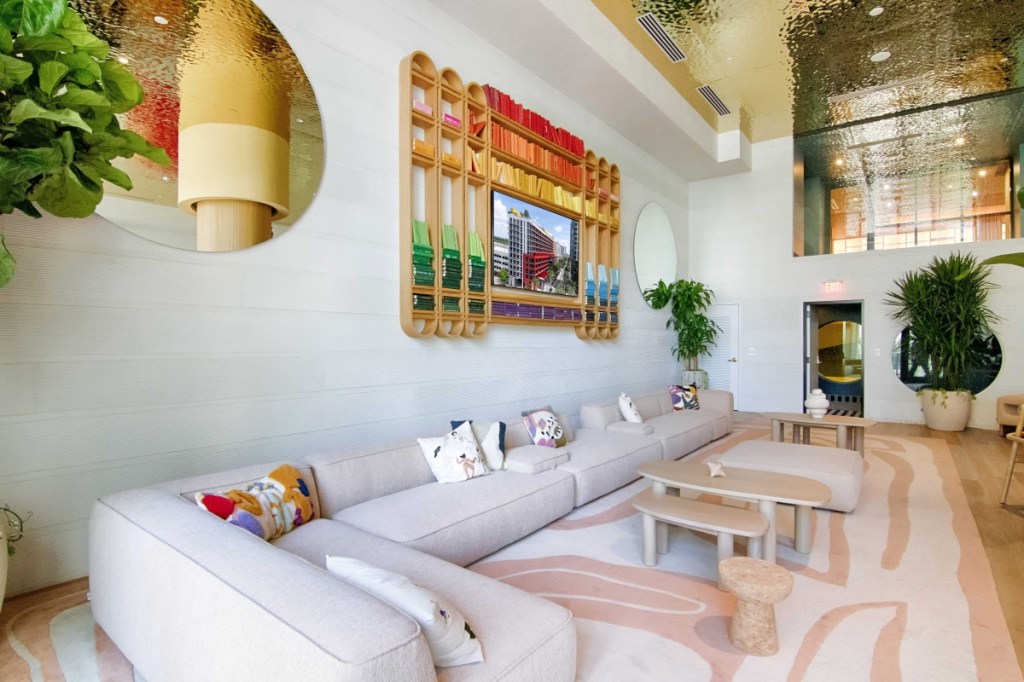
“The best art creates moments that people naturally share,” Rosso said. “Someone stops to look at a painting, another resident joins, and suddenly two neighbors who have never met are talking.”
Programming can extend the value of an art investment without requiring every property to operate a full-scale cultural program. Depending on the building, its residents and its location, that might mean occasional events around a commissioned installation, a rotating exhibition or a partnership with a neighborhood arts organization. As conventional amenity packages become more standardized, that flexibility could make art an increasingly relevant part of multifamily development and branding strategy.
Developers have spent years competing on what residents can use. Increasingly, they may also be competing on what residents remember.