NYC Launches Supportive Preservation Program for 39,000 Units
The city’s budget allocation for supportive housing rose to $1 billion.
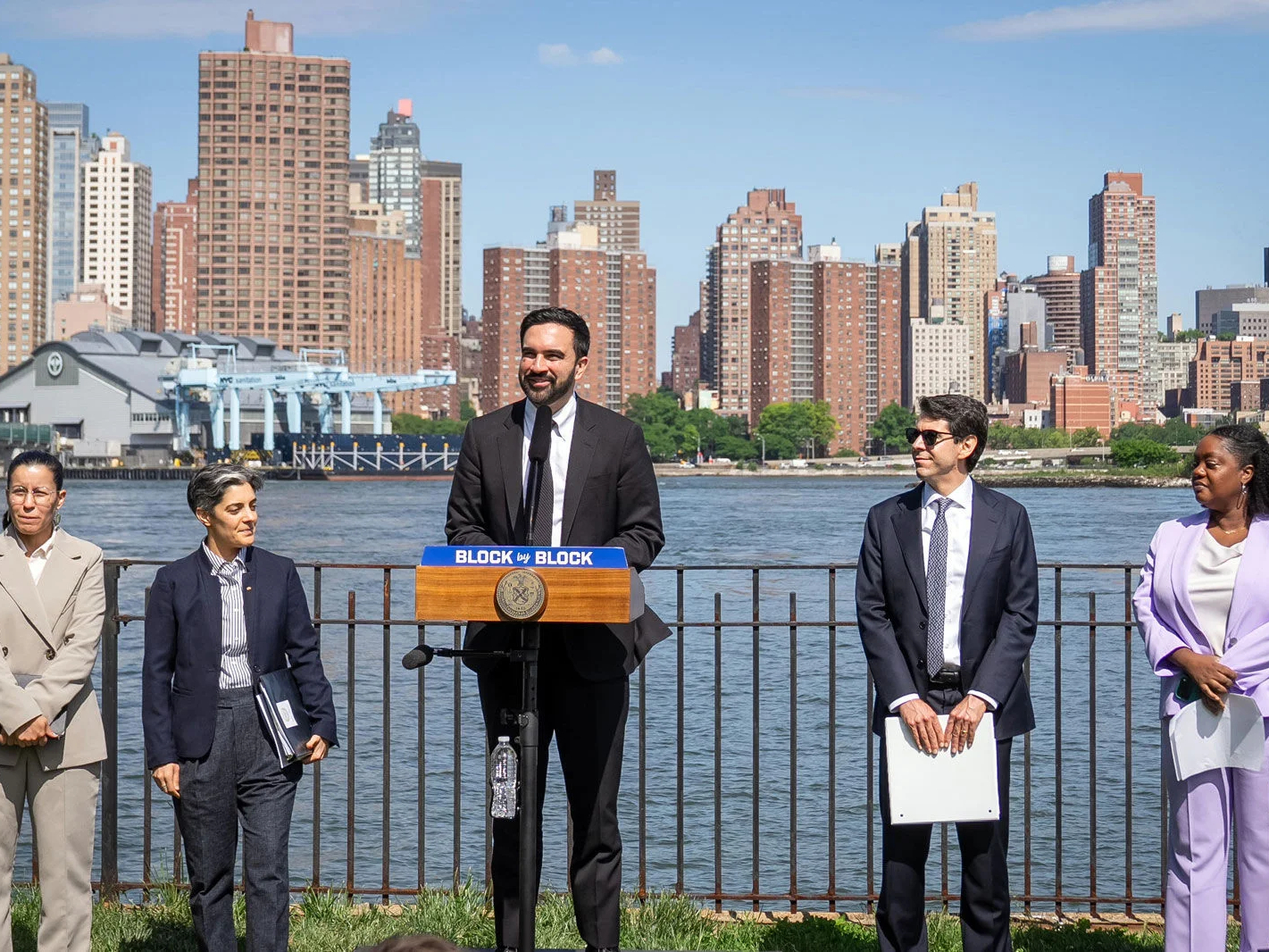
The New York City administration has implemented the next step of its Block by Block housing plan through the creation of the Supportive Preservation Program, a local incentive aiming to aid in the preservation of supportive affordable housing properties across the Big Apple.
New York City has approximately 39,000 units of supportive housing. This type of property provides income-restricted apartments to individuals and families who are experiencing homelessness or are at risk of experiencing homelessness. Additionally, supportive housing communities also provide social services to residents.
Through this new initiative, the city will provide financial aid to help preserve affordability across qualifying properties. The New York City Department of Housing Preservation and Development will assist by issuing:
- tax exemptions for a term of up to 40 or 60 years
- low-interest loans and tax exemptions for properties that may not tap into private debt for rehabilitation
- gap funding for projects that secured permanent financing from other sources
- extensions and/or modifications of existing HPD mortgages
READ ALSO: Affordable Housing Industry Trends
The city has already augmented the budget for supportive housing creation and preservation to $1 billion for FY27 and FY28, representing a 60 percent increase over FY24 and FY25. New York also looks to improve the supportive housing application process and bring vacancies down below 5 percent by year’s end. As of last month, some 2,600 supportive housing units were vacant.
NYC administration tackles affordable housing issues
The affordable housing efforts of the new administration expand beyond the latest Block by Block program. In May, Mayor Mamdani and the Department of City Planning revealed plans to revamp White Plains Road in the Bronx and the Coney Island and McDonald avenues in Brooklyn through new housing and infrastructure.
Last month, New York City released the Streamlining Procedures to Expedite Equitable Development report, a reform package meant to cut red tape and reduce timelines for all affordable housing projects by eight months.
And in April, the Mamdani administration announced a city-backed insurance program with the goal of reducing ballooning costs at affordable housing properties. Coverage is slated to roll out next year, aiming for 100,000 city-insured units by 2030.