NAHB Special Report: Creating Micro Moments at Multifamily Communities
Three ways architects and designers are creating apartments where residents will want to stay.

Apartment residents want much more than a unit. They want a home. Multifamily developers know this, but sometimes they fall short.
“It’s not about a color or a design style. It’s about creating a feeling,” said Doris Pearlman, president and founder at interior design firm Possibilities for Design during a presentation titled The Belonging Blueprint: Creating Wellness, Connection & Community in Multifamily Living at the 2026 International Builders Show in Orlando. “If you want people to have a great feeling about the community you are creating, always remember that.”
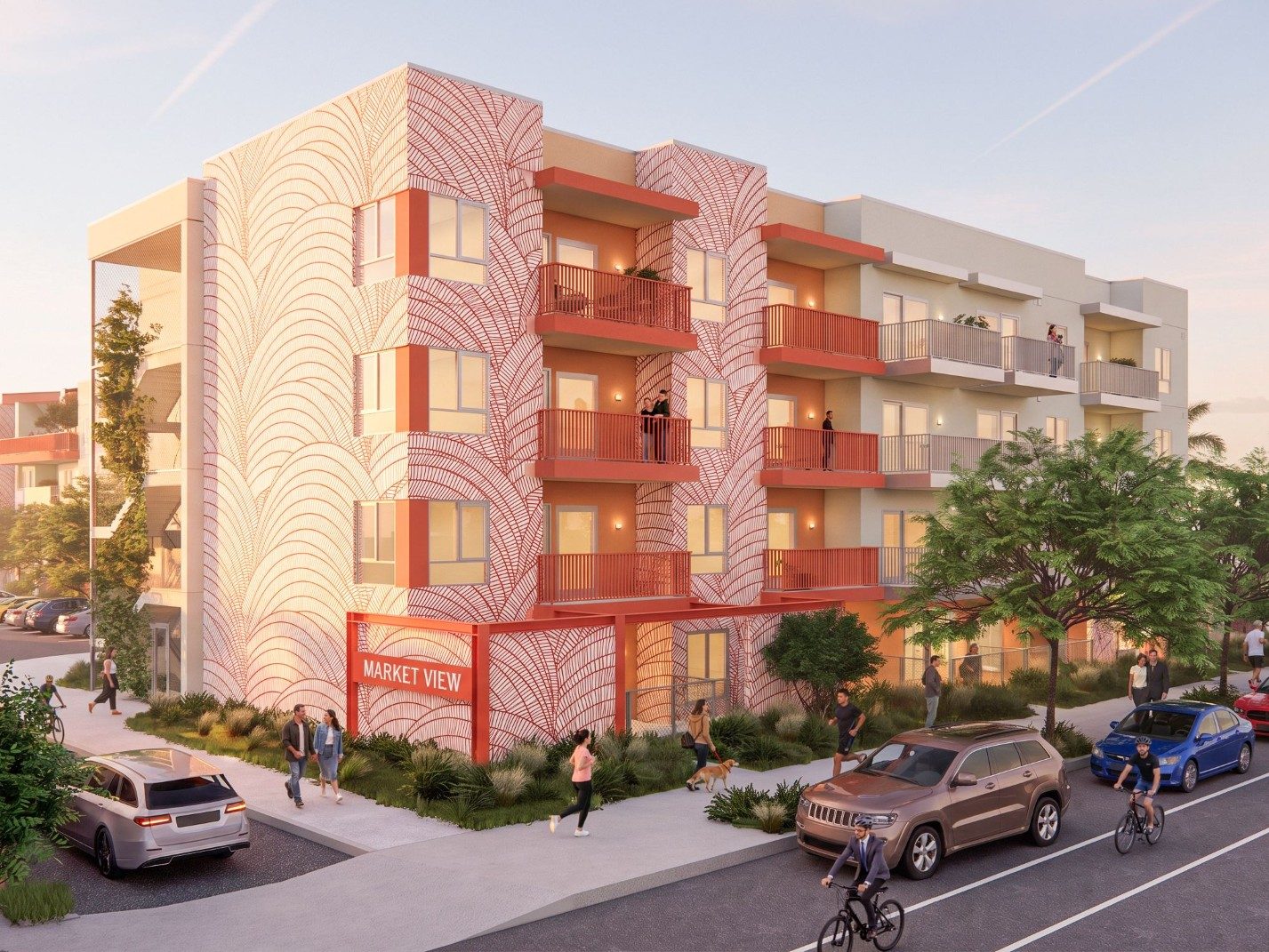
Connecting with prospects and residents starts with how they feel when they arrive at the apartment community. In dense, urban areas, this can be more challenging. “You can do a distinct entry canopy to clearly identify the entrance or a bit of landscaping or planters in front to soften the building and the street,” said panelist David O’Sullivan, founder and president of O’Sullivan Architects, Inc. For accessibility, there are creative ways to integrate the ramp so it’s readily available for those who need it but prefer to have it hidden from view.
O’Sullivan added that the foyer should be big enough to have a seating area with a view to the street to see your Uber or friends arrive. When someone comes through the hallway, the amenities should be off to the side. “I think it’s a mistake to force people to walk through the amenity space,” he said. “You want to have a nice pathway by the side of the amenity so you can observe who’s there and determine whether you want to interact on your way in and out.”
Spaces that feel good
When architects and designers work together to create amenity spaces with character—areas that residents feel good about—people will want to stay in their apartment community longer. The interaction with others creates that sense of community that prevents people from renting for a year and moving on after their leases expire.
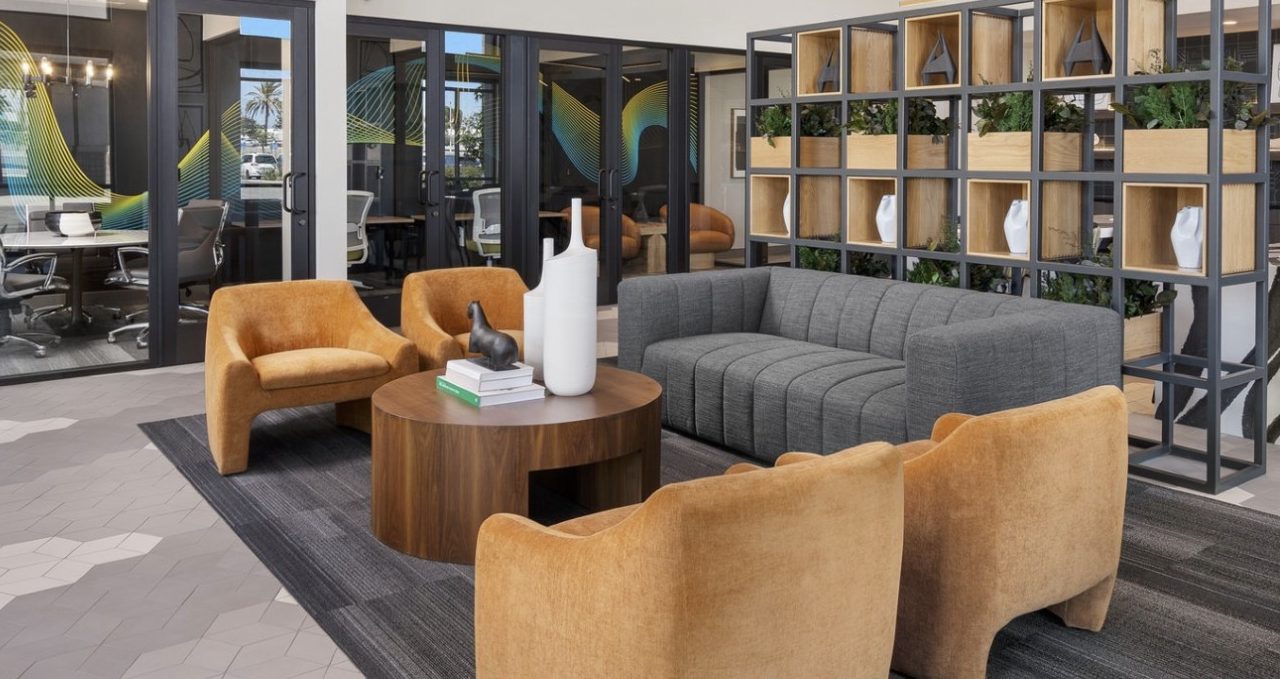
According to Pearlman, less is more, especially in public spaces. “Japandi is one of the design styles we consider very important. (It’s) a curated, minimalist look,” he said. And don’t forget about the ceiling, which designers call the fifth wall. “From a creative point of view, people appreciate wood on the ceiling. From a budget point of view, there’s a lot of consideration that goes into it,” she said.
“LVP is not my favorite, but it creates the effect. If you don’t want to do full wood ceilings, beams and accent paint also can get you there. So there are lots of ways to approach it, but when you have a space with a lot of volume, I think wood is a great accent,” Pearlman added. People don’t always feel comfortable in big volume space. The texture and warmth of wood—or a darker ceiling—makes it feel more homey and helps to humanize the scale.
“When you have a large room, you don’t want people to get lost in that large room. We have used bookcases in the center of the room to divide the space and also create a function by placing two giant co-working spaces behind it.” Pearlman stressed that it’s also important to include private spaces, because co-working is not for everybody.
“One of the things to understand about design is that you don’t want to flood people,” Pearlman said. So, repetition and repetition as far as the materials are concerned allow you to enjoy the space and not be overwhelmed by a total infusion of lots of materials.”
Bright and airy apartments
Since apartment residents spend most of their time in their homes, creative space planning for the units themselves is essential. Large windows make apartments feel bright and airy. O’Sullivan advises designers to incorporate as much storage as possible. “I think that a lot of times storage gets forgotten,” said O’Sullivan. Whenever possible, O’Sullivan also tries to build in some flex space for a pocket office.
Coming in the door, apartments need a light fixture and a coat closet. Preferably, you’re not looking right at the kitchen. That’s around the corner, but still very open to the rest of the living room. When the kitchen island is a movable piece of furniture that comes with the apartment, it costs less and takes up less space than an island with cabinets that’s anchored to the floor—and also requires power.
READ ALSO: Why Less Is More in Multifamily Design Today
It’s a reality that the bedrooms are going to be simple boxes. But here too, make sure you have plenty of natural light and provide square footage with options for the furniture layout. “There should be a good bed wall, a good dresser wall and enough space for the nightstands,” said O’Sullivan. “For this reason, we make sure we design every apartment with a furniture layout before we finalize it. If the resident feels cramped and uncomfortable, they’re going to move out in a year. They won’t stay.”
The kitchen, the eating area and the living room really benefit from being linked as far as design style and finishes because they will appear larger. Also, O’Sullivan noted, you don’t want to see the bathroom when you’re watching TV in the living room. “Long gone are the sterile all white bathrooms that used to be ubiquitous with multifamily development,” he added. “We’re putting wood accents in areas like the bathroom cabinets. It adds a nice coziness to the place.”
Home sweet home
Gyms, community gardens and swimming pools are tried and true amenities, but demand is growing for golf simulators and functional space, like a bike room or dog washing station. “Make it fun,” said Pearlman. “I love the idea of putting a utilitarian amenity in the front of the building—even visible right from the sidewalk—because it really sets the tone for the community and it separates out who is going to be interested in living there.”
READ ALSO: “Go Explore” Is a Resident Retention Strategy at This Arizona Community
Pearlman added that indoor-outdoor living is hugely important today. “Biophilic design is hot. We came out of the pandemic gaining experience about the healing and spirituality of just feeling the outdoors. That’s why we bring greenery inside and we also design outside spaces where residents can experience a sense of wellbeing,” she said. “We favor materials that move indoor and outdoor easily.”
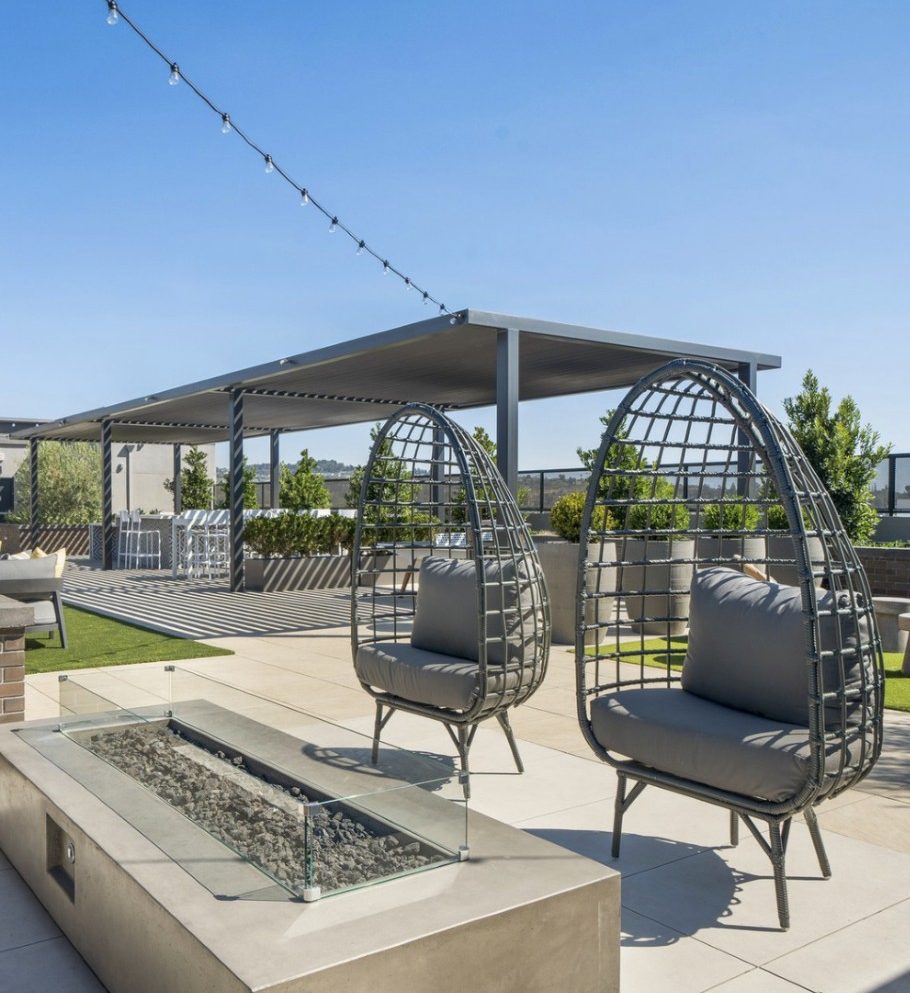
Certainly, roof decks have come a long way to become outdoor living spaces with zones for sitting, cooking and playing. “Obviously the outdoor kitchen is a place to meet your neighbor,” said Pearlman. “They also have great appeal for residents who have downsized from a house, because they regain the ability to cook outside on the rooftop. Plants and shade and a firepit hopefully are also part of that lifestyle.”
According to Pearlman, stylish seating can draw people in. The right furniture creates mingling spaces with neighbors and guests. “For a very small investment, you can get people to sit down and feel really good and have some fun. We love creating micro moments in multifamily.” There are many opportunities to do so. Everybody has deliveries. Even in a mail room, residents will appreciate being able to sit down, to meet their neighbor.
“These spaces aren’t random—they’re curated and they take a lot of thought,” Pearlman added. “If we do our job well, we really help our multifamily clients create value, retain occupants and get a greater return on investment.”