“Go Explore” Is a Resident Retention Strategy at This Arizona Community
Property Manager Chrissy Philippi expands on why the amenity resonates with residents.
At Northbend, a 310-unit community in Tempe, Ariz., the most sought-after amenity isn’t a resort-style pool or a high-tech coworking lounge, but a gear library designed to get residents off the property.
Developed by Milhaus in partnership with Banyan Residential, the community opened a year ago with the Trading Post, a first-of-its-kind concept for the company. Stocked with kayaks, paddleboards, sleeping bags and camping equipment, the lending library connects residents to the surrounding landscape and Phoenix’s outdoor culture.
Located within half a mile of the Lower Salt River and a network of urban and desert trails, Northbend is challenging the live-work-play model that has long been dominating the multifamily industry. The Trading Post encourages residents to leave the premises, explore and return. Positioned as an upscale amenity, the concept raises a broader question: Is access to nature the newest form of luxury?
In a conversation with Multi-Housing News, Northbend Property Manager Chrissy Philippi talks about how the concept came together, what it took to execute and why it’s particularly suited for Tempe, a market where experience-driven amenities are gaining traction among residents.
READ ALSO: Top Multifamily Amenities
What sparked the idea for the Trading Post?
Philippi: The Trading Post at Northbend emerged from Tempe’s position as an outdoor recreation hub, specifically our proximity to Tempe Town Lake less than a mile away. This popular paddleboarding and kayaking destination became key in conceptualizing an amenity that connects residents directly to experiences that define living here.
Rather than being driven by resident surveys or data analysis, the Trading Post came from recognizing the natural synergy between our site and the outdoor lifestyle that draws people to Tempe. With world-class water sports at residents’ doorsteps, plus immediate access to hiking trails and desert adventures, we saw an opportunity to remove barriers preventing people from fully experiencing what makes this location special.
The high cost and storage challenges of outdoor gear often keep people from trying new activities or pursuing their interests on Tempe Town Lake and the surrounding recreation areas. We recognized that residents aren’t just looking for traditional amenities but want seamless access to the experiences that connect them with why they chose to live here. This amenity represents our broader philosophy of creating value through experiences rather than just providing spaces.
To what extent was this concept shaped specifically by Northbend’s location in Tempe and Arizona’s outdoor culture?
Philippi: The Trading Post concept was fundamentally shaped by Arizona’s year-round outdoor culture and Tempe’s position as a recreation gateway. Arizona’s climate allows residents to stay active outdoors 12 months a year, creating consistent demand for gear that might sit unused for months in other markets. This climate advantage made the business case for maintaining and cycling outdoor equipment much stronger than it would be in seasonal markets.
Tempe’s specific geography played a crucial role in defining what equipment we stock and how residents use the Trading Post. Proximity to Tempe Town Lake drove our focus on water sports equipment like paddleboards and kayaks. The nearby Salt River and desert hiking trails influenced our selection of camping gear, hiking equipment and trail accessories. Our location 1.5 miles from Arizona State University creates a resident base that values outdoor activities and adventure sports.
We weren’t creating a generic outdoor gear program but curating equipment specifically for adventures that start within minutes of residents’ front doors. The local culture shaped how we positioned this amenity. Arizona residents tend to be more outdoor-focused and adventure-oriented compared to other markets where we operate. This wasn’t about introducing residents to outdoor activities but removing friction from activities they already wanted to pursue.
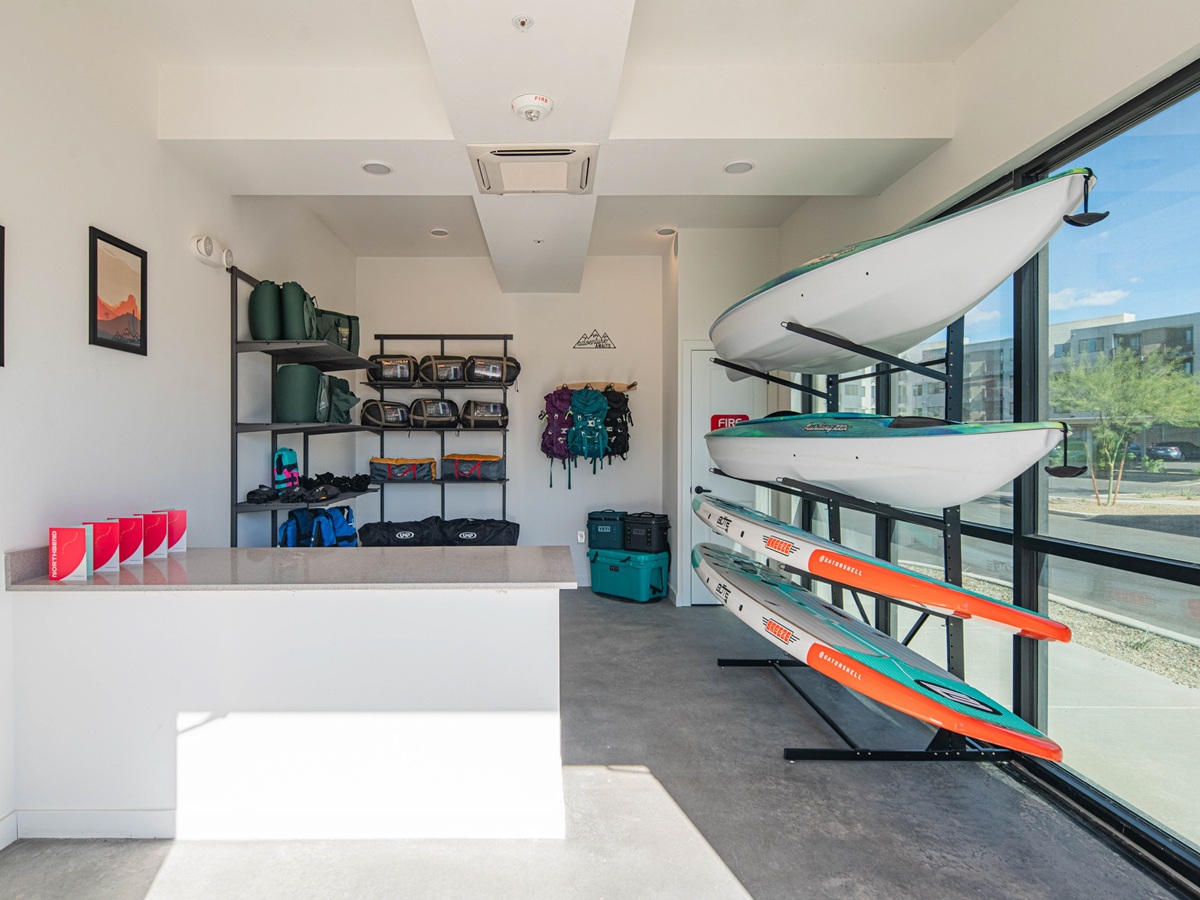
How does the gear lending process actually work for residents? What does day-to-day management look like?
Philippi: Our lending process centers on accountability and smooth experiences. Residents present valid government-issued ID at the office for residency verification before any gear checkout. Staff members accompany residents to the Trading Post to inspect items and confirm condition at release.
We track everything in a spreadsheet system recording resident name, unit number, items checked out and return dates. Upon return, staff inspect items to ensure no damage occurred and equipment returns clean.
What safeguards are in place to manage liability, damage and loss, especially with higher-value equipment?
Philippi: We partnered with our legal team to create a Trading Post Lease Addendum that residents sign. This addendum establishes comprehensive protections including liability waivers where residents acknowledge equipment use at their own risk.
The addendum clearly outlines damage responsibility. If gear returns damaged beyond normal wear and tear, we assess damage or full replacement charges to residents. Cleaning standards require residents to return gear in acceptable condition or face cleaning fees. Lost or unreturned equipment triggers replacement charges. This structure protects both the community and residents while maintaining accountability.
From a development and operations standpoint, how do you evaluate the ROI of a program like this?
Philippi: We evaluate amenity ROI through multiple performance metrics that tie directly to our development and operational goals. The Trading Post gets measured against traditional leasing velocity benchmarks, resident retention rates and competitive differentiation in the market.
From a lease-up perspective, unique amenities like the Trading Post often drive higher tour-to-lease conversion rates and can justify premium rents. We track how prospects respond to the amenity during leasing presentations and monitor whether it influences their decision-making process.
In Arizona’s competitive multifamily market, differentiation becomes critical for maintaining occupancy and rental growth. Retention rates provide another key measurement. Amenities that create genuine resident engagement tend to correlate with longer lease terms and higher renewal percentages.
The Trading Post fosters a sense of community and connection to the local lifestyle that standard fitness centers and pools cannot replicate. Brand differentiation carries significant value in our portfolio strategy, positioning Northbend as innovative and resident-focused while supporting our broader market positioning across Arizona.
READ ALSO: How Agrihoods Attract Wellness-Minded Renters
How does the cost of implementing and maintaining the Trading Post compare to traditional amenities?
Philippi: The ongoing cost to maintain the Trading Post program remains minimal. Our onsite team handles routine cleaning when needed upon return, creating no significant operational expense. When gear returns damaged beyond normal wear or requires excessive cleaning, we bill associated costs directly to residents according to the signed lease addendum.
The total initial investment for Trading Post equipment was $10,000. This represents a fraction of traditional amenity costs like fitness centers or pools while delivering high resident satisfaction and engagement.
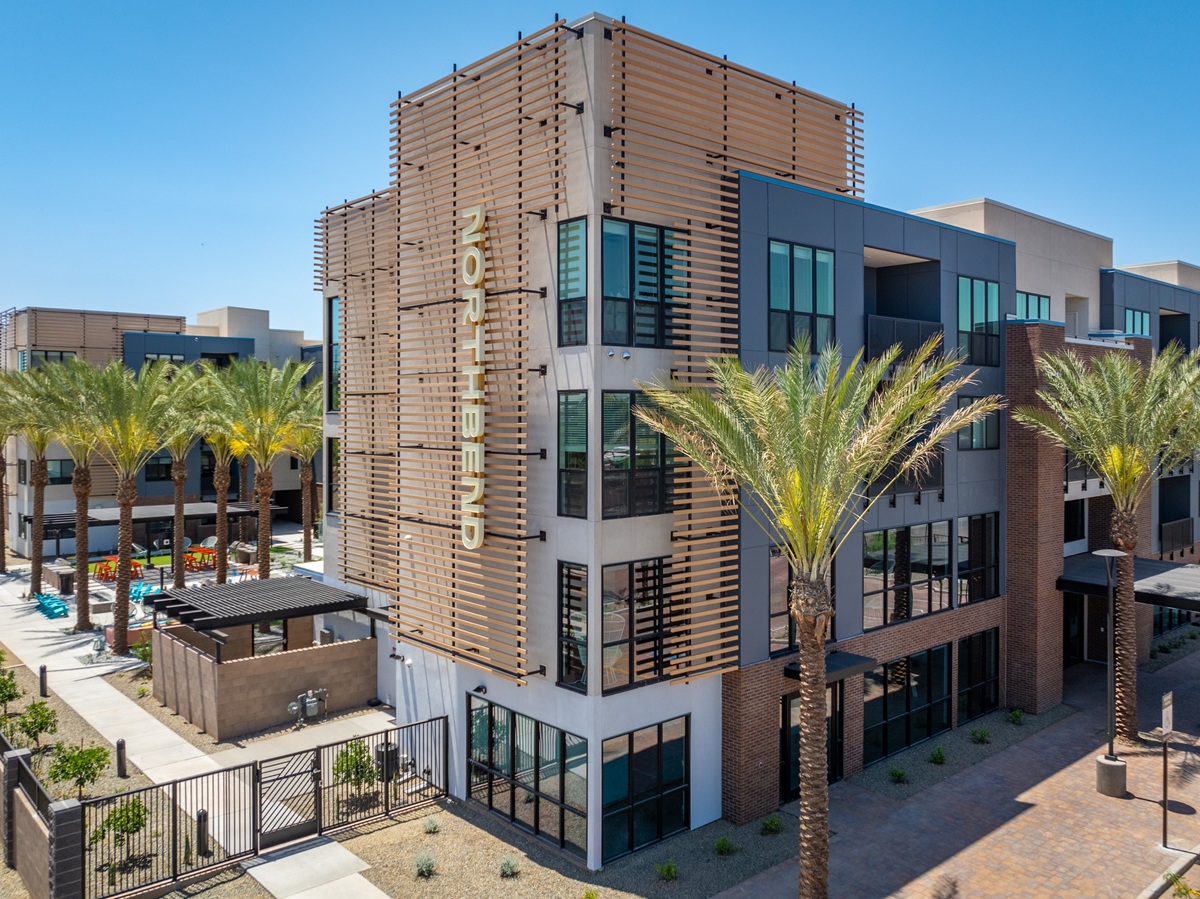
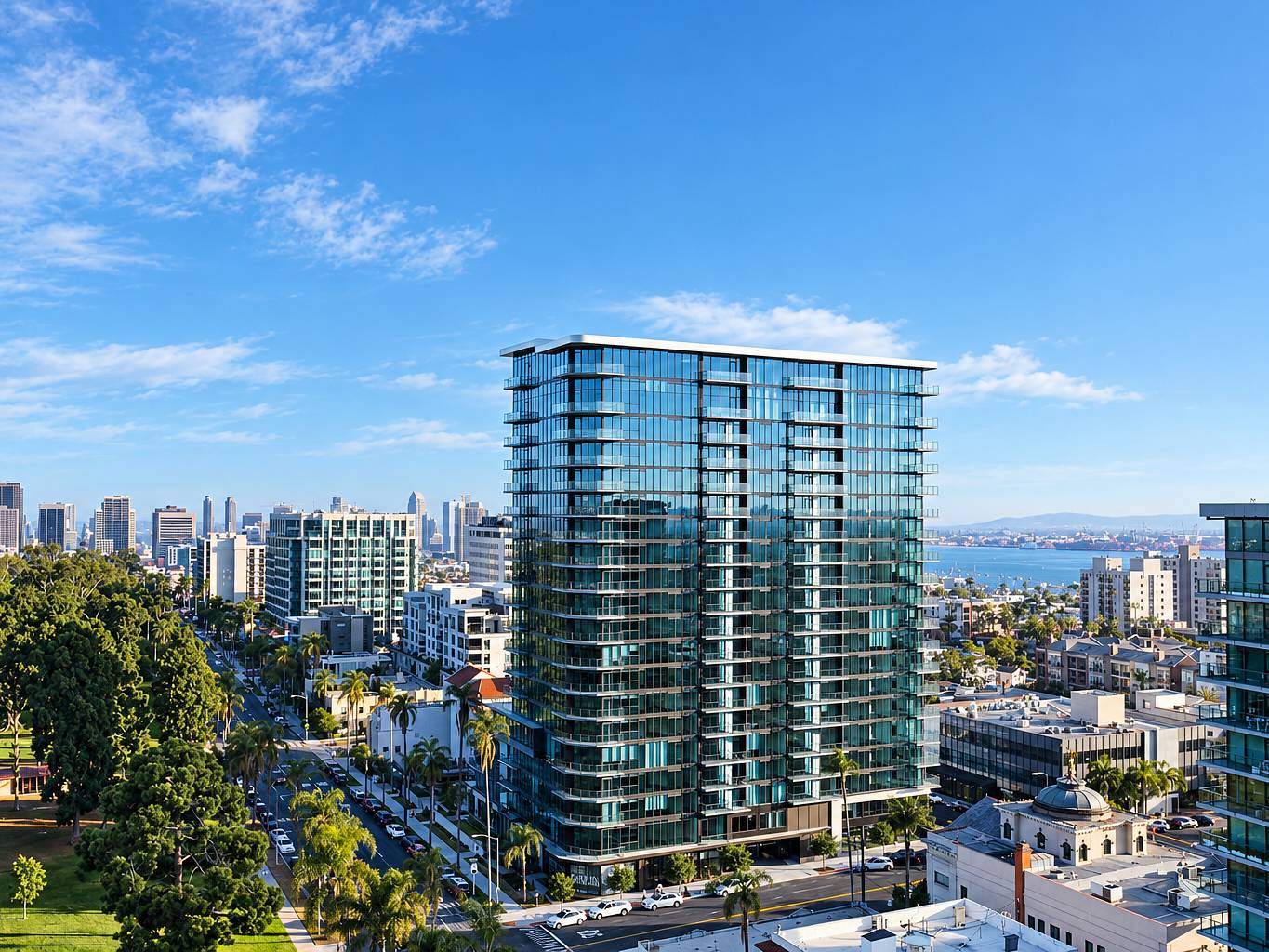
906 N. Miller Road, just blocks north of Tempe Town Lake. Image courtesy of Milhaus
Do you see this amenity reflecting a broader shift among renters toward experiences and outdoor engagement?
Philippi: The Trading Post absolutely reflects the broader shift we’re seeing in the rental market. People are looking for what we call “the flight to experience.” They want experiences over things. That concept started in office environments but has definitely moved into multifamily housing.
Today’s renter demographic is much more technologically advanced and values access over ownership. Younger residents especially prefer spending money on experiences rather than accumulating possessions they have to store and maintain. The Trading Post taps into that mindset by providing access to high-quality outdoor gear without the financial commitment or storage hassles of ownership.
The sustainability angle also resonates strongly with this demographic. Shared outdoor gear reduces individual consumption while maximizing utilization. Instead of 20 residents each buying a paddleboard that gets used twice a year, they can access quality equipment when they actually need it. That approach aligns with growing environmental consciousness and financial practicality.
Have you seen the Trading Post foster organic resident interaction?
Philippi: During several resident events, residents organically discuss the Trading Post, sharing stories about where they’ve used gear and expressing appreciation for having access to this amenity while living in an apartment home. The shared equipment creates natural conversation starters and connection points between neighbors. The amenity serves as both a practical resource and community catalyst, encouraging residents to explore their surroundings together while building relationships within the property.
Is this a one-off tailored to Northbend, or do you see gear lending as scalable across other Milhaus communities?
Philippi: The Trading Post concept represents our broader approach to creating location-specific amenities rather than cookie-cutter solutions. We don’t believe in one-size-fits-all amenities across our portfolio. Each market presents unique opportunities that require customized approaches.
Climate and geography drive the primary factors for scalability. Arizona’s year-round outdoor weather makes gear-lending viable 12 months annually. In our Midwest markets like Indianapolis or Kansas City, Mo., seasonal limitations would require different equipment rotations and potentially lower utilization rates during winter months. We’d need to adapt the concept to reflect regional recreation patterns.
The local recreation infrastructure also determines viability. Northbend works because Tempe Town Lake sits less than a mile away with established paddling and water sport communities. Our properties near hiking trails, ski areas or lake access present similar opportunities, while urban locations without nearby outdoor recreation might require completely different approaches.
We evaluate each market annually through our research-driven investment strategy, which includes analyzing local recreation trends and resident preferences. This data-driven approach allows us to identify which properties could support gear lending and what specific equipment would generate the highest utilization. The concept scales best when we can leverage local partnerships with outdoor retailers and recreation providers, creating economies of scale for equipment procurement and maintenance across multiple properties in the same region.