How to Build a Multifamily Podcast Pros Actually Follow
We’ve uncovered great ideas that take you from concept to consistency—plus the formats, workflows and metrics that scale.
Podcasting is now mainstream—and increasingly watchable.
U.S. monthly podcast consumption hit new highs in 2025, with YouTube emerging as the platform weekly listeners say they use most often for podcasts, according to Edison Research’s The Infinite Dial 2025 report. For multifamily brands, building a compelling multifamily podcast means meeting that higher standard of quality while delivering insights operators can use immediately.
But while launching a podcast is relatively easy, creating one that people actually want to listen to—and keep coming back to—takes strategy, discipline and a clear sense of purpose. A successful show doesn’t happen by accident; It’s built on intentional choices about audience, format, tone and long-term sustainability.
READ ALSO: Listen to MHN Podcasts
In an industry as fast‑moving and multifaceted as multifamily, a podcast can become a powerful extension of your brand’s voice. The right multifamily podcast can deepen credibility and create space for the nuanced conversations operators rarely find on social feeds. But to reach that point, you need a foundation that ensures every episode earns its place in your audience’s routine.
Whether you’re considering a podcast for brand building, thought leadership or deeper storytelling, these fundamentals can help set your show up for long-term impact.
Start with a clear “why”
Before recording a single episode, it’s essential to define what your podcast is meant to achieve. Is it a platform for industry education? A place to spotlight innovation and emerging trends? A way to humanize leadership or amplify underrepresented voices in the multifamily space?
A strong podcast concept sits at the intersection of three things: what your audience wants to hear, what you’re uniquely positioned to offer and what you can realistically sustain. Narrowing your focus early helps shape everything that follows, from episode topics to guest selection and tone.
Defining the purpose of your multifamily podcast ensures every episode speaks directly to the audience you want to reach—owners, operators or asset managers. Just as importantly, clarity of purpose makes it easier to say no to content that doesn’t serve the larger vision—an underrated skill once a show gains momentum.
Anchor your concept where three circles overlap: audience needs, your unique point of view and what you can sustain. Then choose one primary job for the show (e.g., “explain what actually moves NOI,” “decode renter-experience tech,” “operator-to-operator playbooks”).
A tight positioning makes it easier to say no to off-topic guests and shiny objects. Podcast listeners skew affluent and highly educated, attractive for B2B reach and brand-building. Edison Research’s The Podcast Consumer 2024 report shows that 49 percent of U.S. monthly listeners are college-educated and 56 percent have household income larger than $75,000/year.
Design the editorial: format, flow & pacing
Great podcast episodes feel effortless, but that ease comes from careful structure. Think of your episode as a story: each segment has a purpose and a rhythm that keeps listeners engaged from start to finish. A well‑structured multifamily podcast keeps listeners engaged by blending industry context with operator‑level insights they can act on.
A strong episode often begins with a cold open—a brief, compelling hook of 20–30 seconds that immediately shows the listener what they’ll gain. For example: “How Cortland used concierge tech to lift reviews—fast.” From there, a one-to-two-minute set-up introduces the guest and establishes why today’s conversation matters, giving context and credibility before diving in.
READ ALSO: How to Build Long-Term Brand Loyalty
The main content typically unfolds in three acts. Act I defines the problem—like leasing friction or turnaround costs—so listeners understand the challenge at hand. Act II digs into the decisions, trade-offs and numbers behind solving that problem, offering a detailed look at strategy in action.
Act III delivers the playbook: practical takeaways listeners can implement, including what to emulate and what to avoid. Finally, a concise takeaway close—usually under a minute—distills the episode into a single actionable insight for teams.
Episodes that hit this rhythm usually run 20–40 minutes, the sweet spot for most listeners during commutes, site walkthroughs, or short breaks. The structure keeps content digestible while giving each story the depth it deserves.
Make it sound and look professional
Even the most compelling podcast idea can be undermined by poor audio. Listeners are remarkably forgiving of content that’s new or experimental—but they rarely forgive rough sound.
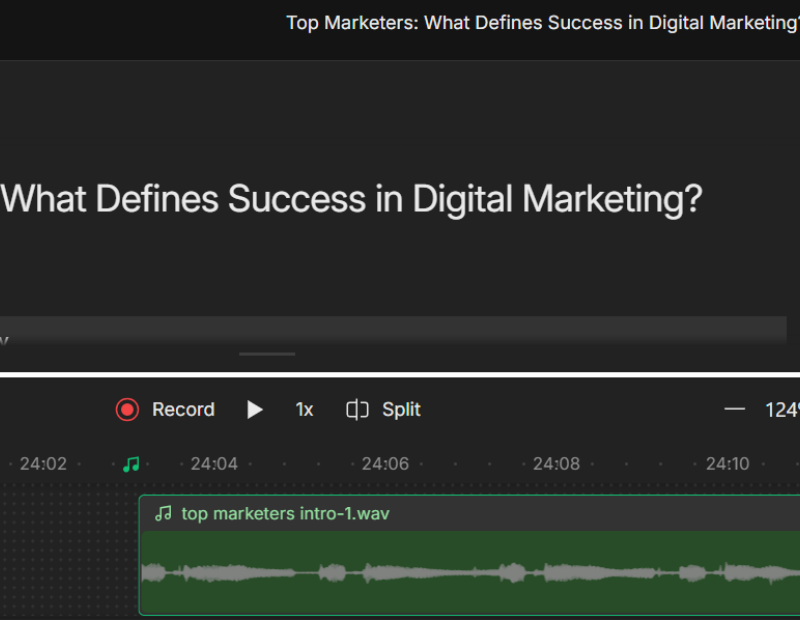
Prioritizing quality starts with the basics: a dynamic microphone, close mic technique (about three to five inches from the mouth) and a quiet room with soft surfaces to minimize echo. For remote interviews, recording each participant on separate tracks—and then normalizing and lightly compressing them—ensures consistent volume and clarity throughout the episode.
Video is becoming just as important. The multifamily industry, like much of podcasting, has shifted toward watchable content. YouTube is now the platform most frequently used by weekly podcast listeners, and many tune in with the video in the foreground or audio in the background.
A clean two-camera setup—or even a single-camera shoot—paired with simple branded lower-thirds can elevate the production, making it visually engaging without overshadowing the audio, which should remain the production of record.
Investing in sound and visuals isn’t just cosmetic—it signals professionalism, builds trust and helps your podcast stand out in a crowded content landscape.
Hosting is a skill. Develop It!
Podcast hosting is more than asking questions—it’s about truly listening, responding thoughtfully and knowing when to dig deeper or move the conversation along. Effective hosts strike a balance between curiosity and restraint, giving guests the space to share meaningful insights while keeping the discussion focused on the episode’s purpose.
Over time, a strong host develops a voice that feels informed, approachable and confident—one that naturally encourages guests to open up and keeps listeners engaged from start to finish.
Like any skill, hosting improves with practice. Reviewing past episodes, identifying pacing issues or missed opportunities and consciously refining your technique can transform a good show into a great one.
Promote, measure, evolve
Even the best podcast won’t grow if no one knows it exists. Promotion should be built into the production process, not added later.
Sharing episodes across social channels, newsletters and websites expands reach, while short audio clips or pull quotes spark interest. Encouraging guests and colleagues to share content amplifies visibility, turning each episode into a mini content engine that drives conversations across platforms.
Promotion turns your multifamily podcast into an engine for ongoing discovery, bringing new listeners in while reinforcing expertise among existing followers.
Measurement is just as important. Downloads matter, but engagement, listener feedback, guest quality and alignment with brand goals are equally critical. Tracking which topics, formats and guests resonate—and reviewing reports from hosting platforms and social channels—helps refine content, pacing and outreach over time.
Podcasting is a long-term play. Success comes from consistency, thoughtful questions and delivering real value to a defined audience. Done well, a podcast becomes more than content: it builds conversation, community and credibility, creating lasting impact in an industry that increasingly values nuance, context and human connection.