Recent Cabinet Manufacturer Closures Are Raising an Important Question: Who Is Actually Manufacturing Your Cabinets?
The ability to manufacture to specification can often create opportunities that inventory-based programs cannot.
Recent cabinet manufacturer closures and financial struggles have created uncertainty throughout the building industry.
Most recently, Legacy Cabinets announced it was ceasing operations, joining a growing list of well-known names that have experienced significant challenges in recent years. For developers, general contractors, procurement teams, dealers, and property owners, the immediate concerns are obvious: What happens to existing orders, project schedules, warranty support and punch-list services? What happens if a supplier disappears halfway through a project?
These are important questions. But there is another question the industry should be asking: Are all cabinet manufacturers actually built the same way?
The industry has changed
To many buyers, one cabinet company may appear much like another. The reality is that cabinet manufacturers often operate under very different business models.
Historically, much of the industry was built around framed and semi-custom cabinetry. Manufacturers stocked large numbers of standard cabinet sizes, door styles, finishes and accessories. Dealers and designers selected from those options, and projects were built around available product lines.
That model worked well for many years. But today’s multifamily market looks very different.
Modern projects increasingly feature frameless cabinetry, slab doors, integrated appliances, panel-ready appliances, taller cabinets, tighter reveals and highly specific design requirements. Unlike traditional framed cabinetry, modern frameless systems leave very little room for adjustment. Dimensions matter. Appliance coordination matters. Project-specific sizing matters.
Increasingly, multifamily projects are not simply selecting products from a catalog; they are manufacturing programs built around a project’s specifications.
The products that are easiest to specify are not always the most practical to build
Another challenge facing today’s project teams is the growing gap between design specifications and manufacturing realities.
Designers are exposed to an endless stream of materials, finishes, textures and trends. Products often find their way into specifications because they are visible through sample programs, design libraries, manufacturer representatives or current design trends. However, the products that are easiest to specify are not always the products that are easiest to procure, source, manufacture, or scale across hundreds of apartments.
A designer may select a particular decorative surface, specialty texture, or branded product because it supports a desired aesthetic. Months later, the project team may discover that the specification carries significant cost premiums, sourcing challenges, lead-time concerns or compliance limitations. The issue is not that the design intent was wrong. The issue is that the specified product may not be the only way to achieve it.
In many cases, similar aesthetics can be achieved through alternative materials, finishes, construction methods, or sourcing strategies that better align with the project’s budget, schedule, procurement objectives, and manufacturing requirements. The goal is not to weaken the design. The goal is to preserve the intent while identifying the most practical manufacturing solution.
Why manufacturing models matter
One lesson emerging from recent industry events is that manufacturing flexibility has become increasingly valuable. Some manufacturers are built around maintaining large inventories of standard products and combinations, while others are built around manufacturing directly to project specifications.
Neither approach is inherently right or wrong. They simply serve different markets and operate in other ways. For multifamily developers and contractors, however, understanding that distinction has become more important than ever.
A project may require a unique finish, a domestic sourcing program, FSC-certified materials, KCMA-certified cabinetry, a value-engineered alternative or cabinet dimensions that don’t exist in a standard catalog. The ability to manufacture to specification can often create opportunities that inventory-based programs cannot.
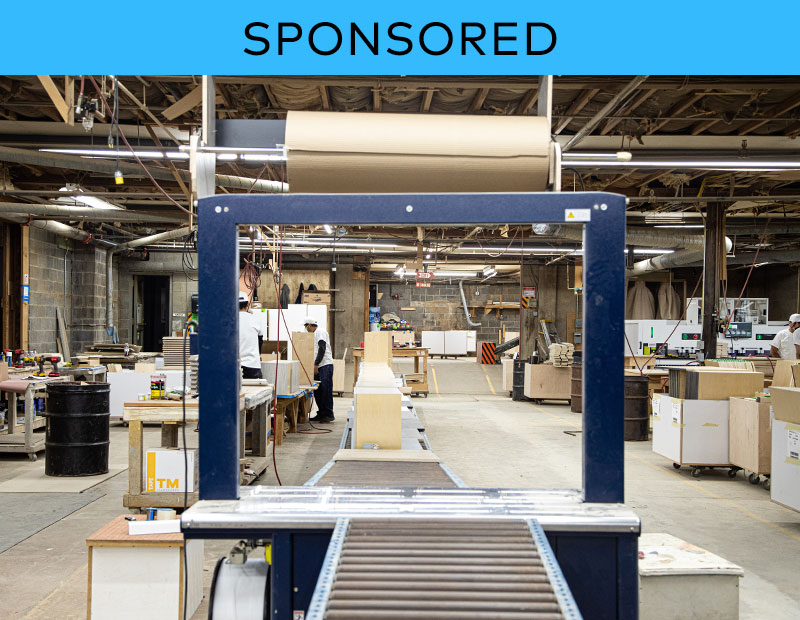
At Cober Cabinets, our focus is not maintaining large inventories of standard cabinet combinations. Our focus is manufacturing cabinetry directly to project specifications. That means helping customers align design intent, project requirements, budget objectives, sourcing requirements, and manufacturing realities from the outset.
Looking beyond cabinet pricing
Recent manufacturer closures serve as a reminder that selecting a cabinet supplier involves more than comparing cabinet prices. Project teams are ultimately buying manufacturing capability, execution, flexibility, and long-term support.
The question is no longer simply who can supply cabinets. The question is which manufacturing model is best equipped to support modern multifamily construction.
The right time to ask questions
Recent events have understandably caused many developers, contractors, dealers, and procurement teams to reevaluate their cabinet sourcing strategy.
If your project has been affected by a supplier disruption—or if you’re evaluating alternatives for an upcoming multifamily development—it may be worth taking a closer look at who is actually manufacturing your cabinets and how that manufacturing model aligns with your project’s needs.
Because in today’s multifamily market, that question may matter more than ever.
Cober Cabinets is a KCMA-certified domestic manufacturer specializing in multifamily cabinetry. We manufacture conventional multifamily, build-to-spec, FSC-certified, and domestic sourcing cabinet programs from our New York facility and support projects throughout the United States.
If your project has been affected by a recent supplier disruption, or if you’re evaluating options for an upcoming development, we’d welcome the opportunity to review your specifications and discuss available manufacturing solutions.
Learn more here: https://cobercabinets.com/multifamily/