Why Would-Be Homebuyers Are Choosing to Rent Instead
For many households, buying a home is undesirable for a number of reasons.
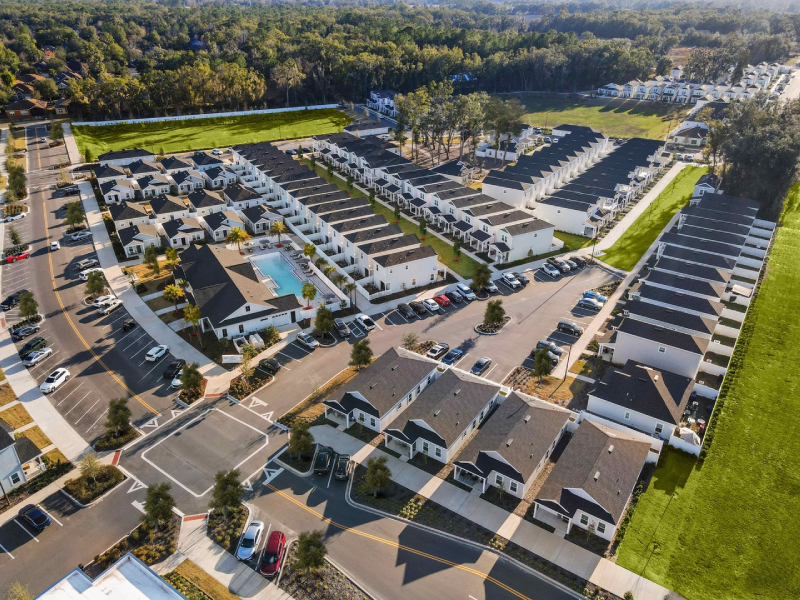
A new survey from the Center for Generational Kinetics sheds light on the popularity of single-family rental homes, reporting that a significant number of renters are not interested in home ownership or see it as being out of reach.
According to the survey, which included 1,000 participants from ages 18 to 70 who currently live in a single-family rental home, just 8 percent of home renters defined the American Dream as owning a home, and 70 percent said they felt relieved to not bear the burden of maintenance costs or taxes.
Some 42 percent of American home renters said they rent because it is cheaper than buying a home, 41 percent said it is because they cannot afford to buy a home in a particular area and 35 percent because they are saving to buy a home. Other factors include low credit scores, a lack of cash for down payments and high interest rates.
READ ALSO: Will the North Texas BTR Market Continue to Shine?
Respondents were also asked where they would live if they did not live in a rental home, and fewer than one in five said they would try to purchase one. Another 25 percent said they would most likely live with family or friends, while one-third would most likely rent an apartment.
Generational differences
The data reveals different reasons for home renting among different age groups. A total of 43 percent of Gen Z, for example, said they had begun saving for a down payment to purchase a home—the highest figure of any generation. Additionally, 53 percent of Gen Z reported having better access to schools or jobs through renting.

Gen X, in contrast, was more likely to choose renting for convenience and to avoid maintenance, repair and upkeep costs. The data also showed that Gen X was more likely to sell homes they previously owned in order to reinvest the equity from a single-family home for more flexibility.
Policy pressures
The report comes after President Donald Trump suggested that he would ban institutional investors from purchasing single-family homes. Jay Parsons, a rental housing economist, told Multi-Housing News that this action would not address the root causes of why home ownership has become unattainable for many, pointing to the fact that more than 1 million rentals on the market have been lost to owner-occupant sales.
“If we continue to remove more single-family rentals from the market or block some investors from bringing rentals into the market,” Parsons said, “that will inevitably backfire on families unable to buy a house, as they’ll likely face higher rents and fewer options.”
Single-family rental market shows signs of cooling
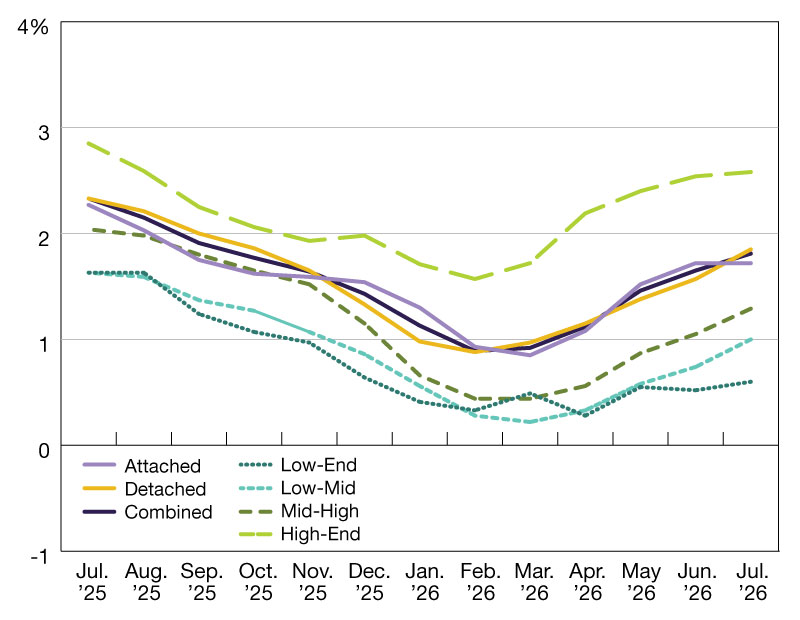
Single-family rental prices grew 0.9 percent year-over-year through October 2025, according to a Cotality report, significantly less than the 2.8 percent increase recorded between October 2023 and October 2024.
However, rent growth diverged for high-end properties compared to low-end ones. Rent for high-end properties increased 1.4 percent year-over-year in October 2025, while low-end property prices grew 0.4 percent year-over-year, suggesting that affordability challenges are affecting budget-conscious renters while demand for higher-priced rentals remains relatively stable.