Multifamily Predictions for 2026
These 10 drivers are likely to shape opportunities this year.

Multifamily is facing a confluence of challenges—from the impact of tariffs and interest rates to rising construction and insurance costs.
We asked apartment industry experts to zero in on these challenges and share their predictions for the top trends that will affect the industry. We narrowed them down and present their 10 predictions here.
1. Developers Are Selective
Multifamily investors and operators will continue to focus on monitoring market conditions and pricing to ensure the financial viability of new developments. “Material costs—including lumber, concrete and other hard goods—have fluctuated significantly this year, impacting budgets and pro formas,” said Jake Marshall, COO of The Breeden Co. “This volatility is expected to persist, requiring ongoing diligence in cost management and forecasting.”
2. Capital Favors Acquisitions
The cost and availability of funding in 2026 will depend on whether you’re building or acquiring. Michael Zaransky, managing principal of MZ Capital, said he’s seen “lenders hungry to put out debt on multifamily assets because they view it as a favored asset class.” Improving fundamentals—as construction slows down in most markets and affordable entry-level, single-family homes become scarcer—will make multifamily even more attractive for investors. Ground-up financing, on the other hand, will be limited.
3. Sun Belt Still a Favorite
Sun Belt markets with stronger job creation and in-migration prospects remain high on investors’ prospect lists. But other opportunities are emerging. “Midwestern and Northeastern metros with minimal development, and the ones that have recently been achieving market-leading rent growth, are also drawing investor attention,” said John Chang, chief intelligence and analytics officer for Marcus & Millichap.
4. Smaller Is Better—With Great Amenities
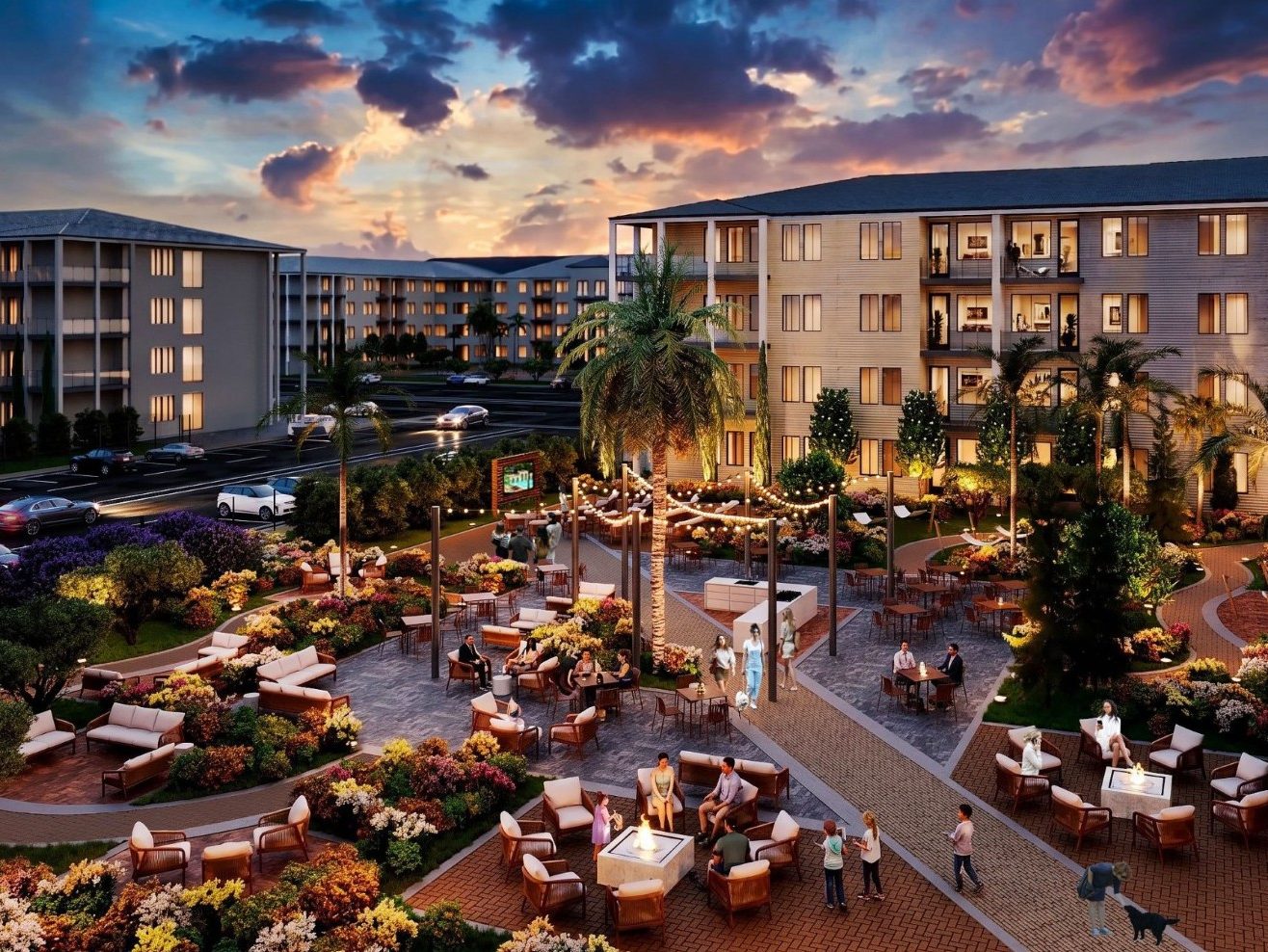
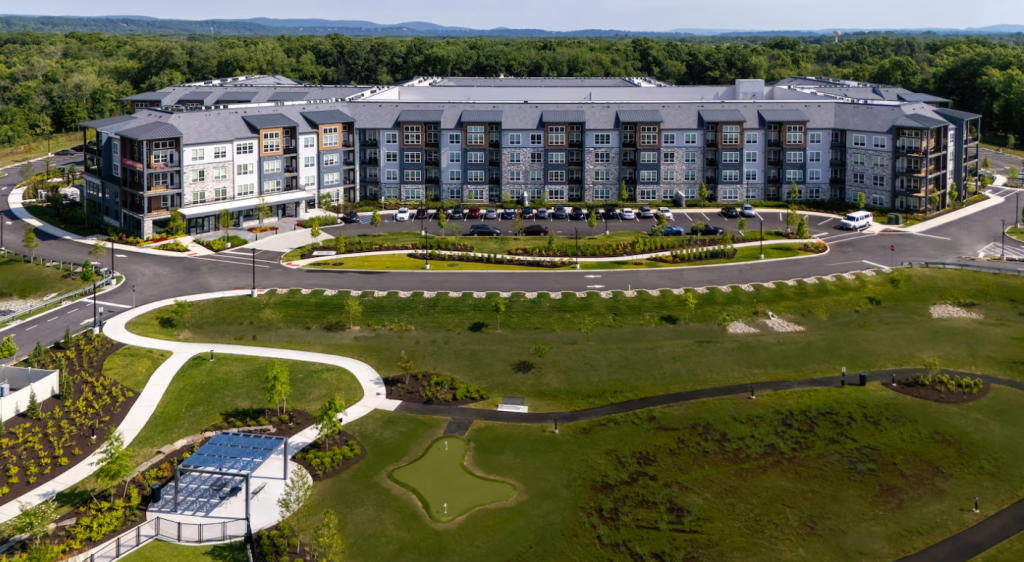
As costs rise for both construction materials and labor, apartments will be scaled-down. “Expect smaller average unit sizes but with higher functionality, such as better closet systems, convertible workspaces and built-in storage,” reported Jeff Klotz, CEO of The Klotz Group of Cos. “Developers will offset smaller units with large-scale amenities—chef’s kitchens, sky lounges, coworking spaces, outdoor dining pavilions and curated programming that extend a resident’s living space.”
5. Amenities Get Rightsized
Developers are increasingly rethinking what the right amenities should be. According to Alison Mills, vice president of design and development for CRG, they are “rightsizing” offerings rather than overbuilding amenities that may sit vacant. “The focus has moved away from the sprawling, resort-style amenity decks of the past toward more purposeful, high-performing spaces that renters actually use and appreciate,” she said. “By focusing investment on these meaningful amenities and scaling back underused ones, developers are aligning their offerings with renters’ evolving priorities.”
6. Wellness Takes Precedence
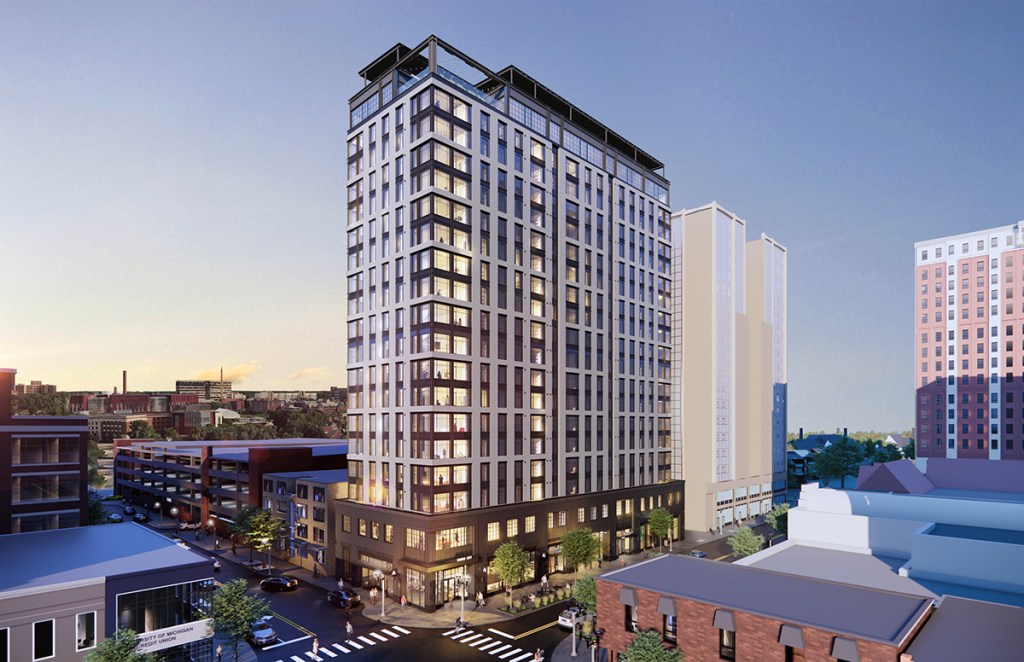
Wellness will become a key differentiator. Developers are expanding beyond fitness into full-spectrum wellness by adding infrared saunas, red-light therapy, cold-plunge circuits, recovery lounges, guided stretching areas and quiet meditation rooms, said Leslie Mathis, director of asset management for Woodfield Development. “What used to be considered specialty spa amenities are now expected features.”
7. AI Boosts Efficiencies
Artificial intelligence will play a bigger part in all facets of the apartment business. In construction, “current technologies, such as augmented reality goggles and 3D tour-capture using LiDAR scanning, are already enhancing efficiency and accuracy,” noted Brian Revere, president of Breeden Construction. In operations, “virtual leasing agents, maintenance support tools and resident service technology help our teams respond faster and more consistently,” said Scott Berka, senior managing director of brand and customer experience at Greystar. “This allows our people to focus on what matters most—creating meaningful connections with renters.”
8. EV Charging Stations Spread
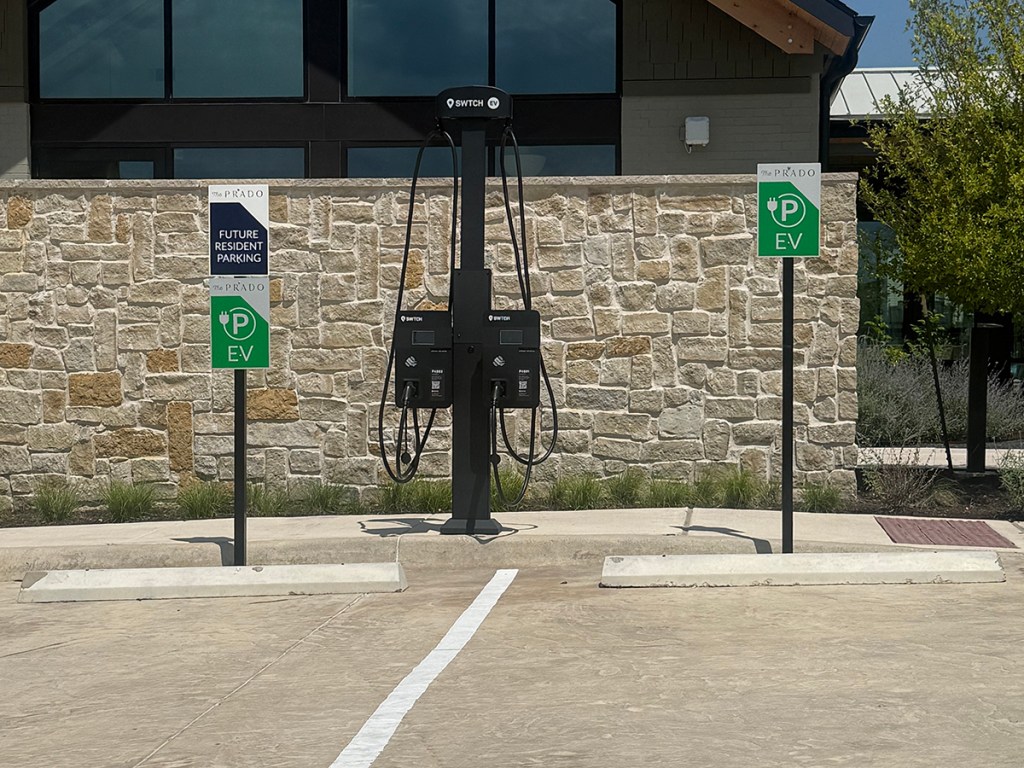
EV charging will continue to be a must-have amenity. And while the federal credit for electric vehicles has expired, state and local incentives for EV charging continue, and will ensure growth. “Just one new or retained resident provides property owners with an accretive return,” said David Aaronson, founder & chief executive officer of Refuel EV Solutions.
9. Resilient Buildings Win
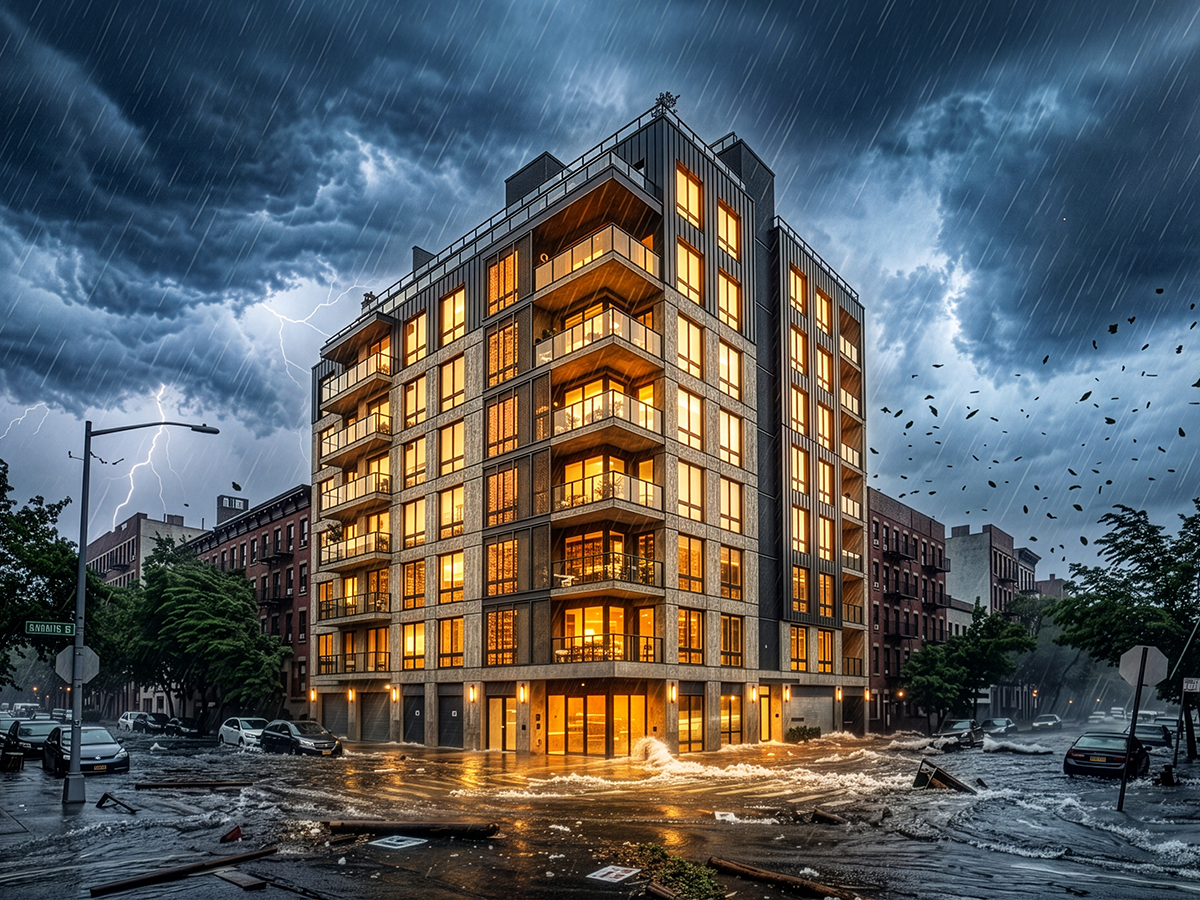
Climate resilience is no longer optional—it’s essential to long-term value creation. “We’ve embedded climate risk assessment into our core process because tomorrow’s competitive assets are the ones built with future conditions in mind,” said Gautami Palanki, vice president of sustainability at AvalonBay Communities.
10. Marketers Discover New Channels
New opportunities for apartment marketers are coming as ChatGPT and similar platforms embrace paid placements. “It’s already leaked that ChatGPT has an offering coming,” said Ellen Thompson, co-founder & CEO of Respage, a provider of AI multifamily marketing and leasing solutions. “Once that happens, advertising won’t be limited to search results. It will show up inside the answers themselves.”