How to Retain Students as Long-Term Residents
Build brand loyalty now, and you'll reap the benefits later.

If your company operates both student housing and conventional apartment assets, do you consider your student residents to be long-term prospects for your properties? Or do you allow them to graduate and age out of student housing, never to be seen again?
If you take the latter approach, you’re missing out on a valuable opportunity and a vast pool of potential future residents. By this spring, undergraduate enrollment had ticked up 3.5 percent year-over-year to 15.3 million, according to the National Student Clearinghouse Research Center.
“Today’s student housing resident is tomorrow’s build-to-rent or multifamily renter,” observed Mary Cook, founder & president of Mary Cook Associates. “By earning students’ trust through design and a cohesive brand experience, developers and operators can encourage graduating residents to consider other communities within their portfolio.”
Why market to your own student residents? Simply put, they’re low-hanging fruit. If you’ve already done your job as an operator and provided these renters with a superb experience, then they should happily consider staying within your portfolio and renting from you in the future.
The easiest thing you can do is start connecting the dots between your properties.
—Christine Gustafson, Vice President of Marketing and Public Relations, The Breeden Co.
Marketing to existing customers is also associated with lower resident acquisition costs. And since these renters are familiar with your brand, they are far more likely to convert than new prospects.
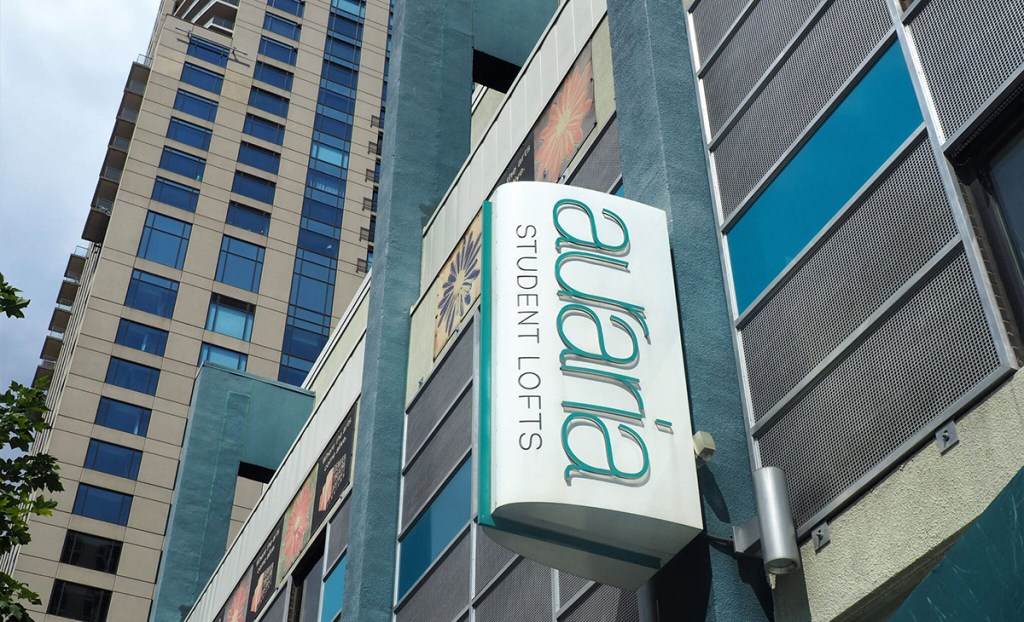
“Our hope is that our students have had a great experience with their housing at college, and they’ve hopefully been good (residents), so we’d love to find a way to get them a home as they embark on their next journey in life,” said Scott Berka, senior managing director of brand and customer experience at Greystar, which operates 132 student properties comprising 75,026 beds. The developer is currently partnering with Merrimac College on a 540-bed project in North Merrimac, Mass. The property is scheduled for completion in 2026.
“If we can make their search for housing a little easier, it’s great for them, but it’s also great for us because we already know these people, and what they like and how they engage.”
Building student resident loyalty
Providing top-notch customer service to your student residents is a given for building brand loyalty, but creative approaches to sweeten the deal pay off, as well. “We’re constantly finding new ways to make sure that everything is well maintained and that if someone has a problem, we fix it quickly,” shared Berka. “But we’re also focused on adding new benefits for renters, many of whom are unique to Greystar.”
Greystar partners with BILT so student residents can earn rewards by paying their rent. The firm also works with outside vendors, such as AT&T and Uber Eats, to provide added value and an elevated experience.
Today’s student housing resident is tomorrow’s multifamily or build-to-rent renter.
—Mary Cook, Founder & President, Mary Cook Associates
Landmark Properties, whose student housing projects include a new $110 million development near the University of Michigan’s Ann Arbor campus, conducts biannual satisfaction surveys of its residents. The goal is to not only help maintain their brand but also “to make sure that when students are leaving that Landmark maintains a strong presence in their minds when they’re looking for other rental products,” noted Rex Warner, a development manager with the company.
Start cross-marketing early
Your student residents may not have job offers yet, but it’s never too early to start cross-marketing your conventional communities so you keep your brand top of mind.
Every spring, Greystar sends an email to 16,000 of its student renters and likely graduates, inviting them to consider another community within the company network. “The open rates were astoundingly high,” Berka reported. “This is a group that was eager to look at this.” The result: In 2024, the campaign led to 300 new leases across Greystar’s portfolio.
Similarly, this fall, Cardinal Group will mount a marketing effort tailored to student renters who will be graduating in 2026. Denver is a market where the company operates both student and conventional housing, “so this is a prime opportunity for students who will be staying in the Denver area,” according to Justine Tuma, Cardinal’s portfolio sales and marketing manager.
Cardinal sets up what Tuma calls “sister property partnerships,” which pair student communities with conventional properties in the same submarket. During the fall campaign, the company will get the word out to juniors and seniors about apartment options not only in Denver but across the country. The email and social media outreach teams will emphasize the benefits to students through messaging such as: “We know you are about to have a big life change. Let us help you make it easier.”
Offer incentives
While you’re crafting an appealing message, consider also offering incentives to students if they stay within your portfolio. Cardinal offers concessions based on what the owner of the conventional property is willing to provide. “We see this as a huge opportunity for us, and we want to be able to offer incentives so that not only will students get the benefit of staying within the brand and getting the same great customer service but they’ll also get some kind of monetary benefit or even just a streamlined application process,” shared Tuma.
Landmark plans to launch a campaign this fall to attract its student renters to its BTR properties. “It will include targeted email campaigns and exclusive concessions for our student residents—rent discounts, free months and moving-cost contributions,” reported Warner. “There are numerous creative opportunities here.”
And, in maintaining long-term ties with today’s undergraduates, many of whom are part of the Gen Z cohort, it’s wise to keep in mind the qualities this group values—among them authenticity, transparency, sustainability, convenience and access to technology.
Look to the future
Marketing conventional apartments to your existing student base is a potential win-win for operator and renter. But the strategy isn’t limited to the post-college transition. “Building brand loyalty with residents can pay off at any stage of life and across multiple housing types,” noted Cook. Consider extending the concept. If you’ve successfully moved your students to conventional apartments, they may very well be candidates for your BTR properties, condominiums and, someday, 55-plus communities.
The idea extends the strategy to keep residents within the portfolio. “You can’t keep every person from moving out,” noted Christine Gustafson, vice president of marketing and public relations at The Breeden Co. “It could be they buy a house or get a job transfer to another state. But the easiest thing you can do is start connecting the dots between your properties. It should be holistic, it should be overarching, and you should be connecting the dots to retain your current loyal base.”