5 Digital Channels That Make Paying Rent Easier
From mobile apps to text reminders, these tools are giving renters more flexibility in managing monthly payments.
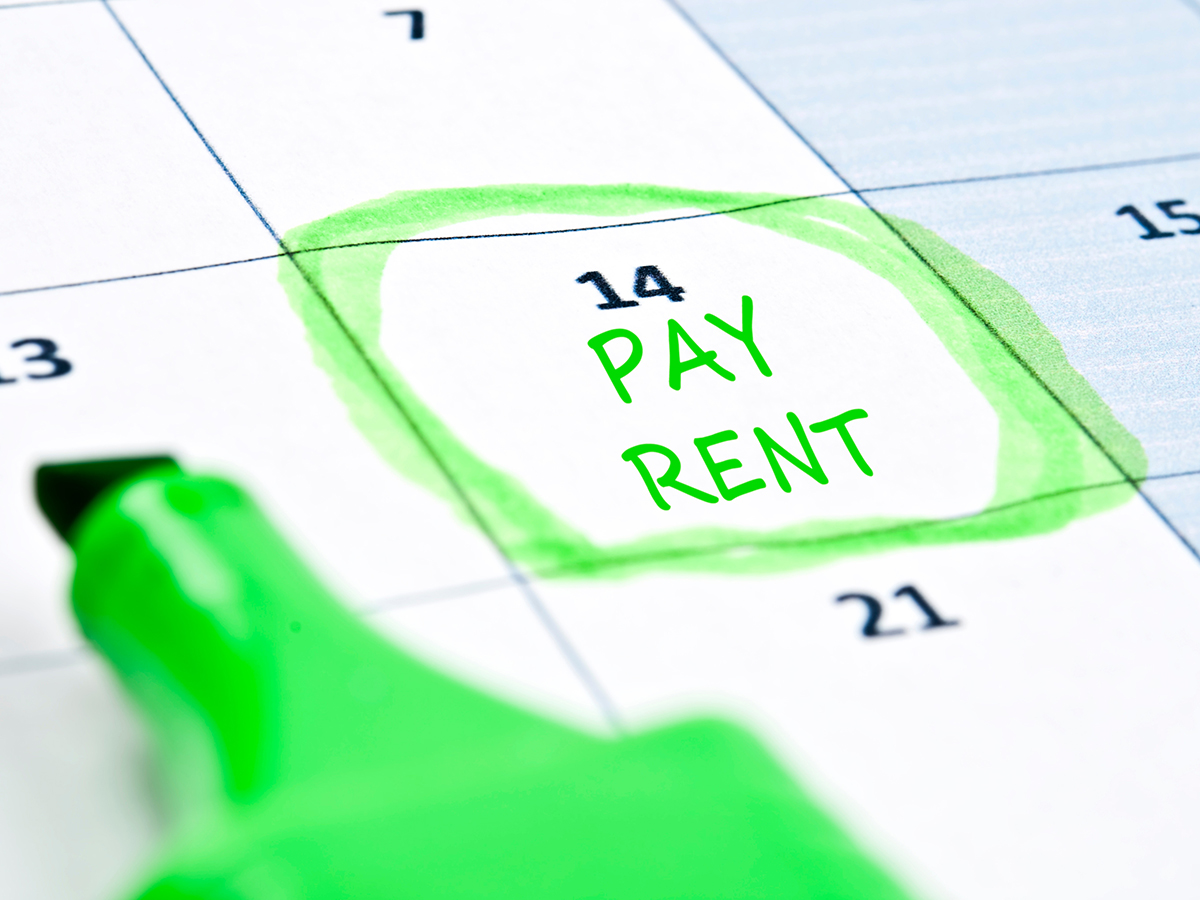
Rent payments are increasingly handled online, but residents have different preferences when it comes to managing monthly bills. Some favor automatic payments through a portal, while others rely on mobile apps or reminders to keep track of due dates.
According to Buildium’s 2026 Renters’ Report, 44 percent of surveyed renters identified easy payments as a priority when using resident portals. Payment preferences also varied considerably, with debit cards leading at 31 percent, followed by digital wallets at 19 percent and electronic bank transfers at 16 percent.
For multifamily operators, that means offering flexibility in both how residents pay and how they access payment services. While mobile apps and resident portals can process transactions, text messages, email and chat tools can also help residents manage payments and stay informed.
Mobile apps bring payments within reach
For residents who already use their phones to manage banking and other household expenses, paying rent through an app can be a natural extension of that routine.
Mobile payment platforms allow residents to view balances, make one-time payments and, in many cases, schedule recurring transactions. Depending on the system, users can pay through their bank accounts or with debit and credit cards.
The mobile experience should be straightforward, particularly for residents making a quick payment, updating their payment information or checking whether a transaction went through.
Text messages make reminders more accessible
Text messaging can help residents keep track of upcoming payments without having to regularly check an app or email inbox. Depending on the technology available at a community, texts may serve as reminders or allow residents to initiate payments directly.
Some systems allow residents to check balances, submit payments and receive confirmations by text message. Others use SMS notifications to direct residents to their established payment platform.
For property managers, automated reminders can reduce the need for individual follow-ups, particularly around rent due dates. Residents still need clear instructions on how the service works and which numbers or messages are legitimate.
Email keeps residents informed
Email remains useful for communicating rent due dates, payment confirmations and account updates, especially for residents who prefer keeping financial correspondence in one place.
Although email generally directs residents to a secure payment platform rather than processing the transaction itself, it provides a written record of payment-related communications. Residents can revisit instructions, review notices about upcoming charges or locate confirmation details without contacting the leasing office.
Email can also be particularly helpful when a community introduces a new payment system or changes its procedures. Clear instructions sent ahead of time give residents an opportunity to familiarize themselves with the process and ask questions before their next payment is due.
For onsite teams, scheduled reminders can reduce repetitive inquiries, provided the messages are timely and direct residents to the property’s official payment channel.
Chat tools help residents navigate payments
AI-powered chat services can help residents handle routine payment questions without waiting for the leasing office to open. Someone checking a late fee or trying to locate their account balance may be able to get an answer through a chatbot.
Some systems also send personalized reminders or guide residents toward their payment options, although the transaction itself may still take place through a separate payment service.
Buildium’s 2026 research found that 60 percent of surveyed renters were open to using self-service tools or chatbots for at least one part of their rental experience, although preferences differed by task.
For operators, chat support can help address routine questions while keeping staff available for more complicated issues. Payment disputes, account discrepancies or technical problems should still have a clear path to a staff member.
READ ALSO: How Gen Z’s Shaping Authentic Marketing
Resident portals offer more control
Resident portals provide a more complete view of a renter’s account, allowing residents to manage payments alongside other activities such as maintenance requests, lease documents and community communications.
Depending on the platform, residents can review outstanding charges, check payment history, choose how to pay and enroll in autopay.
The option to automate payments can be convenient, but it does not appeal to everyone. Entrata’s 2025 Resident Report found that 24 percent of surveyed renters used autopay, while 52 percent of those who did not use it preferred making payments manually each month. Another 13 percent cited fluctuating income as a reason for avoiding automatic transactions.
Keeping both options available allows residents to decide when and how payments are made. Portals can also make it easier to track previous transactions or verify outstanding charges, reducing the need to contact management for routine account information.
Making payment options easier to use
Offering several digital channels is useful only when residents understand what each one does. Property teams should clearly explain which services allow direct payments, where residents can find their account information and how to get assistance when something goes wrong.
Security also matters, particularly when payment reminders arrive by email or text. The Federal Trade Commission warns that fraudulent messages can imitate legitimate companies to obtain financial information. Operators can help residents recognize suspicious requests by consistently identifying their official payment channels.
As digital options expand, clear communication about payment procedures, potential fees and security becomes increasingly important. Providing that reassurance can make the payment experience easier for residents and more manageable for property teams.