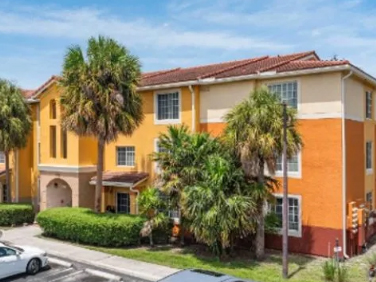
You Don’t Need Multiple Connectivity Solutions for Your Portfolio. You Just Need the Right One.
As connectivity becomes as essential to a property’s value as its roof or parking lot, owners need infrastructure that performs consistently, whether the building is a 40-unit garden community or a high-rise with hundreds of units.

Connectivity used to be an amenity. Now it’s infrastructure. Residents expect reliable Wi-Fi the same way they expect hot water. According to the 2024 NMHC/Grace Hill Renter Preferences Survey of more than 172,000 renters, 86 percent said high-speed internet was either very important or absolutely essential.
Property teams have just as much riding on that same network. A growing number run their day-to-day operations on it too: security cameras, access control, leak detection, even the video tours that help lease a unit before a prospect ever walks through the door.
That shift raises the stakes for property owners evaluating internet solutions across a portfolio. A single high-performing building isn’t hard to achieve. The bigger hurdle is consistency: delivering the same quality of service, reliability, and operational efficiency across dozens or hundreds of properties, each different in age, wiring, and layout.
No two properties are built alike
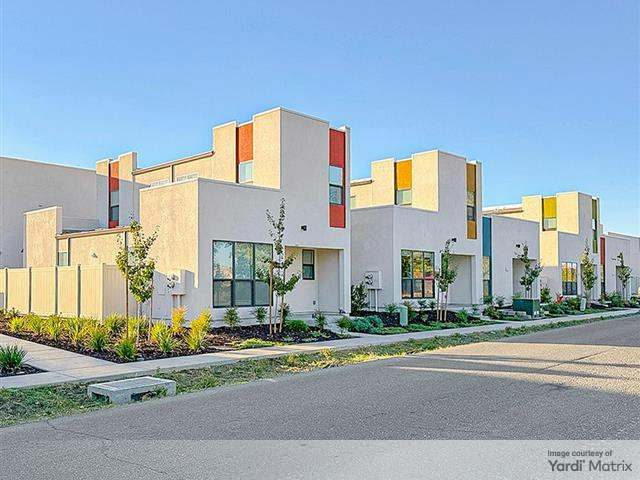
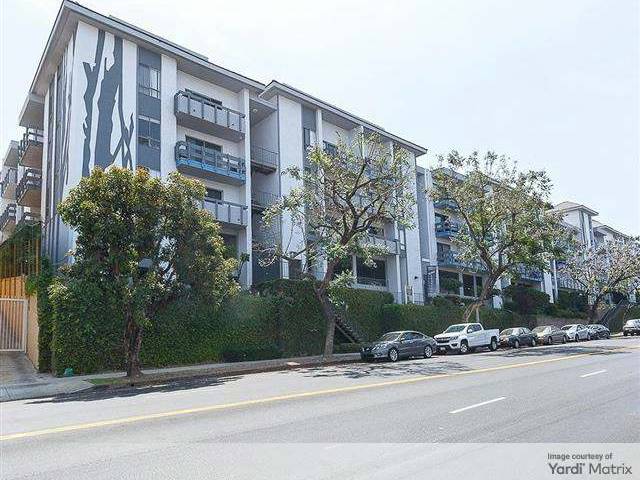
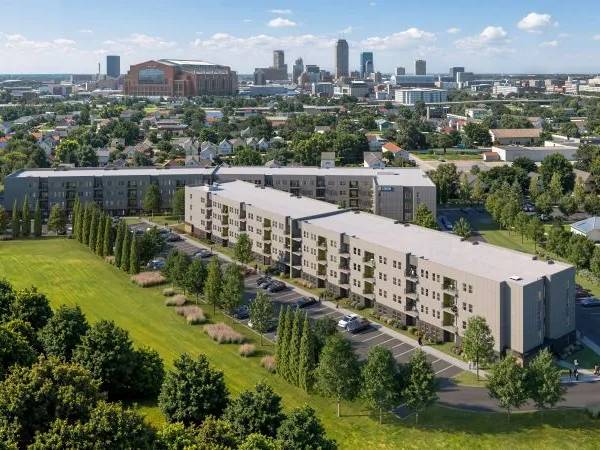
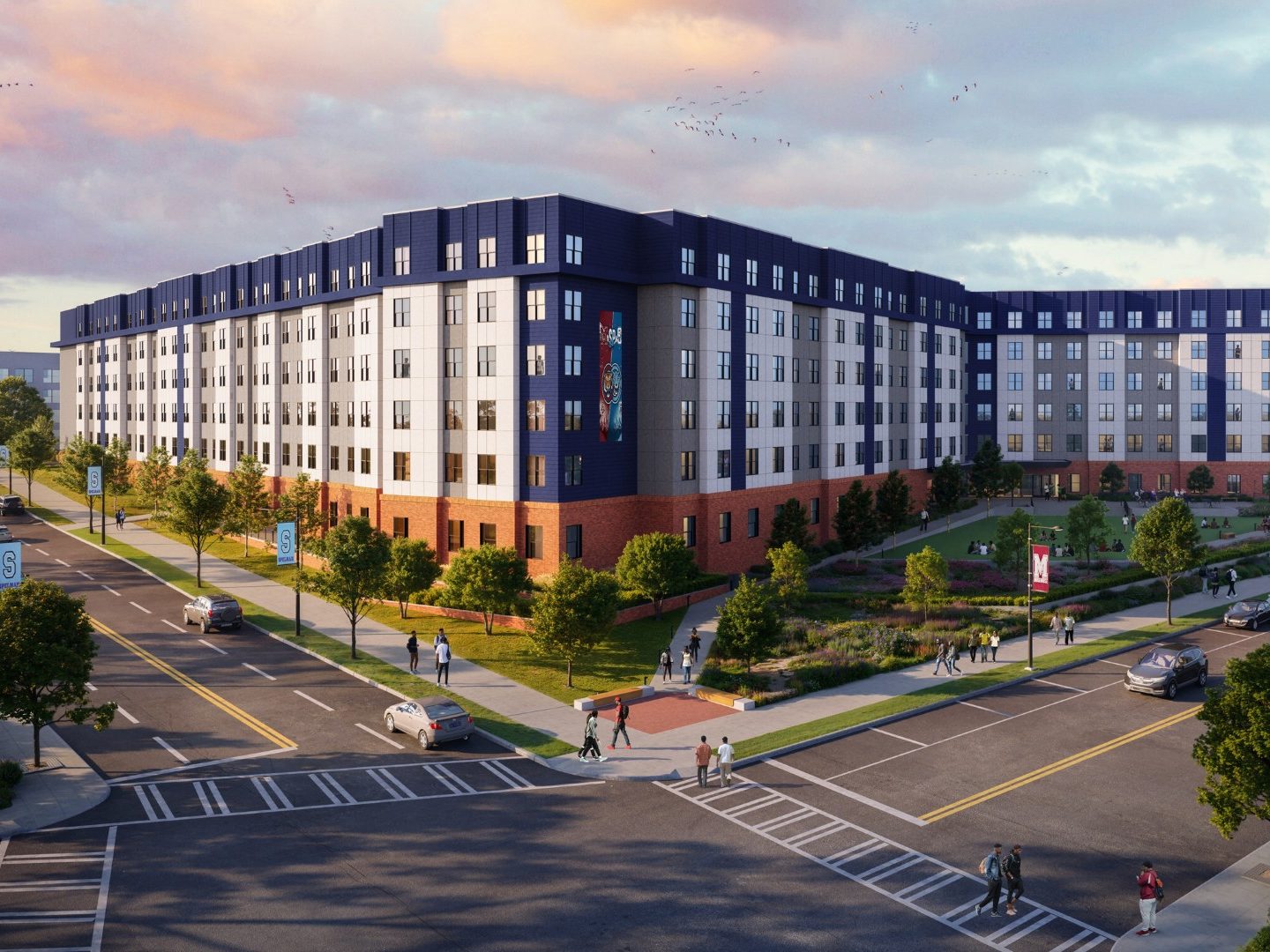
Consider what a typical multifamily portfolio actually looks like. A property built decades ago may still run on phone lines and coaxial cables, wired long before anyone thought about gigabit speeds, while a project breaking ground today is designed around fiber to the unit from day one. A garden-style community spread across several acres presents a different engineering problem than a high-rise where a single riser closet has to serve hundreds of units. Add in greenfield developments still on the drawing board, and it’s easy to see why so many owners end up with a patchwork of vendors, technologies, and service levels across their assets.
And that patchwork is expensive. Every property that requires a custom design, a unique equipment list and its own installation plan adds engineering time and delays lease-ups. It also makes it nearly impossible to monitor performance centrally, so when something goes wrong, a resident is often the first to notice. It can take days for that complaint to work its way back to the operations team, since there’s no single dashboard flagging the outage in real time.
Treat connectivity like infrastructure, not a project
The most efficient owners already treat plumbing, elevators, and HVAC as infrastructure: they buy for consistency and
long-term performance across every building they own, not for a single property at a time. Connectivity deserves the same treatment. In practice, that means looking for an internet solution built around a few key capabilities:
- Scales in both directions. It should work for a 40-unit boutique property and a several-hundred-unit development alike, without a fundamentally different design each time.
- Works with what’s already there. Whether the existing wiring is coaxial cable from the 1990s, twisted-pair phone lines, structured Ethernet, or nothing at all, the platform should deliver consistent, high-quality performance over it—and, where needed, provide a clear, cost-effective upgrade path to infrastructure that can handle residents’ growing demand for high-speed connectivity.
- Performs in brownfield and greenfield alike. Retrofitting an occupied building calls for a different approach than building out new construction, so the same platform needs to handle both scenarios without compromise.
Questions worth asking
For owners evaluating internet providers or planning technology upgrades across a portfolio, here are a few questions to consider:
- Can this platform serve the smallest property and the largest one without a different design each time?
- Can it work with the infrastructure already in the building and adapt as that infrastructure changes?
- Does it extend beyond internet access to support the security and building systems already in place?
- Can it all be managed from one interface?
At Calix, we built our SmartMDU platform around that same standard: one system designed to serve properties of any size, age, or wiring type, managed centrally so owners get a consistent way to deliver connectivity, security, and building intelligence across an entire portfolio. For owners juggling a mix of old and new buildings, garden communities and high-rises, that consistency is what turns connectivity from a recurring headache into a competitive advantage.