What Old-School Renter Marketing Still Works?
Older channels can still move renters through the funnel when they are specific, current and connected to the digital search journey.
Multifamily marketing keeps moving toward AI, automation, social content and more targeted campaigns. Still, some long-standing channels continue to matter.
Blogging, internet listing services, physical signage and word-of-mouth referrals are not new marketing methods, but they still meet renters at important points in the search process. Recent renter surveys continue to show that renters still use these methods to find apartments, even as social media and newer digital tools gain more attention.
A renter might start on an ILS, Google a neighborhood, drive past a property on the way to work, ask a friend about the community and then check reviews before scheduling a tour. That kind of search behavior is rarely linear. It also means older channels can still perform well when they are updated, accurate and connected to the rest of the marketing strategy.
ILS remains a discovery tool
Internet listing services remain one of the strongest channels for renter discovery because many renters begin their search with a budget, a preferred location and a few must-haves, not a specific property name.
That gives ILS platforms an important role early in the process, they help renters compare options quickly and give communities visibility with prospects who are already looking. But that visibility only helps if the listing is strong.
Photos, pricing, availability, floor plans, fees, pet policies, concessions and tour options need to be current and easy to understand. Outdated information creates friction before the leasing team ever has a chance to follow up. For renters comparing several properties at once, a listing that answers basic questions quickly is more likely to move someone to the next step.
READ ALSO: How to Build a Better Marketing Budget in 2027
Blogging can still support search
Blogging can feel dated compared with short-form video or paid social, but it can still help apartment communities show up for local search and answer common renter questions.
The stronger posts are not generic lifestyle pieces, they are specific to the community, neighborhood or renter decision. Examples could include what to know before moving to a certain submarket, how close the property is to major employers, what pet owners should consider or how different floor plans support remote work.
This kind of content gives the property website more useful entry points and helps prospects before they ever contact the leasing team. It can also support leasing associates by answering questions that come up repeatedly during tours or calls.
The risk is publishing blog content just to publish something—a thin seasonal post or broad neighborhood roundup will not do much if it does not reflect how renters are actually searching. The better approach is to focus on useful, local and specific content that connects back to the property.
Physical signs still create local awareness
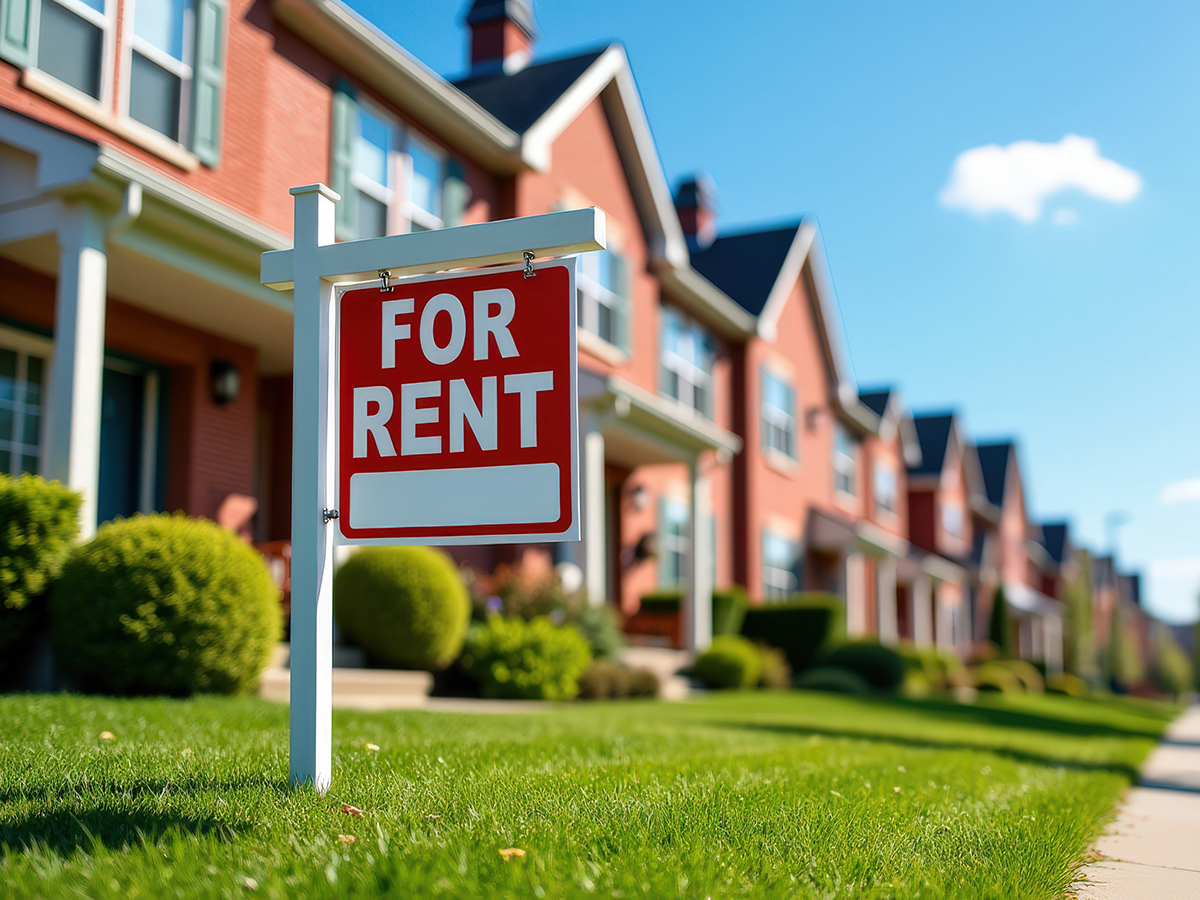
Physical signage may be one of the oldest tools in apartment marketing, but it can still be useful, especially in high-traffic locations or neighborhoods where renters are actively comparing communities.
A sign does not have to carry the entire message. Iit needs to make the property recognizable and give people a simple next step. That could be a clear leasing message, website, phone number or visible property name that is easy to search later.
The offline and online pieces should also match—if the sign promotes a concession, that offer should be easy to find online. If the property has a new name or new positioning, the signage should line up with the website, Google Business Profile and ILS presence.
When those pieces are consistent, a drive-by can turn into a search, an inquiry or a saved property.
Word of mouth still builds trust
Word of mouth is harder to control than a paid campaign, but it still matters because renters often want reassurance from people they trust.
A recommendation from a friend, coworker or current resident can make a community feel less unknown. Online reviews can play a similar role when they show a pattern of positive resident experiences or confirm what the leasing team says during the search.
Communities can support this by making referral programs easy to understand, asking for reviews at the right moments and following up when residents raise concerns. The experience has to come first. If residents feel ignored, pushed aside or surprised by poor service, no referral message will fix that.
Strong word of mouth usually comes from consistency: maintenance that follows through, communication that is clear and teams that make residents feel heard.
READ ALSO: MHN Executive Council: Networking Tips From the Pros
Old channels need new discipline
These channels often lose value when they are treated as background tasks—an ILS listing cannot sit untouched for months, a blog should not be filled with generic posts, a sign should not point to an outdated offer and a referral program should not be so complicated that residents forget it exists.
Listings should be checked often. Blog topics should be tied to real renter questions. Signage should connect to the current leasing message. Review and referral strategies should reflect what the resident experience actually looks like.
A practical mix
For most communities, the stronger approach is to combine proven channels with newer tools, instead of treating them as separate strategies.
For most communities, older and newer channels work best together. A renter might notice a sign, compare the property on an ILS, check reviews and later respond to a social post. Each touchpoint should carry the same pricing, availability, leasing message and sense of the community.
These channels still work when they are maintained with the same care as newer digital tools. Renters may use more digital tools than ever, but they still need clear information, a reason to trust the community and an easy path to the next step.