Small Access Failures Add Up to Big Costs
Every stalled gate, manual entry, and unanswered request chips away at NOI and resident trust, and connecting access is how operators stop the leak.
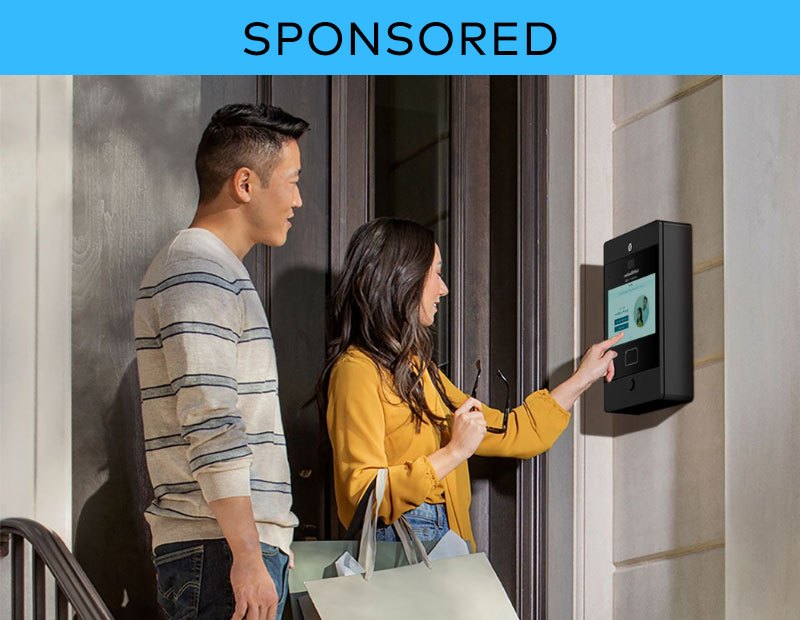
Picture a Friday evening at your community. A resident’s fob fails at the gate. A delivery driver is waiting at the front door. A guest is calling the leasing office that closed an hour ago. None of these moments appears on a P&L, yet each one costs something: staff time, a resident’s patience, and a little more of the goodwill that keeps residents from looking elsewhere.
That is access friction, and it is one of the most overlooked drags on multifamily performance.
Small breakdowns, real costs
Operators watch vacancy, turn times, and concessions closely. The small, repeated failures in daily routines get far less scrutiny, even though they land in the same places: onsite labor, resident satisfaction, and renewals. When a credential doesn’t work or a gate system goes down, someone on the team stops what they are doing to fix it, often after hours. Multiply that across hundreds of residents, plus guests, vendors, and couriers, and a minor annoyance becomes a recurring operating expense.
Residents feel it too, and they don’t sort it into categories. They don’t think about access control versus package management versus maintenance software. They think about whether their home works the way it should.
Expectations are outrunning experience
The data points to a gap. Among owners and managers planning to deploy, upgrade, or replace an access control system in the next five years, 62 percent say resident and staff expectations are driving the decision, not efficiency alone. Yet while residents already rank access options among their top technology priorities, only 33 percent rate their current experience as excellent. Operators understand that access matters. Most residents just aren’t getting the experience they want yet, which makes it an opening for communities that move first.
Where friction hides
In our work with owners and operators, friction tends to concentrate in three places.
The first is the entry point itself. Gates, garages, and doors are where residents, guests, and vendors meet the property, and where a slow credential, a failed reader, or a missing code pulls a team member away from other work.
The second is the handoff between systems. When move-ins, move-outs, and vendor schedules each have to be updated in a different platform, access rights lag behind reality. Residents wait longer than they should at move-in, and former residents or expired vendors can keep access longer than anyone intends.
The third is communication. When residents can’t see whether a request was received or when someone is coming, they call or walk into the office. Every one of those contacts is avoidable.
Fix the workflow, then the hardware
The instinct is often to replace equipment. A better starting point is the people who use it every day. Onsite teams already juggle payments, service requests, and access across properties with hundreds of residents, and new technology that ignores their workflow becomes one more thing to manage. The National Apartment Association’s research this year points to training and knowledge gaps and time constraints as operators’ top two obstacles when adopting new technology.
A practical first step is to ask onsite teams where they get interrupted most, then pilot a fix at one or two properties before rolling it out. When selecting a platform, look for three things: integration with systems already in place, an interface that works as well for an 80-year-old resident as a 20-year-old one, and clear privacy protections that residents can trust.
Measure what changes
Connected access should show up in numbers operators already care about. Track after-hours calls to the office, manual entry, the time it takes to issue or revoke a credential, resident satisfaction scores, and renewal rates, before and after. Even modest movement in those figures makes the business case for the next investment, and shows where friction remains.
At apartment complex Versailles on the Lakes, replacing manual resident-database entry with myQ Community cut onboarding to minutes and reduced package theft and unauthorized lobby access. Their property manager says residents feel more secure, and they’re telling others about it in positive reviews.
Connection is the competitive edge
Most multifamily communities have the technology they need. What many lack is a way for it to work together so that the walk from the gate to the garage to the front door feels like one continuous experience. Operators who treat access friction as a measurable cost, not a fact of life, will protect NOI and give residents a reason to stay. In a market where everyday ease increasingly decides renewals, that is a difference residents notice every single day.