OPTECH Special Report: New Guidelines for AI Ethics
The framework aims to unify the industry’s approach to ethical tech development.
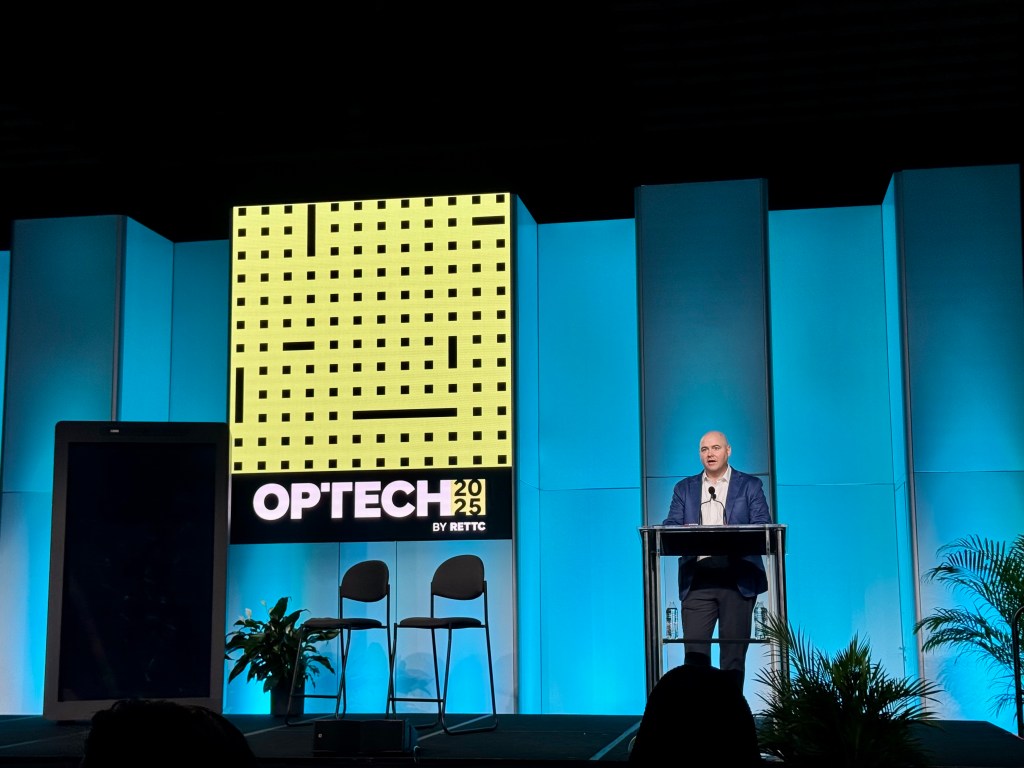
The Real Estate Technology & Transformation Center concluded OPTECH 2025 in Las Vegas by releasing its first AI Governance Framework, which aims to guide how the multifamily industry approaches deployment of new AI tools.
The framework is the product of a working group consisting of leaders from both technology providers and property operators. The team was led by Whitney Kidd, senior vice president of innovation and technology at Preiss, Brandy Daniel, chief data officer at BH and Minna Song, CEO of EliseAI.
While not binding, the framework details eight principles that firms should adhere to when developing AI technology. These principles are:
- Establish an Organizational Philosophy on AI Use and Oversight
- Promote Fairness & Consumer Protection
- Uphold Transparency & Explainability
- Protect Privacy & Promote Data Integrity
- Maintain Outcome-Based Accountability & Human Involvement
- Promote Positive Renter Experiences and Outcomes
- Strive for Innovation with Responsibility
- Third-Party Partner Accountability and Due Diligence
A unified advocacy approach
In a press briefing at the conference, RETTC Executive Director and Chief Advocacy Officer Kevin Donnelly said that the framework will help convey to policymakers that the industry is taking a consumer-first approach to AI development that aims to improve housing operations and affordability.
“We are taking accountability for the seriousness of this conversation,” Donnelly said, “We are not approaching this from a revenue or profit standpoint.”
WATCH: When Deploying AI in Multifamily, a Focused Strategy Is Key
Donnelly added that having a unified framework will also help to ensure that the entire industry can reap the benefits of AI from not just the major players—a topic that was the subject of an entire panel on day two of OPTECH. “We are a very fragmented industry, and we need to make sure that these are not just the haves and the have-nots of emerging tech,” Donnelly said.
Moving forward, Donnelly, who previously worked on NMHC’s government affairs team, said he hopes the framework will allow the industry to push back on negative narratives surrounding AI.
“For so long we have been so focused on the core operation of rental housing that we have not been able to spend the time and dedicate the resources to pushing back and telling our side of the story,” he said.