OPTECH Special Report: Practical Applications of Tech
Sessions focused on how the industry can look beyond hype and adopt tech in a meaningful way.
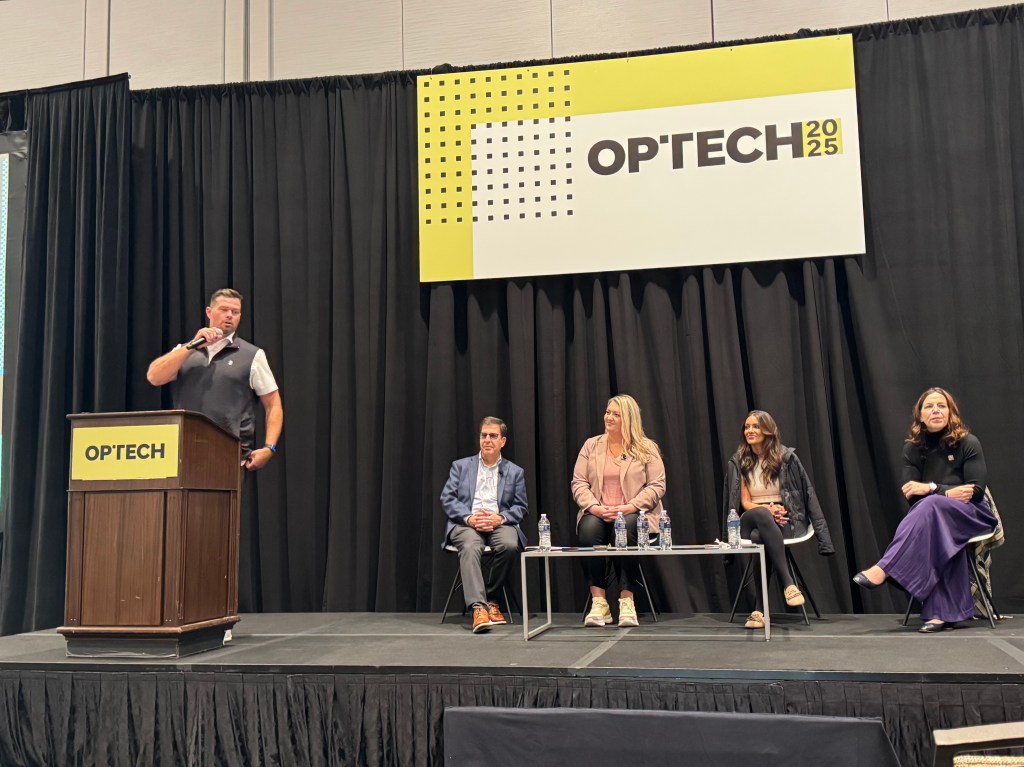
After three years, the multifamily industry may have finally moved beyond the initial stages of AI hype. Now, stakeholders are focused on practical applications for implementing new technology in ways that will meaningfully impact both employees and residents.
“The tools are only as good as the processes that surround them,” said Scott Berka, senior managing director of brand & customer experience at Greystar.
This was a prevailing sentiment on the second day of the OPTECH conference. Here are some of the biggest takeaways.
Advantages for the little guys
The conference began with a session on tech stack strategies for “the rest of us,” aiming to help smaller firms navigate the ever-growing number of property tech vendors.
In fact, panelists agreed that these firms might be in a better position to adopt new tech than their larger competitors, simply because their portfolio sizes allow them to be nimbler in their implementations of the technology.
READ ALSO: Highlights from OPTECH Day 1
“We move quicker than a lot of the bigger companies because we don’t have to navigate as many organizational layers,” said Anna Malhari, COO of Veris Residential. “We can make a decision about something within a few weeks and impact the whole business much faster than larger operators.”
Learning from other industries
Another panel brought together marketing and technology experts to discuss ways of better personalizing the multifamily leasing experience–a practice that is already commonplace in other industries.
E-commerce brands, for example, will take into account a customer’s past purchases and recommend them similar products to consider next. Multifamily, however, has struggled to adopt this concept.
Erica White, senior vice president of technology and strategic initiatives at Article Student Living, said that one way her firm personalizes the leasing experience is by taking into account a prospect’s preferred contact methods. Younger generations, she explained, tend to want to avoid phone calls, so Article’s team will focus on texts and emails.
A proper tech deployment should start from the bottom up–not from the top down, panelists at the session on personalization noted. After all, it is the in-the-trenches employees who will have to use these tools on a daily basis.
“The hardest person to sell to is not the CEO,” said Berka. “It’s the onsite team. They’re dealing with 1,000 things at the same time.”
Effective AI deployments should allow employees to focus more on the human-centered tasks they likely prefer, Malhari said in the panel on tech for smaller firms, which can in turn help improve resident satisfaction.
A well-balanced data diet
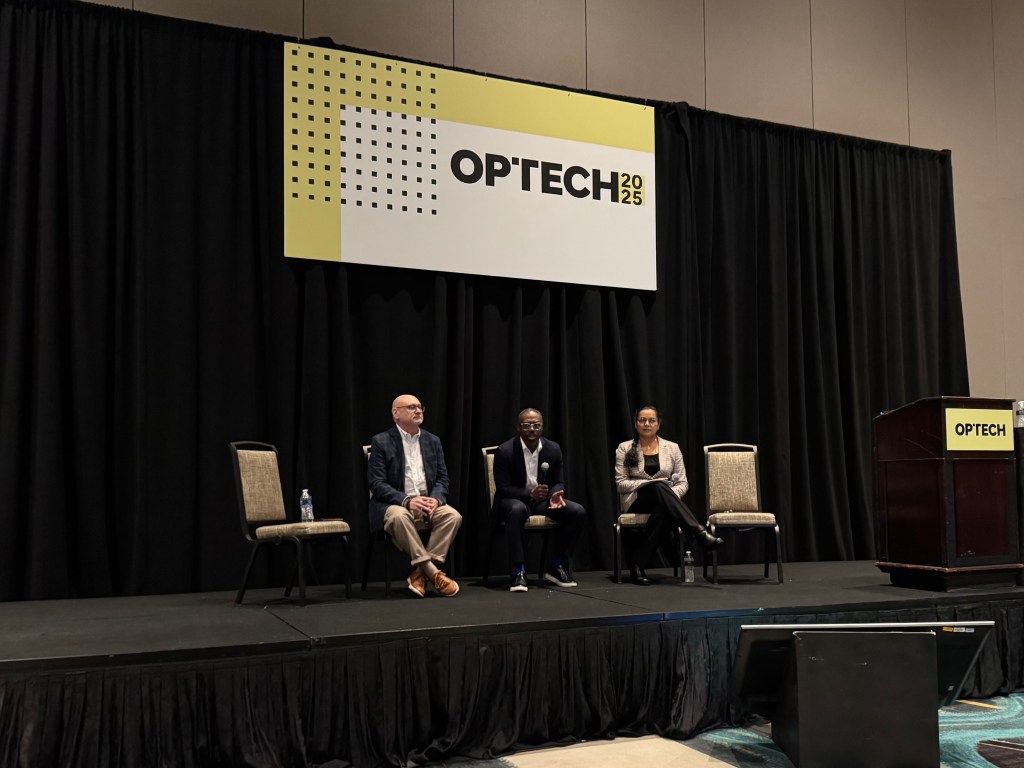
Speakers across the day’s panels repeatedly brought up the topic of data, and one session dived into how firms can navigate a wide field of sources, especially in light of the recent government shutdown that delayed and canceled certain public reports.
Government data, such as the Consumer Price Index and monthly jobs report, should be one source of information a firm uses to guide decisions. But it’s also important to utilize private sector and in-house data. Utilizing several sources of statistics is crucial to having a deeper understanding of the current environment, the panelists emphasized.
Especially in the current AI landscape, it has never been more important for a firm to collect and understand data about its business, according to Bindiya Mano, director of data engineering & analytics at Continental Properties.
“AI will only win if data wins,” Mano said. “AI may be the shiny object today, but the real brilliance lies in data governance.”