Nearly Half of Renters Are Cost-Burdened: Report
Harvard’s Joint Center for Housing Studies has released its latest analysis on the state of rental housing.
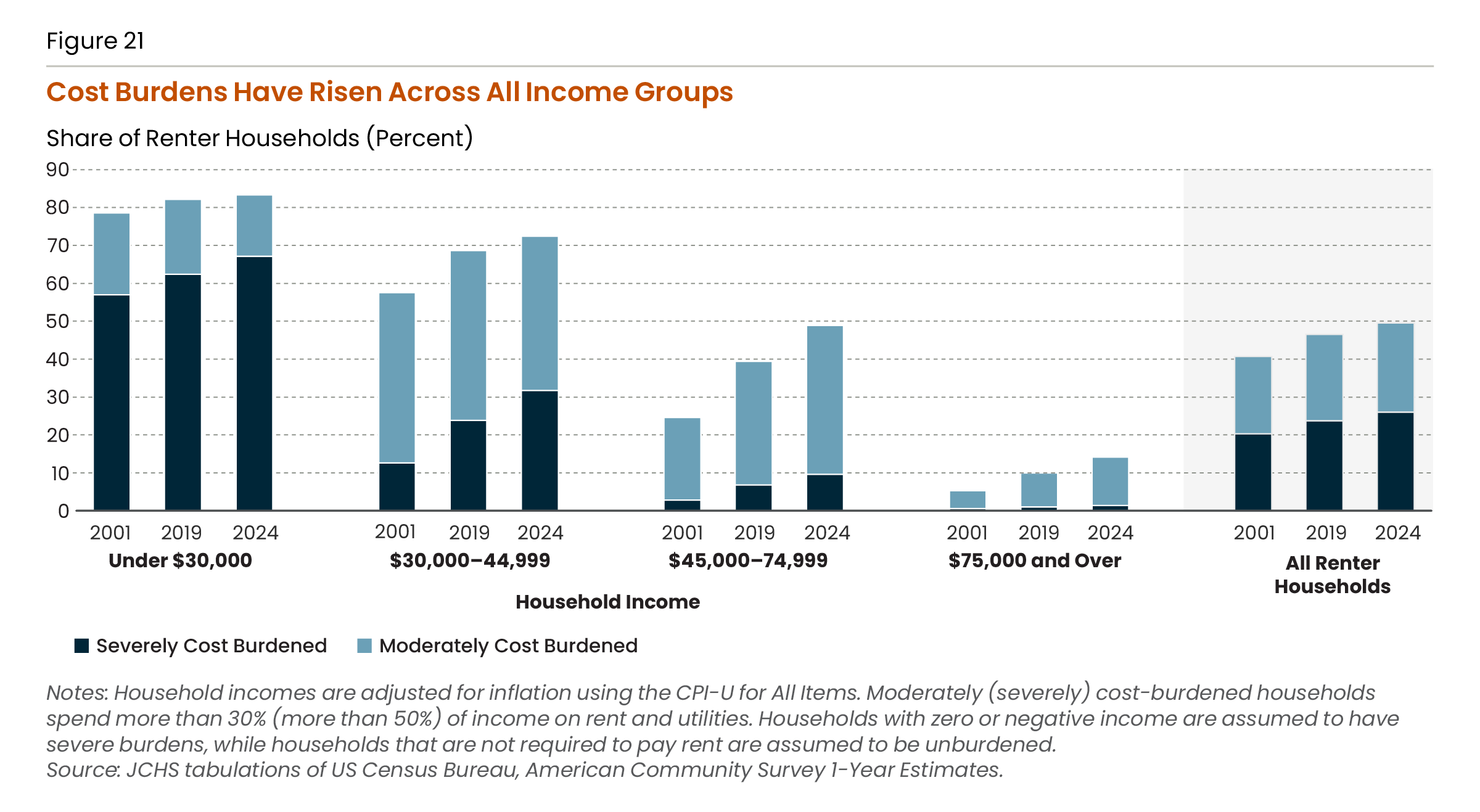
The number of cost-burdened renter households has reached another new high, according to a report from Harvard’s Joint Center for Housing Studies. As of 2024, 22.7 million renter households were burdened, meaning that they spent more than 30 percent of their income on rent and utilities.
Of that number, 12.1 million are severely cost-burdened, meaning they spend more than half of their income on housing.
The report notes that the affordability issue affects a wide range of income levels. As of 2024, 83 percent of households earning under $30,000 were cost-burdened, up 1.1 percentage points since 2019 and 4.7 percentage points since 2001.
READ ALSO: Reinventing the Construction Capital Stack
Meanwhile, the cost-burden rate for renters earning more than $75,000 was 14 percent in 2024, an increase of 4.1 percentage points since 2019 and 8.8 points over the past 20 years. For renters earning $30,000 to $44,999, 72 percent were burdened, an increase of 14.9 percentage points since 2001 and 3.8 percentage points since 2019.
Construction growth is fueled by large buildings
While the rental stock is expanding, most recent growth in multifamily is driven by the construction of buildings with 20 or more units, according to the report. These accounted for 75 percent of the net growth in total rental stock from 2010 to 2024.
The total number of units constructed in that time period was 5.5 million, with units in large buildings accounting for 4.1 million of that figure. Midsize buildings, which include five to 19 units, grew by 479,000 units, while small multifamily assets increased by 165,000 units.
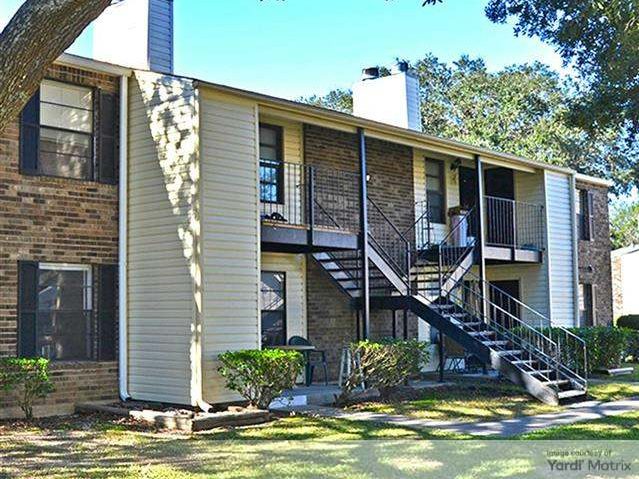
Despite these gains, the median age of rental units was 45 years in 2023, up from 36 years in 2003. These older units face high maintenance costs and repair needs, and they are more likely to be occupied by households with lower incomes.
Meanwhile, rent distribution has shifted upwards. Between 2014 and 2024, the market gained 6.1 million units renting for $1,400 to $1,999, and 5.8 million renting for $2,000 or more. In the same period, the market lost 7.3 million units renting for less than $1,000.
The report attributes this rise to the growing number of higher-income renters, in addition to supply shortages. The regions that saw the largest declines in low-rent stock tended to be Southern states, which the report notes “had one once been more affordable but have experienced increasing rental demand in recent years.”
Housing policies grow in popularity
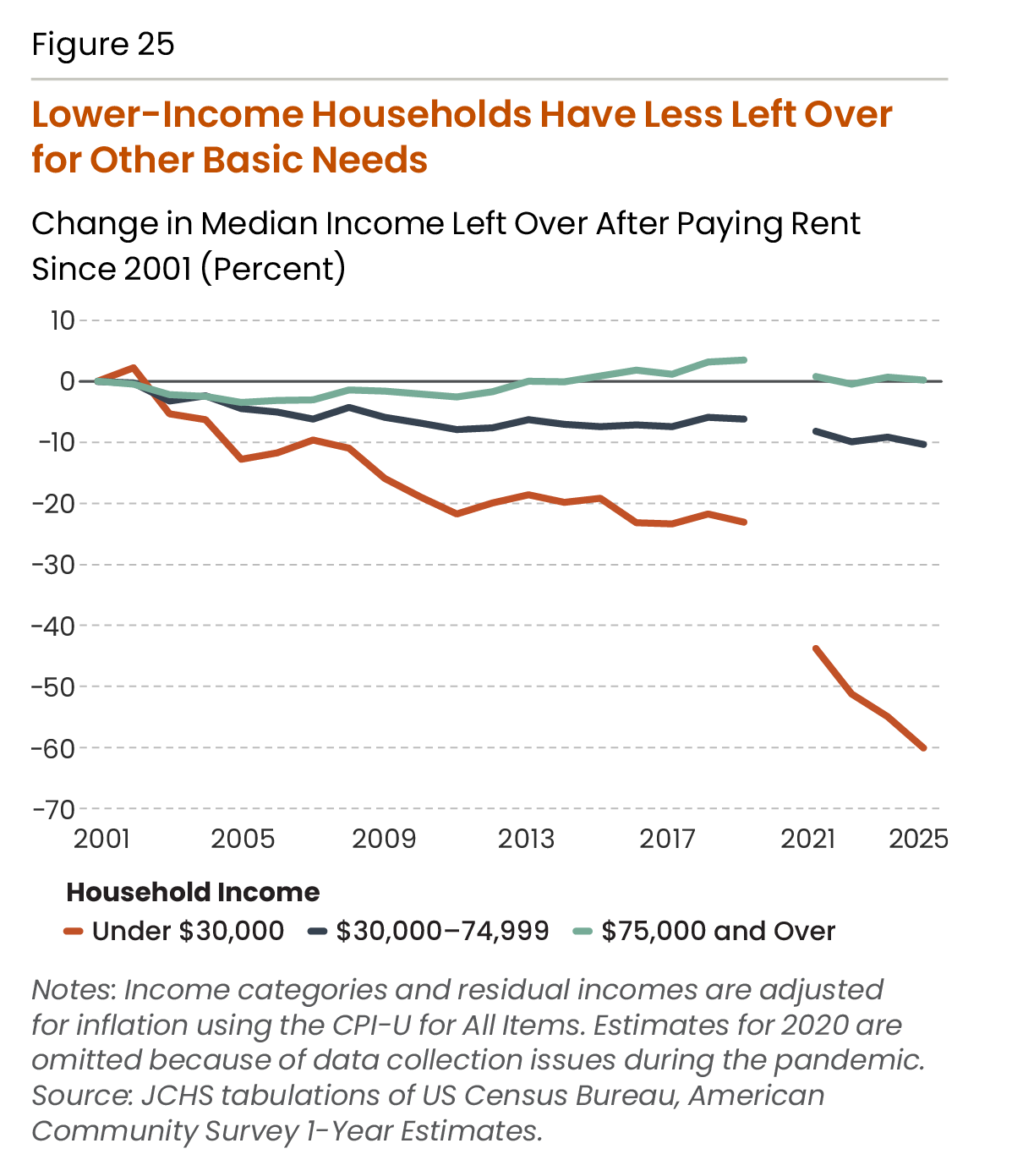
State and local governments, in addition to Congress, are increasingly looking at policy solutions to the housing crisis. One tactic that is gaining momentum across the country is zoning reform, with states such as Florida, Texas and California all implementing rules in recent years that make it easier to build certain types of multifamily assets in areas previously zoned for commercial or single-family development.
The report also stresses the need for increased renter assistance programs, noting that while 19.1 million very low-income households were eligible for federal assistance in 2023, only about 5.4 million of those received help. While the 2026 federal appropriations package increases tenant-based rental assistance by $2.4 billion, JCHS warns that amount may not be enough to cover all those eligible for assistance.
Alternative funding sources, such as LIHTC programs, housing trust funds and private activity bonds issued by state agencies can help fill in federal gaps. The report also pointed to raising or extending real estate transfer taxes as another way of financing affordable housing.