Multifamily Rising Leaders Connect the Business
NAA’s 20 on the Rise honorees point to the next model of apartment leadership, where marketing, operations, technology and resident experience work in sync.

NAA’s 2026 20 on the Rise class brings together early-career multifamily professionals working across marketing, brand and people development, property management, regional operations and technology partnerships. In interviews with Multi-Housing News, five multifamily rising leaders described roles that look different on paper but increasingly depend on the same skill: connecting the pieces of the apartment business that shape performance and resident experience.
Their answers suggest that rising leadership in multifamily is becoming more operationally connected. Marketing now reaches beyond lead generation into retention and reputation. Brand and culture depend on training and daily team behavior. Property managers see how promises made during leasing hold up after move-in. Regional leaders identify patterns across communities, while technology partners are being pushed to make workflows clearer rather than simply add tools.
From first impression to lived experience
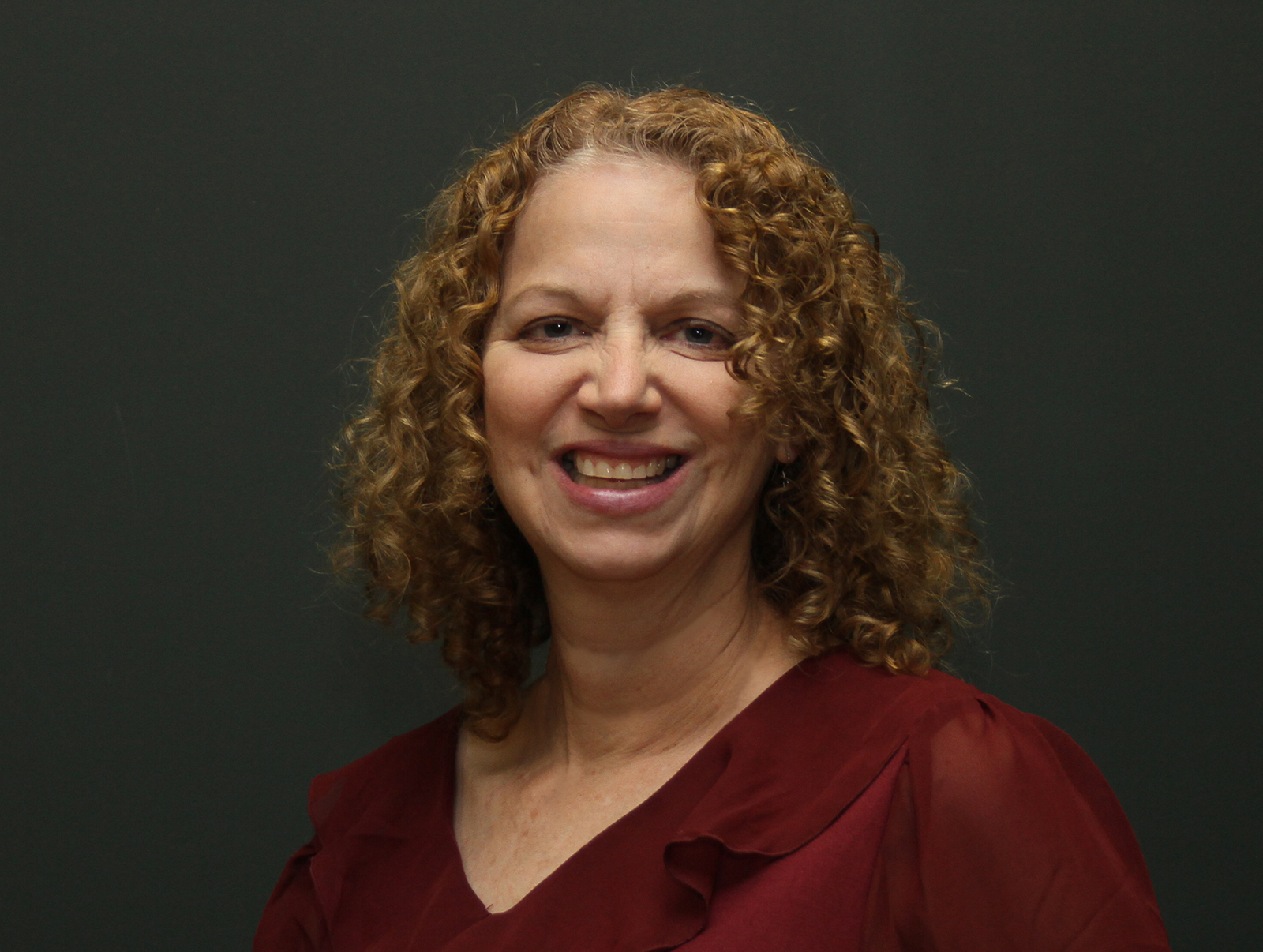
At Princeton Management, Stephanie Linton’s marketing role reaches across more than 150 communities in 12 states. As director of marketing, she oversees brand management, digital marketing, social media, reputation management, leasing campaigns, occupancy strategy, resident communications, training, partner relations and company culture.
Linton described the role as much broader than marketing in the traditional sense: “While my title says ‘marketing,’ my role is deeply connected to leasing, operations and the resident experience. If leasing wins, marketing wins. If operations shine, marketing gets to tell that story. And if residents have an exceptional experience, that’s the best campaign we could ever ask for.”
That view captures the broader shift these multifamily rising leaders described. Apartment performance is increasingly shaped not only by what each department does, but by how well those departments work together.
For Linton, the biggest shift in multifamily marketing is that it now spans the full resident journey. The work may begin with a Google search, a social ad or an online review, but it continues through AI-powered communication, follow-up, move-ins, renewals and reputation.
That shift has broadened what marketing leaders need to understand. “The real value comes from turning that data into action. We have to understand analytics, consumer behavior, operations, leasing and even resident experience, not just branding.”
Marketing is still judged by leads and leases, but it also shapes expectations. For Linton, a campaign creates a promise; every interaction that follows either reinforces or weakens it. “I think there is a misconception that marketing ends when the lease is signed. I feel it begins with a promise and every single interaction after that reinforces that or breaks it.”
That makes onsite teams central to marketing’s work. Visits to Princeton communities have reinforced for Linton that renters often judge a community through everyday follow-through rather than campaign language alone. “A quick maintenance response, a warm greeting, or simply following through can have just as much impact as any marketing campaign. Instead of trying to sell a perfect picture, I focus on telling the real story of the people, service, and experiences that make each community unique.”
The same lesson shaped how she thinks about leadership. When Princeton rolled out a new program and software platform, the work became less about the tool itself and more about supporting people through change. “It wasn’t just a technology project, it was a leadership lesson. It reminded me that even the best tools only succeed if people feel supported through the change.”
Making culture operational
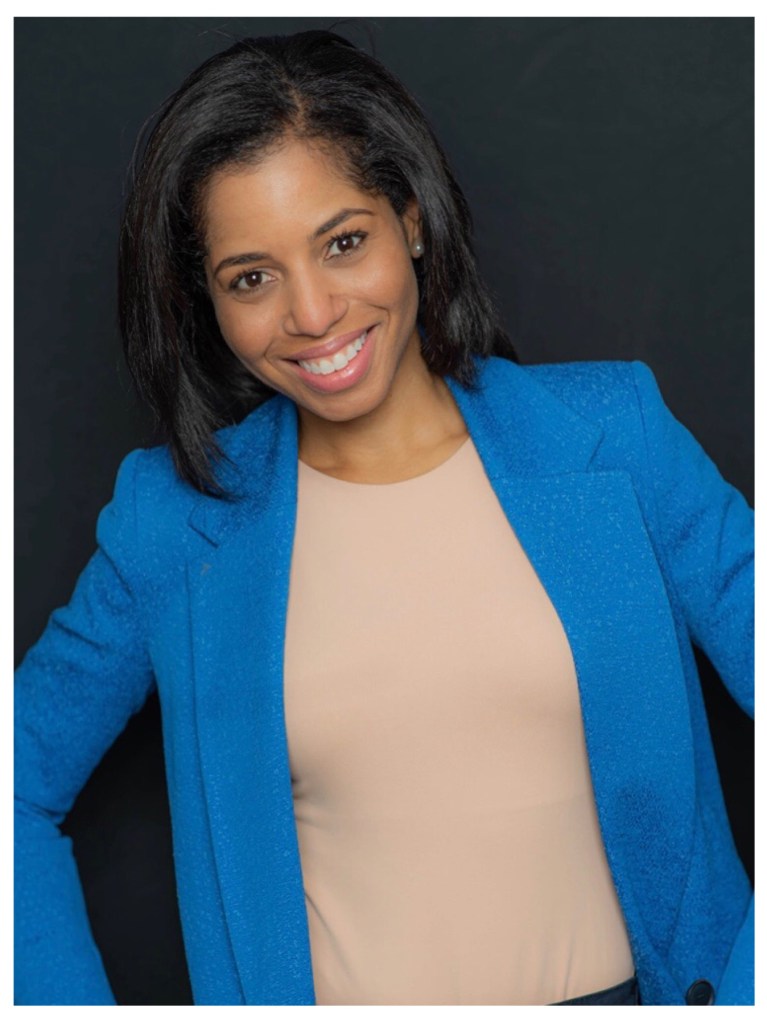
Shelene Romane, director of brand & people excellence at Mark-Taylor Residential, works at the point where brand, training, employee experience and operating consistency meet. Her role includes learning and development, brand standards, quality assurance and the systems that help teams deliver consistently across communities.
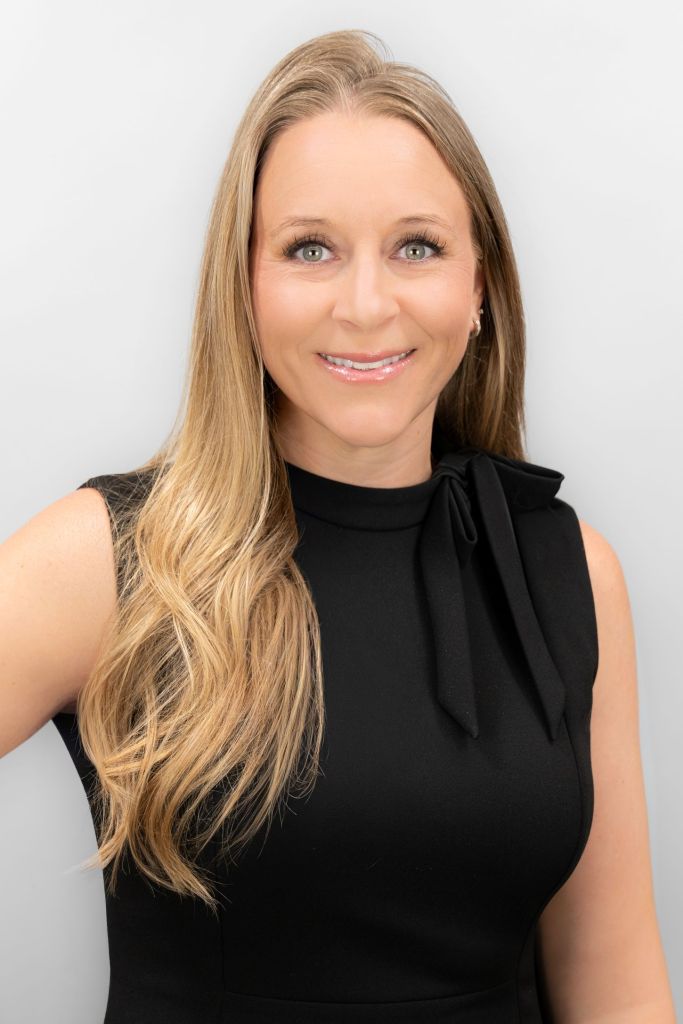
For Romane, brand is not built only through marketing or messaging. It is shaped by the daily behavior of the people serving residents. “When we invest in our people, we strengthen our operations. Strong operations create consistent resident experiences, and those experiences ultimately define our brand.”
That makes her work service-oriented, with internal teams as the first audience. “Our brand isn’t built by marketing, it is developed by thousands of everyday decisions made by the people serving our residents at our communities. And I serve them.”
Consistency is one of the hardest parts of that work. Operators can launch new programs, introduce new standards or define a culture, but sustaining those ideas inside daily operations is harder. “Consistency is harder than creativity. Most companies are great at launching new initiatives. The real challenge is making sure they become part of how people work six months later.”
At Mark-Taylor, that has meant investing in training programs, an SOP database and quality assurance processes. Romane sees those tools not as bureaucracy, but as a way to make expectations clear while giving onsite teams room to respond to their own communities. “Standards should be consistent while hospitality should be personalized. Consistency builds trust. Personalization builds connection.”
That balance matters as residents compare apartment living not only with other communities, but with hospitality, retail and consumer-service brands. Technology and amenities may support the experience, but the core still comes back to people. “It can’t be overstated: our team members create the resident experience. The buildings are just buildings without the people.”
Where the promise gets tested
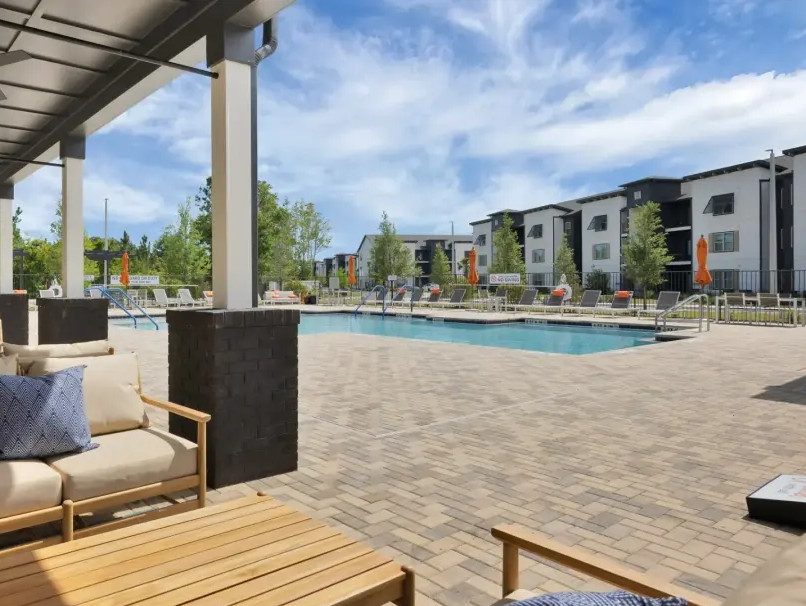
At the property level, Jacob Bennett sees where the brand promise becomes daily reality. As general manager at Oro Ballantyne, a Bozzuto community in Charlotte, his work connects leasing, resident experience, maintenance, financial performance and team development.
For Bennett, the role comes down to clearing obstacles for both residents and onsite teams. “Ultimately, my job is to remove obstacles so both residents and associates can have the best possible experience.”

From the community level, he sees details that reports and dashboards do not always capture. Those details can include a front-desk interaction, a maintenance conversation, a follow-up after move-in, or the tone a team sets during a difficult situation. “Being onsite gives you context that dashboards and reports simply can’t provide. You see the small interactions that shape a resident’s perception of home.”
The difference becomes especially clear after a prospect becomes a resident. During the leasing process, the focus may be on the tour, the amenities and the first impression. After move-in, the resident begins judging the community through repetition. “Residents aren’t evaluating one great tour anymore, they’re evaluating hundreds of daily experiences. Things like communication, maintenance response times, cleanliness, package management, parking, noise, and how problems are handled become much more important than the amenities themselves.”
That is where trust is built or eroded. Residents do not necessarily expect every problem to be fixed instantly, Bennett noted, but they do expect clarity, transparency and consistency. “Trust can disappear quickly when communication stops, expectations aren’t managed, or residents feel like they’re hearing different answers from different people. Often, it’s not the issue itself that damages the relationship, it’s how the issue is handled.”
Much of the onsite team’s work is invisible when done well. Preventive maintenance, vendor coordination, safety inspections, apartment turns, daily communication, event planning, budgeting and contractor coordination may only become obvious when something fails. “Success often looks invisible because everything simply works. When those systems fail, everyone notices immediately.”
Seeing patterns across communities
Jon Sanchez, regional property manager at ResProp, sees the same operating reality across multiple communities. His role balances financial performance, resident satisfaction, team development, asset preservation and ownership expectations, while serving as a bridge between onsite teams, corporate leadership and property ownership.
That regional view allows him to connect dots that may look unrelated at a single property. “One of the biggest advantages of a regional role is seeing patterns instead of individual events.”
A single property may experience weaker renewals, slower make-readies, staffing challenges or leasing softness as an isolated issue. Across a portfolio, those issues can reveal broader causes: inconsistent leadership, unclear processes, training gaps, supplier performance or communication breakdowns.
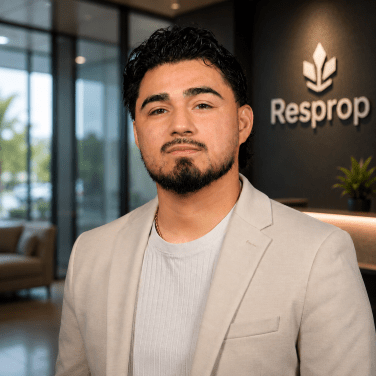
That broader view helps Sanchez distinguish true market pressure from operational opportunity. When one community is outperforming another, he starts with the controllable fundamentals: occupancy trends, leasing traffic, renewal performance, work order completion times, delinquency, online reputation, resident feedback and financial results. Then he spends time onsite. “Reports tell you what is happening, but walking the community tells you why.”
His credentials span property management, community management and apartment maintenance/technical operations, which has changed how he evaluates performance. If occupancy is down, Sanchez does not look only at leasing traffic. He also looks at apartment readiness, make-ready cycle times, service requests, curb appeal, preventive maintenance, resident feedback, team capacity and whether internal processes are helping or hurting performance. “I don’t look at challenges through just one lens anymore because every part of a community is connected. One decision in leasing can impact maintenance, accounting, resident satisfaction, and ultimately the owner’s financial performance.”
That connectedness makes handoffs one of the industry’s most important pressure points. If leasing needs a unit ready, maintenance is focused elsewhere, a vendor’s scope is unclear or billing responsibilities are not defined, the impact can quickly spread through vacancy loss, resident frustration, reporting and revenue. “Handoffs create friction anytime responsibility changes without clear communication, ownership, or accountability.”
The answer, in Sanchez’s view, is not only better reporting or better systems. It is also leadership presence. “As a Regional you can’t effectively lead from behind a spreadsheet. Being onsite allows you to understand the culture, build relationships, identify challenges before they become major issues, and coach your teams in real time.”
Technology has to serve the work
Tim Weber, strategic partnerships manager at Hyly.AI, brings the technology perspective, but his point is not that more tools automatically create better results. Much of his work sits between operators and suppliers, with a focus on making those relationships clearer and more useful.
Weber framed his role as one of translation between operators and the companies building the tools they use. “At Hyly.AI, I work in strategic partnerships. Mostly that means standing in the middle, between operators and the suppliers they depend on, trying to make that relationship a little clearer than it was the day before.”

For Weber, operators asking about AI are often asking for something more fundamental: clarity. They want systems that connect, data they can trust and tools that support better decisions. “Underneath the word AI, most operators are really asking for connection and confidence: can my systems talk to each other, and can I trust the decision I’m about to make.”
Technology adoption is therefore as much an organizational question as a product question. After suppliers used AI to launch a wave of new products, many operators adopted tools quickly. Now, Weber said, teams are reassessing what those tools do, where they belong and when a human needs to remain involved. “Teams are consolidating their stack, and having to decide, tool by tool, where AI actually belongs and where a human needs to stay in the loop.”
The human element remains central. Technology partnerships become valuable when they are built around trust, alignment and long-term support, not only product features. “It comes down to people over product. If one tool isn’t quite as good as another, but the people behind it are people you trust, people you can see yourself growing alongside toward a shared goal, that’s who you go with.”
Even as leasing, marketing and resident communication workflows become more automated, Weber said judgment still matters in areas involving taste, nuance, perception and context. “Anytime a resident or a prospect need someone to actually hear them, not just get handled quickly, that’s not going anywhere.”
The next phase, in his view, is not more dashboards. It is better decision-making. “Where this goes next is decisions, not dashboards. Too much time still gets spent connecting siloed data just to form an opinion about what to do.”
The leadership test ahead
Together, the five multifamily rising leaders point to a new model of emerging multifamily leadership: The strongest leaders are not only specialists; they are connectors between marketing and operations, brand and behavior, residents and teams, ownership and onsite execution, technology and human judgment.
That does not make specialization less important. For Romane, it makes the ability to see beyond one function more valuable. “We need leaders who see the whole business, not just their own function. The most effective leaders today are the ones who can connect operations, marketing, technology, finance and people instead of optimizing one at the expense of another.”
For apartment operators, the larger message is that complexity is not replacing the fundamentals. Residents still want to feel heard. Teams still need clarity. Owners still need performance. Technology still has to solve real problems. Communities still depend on people who can execute consistently.
Linton brought the point back to people. “Buildings don’t create communities, people do.” For this group of multifamily rising leaders, that is also where the next test of multifamily leadership begins.