Midyear Style Report: Multifamily Kitchen & Bath Trends
Apartment developers can win renters over with the right vibe. For many residents, a connection to nature is top of mind.
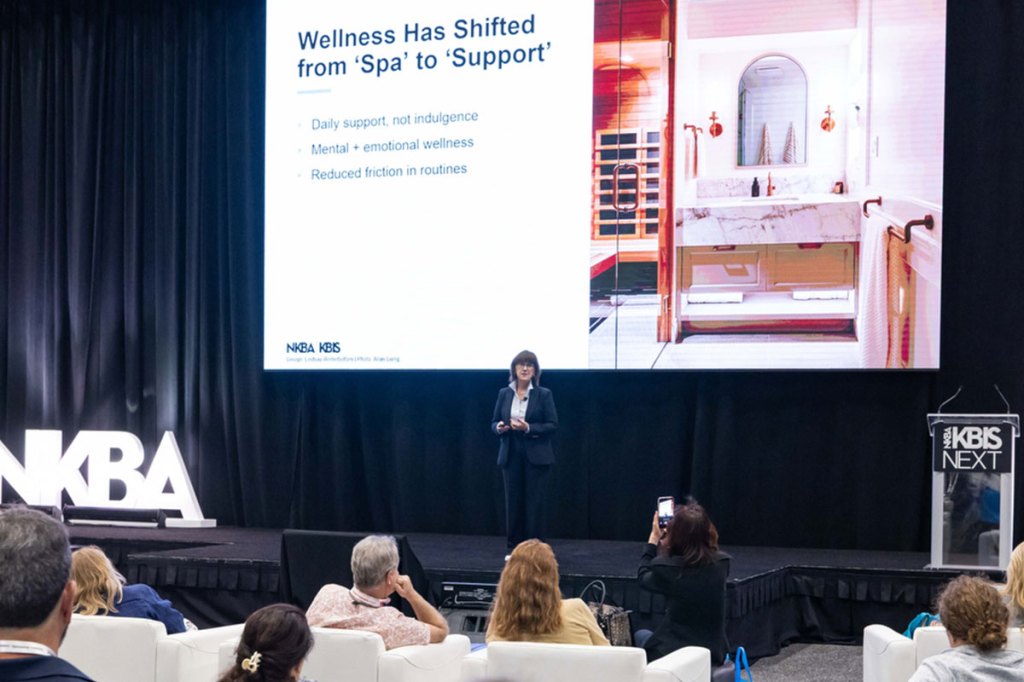
It’s been many years since multifamily developers have had to play it safe with vanilla interiors. Apartment communities are trending in a much more creative direction as competition for residents heats up. Providing unique amenities is one way to grab their attention; another is by putting extra thought into kitchens and bathrooms.
In today’s multifamily market, the kitchen and bathroom have become powerful leasing tools. These spaces often make the strongest first impression on prospective renters, and they can influence both perceived value and the willingness to pay premium rents.
Single-family influences
According to the National Kitchen & Bath Association’s 2026 Trends Report, kitchens and bathrooms are evolving into more health-conscious spaces that support modern lifestyles.
“In the coming years, designers will need to create highly personalized spaces that meet the needs and expectations of younger, (more) eco-minded and tech-forward consumers,” said Bill Darcy, global president & CEO of NKBA | KBIS. “Kitchen and bath professionals understand that homeowners of all ages—and at all stages—want more from these essential spaces than ever before.”
READ ALSO: Designing Senior Housing Landscapes That Residents Actually Use
While NKBA focuses largely on single-family housing, these same preferences also influence renter expectations. The latest innovations showcased at the 2026 Kitchen & Bath Industry Show revealed a focus on wellness, sustainability, color and patterns.
Developers and property owners who embrace these style directions can create apartment communities and build-to-rent properties that lease faster, achieve stronger resident satisfaction and support long-term asset value. In fact, many of these ideas can be incorporated everywhere, even at vintage properties planning value-add renovations.
The rise of natural materials
One of the strongest themes emerging from KBIS 2026 is the shift toward an organic aesthetic. White oak cabinetry, wood-grain finishes, quartz and quartzite-inspired surfaces and warm neutral color palettes dominated exhibits and product launches. NKBA research identified neutrals as the most popular colors, with greens and blues close behind. According to NKBA’s 2026 trends report, when statement colors are introduced they are typically incorporated in the backsplash, wallpaper, island and decorative accessories.
Apartment residents are moving away from the cold gray interiors that defined the last decade and are gravitating toward spaces that feel welcoming and soothing.
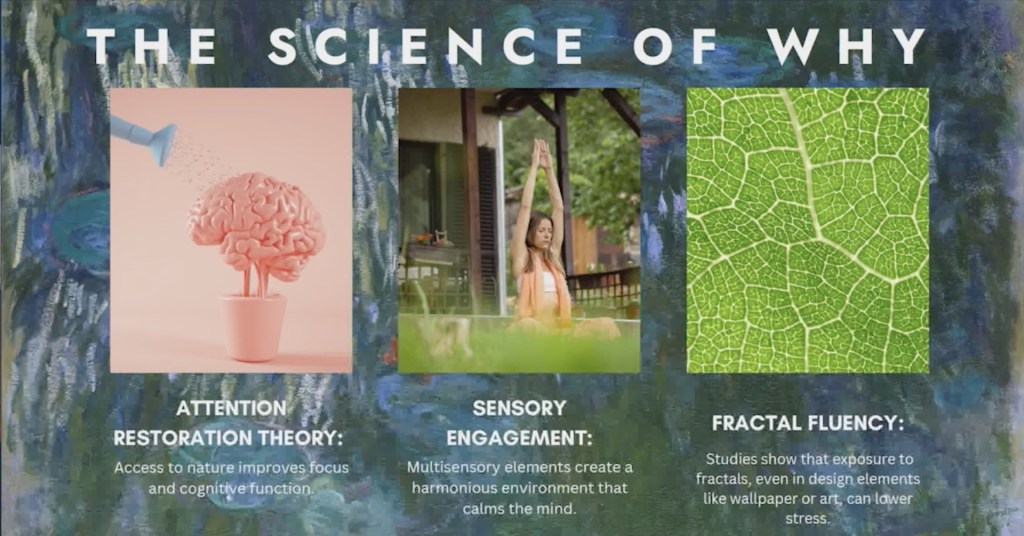
According to Doris Pearlman, president, founder at Possibilities For Design, “The population today is anxious and stressed. What we’re needing is a place in our homes for calm, for wellness and healing. Biophilic Design addresses the human need to connect with the outdoors,” Pearlman noted.
For multifamily developers, an organic-inspired aesthetic can be implemented affordably. Thermally fused laminate cabinetry with realistic wood textures, durable luxury vinyl flooring with natural wood visuals and engineered quartz countertops provide the desired aesthetic while maintaining budget discipline and durability.
According to NKBA research, there’s also growing demand for clean lines, slab cabinet doors, integrated appliances and solid-surface backsplashes. Renters increasingly associate minimalist design with luxury and quality. Seamless kitchens photograph very well for online listings and they also create a more spacious feel in compact apartment layouts.
Developers don’t need luxury budgets to achieve this look. Simple flat-panel cabinetry, matte black or brushed bronze hardware and large-format backsplash materials can deliver a sophisticated aesthetic at a fraction of the cost of custom millwork.
And whether they embrace maximalism or minimalism decor, apartment residents are usually in agreement that clutter is not conducive to mental health. “No one wants a mess. You can give the kitchen a chance to be calm by creating drop zones elsewhere,” said Tucker Huey, president, Osmosis Architecture. He notes that hooks on the wall for keys, a bench with concealed storage or handy console table with charging station on the way into the kitchen reduce clutter in the heart of the home.
Impactful upgrades for less
KBIS 2026 highlighted wellness-focused products and eco-conscious materials across both kitchens and baths. Water-saving fixtures, low-volatile organic compound finishes, advanced filtration systems and recycled-content surfaces were some of the most discussed innovations. Manufacturers also showcased products designed to reduce water consumption.
These features can create a compelling marketing story for apartment communities. Younger residents especially care about sustainability, and environmentally responsible materials can support ESG goals while reducing operating costs. Water-efficient faucets, dual-flush toilets, LED lighting and low-maintenance recycled surfaces offer measurable benefits for both residents and property owners.
Smart-home technology continues to gain momentum, but developers do not need to outfit every apartment with luxury appliances to meet renter expectations. The most impactful upgrades are often the simplest: touchless faucets in common areas, smart leak detection systems, USB-integrated outlets and app-connected lighting controls. Smart technology integration remains one of the fastest-growing trends.
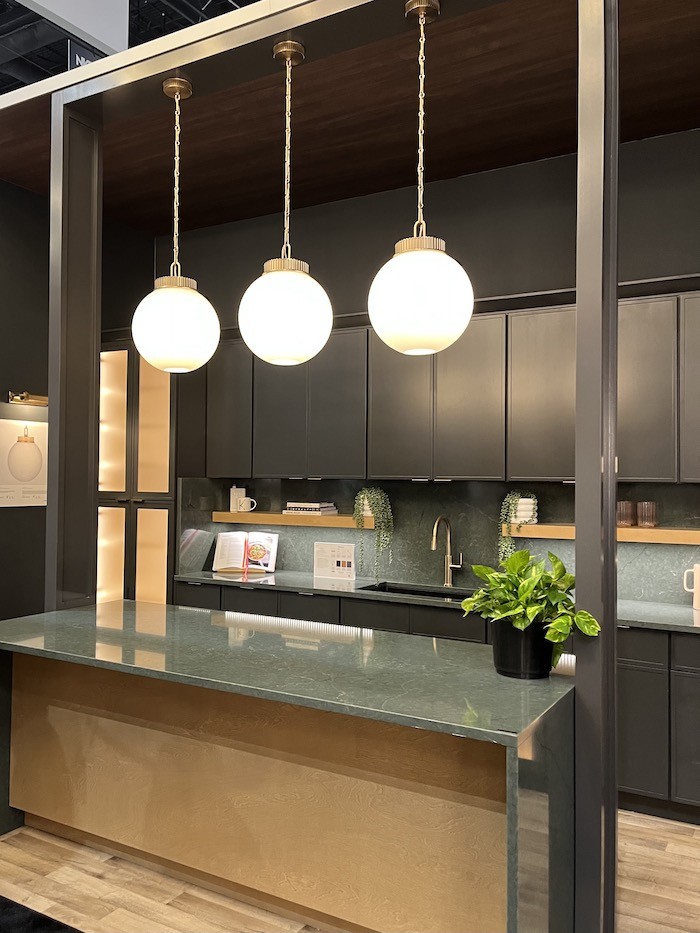
According to NKBA research, kitchens have become spaces for showcasing decorative statement lighting. The most important kitchen design considerations for homeowners include natural lighting and task lighting for work zones. Under cabinet lights, interior cabinet lights and pendant lights top the list. “Bring in the light, views and fresh air from outside,” Huey suggested. “This creates a wellness connection.”
Spa-inspired bathrooms
Bathrooms are increasingly viewed as wellness zones rather than purely functional rooms. “Spa vibes make that space feel elevated,” Huey explained. If square footage allows, he also suggests putting vanities across from each other rather than side by side. KBIS exhibitors showcased rainfall shower systems, warm metallic finishes, ambient lighting and water-efficient fixtures designed to create a spa-like experience. Even modest upgrades like frameless shower glass, oversized mirrors and contemporary vanity lighting can significantly elevate perceived apartment value.
The most successful multifamily projects in 2026 will be those that balance style, durability and cost efficiency. Prospective residents often make leasing decisions within minutes of touring an apartment. A thoughtfully designed kitchen and bath (which can be achieved without luxury-level budgets) will create an emotional connection that differentiates a property from competing apartment communities.