IREM Special Report: Operational Best Practices for a Future-Proof Business
At IREM's 2024 Summit, leaders discussed the forward-thinking strategies owners and operators should focus on to enhance efficiency.
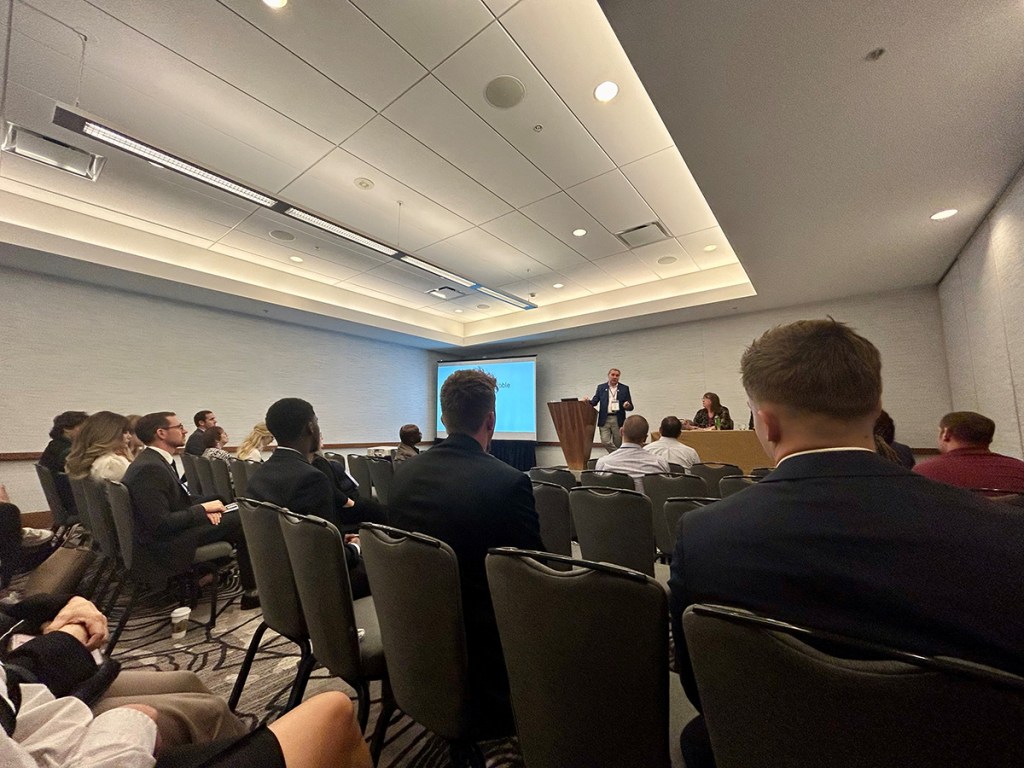
As the multifamily real estate landscape continues to evolve, operators and property managers need to stay ahead of the curve. Prioritizing key operational and management strategies can optimize your current performance and also future-proof your business for long-term success. On Day 3 of the IREM Global Summit in Indianapolis, industry experts shared their insights on what you need to know.
When it comes to centralization, operators are seeing value at the corporate and property level. At the corporate level, centralizing collections and renewals relieves your on-site teams and enables efficiency and consistency across your properties. Leveraging technology to automate things like reminders or late notices allows site teams to focus on taking care of residents. And, thanks to artificial intelligence, automation also generates data that operators can use to make better decisions.
Technological advancements
During Wednesday’s State of the Industry Breakfast, leaders discussed how multifamily is changing thanks to AI and other emerging technologies. One area where this has been beneficial is specialization. As property managers understand the value of specialized maintenance teams—having different teams that specialize in HVAC, plumbing, electrical, etc. —AI is delivering data that helps them manage those specializations.
“We didn’t have the data to be able to run AI through the process … we didn’t have the benchmarks to understand where the inefficiencies were,” shared James Robert Scott, a research scientist, lecturer and director of the Real Estate Transformation Lab at MIT’s Center for Real Estate.
In the next few years, new vertical tools will help property managers interact with their data much more seamlessly, predicted Michael Tuer, a vice president at Yardi Systems. Managers will be able to get the data they need without having to run a report or look at a dashboard. Add to that predictive analysis, which Tuer noted will also change the future of the industry, and the benefits are massive. Beyond the adoption of these technologies, training is also important as is the ability for property managers to connect the dots with the data that’s generated, noted Scott.
Virtual assistants will help property managers in new ways by answering commonly asked questions. “Kind of like a real estate assistant that will be able to help you get more information,” explained Tuer, who added that on a quarterly basis, this can save about 4,000 work hours from employees not having to answer these questions from prospects. Experts agreed that residents are still interested in face time with the management office, so that’s not something you should rule out completely.
When using AI tools such as ChatGPT, property managers need to remember that the technology isn’t perfect and the information won’t always be correct. “You have to be very careful with how you interact with this and how you use the product, and you need to read (the output) before you send it out,” said Tuer.
Sustainable strategies
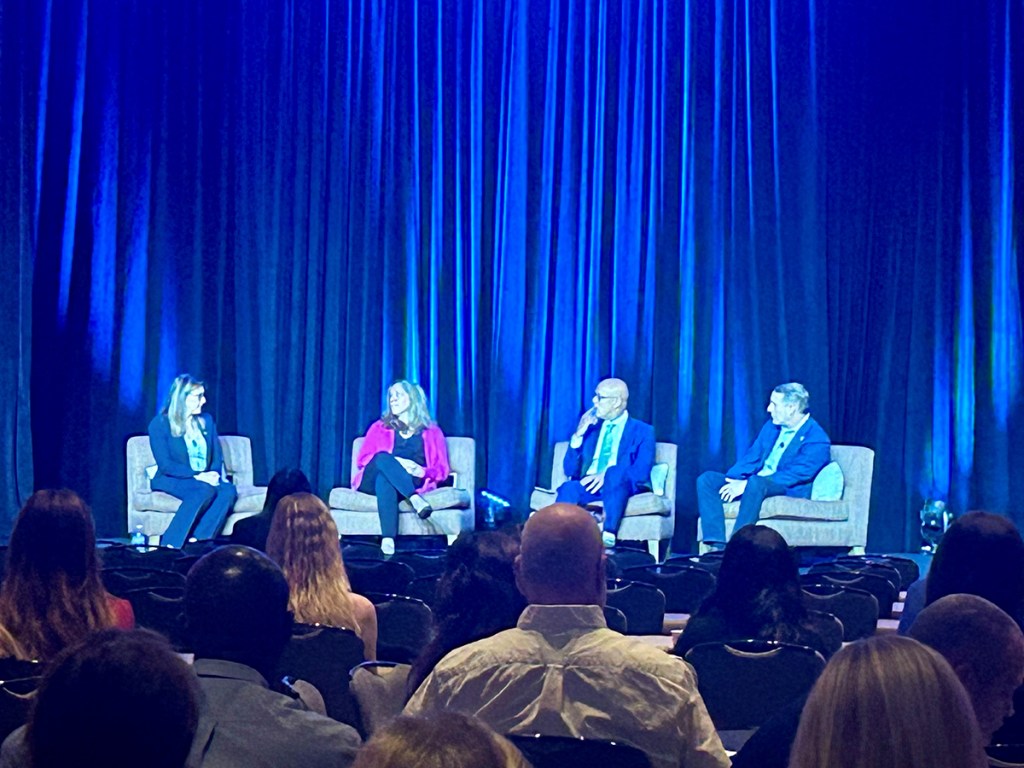
LEED and other sustainable certifications that are construction and design focused are not the only elements that can positively impact your revenue and occupancy, according to Erin Hopkins, an associate professor of property management at Virgina Tech. Electric vehicle charging stations, premium HVAC systems, walkability and access to transportation and amenities are important sustainability features that should be top of mind for property managers.
Owners and operators should take a whole-building and portfolio approach to sustainability, noted Daniel Gaddis, business development executive at Mantis Innovation. Embarking on new sustainability programs starts with your budget, said Gaddis. However, because many properties are stuck in a “wait-to-break” cycle, as soon as something else breaks, “that changes the whole budget” and derails any plans to implement the sustainable elements that were intended to lower operating costs and raise NOI.
“The run-to-fail method is a real challenge because many of our clients are trying to retain their buildings,” added Greg Cichy, managing director with Colliers International. Start with one area and develop that area in all the properties in your portfolio, then move on to a different component and build your strategy. The starting point can be LED lights, solar roofs or whatever makes the most sense for your assets.
“You don’t have to eat the elephant all at once,” said Gaddis.

EV charging here to stay
EV charging is one sustainable element that’s growing rapidly across residential and commercial portfolios. But there are still some holdouts.
Some are hesitant because of the installation costs, others are concerned that the technology will change in a few years and that their equipment will become obsolete. Others yet aren’t sure that they’ll get a good enough ROI. These were some of the insights in the session titled, “EV charger readiness for commercial and residential properties,” with panelists Angela Aeschliman, senior vice president of property and asset management at The Missner, and David Holland, marketing and business development representative at Property Gauge.
So why should property and asset owners install EV chargers anyway? “The demand is absolutely there,” said Holland. A higher production volume of electric vehicles means more people are driving them, which means the infrastructure will be needed. Particularly in office buildings, owners are feeling the need to install more EV charging stations since more employees are driving EVs, where before they were content to have just one.
The sustainability element is the other driving element of adding these to your properties, said Aeschliman. “If you’re going for LEED certification or another type of clean certification, you can get points for adding these charging stations.” A company’s ESG goals or a mandate from the company’s governing body is often the driver in this case.
Aside from that, offering this amenity also makes your property more competitive. If you’re searching for an apartment and you filter by properties that have EV charging stations, the number of results you’ll get will drop significantly, explained Holland. “Adding in the EV charging will make your property a standout, a destination, a differentiator.”
A big consideration for developers when installing chargers during commercial development is how to pass the cost back to the tenant. You have the option to add it to tenant improvement costs and you can also give them the option to install additional chargers, according to Aeschliman. For multifamily, operators can also make the chargers available for public use at a higher rate than what they charge their residents.