What Does the New Wave of BTR Homes Look Like? Here’s Crescent’s View
Tony Chen on staying competitive in a complex development landscape.

With an expansion strategy that focuses on high-growth regions with solid demand for rental housing, positive net migration and business-friendly policies, Crescent Communities has continued to add to its build-to-rent business over the past decade, capitalizing on the sector’s ever-increasing appeal.
After partnering with Heitman and a pension fund almost a year ago, Crescent secured an initial $235 million investment for its HARMON single-family BTR platform. Targeting developments throughout 14 key Sun Belt markets, the venture has already broken ground on new communities in Greensboro, N.C., Nashville, Tenn., Dallas and Phoenix, and intends to further explore opportunities in secondary and suburban markets. How will these developments differentiate themselves in an increasingly competitive market?
We asked Senior Managing Director Tony Chen to expand on what it takes to keep pace with what the new wave of renters expect, and how Crescent is staying ahead of the curve.
READ ALSO: SFR Market Forecast
The Sun Belt has been a high-demand region for years now. What’s behind its lingering appeal?
Chen: The Sun Belt region continues to experience strong demand for BTR housing, driven by several key factors. Positive net migration and household formation are sustaining the need for new housing options as more individuals and families relocate to the region. Business-friendly policies have fueled economic development and job growth, attracting companies eager to tap into the expanding talent pool.
Additionally, strong public school systems, competitive incomes and proximity to employment hubs are making these areas particularly desirable. Compared to other regions like the Northeast and West Coast, housing in the Sun Belt remains more affordable, further reinforcing demand for quality rental options.
Despite the overall positive sentiment, challenges remain. In your view, what are some of the biggest ones?
Chen: One of the biggest challenges in the BTR sector today is navigating capital markets. Rents have adjusted to reflect the higher interest rate environment and despite strong investor appetite, few have invested in new development opportunities compared to previous years. Concurrently, construction costs are not trending downward and land costs remain high, largely due to existing zoning regulations and competition from homebuilders. Unlike BTR developers, homebuilders have additional levers to remain competitive, such as increasing home prices or offering concessions like rate buydowns, closing cost assistance and free upgrades to maintain strong sales.
The hybrid nature of BTR—blending aspects of both residential and multifamily development—creates regulatory challenges. For instance, we’ve encountered jurisdictions mandating bike racks simply because a community will include renters, despite the same requirement not applying to for-sale homes. On a larger scale, certain municipalities have required us to adhere to commercial building codes instead of residential standards, which can add significant expenses. Compliance with commercial codes may necessitate additional fire sprinklers and mechanical systems that a typical townhome or single-family home would not require.
To mitigate these risks, we work closely with municipalities to educate stakeholders on the unique nature of BTR communities and advocate for reasonable regulations. We also remain disciplined in our site selection process, targeting Sun Belt markets with zoning policies that align with our development model. Additionally, we maintain strong relationships with construction partners and continuously assess efficiencies in design and materials to manage costs effectively.
How has the sector evolved since you launched your BTR HARMON brand back in 2021? How much have renters’ preferences changed?
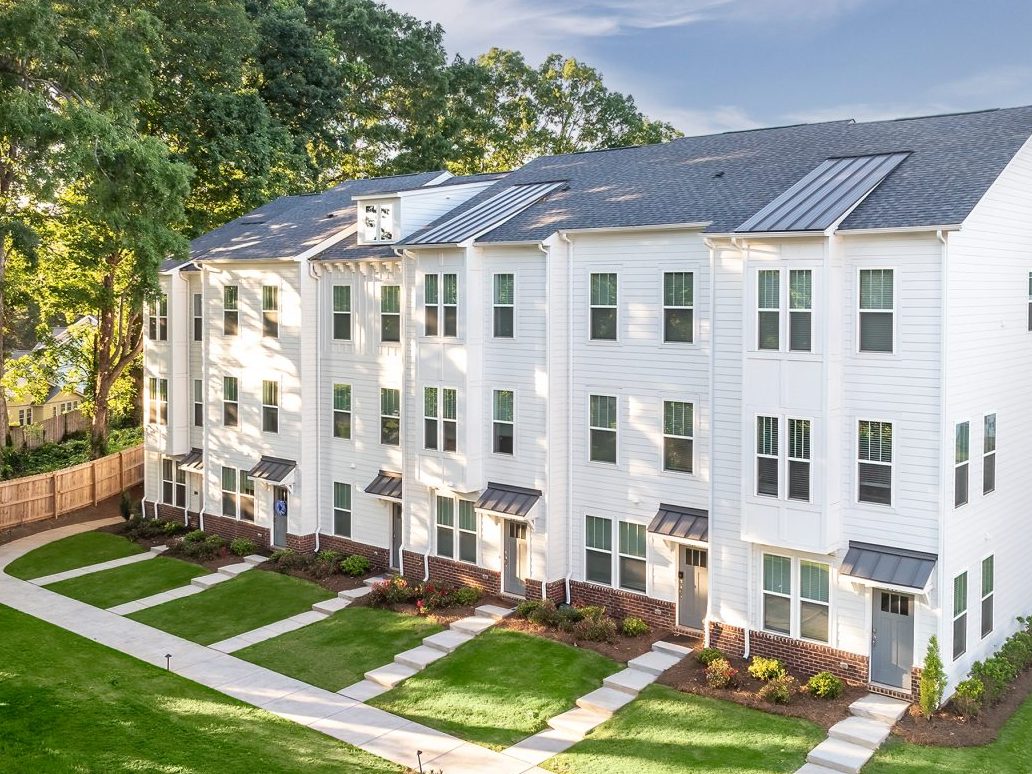
Chen: While overall housing supply has increased, demand for larger units and a ‘single-family lifestyle’ remains strong. Renters are increasingly seeking the benefits traditionally associated with homeownership—more private space and direct access to the outdoors, while still enjoying the flexibility and convenience of renting.
The sustaining high interest rate environment has further widened the gap between the cost of owning and renting. Renting now offers a significantly lower monthly payment without the financial burden of a large down payment or ongoing maintenance and capital expenditures, making it an even more attractive option for many households.
One of the biggest evolutions in the space has been the intentional design and development of communities specifically tailored for renters. Back when we launched HARMON, many BTR communities were originally conceived as for-sale housing by homebuilders, with the option to sell to investors for an earlier return. While that practice still exists, we anticipate a growing distinction between Class A luxury BTR communities and those that were simply converted from for-sale housing.
What are the must-have features of BTR communities today and how do they differ from those in traditional multifamily developments?
Chen: In today’s BTR communities, must-have features go beyond just the interiors of the home itself. While elements like garages, high-end finishes and well-designed bedroom and bathroom layouts are now considered standard, we believe that truly successful BTR developments should incorporate aspects of traditional multifamily developments to have a true community feel, particularly intentional gathering spaces and shared amenities.
Historically, the BTR industry has operated under the assumption that the house serves as an amenity and is sufficient to meet renters’ needs. While the home and garage remain important, we take a more holistic approach by focusing on placemaking and community-building. By integrating thoughtfully designed amenities and shared spaces, we create an environment where residents can connect, engage and enjoy a more enriched living experience, ultimately elevating the lifestyle offered within BTR communities and making them more than just a collection of homes.
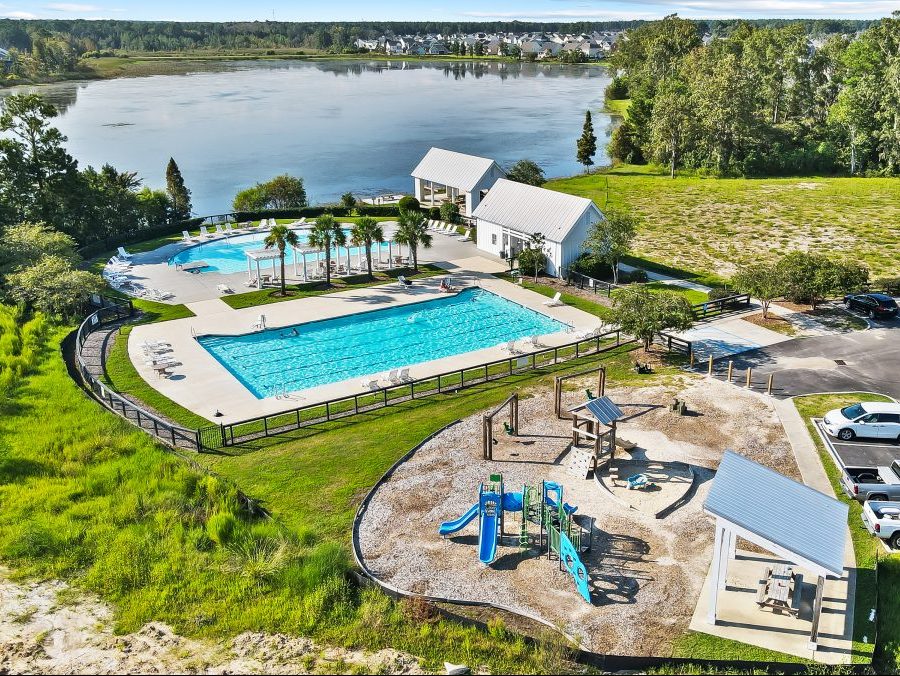
A great example of this is HARMON Foxbank, located just outside of Charleston in Moncks Corner, S.C. As part of the larger Foxbank Plantation master-planned community, it offers residents access to an array of amenities, including two large swimming pools—one with a sun shelf for relaxation and another with lane lines for exercise—a 67-acre lake with a dock for fishing and kayaking, and multiple ponds and protected wetlands that create a serene, nature-filled setting.
The community also features an open-air pavilion with picnic tables, a social gathering lawn with a fire pit and an adventurous play area designed to accommodate children with disabilities. Additionally, monthly curated events help foster a strong sense of community, making HARMON Foxbank not just a place to live, but a place to truly belong.
READ ALSO: How SFR Investors Can Stay Ahead of the Curve
Your HARMON West Meade community in Nashville, Tenn., is also particularly interesting. Could you share more about that model and what makes it stand out?
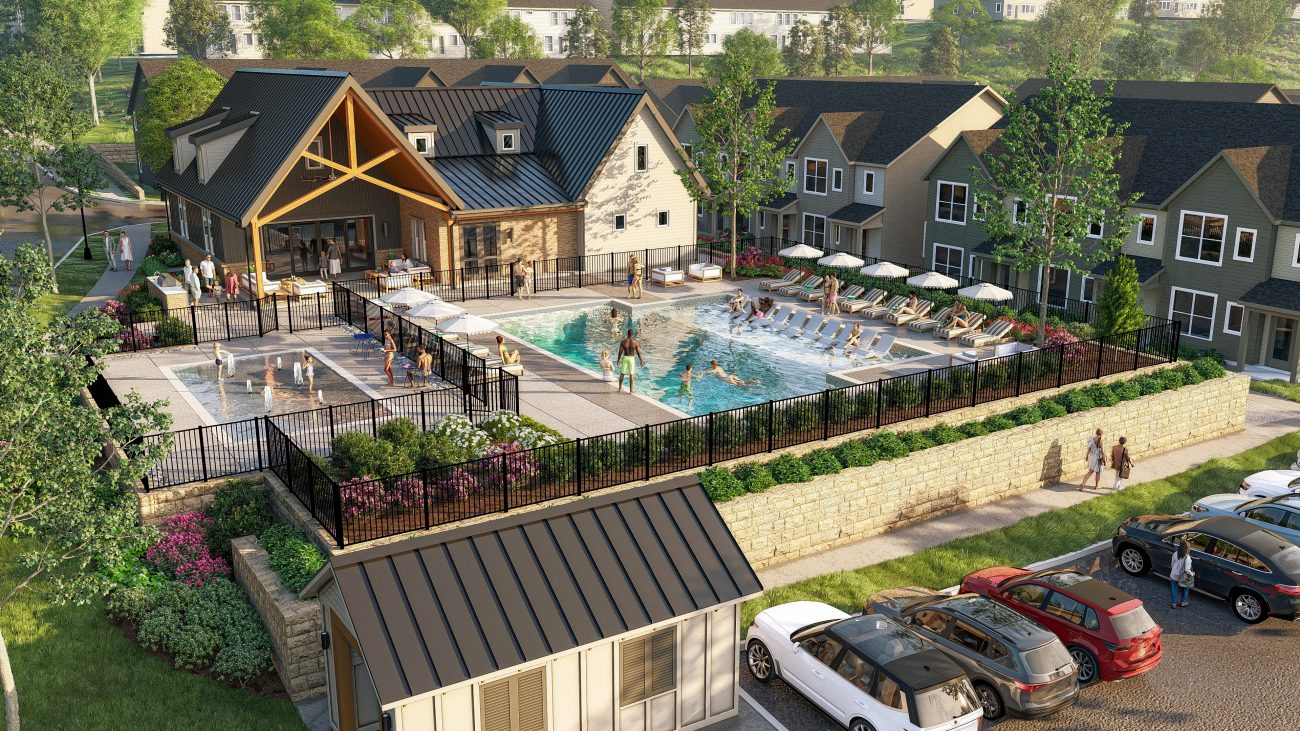
Chen: Crescent Communities prioritizes designing communities that work with the natural landscape rather than forcing a one-size-fits-all approach. HARMON West Meade in Nashville is a perfect example of this philosophy. The site presented significant topographical challenges, but instead of leveling the land, we embraced its natural contours to create a true ‘hillside village.’ As a result, residents can enjoy stunning views of the rolling hills to the south—an amenity that simply can’t be built.
More broadly, our approach to site selection and design focuses on fostering a ‘suburban village’ or ‘surban’ lifestyle. This means delivering the best of both worlds: the space, privacy and neighborhood feel of suburban living, combined with the convenience, connectivity and amenities typically found in urban settings. HARMON West Meade exemplifies this vision by offering thoughtfully designed homes in a scenic setting while maintaining easy access to Nashville’s vibrant urban core.
I know sustainability is also a core focus for you. Could you expand on your environment-friendly initiatives?
Chen: By prioritizing more efficient construction methods, we can drive meaningful change in energy consumption, water use, waste reduction and more. For our HARMON communities, we are committed to building all projects to the National Green Building Standard Bronze level or higher. While many residential homes are built only to ENERGY STAR standards, we prefer NGBS because it provides a more comprehensive approach to sustainability beyond just energy efficiency. This certification ensures that our communities are designed with a well-rounded focus on environmental responsibility, from resource conservation to indoor air quality.
Since 2014, every one of our multifamily communities has been certified or is in the process of being certified under either NGBS or LEED, and nearly all our commercial projects are LEED-certified. This commitment reflects our broader mission to build future-forward communities that not only serve today’s needs but also contribute to a lasting, positive impact for future generations.
Looking ahead, how do you expect the BTR sector to perform? Do you anticipate any significant shifts?
Chen: We anticipate that the BTR sector will remain a strong area for growth, driven by ongoing demand for SFR living and the affordability challenges of homeownership. However, as the market matures, we expect to see a shift away from the ‘all housing is good housing’ approach that characterized the past cycle. Instead, the industry will increasingly reward communities that are thoughtfully designed, well-executed and offer a high-quality living experience.
As renters become more discerning and as developers continue to build, factors like community design, amenities and long-term durability will play a larger role in shaping demand. Developers who prioritize placemaking and build with a long-term vision rather than just delivering units to meet immediate demand will be best positioned for sustained success in the evolving BTR landscape.