Goodman Real Estate’s New CEO on Strategy, Scale
Kelli Jo Norris discusses the leadership transition, the firm's operational priorities and navigating today’s multifamily cycle.

Seattle-based Goodman Real Estate has been active in the multifamily space since 1980. After more than four decades of steady growth, the firm is now navigating a leadership transition, with former President Kelli Jo Norris assuming the role of CEO and George Petrie moving into the position of Chairman.
Norris brings more than 25 years of real estate experience to the role at a time when the multifamily sector is navigating shifting capital markets, evolving operating models and the growing influence of AI across property management and investment strategy. Goodman currently oversees a portfolio of more than 10,000 units.
We sat down with Norris to discusses how she views the company’s next chapter, the operational adjustments required in today’s market, and the opportunities and risks shaping multifamily in the year ahead.
READ ALSO: AI in Multifamily
You’ve stepped into the CEO role at a pivotal moment for Goodman Real Estate. How would you define your vision for the firm over the next few years, and what feels most important to get right first?
Norris: This is a pivotal moment for Goodman Real Estate as we near the completion of our transition from workforce housing to institutional-quality luxury assets. In 2025, we sold approximately $400 million of workforce housing and acquired $600 million of institutional assets. This evolution from primarily Class B properties to newer Class A communities has required focused execution and operational discipline across our organization.
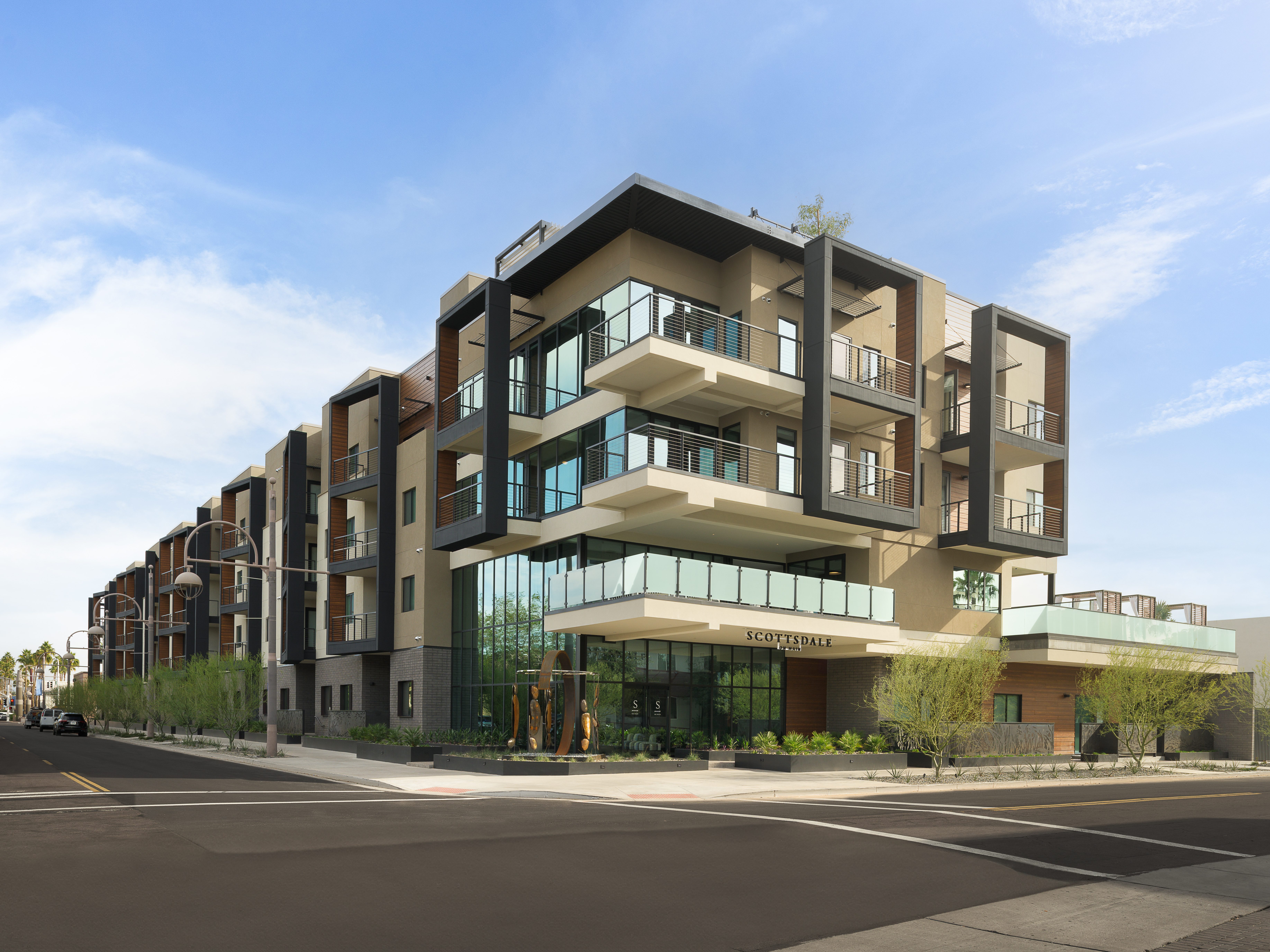
At the same time, we are expanding our vertically integrated platform into markets where we already have a strong asset base. In January, we fully transitioned our Arizona portfolio, beyond our recent acquisition of Scottsdale on Main, to approximately 3,000 units and added more than 50 team members into our property management platform. This is a significant milestone for us. Arizona is one of our most meaningful growth markets, and bringing operations under GRE’s umbrella allows us to deliver consistency, quality and our resident-focused service brand.
Bringing operations in-house strengthens our teams and long-term asset performance, and it represents the first major operational step of this next chapter for GRE. Strong alignment between leadership, capital and execution is essential in today’s market, and that alignment is what we are focused on getting right as we grow.
READ ALSO: Housing Market Predictions for 2026
Looking back, which shifts do you think most shaped the company into what it is today?
Norris: GRE has navigated numerous real estate cycles, demographic shifts and capital market transformations. As the company grew from a regional investor into a national platform, our philosophy has remained constant: a focus on durable markets, quality operations and disciplined underwriting.
With more than $3.5 billion in assets, our investment approach continues to build on deep market knowledge and our ability to adapt to changing conditions. This hands-on approach has reinforced our reputation as a private company that expands deliberately and remains resilient across cycles.
Another pivotal evolution was GRE’s shift toward a fully integrated investment and operating platform in 2019. By bringing operations under one umbrella, we gained the agility needed to navigate volatility and manage assets with greater discipline. This remains one of our strongest differentiators today.
Speaking of navigating volatility, the multifamily sector is facing a lot of crosscurrents right now. What do you see as the biggest challenges?
Norris: The industry is experiencing uneven conditions across markets. Some metros are digesting supply well, while others are seeing slower lease-up. This requires discipline and proactive management of occupancy, pricing, service delivery and resident experience.
At the same time, operating expenses continue to rise. Labor, utilities, insurance, security and maintenance costs are materially higher than they were just a few years ago, placing pressure on margins and making operational excellence even more essential.
Capital conditions have also shifted. Higher interest rates, evolving lender appetites and more conservative underwriting have changed deal structures across the industry. This environment plays to GRE’s strengths as a long-term owner and operator. For renters, we continue to see demand for safety, services and quality, which we meet through consistency and a vertically integrated operating platform.
What industry trends are standing out to you right now?
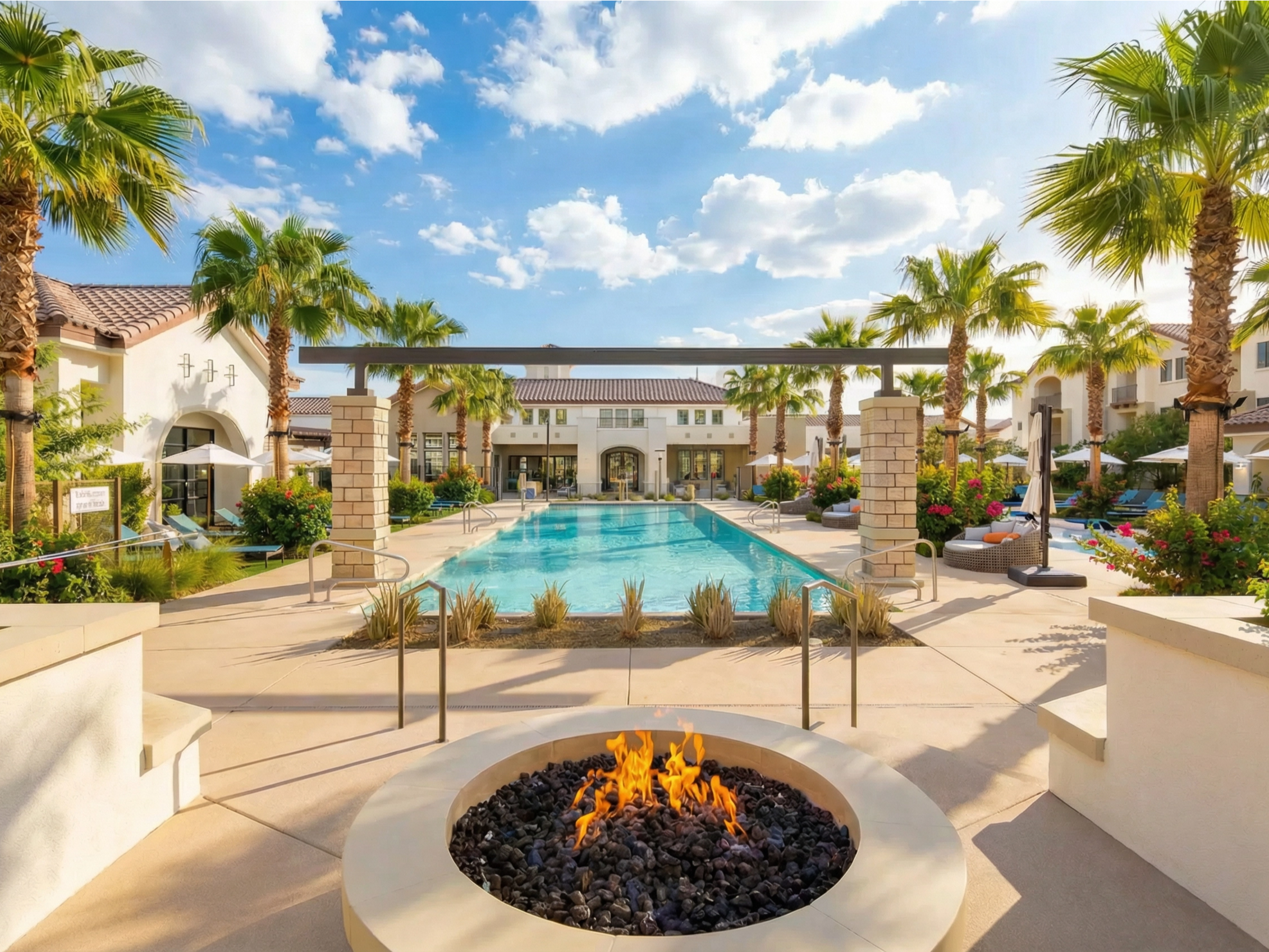
Norris: We are seeing increased renter demand for high-quality, walkable, lifestyle-oriented communities, and we have been well positioned to acquire assets that align with these preferences.
Operationally, we are seeing strong results from centralizing functions such as resident collections, lease renewals, marketing and certain maintenance planning tasks. Centralization does more than reduce costs. It creates consistency, scalability and stronger portfolio-level decision making. It has become foundational infrastructure, enabling us to respond more quickly to shifting market conditions while maintaining service standards.
This shift is also redefining onsite excellence. Instead of balancing administrative and back-office tasks, onsite roles are evolving into high-touch, resident-focused positions. In today’s environment, that level of engagement directly influences occupancy, retention and resident satisfaction.
Also, AI is moving from concept to adoption and works hand in hand with centralization. At GRE, AI has moved beyond chatbots into core operational decision-making. Companies that integrate AI early will widen the efficiency and performance gap, and we are intentionally investing time and resources to stay ahead of that curve.
In these conditions, when you think about expansion, what factors matter most in deciding which markets to enter?
Norris: We take a long-view approach to market expansion. Demographics and job growth are foundational, but they are only the starting point. What matters most is the sustainability of a market: economic diversity, regulatory environment and the depth of its renter base.
Capital availability is important, but our focus remains on resilient, cash-flowing assets in communities with long-term demand drivers. When those elements align—quality of life, balanced regulation and durable economic vitality—that’s where we focus our energy.
How are today’s economic conditions influencing renter demand and investor behavior?
Norris: The sector is navigating several forces simultaneously: uneven supply absorption, persistent construction costs, affordability pressures and interest rate uncertainty. Operating expenses continue to rise, tightening margins across the industry.
From the renter perspective, demand remains strong for quality housing and community-oriented living. On the investment side, today’s conditions have pushed groups to prioritize cash flow, operational efficiency and resilience over short-term growth. Investors are gravitating toward experienced, vertically integrated operators who can deliver consistent performance across cycles.
READ ALSO: How to Win the Multifamily Amenities Race in 2026
Your platform focuses on institutional and middle-market assets. How has that segment evolved over the past year?
Norris: The institutional and middle-market multifamily space has undergone a meaningful reset over the past year. After a period of compressed cap rates and aggressive underwriting, the market has returned to fundamentals. Competition remains active, but it is more disciplined, with a renewed emphasis on operational performance rather than pro forma growth.
Deal structures have evolved as well, with more creative capital stacks and heightened underwriting scrutiny. This environment aligns well with GRE’s long-standing emphasis on operational rigor and long-term ownership. Those attributes resonate with sellers and equity partners who value stability, execution and vertically integrated platforms.
Another aspect that’s been important to GRE is staying active in local communities through nonprofit partnership and mentorship programs. Tell us more about that.
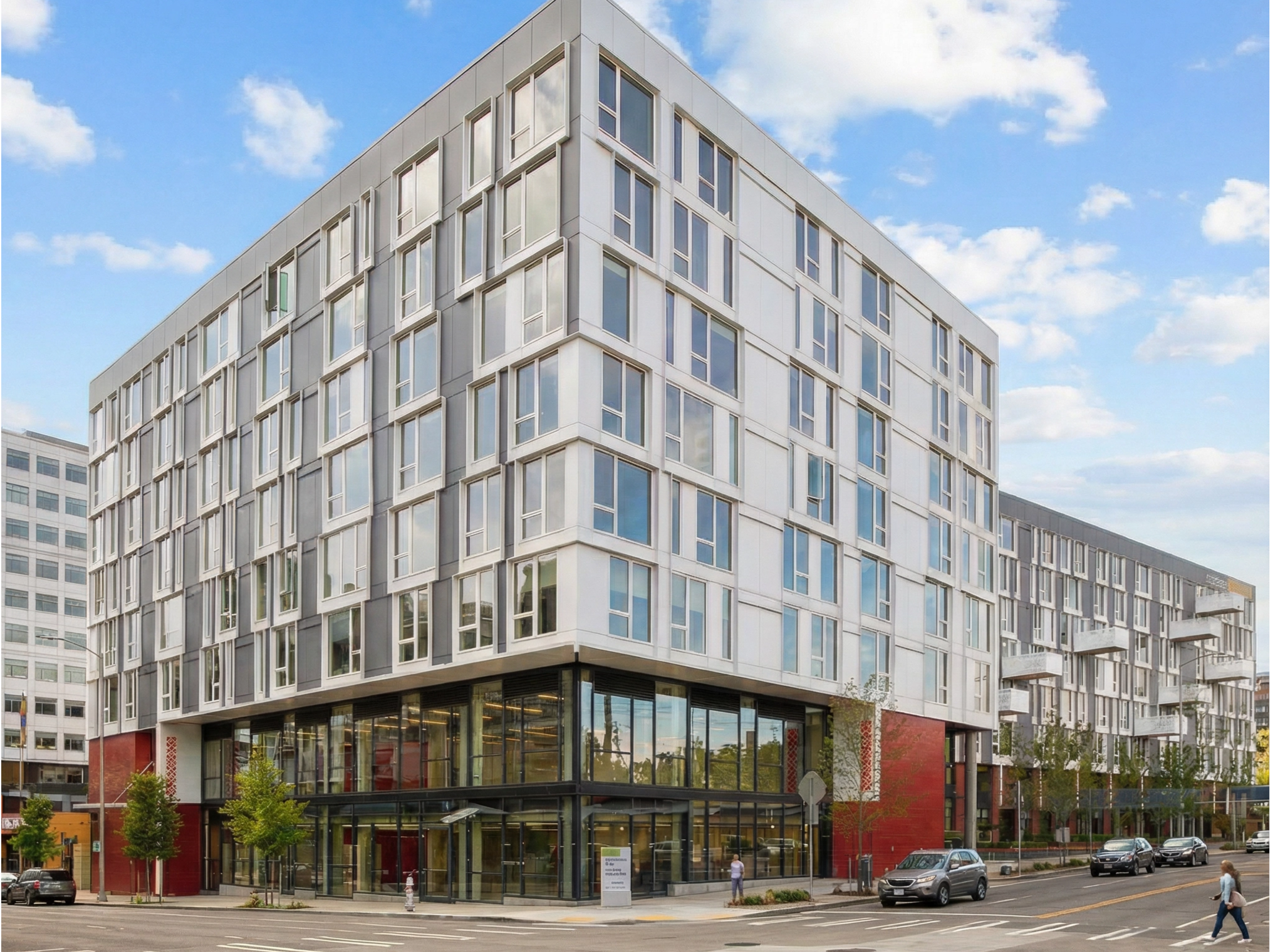
Norris: From early in our history, GRE and our founder, John Goodman, built a reputation not only as an investment firm but as a company deeply engaged in its local communities.
Social responsibility is not a side initiative at GRE. It is central to who we are. Our work in real estate gives us a front-row view of the impact we can make, and our commitment is formalized through our IMPACT program.
IMPACT focuses on five pillars: shelter, community, education, sustainability and relief. These pillars guide how we deploy our resources and build long-term partnerships. Our team’s engagement has consistently been 100 percent participation, which speaks to how embedded this work is in our culture.
When you think about the next generation of multifamily leaders, what skills will matter most?
Norris: Adaptability, data-driven thinking and commitment to people will define the next generation of leaders. They must be able to think across functions, understand how decisions in one area affect outcomes in another, and lead through change—whether that change involves technology, market cycles, or regulatory environments. Leadership today also extends beyond the bottom line, and understanding our role in housing and social impact will continue to matter.
Looking ahead to 2026 and beyond, what are you most excited about?
Norris: After several years of interest-rate volatility, supply surges and cost escalation, the industry is recalibrating. We have spent years building alignment between leadership, capital and operations, and that alignment is unlocking new levels of performance.
We have the right people, the right structure and the right values in place. I am incredibly proud of what we accomplished in 2025, with more than $1 billion in transactions, and confident about where GRE is headed in 2026 and beyond.