Denver Multifamily Report – January 2026
Overbuilding and a slowing economy could spell short-term trouble for the market.
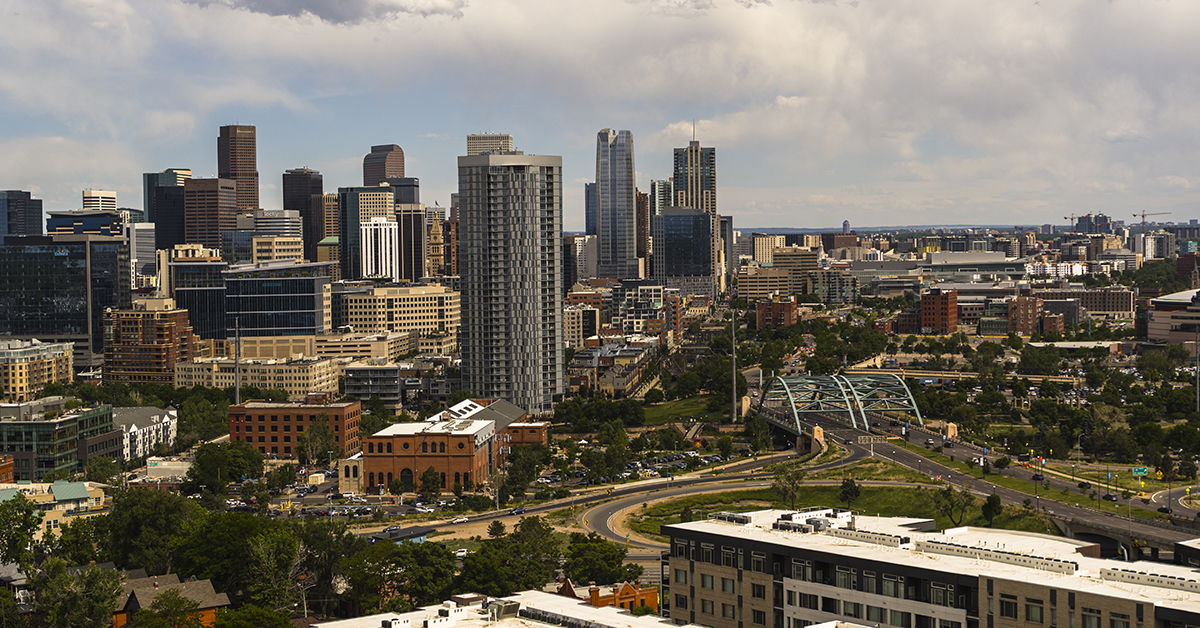
Denver multifamily came under renewed pressure as the end of 2025 neared. Average advertised asking rents slid 0.8 percent on a trailing three-month basis through November to $1,830, or 50 basis points below the U.S. rate. The national average stood at $1,740. Year-over-year, rents fell 4.1 percent, marking the second-weakest performance among Yardi Matrix’s top 30 markets. Occupancy in stabilized assets slipped 10 basis points in 12 months, to 94.1 percent in October.
Employment growth was flat through August, while the U.S. rate rose 0.8 percent. Unemployment fell to 3.7 percent in August, outperforming Colorado (4.2 percent) and the 4.3 percent national rate. The metro shed 5,400 net jobs, as gains in government (8,700), education and health services (5,600) and information (2,700) were outweighed by losses across six sectors, led by professional and business services (-6,600), trade, transportation and utilities (-5,700) and construction (-3,700). However, major public-sector and infrastructure initiatives, including the $950 million Vibrant Denver bond program, the $233 million convention center expansion and Denver International Airport’s $2 billion Great Hall renovation, should help stabilize the local economy in the medium term.
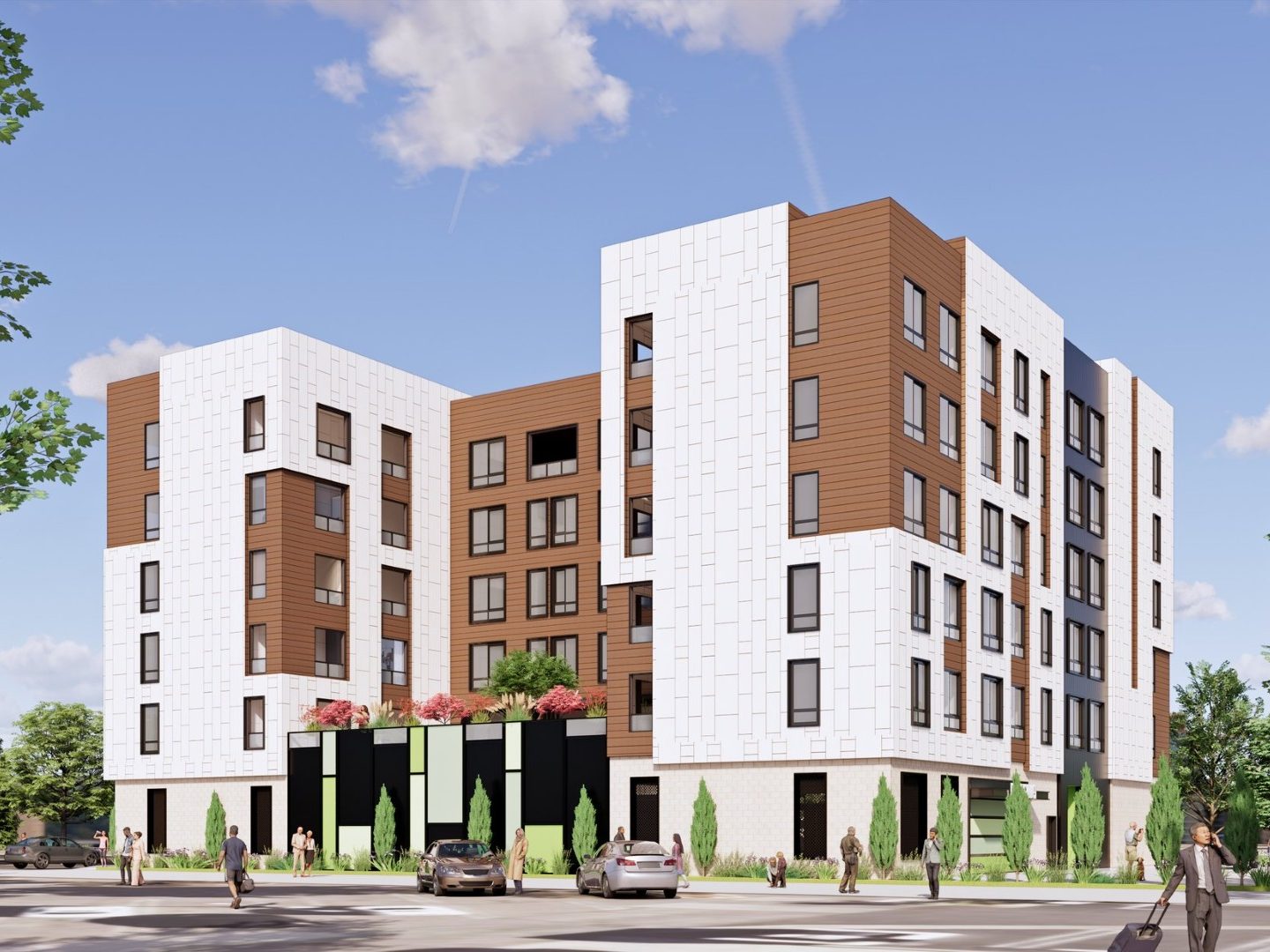
New supply remained elevated in Denver in 2025, with 16,970 units delivered through November and an additional 20,321 units underway. Investment was subdued, with sales totaling $2.6 billion through November, at a $302,033 average price per unit.