An Award-Winning Approach to Workforce Housing
Here’s how public and private players aligned to deliver San Francisco’s first affordable educator housing project.
As housing affordability pressures continue to reshape development strategies nationwide, the multifamily industry is searching for models that are both financially viable and community-supported. In San Francisco, where high costs have begun to impact the city’s ability to recruit and retain educators, one project demonstrates that solutions do exist.
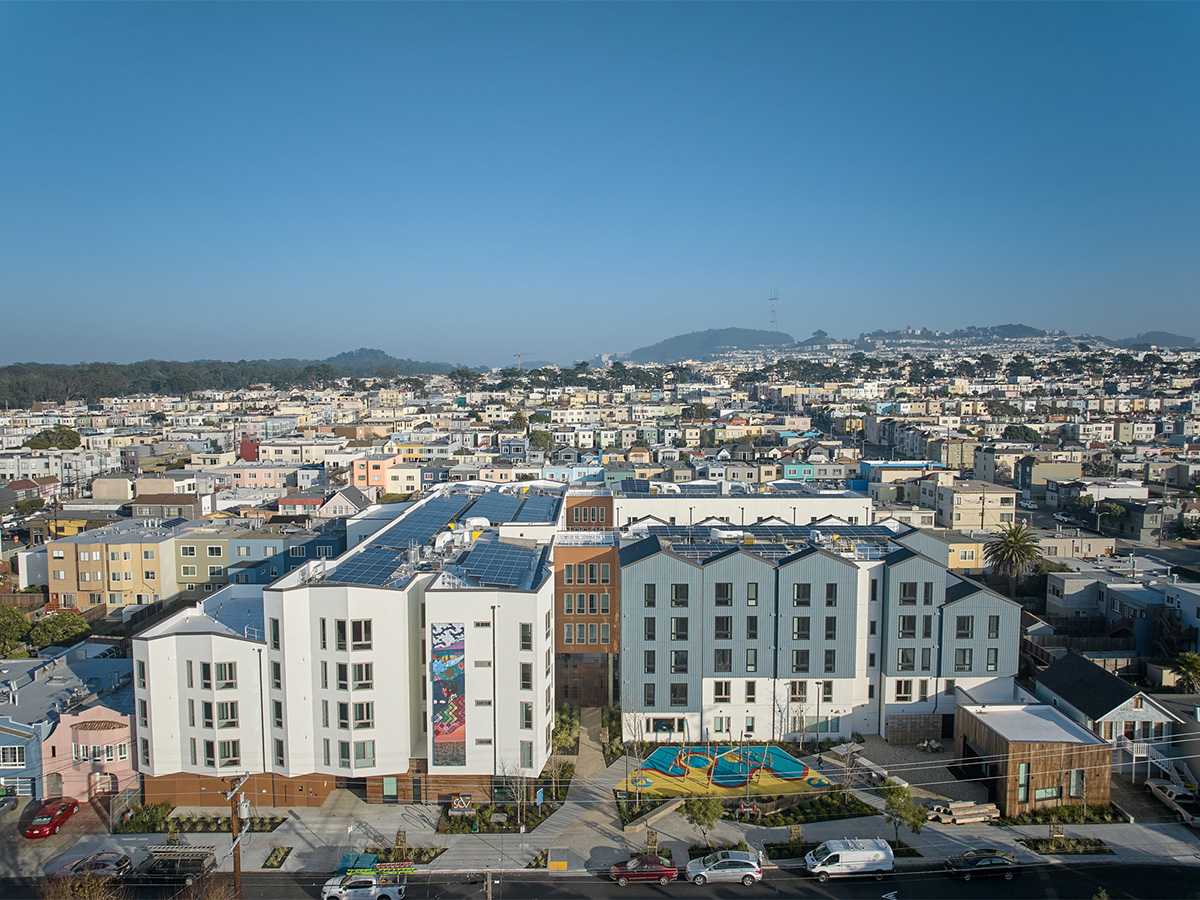
The winner of MHN’s 2025 Gold Affordable Housing Development & Design award, Shirley Chisholm Village, shows how close coordination between public agencies, private developers and the surrounding community can deliver a project that complements its surroundings while also supporting the area’s workforce.
Developed by MidPen Housing in partnership with the San Francisco Unified School District, BAR Architects & Interiors and the Mayor’s Office of Housing and Community Development, the project leverages public land and community input to create 135 all-electric units for teachers earning between 40 and 120 percent of the area median income.
Known as San Francisco’s first affordable educator housing project, Shirley Chisholm Village reflects a broader shift in how cities and developers can join forces to address workforce housing shortages.
“It shows that we can use public land strategically, deliver high-quality housing in parts of the city that have seen very little affordable development and respond directly to the needs of residents,” shared Lydia Ely, deputy director for housing at the Mayor’s Office of Housing and Community Development.
A public-private response to a workforce challenge
The origins of Shirley Chisholm Village lie in a growing crisis: the inability of educators to afford housing in the communities they serve. In response, the city and SFUSD aligned around the shared goal to create housing specifically tailored to teachers, using publicly owned land.
The site—an underutilized parking lot previously used as a storage facility—provided a rare opportunity to introduce affordable housing to a predominantly single-family neighborhood. But delivering on that opportunity required more than simply land. It demanded sustained collaboration. The project ultimately took shape through a multiyear effort involving the city, SFUSD and MidPen Housing, with BAR Architects & Interiors engaged early to support both master planning and interior design.
The project represents what’s possible when the city and SFUSD work together to solve a longstanding challenge.
—Lydia Ely, Deputy Director for Housing, MOHCD
“The project reflects years of hard work and dedication … to address the affordable housing crisis and create a new model for affordable housing for educators,” said Lyn Hikida, vice president of corporate communications and public relations at MidPen Housing.
For BAR, the timeline was consistent with the realities of development in San Francisco, where entitlement and community processes often extend project schedules.
“It’s not unusual for projects in San Francisco to take that long,” noted Patricia Centeno, a principal at BAR Architects & Interiors.

Community input shaped the outcome
From the outset, the development team prioritized community engagement, not as a procedural requirement but as a design driver.
“We started the process by really trying to understand the neighborhood,” Centeno said.
Through a series of focus groups, both residents and educators contributed feedback that directly influenced the project’s design. The goal was to integrate the development into the neighborhood rather than disrupt it.
“It was most important to understand the needs of the SFUSD workforce as well as the surrounding neighborhood,” Hikida noted.
We realized that we’re designing a building that belongs to this neighborhood and the educators who are going to live there.
—Patricia Centeno, Principal, BAR Architects & Interiors
One of the most tangible outcomes of that engagement was the project’s parking strategy. Initially planned at 0.25 stalls per unit, the ratio raised concerns among neighbors about potential spillover parking. In response, the team revisited the plan, holding additional discussions to test assumptions and gauge reactions. The final design increased parking to 0.35 stalls per unit. Although a modest shift, it reflected meaningful responsiveness to community concerns.
“The neighborhood was very welcoming of the idea of the teachers living in their community,” Centeno recalled. “There was a lot of support for the project.”
Beyond parking, residents also emphasized the importance of shared outdoor spaces and amenities that could serve both the development and the broader community. This input became central to the project’s identity.
Designed for educators
Insights gathered during early focus groups informed both the programming and design of key amenities, ensuring that the development would respond to the realities of teachers’ daily lives.
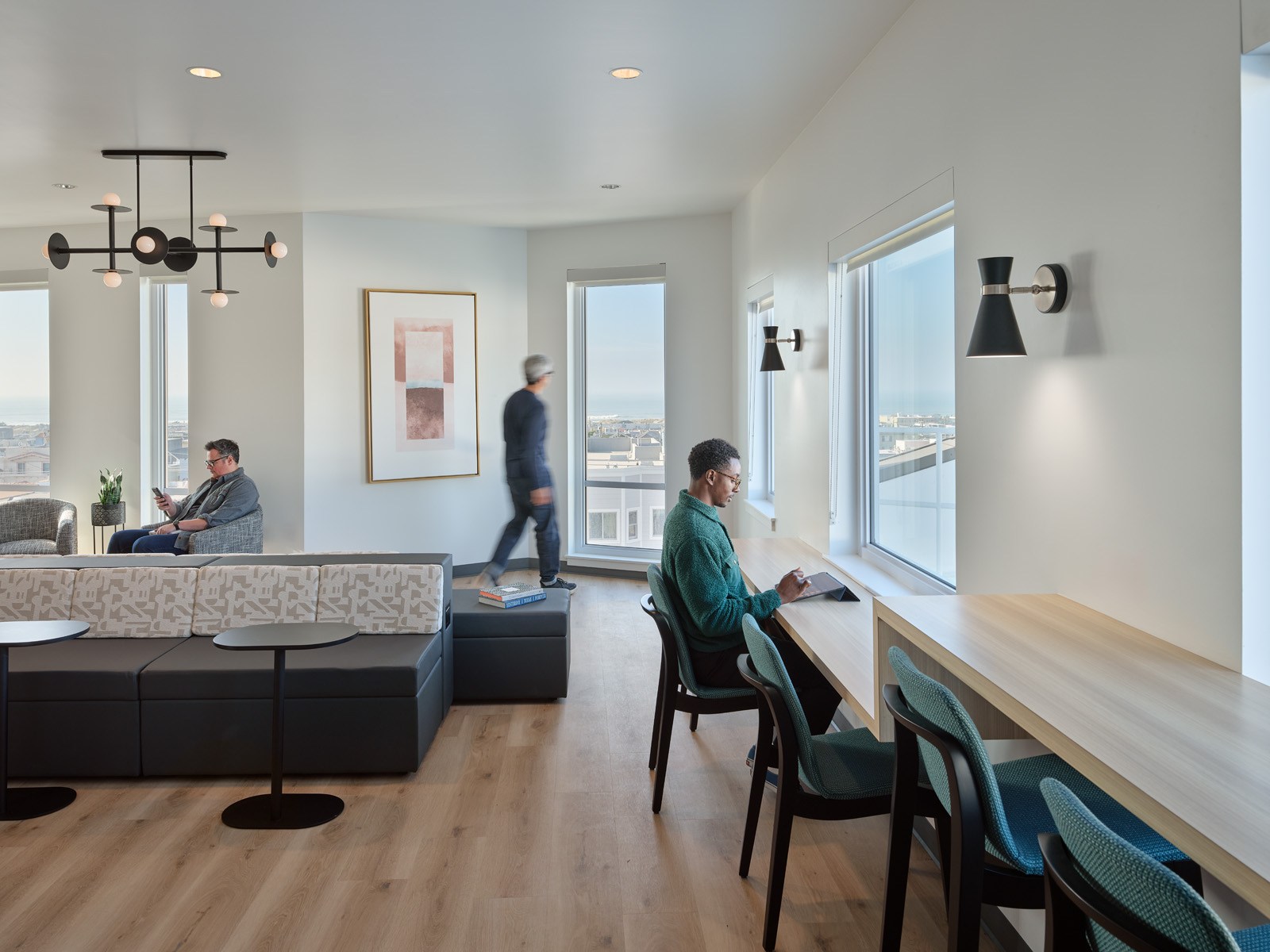
One of the most notable outcomes is the top-floor lounge: a 1,000-square-foot space designed to function as an extension of residents’ homes. With ocean views, seating areas, a full kitchen and a coffee bar, the lounge provides a flexible environment for work and social interaction. Demonstrating how targeted amenity design can enhance the resident experience, the space is actively used throughout the day—from students completing homework to residents gathering informally,
Wellness also emerged as a priority for residents. The development includes an on-site fitness center, for example, to address feedback that educators often lack time to go to gyms outside their community.
BAR further reinforced this focus through material and systems choices, incorporating low-VOC paints and delivering an all-electric building that supports both environmental performance and resident health.
Beyond just affordable housing
For MHN’s 2025 Excellence Awards judges, Shirley Chisholm Village stood out because it challenges conventional expectations of affordable housing. Rather than minimizing amenities to control costs, the development incorporates features more commonly associated with market-rate communities.
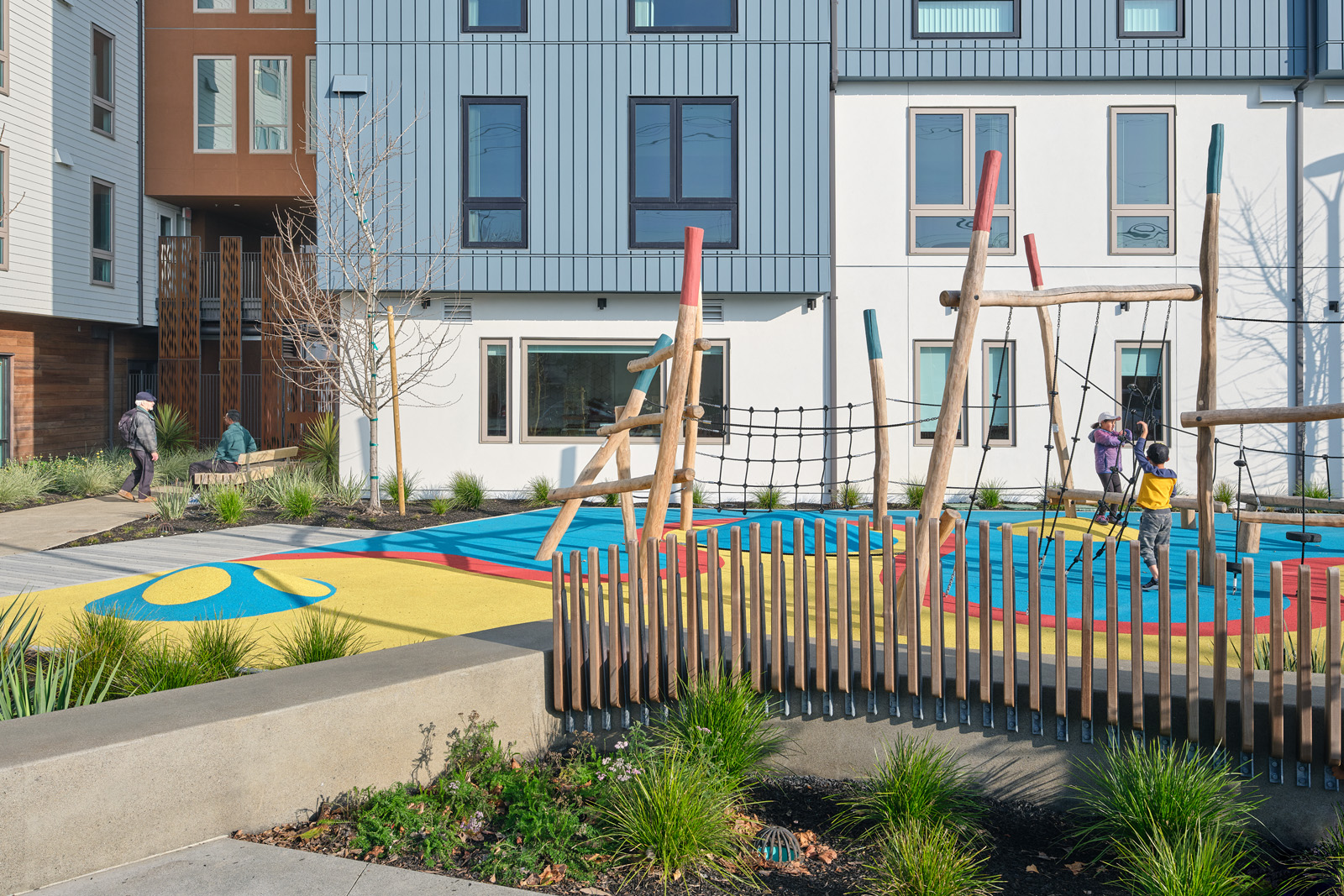
BAR approached the design with two key programmatic priorities shaped by community feedback: a neighborhood play area and a publicly accessible neighborhood-serving space.
“(In order to) make those two spaces as public as possible, we strategically chose their location,” Centeno said.
We’re proud to have achieved the goal of creating affordable homes for SFUSD employees who support students and families every day.
—Lyn Hikida, Vice President of Corporate Communications and Public Relations, MidPen Housing
The result is a development that extends beyond its residents. Positioned at the front of the property, the playground is part of the neighborhood park and is frequently used by local families. Its success underscores the value of placemaking as a bridge between affordable housing and surrounding communities. That integration continues with the inclusion of a nonprofit tenant. Last month, the developer signed Children’s After School Arts, which will operate a clubhouse on-site that will be open to the public in June.

Balancing the needs of SFUSD educators with those of the surrounding area shaped the project’s public-facing design, creating amenities that are both functional and inclusive.
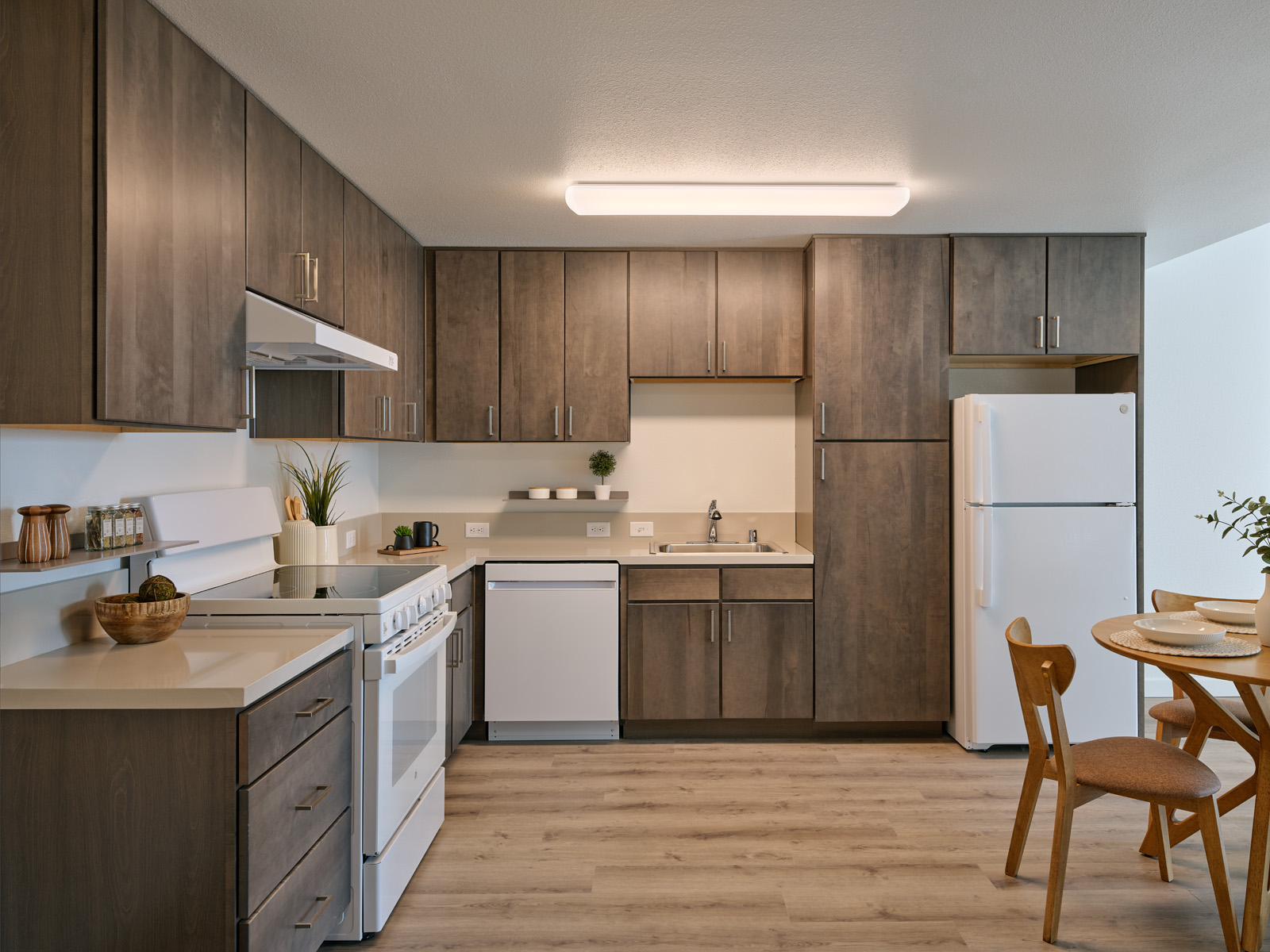
At the unit level, BAR introduced finishes typically found in higher-end developments—stone countertops, upgraded vinyl flooring and carefully considered interiors—to ensure the property remains competitive within its market.
Identity and cultural anchoring
While the functional aspects of the project were defined early, its identity emerged later in the process. Just before construction began, the development team selected the name Shirley Chisholm Village, honoring the first Black woman elected to the U.S. Congress in 1968.
That decision became a catalyst for further community engagement. The design team held a regional call for artists and commissioned local artist Tsui Xiao Rui to create a brightly colored 3D mural featuring Chisholm.
“It’s a visual anchor that translates the values of education into a tangible experience for the people who live there and for the neighborhood,” Centeno observed.
A model for replication
Shirley Chisholm Village opened on Sept. 5, 2025, and quickly validated its underlying premise. Today, the property is fully occupied, with demand far exceeding supply.
At initial lease-up, the community received 8,406 applications, followed by an additional 5,422 after opening a waitlist in early 2026. It was a clear sign of the unmet need for workforce housing tailored to educators.
“There are important lessons here that we’re already applying elsewhere,” Ely said. “This project showed how we can activate underutilized land and tailor affordability to a specific workforce.”
As cities across the country grapple with similar challenges, Shirley Chisholm Village illustrates what’s possible when collaboration is treated as a core development strategy.