How Gen Z’s Shaping Authentic Marketing
Younger renters are pushing multifamily toward more transparent, honest and realistic content.
Move over, millennials. Gen Z is raring to take over a large share of the rental market. After all, the oldest zoomers, at 29, are already well into adulthood, establishing careers, pursuing personal goals and moving into their first or even second apartments. And multifamily marketers are facing a challenge: What is the best way to reach them?
Marketing on social media such as TikTok and Instagram may be the most obvious answer when it comes to this very online-oriented generation. But before blindly posting, marketers should study the type of content Gen Z engages with and how that content moves them closer to signing a lease.
Authenticity over aesthetics
Marketers are finding that Gen Z wants brands and communities to be authentic. This generation of renters doesn’t respond as strongly to or engage much with materials and campaigns that feel like advertisements. They want to know what it’s actually like to live at a community, not just the number of available units.

“This generation in particular can smell a sales pitch immediately,” Samantha Skrobot, an industry principal Yardi, told Multi-Housing News.
Skrobot found that Gen Z renters look to residents’ stories and testimonials as a way to get to know a property before touring. This gives an inside, unfiltered look at life at these communities. Move-in specials and unpolished day-in-the-life tours resonate strongly, according to Skrobot, but highly produced brand content doesn’t.
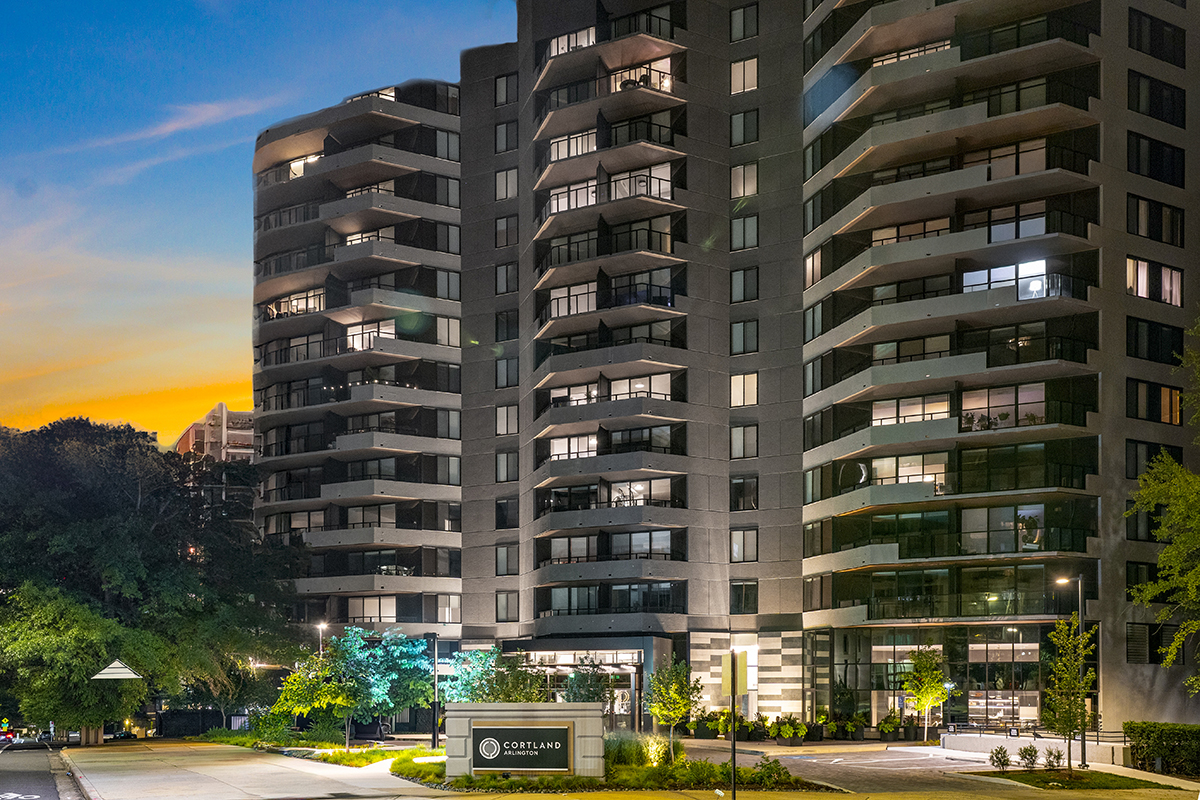
Carmen Garrison, vice president of community marketing at Cortland, has seen a similar pattern across its portfolio.
“The more polished and buttoned up something is, the less engagement and/or connection it gets,” she said. “(When it’s) superpolished corporate content, people bounce right away.”
(Gen Z) is the most informed renter generation I’ve ever seen.
—Samantha Skrobot, Industry Principal, Yardi
Garrison said overly “kitschy” content or forced humor also tends to miss the mark with zoomers. Instead, she has seen stronger engagement from straightforward posts showing community events, amenities and everyday resident life. However, James Love, vice president of marketing and brand for Draper & Kramer, said each community has its own identity, so residents or potential renters might engage with playful content. Therefore, marketere should really take the time to get to know what their particular communities want.
“Be authentic, be transparent, be straightforward and be honest,” Love advised.
Keeping the message consistent

Though social media is a great place to start marketing campaigns, it’s not the only—or necessarily the best—way to reach a younger audience. Skrobot has observed that only a small portion of Gen Z renters started their search through social media platforms, showing that social media may be more helpful for brand awareness than for conversions. More broadly, they begin with a listing platform they already know.
Another important aspect to consider, according to Alexandria DeHaan, senior director of marketing at Cushman & Wakefield, is prioritizing consistency. When information doesn’t line up across apartment listings, social media and community pages, it creates mistrust for prospective renters.
We can’t treat Gen Z like a social media campaign. That doesn’t work, and nor does it resonate.
—Alexandria DeHaan, Senior Director of Marketing, Cushman & Wakefield
“Instead of looking at it as all of these separate buckets, now from our perspective, this is all one leasing funnel,” DeHaan said.
Consistency for Gen Z doesn’t just mean having a cohesive brand; it goes deeper, requiring specific details to remain accurate across every touchpoint. From unit information and pricing to amenities, all details need to match across internet listing services, social media platforms and property websites.

In fact, DeHaan referred to a property website as the “bread and butter” of conversions. If marketing tools and listings don’t match the property’s website, you could lose out on future leases.
To stay consistent, Cushman & Wakefield has moved toward a mobile-first approach to website design. DeHaan said traffic across many communities is increasingly coming from mobile devices, making user-friendly mobile websites more important than they were in the past. After Cushman & Wakefield refreshed the website templates for one client’s portfolio, site sessions increased over a three-month period.
You really want to know you’re getting your money’s worth for what you’re paying.
—Carmen Garrison, Vice President of Community Marketing, Cortland
Love similarly emphasized consistency between a community’s online presence and the on-site experience. He said that by the time renters tour a property, they are often using the visit to confirm that what they saw online matches the actual community.
Raising the baseline
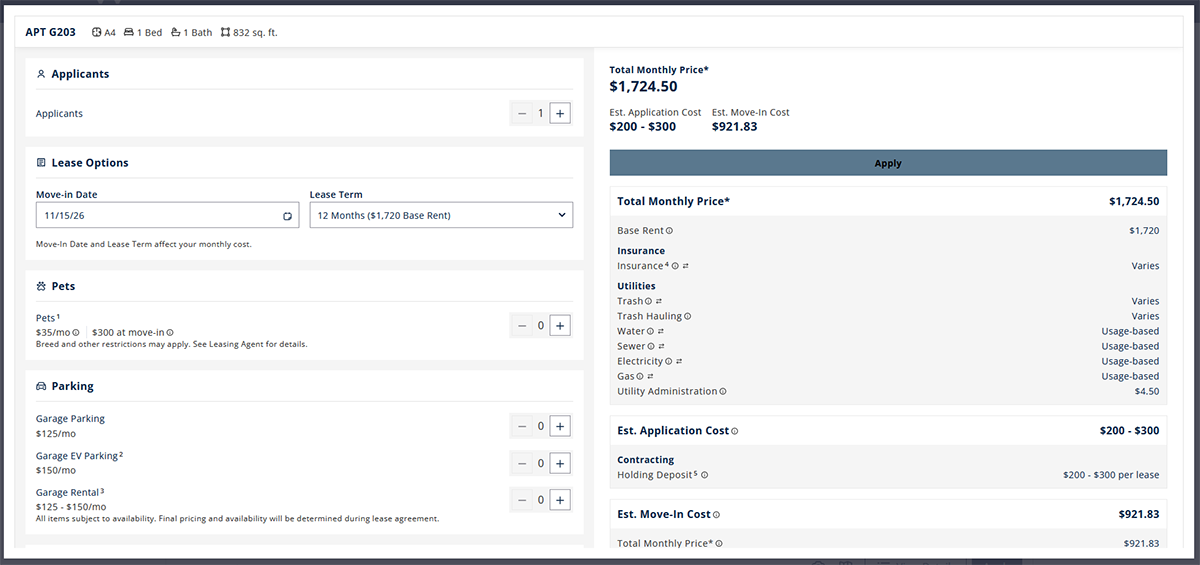
Gen Z is making meaningful changes in multifamily marketing that benefit the larger renter pool as well. One of the clearest examples is their demand for transparency about the real cost of renting, which is becoming the new normal in the industry.

“If I had to give one example of what everybody wanted, regardless of generation, it’s fee transparency without a doubt,” Garrison said.
Draper & Kramer has already put this into practice. Love said his company has rolled out its fee-transparency application across its portfolio so that prospects can have a better understanding of utilities, pet costs and other fees before signing a lease. He believes that providing this information upfront allows renters to make more informed decisions.
DeHaan also sees the changes being made through Gen Z-focused marketing as accelerating changes to fundamental practices. More accurate information, upfront pricing and easier digital experiences are the core of what all renters are looking for.
“(Gen Z and other generations) want to be valued,” Garrison said. “They want to be able to save time and effort. We need to be able to make things easier for them (so that they have) peace of mind and trust that where they’re living is going to be maintained to a certain level.”