Self Storage National Report – September 2026
The average advertised street rates continued to decline on a monthly basis, but at a slower pace.
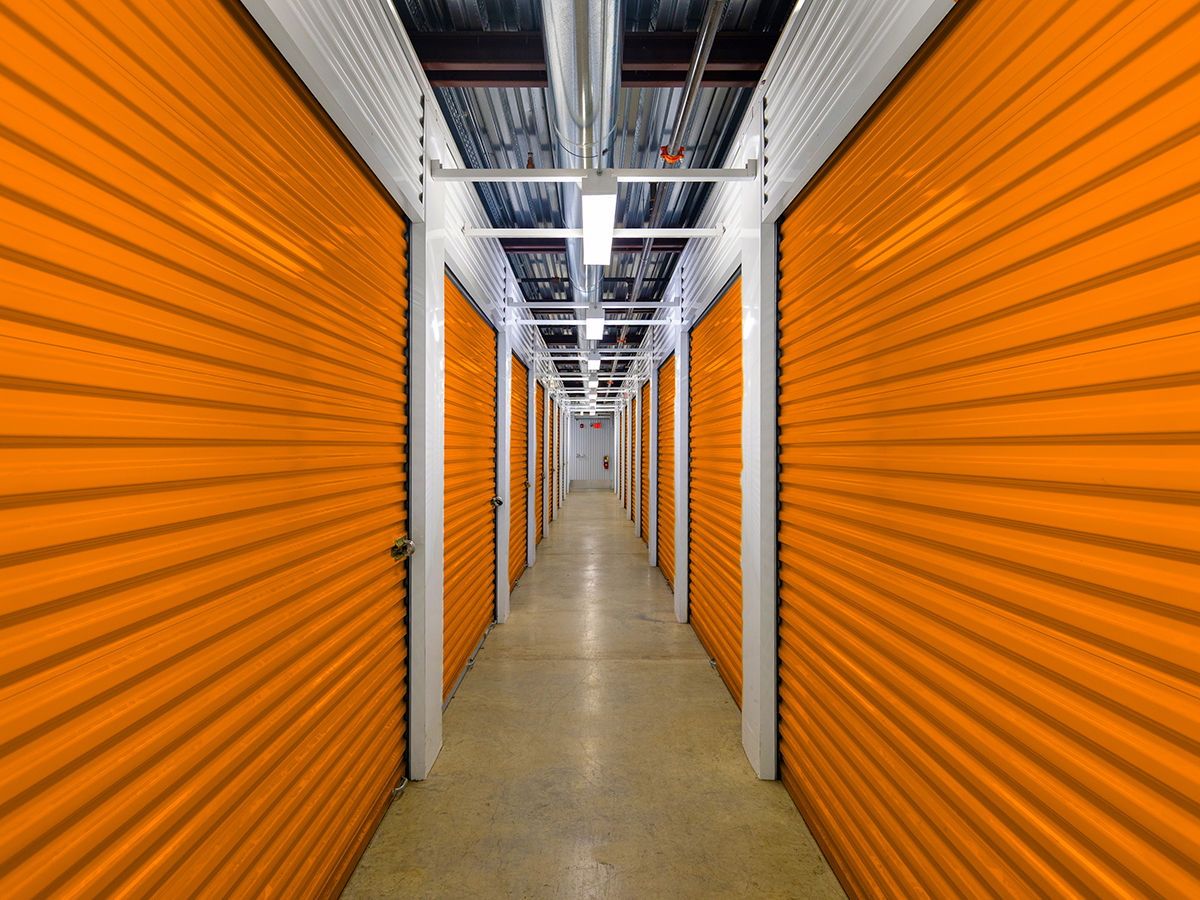
The self storage sector has been on a slow and moderate track towards recovery, with weak migration and home sales, together with renewed inflation and oversupply continuing to pressure the sector’s fundamentals. While occupancy and transaction activity have showcased signs of stabilization, revenue growth remains limited due to the gap between in-place and street rates.
Year-over-year, four of the top 30 U.S. metros tracked by Yardi Matrix recorded an increase in same-store advertised rents for non-climate-controlled units, as of August 2026. Only two of the metros on that list saw positive movement for the same metric for climate-controlled units compared to August 2026, namely Austin, Texas and the San Francisco Bay Area, according to the latest Yardi Matrix national self storage report.
Month-over-month, the average advertised street rates per square foot for the 10×10 non-climate and climate-controlled units contracted 0.5 percent to $16.39. Out of the top 30 metros, three saw positive movement in advertised asking rent growth, namely Indianapolis, San Diego, Calif. and Detroit, Mich. Metro Miami, Phoenix and Portland, Ore. were the only metros whose values remained flat compared to July 2026.
Phoenix’s pipeline maintains top spot, Portland ranks last
As of August, there were a total of 2,392 self storage properties in all stages of development across the U.S. The pipeline comprised 594 properties under construction, 1,499 planned and 299 prospective projects. The under-construction pipeline accounted for 2.1 percent of the total existing stock through August, down 10 basis points month-over-month and x basis points compared to August 2025. Last month saw approximately 43.8 million net rentable square feet under development across the U.S.
Of the top 30 metros, 13 had under-construction pipelines below the national average, with Portland, Ore. and Minneapolis, Minn. closing the list, at 1.0 and 0.3 percent, respectively. August marked Portland’s seventh and Minneapolis’ second month in a row ranking last in terms of under-construction supply.
On that same list, four metros registered an increase in under-construction supply compared to July, namely metro Miami, Charlotte, N.C., Chicago and Portland. At the top of the list with the largest under-construction supply from existing stock were Phoenix, Orlando, Fla., the New York suburbs and Austin—all having recorded dipping figures compared to last month. 16 metros across the same list kept their figures unchanged month-over-month.