Why the ‘Slow Midwest’ Story Is Outdated
BAM Cos. Founder & CEO Ivan Barratt evaluates the underdog markets that are winning the multifamily race.

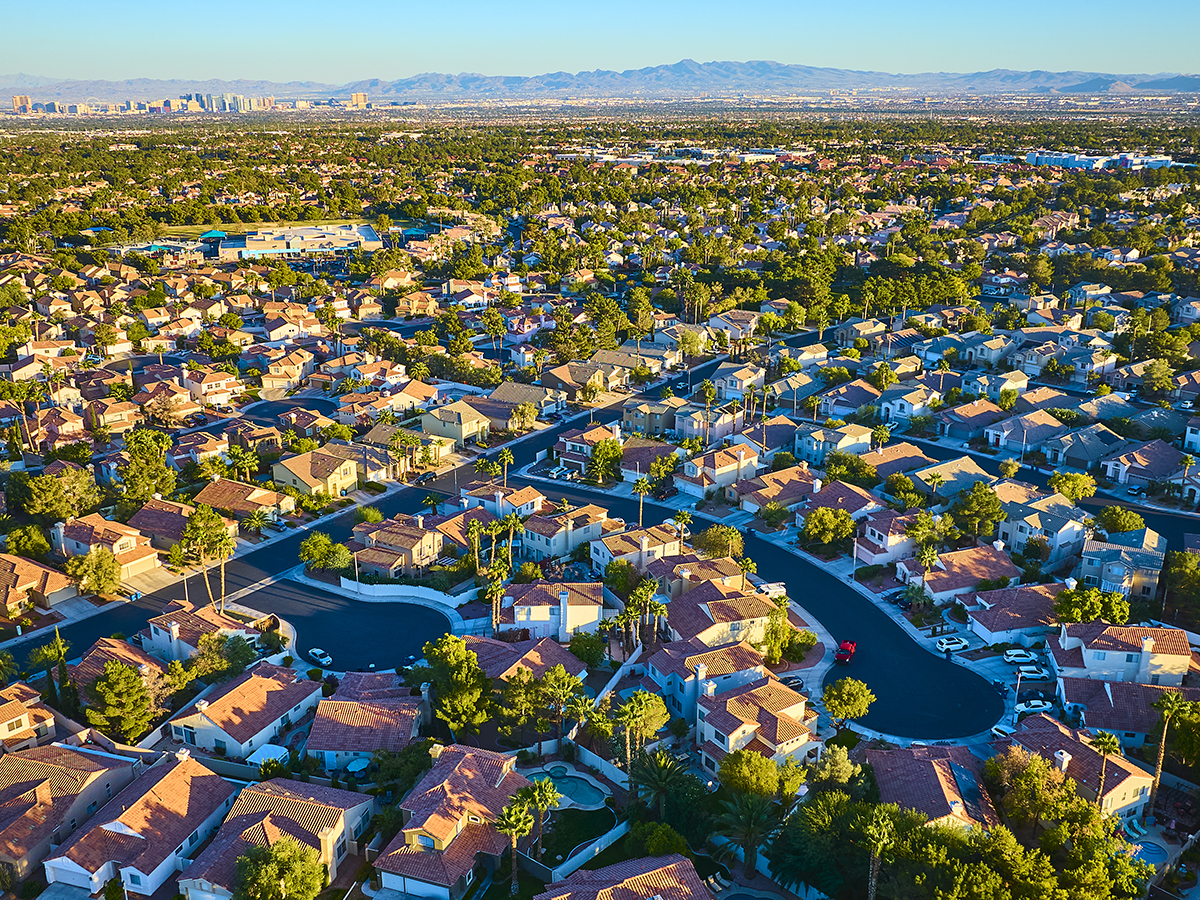
Investors and developers were quick to capitalize on the population influx in Sun Belt metros during the pandemic. Multifamily rents rose, occupancy surged, demand was strong and the pipeline seemed never ending. By 2023, however, migration had slowed, remote work was less the norm and many formerly hot markets reached oversaturation, which led to softening rents and rising operating costs.
As of 2026, Sun Belt metros are still playing catch-up. In May of this year, Austin, Texas’ under-construction pipeline clocked in at 6.5 percent of its total inventory on a trailing 12-month basis, followed by Charlotte, N.C. (6.4 percent), Phoenix (4.4 percent), Raleigh, N.C. (4.1 percent) and Nashville, Tenn. (3.6 percent), among others within the same region, according to Yardi Matrix data.
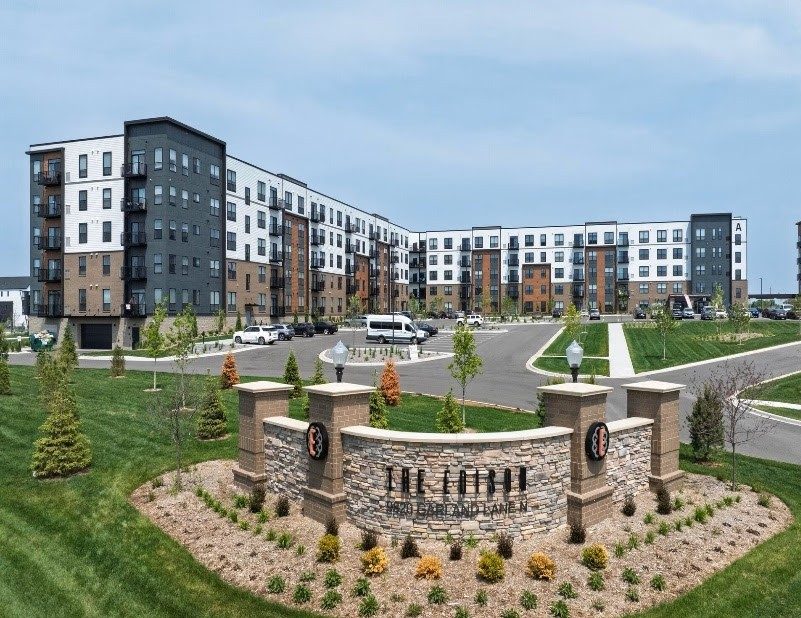
While these metros were stealing the spotlight, first for their magnetic pull during the pandemic and then for their struggles, some investors were turning their attention to the Midwest, where fundamentals have been holding steady month over month and year over year, even during the Great Financial Crisis of 2008 and the pandemic.
Kansas City, Mo.; Indianapolis; Columbus and Cincinnati, Ohio; and Pittsburgh, Pa., recently ranked among Yardi Matrix’s Top 10 most affordable cities in the U.S. Similarly, Wichita, Kan., and Tulsa, Okla., currently stand among the top emerging housing markets, having boasted steady demand and elevated supply over the course of 2025.
Ivan Barratt, founder & CEO of BAM Cos., has never underestimated the potential of the Midwest. “I love a low-supply submarket,” he told Multi-Housing News. In this interview, Barratt discusses the moderate growth within Midwestern markets and how the region is poised to support the “blue-collar renaissance” that awaits as a result of the AI revolution.
For years, institutional capital favored high-growth Sun Belt markets. What has changed in the multifamily landscape that is causing investors to reassess markets like Austin, Phoenix and Tampa, and take a closer look at places like Indianapolis, Kansas City and Columbus?
Barratt: The “growth at any price” tradeoff broke. Capital chased the headline migration story into Austin, Phoenix and Tampa, and developers built like the music would never stop. It stopped. Those are now the markets posting the steepest rent declines in the country. Austin’s down close to 5 percent year-over-year, with vacancy pushing 14 percent, and Phoenix and Tampa are both negative. Turns out a great population story doesn’t do much for you when there are 40,000 brand-new units competing for the same renter.
The Midwest didn’t boom, but it didn’t bust either. We’re a steady Eddie. Investors just got a brutal reminder that volatility cuts both ways, and they’re rediscovering markets where supply stayed disciplined and demand was always real instead of speculative. I’d put it bluntly: It’s not that the Midwest suddenly got better. It’s that everybody else got humbled, and now the boring market looks awfully smart.
What are the earliest warning signs that a multifamily market is becoming overbuilt, even before rent growth clearly turns negative?
Barratt: Permits and starts are the tell, and they show up long before rents roll over. I watch units under construction as a percentage of existing stock. When a market is delivering 4, 5, 6 percent of its inventory in a single year, the correction is already baked in—you just haven’t felt it in the rent roll yet.
WANT MORE CONTENT LIKE THIS? Subscribe to MHN’s Finance & Investment Newsletter
The next signal is concessions. When operators start handing out six to eight weeks free—or, in the worst markets, three months—the rent on paper still looks fine, but effective rent is quietly bleeding out. By the time the headline number goes negative, you’re 18 months late to the story. So watch new-lease trade-outs against renewals because new leases turn first. And watch the merchant builders. When the guys who built to sell can’t sell and they start handing keys back to the lender, the blood is already on the floor. That’s a lagging confirmation, not an early warning.
When you evaluate Midwest multifamily markets today, what separates the strongest markets from the rest?
Barratt: It’s discipline on the supply side and durability on the demand side, and you need both. We’ll look at 200 deals to do one and the filter never changes: Is the job growth real and diversified—not one employer, not one hot sector—and is somebody about to overbuild it?
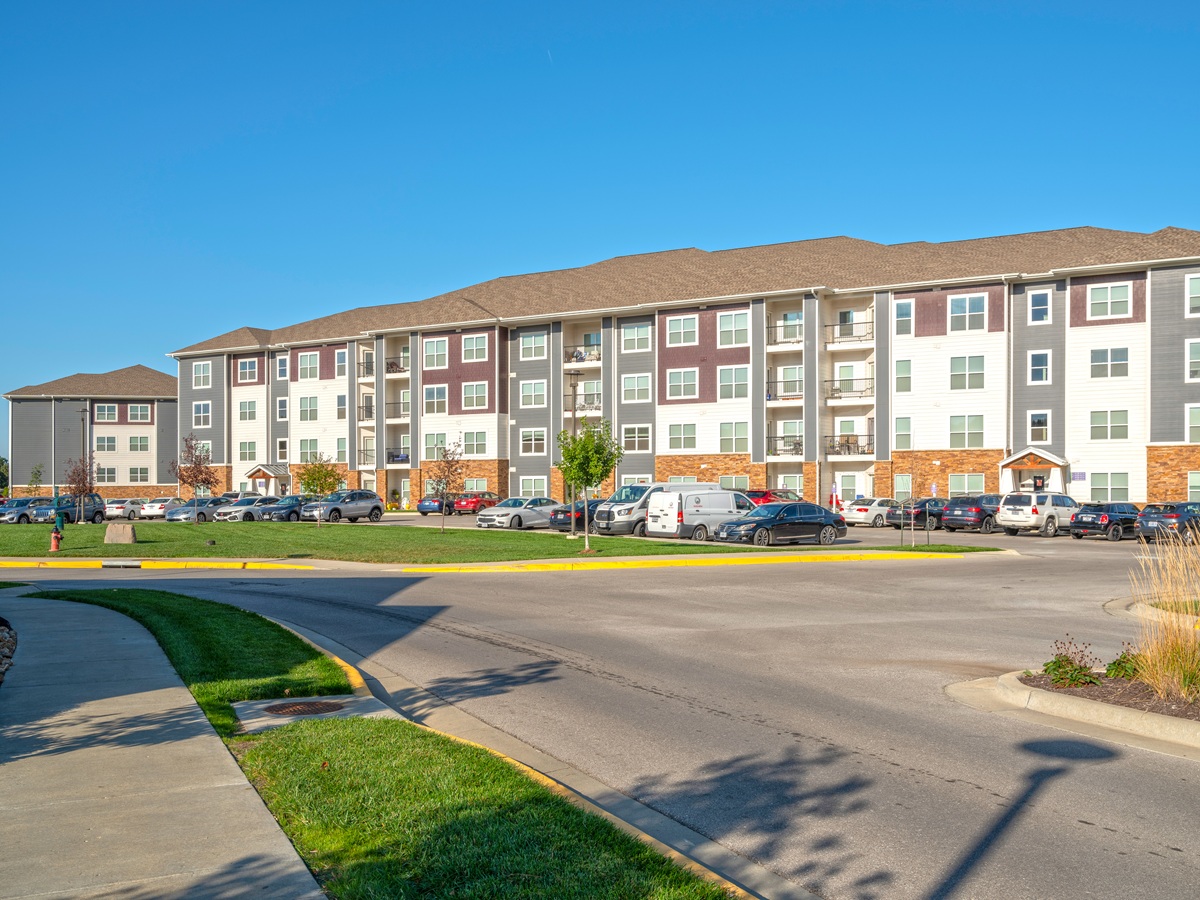
I love a low-supply submarket. In Kansas City, we bought in a county with only a few hundred units under construction and nothing else planned. That’s the kind of setup where you can’t get hurt by the next delivery wave. Then it’s the boring stuff that actually drives retention and rent: good school districts, proximity to jobs, safety. And affordability is the cushion underneath all of it. The strongest markets aren’t the ones with the flashiest growth rate on a slide but the ones where the growth is broad, boring and durable, and nobody’s flooding them with new product.
The Midwest has often been viewed as slower growth compared with the Sun Belt. What demographic or renter-demand trends are challenging that perception, and which renter segments do you expect to drive demand over the next several years?
Barratt: The “slow Midwest” story is dated. Here’s my contrarian bet: We’re heading into a blue-collar renaissance, and the Midwest is built for exactly that. Look at what’s actually getting built: data centers, the power generation to feed them, highways and the reshoring of manufacturing. The people who build and run all of that are crane operators, electricians and plumbers—and they’re making six figures now. That’s your hedge against AI disruption. You can’t offshore a journeyman electrician, and you can’t prompt one into existence.
Those workers want nice apartments, good schools, safe neighborhoods, room to raise a family, and they want it somewhere they can afford. We also love Big Ten university markets—and not for student housing. We’re after workforce and Class A demand anchored by a major university and a hospital system that aren’t going anywhere, (such as) Bloomington and West Lafayette, Ind. That demand doesn’t pack up and leave when the cycle turns.
Affordability is a major part of the Midwest story. How important is that affordability cushion in today’s environment, especially as rents in other markets face more pressure?
Barratt: Right now, it’s everything. When a renter in Austin, Texas, or Phoenix is being offered three months free, the spread between markets—and between renting and owning—is what protects your downside. In our markets, a household isn’t handing over half its paycheck in rent, so there’s room for rents to grow without breaking the renter, and there’s no cliff to fall off when the economy softens.
That’s the whole thesis. I’d rather own steady, affordable cash flow than a trophy asset in a market priced for perfection. Affordability isn’t just a nice feature for the resident—it’s a margin of safety for the investor. In a market with that cushion, you don’t need heroics to make money. You mostly need to not screw it up.
You invested through both the Great Financial Crisis and the pandemic. What lessons from those periods are influencing how you underwrite acquisitions today?
Barratt: I lost just about everything in ’08. I was a young guy in development who thought he knew a lot, and I was lucky to learn that lesson young—old enough to teach me, not old enough to destroy me. The lesson was discipline and respect for the capital stack. It’s rarely the asset that kills you. It’s the financing: Cheap, short-term, floating-rate debt is how people blow themselves up.
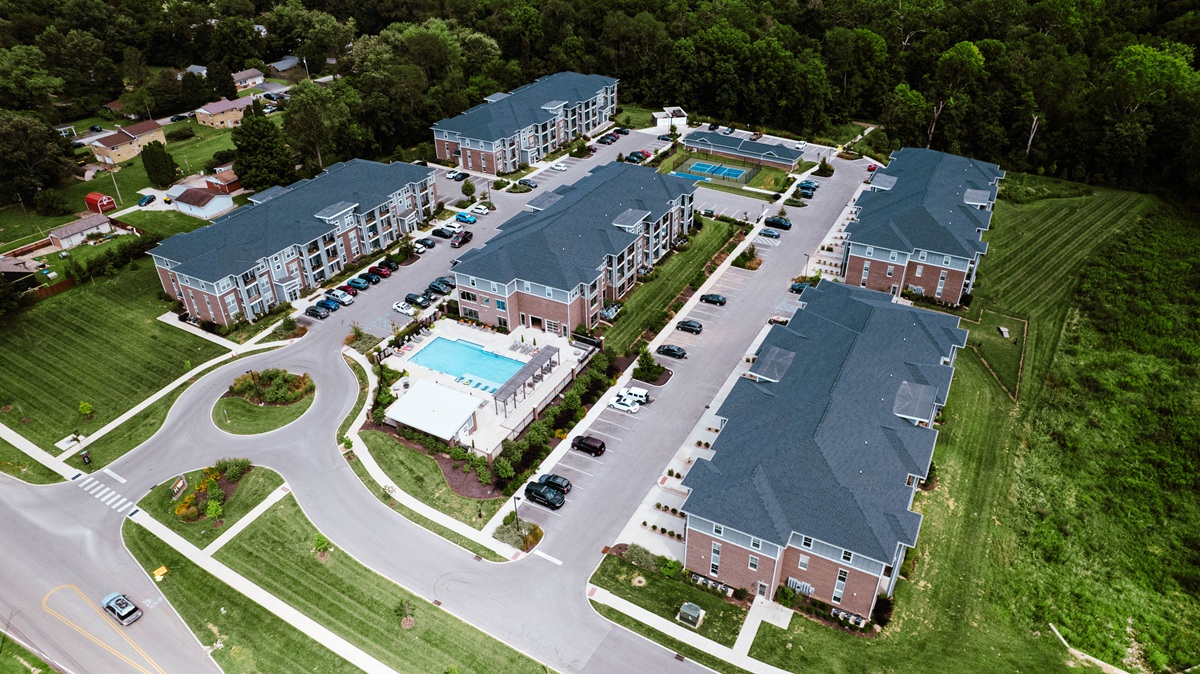
Today, we underwrite conservatively. We stress for rates staying higher for longer, we don’t count on cap-rate compression to bail us out and we treat the preferred return as sacred. We’ve never missed a preferred payment to investors, and I intend to keep it that way. The pandemic reinforced the other half of it: Own your operations. If you don’t control property management, you don’t control your outcome. The deals that survive a downturn aren’t the ones bought cheapest but the ones financed and operated like the music could stop tomorrow.
What’s your outlook for Midwest multifamily fundamentals over the next few years in terms of rent growth, occupancy, concessions and transaction activity?
Barratt: I’ll be straight with you: The next 12 to 18 months are still a grind, and that’s fine. It’s a buyer’s market, not a seller’s, and anyone who can afford to wait is waiting. Transaction volume is muted and probably stays that way until rates settle and the bid-ask spread closes. But that’s precisely when you want to be buying.
In the Midwest, I expect steady, unspectacular rent growth—call it low single digits, with Columbus and Kansas City running a touch ahead of Indianapolis—and occupancy that holds up because we never overbuilt in the first place. Concessions in our markets stay light, and that gap versus the Sun Belt is the entire advantage. The oversupplied markets have to chew through their inventory before they recover, and that’s a multi-year process. By the time transaction activity really thaws, the people who bought through this quiet stretch are going to look smart. Same as a cocktail party I was at recently, where folks asked if I was okay because I’m in real estate. It feels like 2010 again, and just like then, I wish I were buying more.
Are there Midwest markets or submarkets that you believe remain underappreciated by institutional investors?
Barratt: Plenty. Institutional capital still treats the Midwest like one undifferentiated flyover blob, and that’s exactly the inefficiency we exploit. Less competition means a better basis going in. Indianapolis, our home base, has been terrific and is still underpriced relative to its fundamentals.
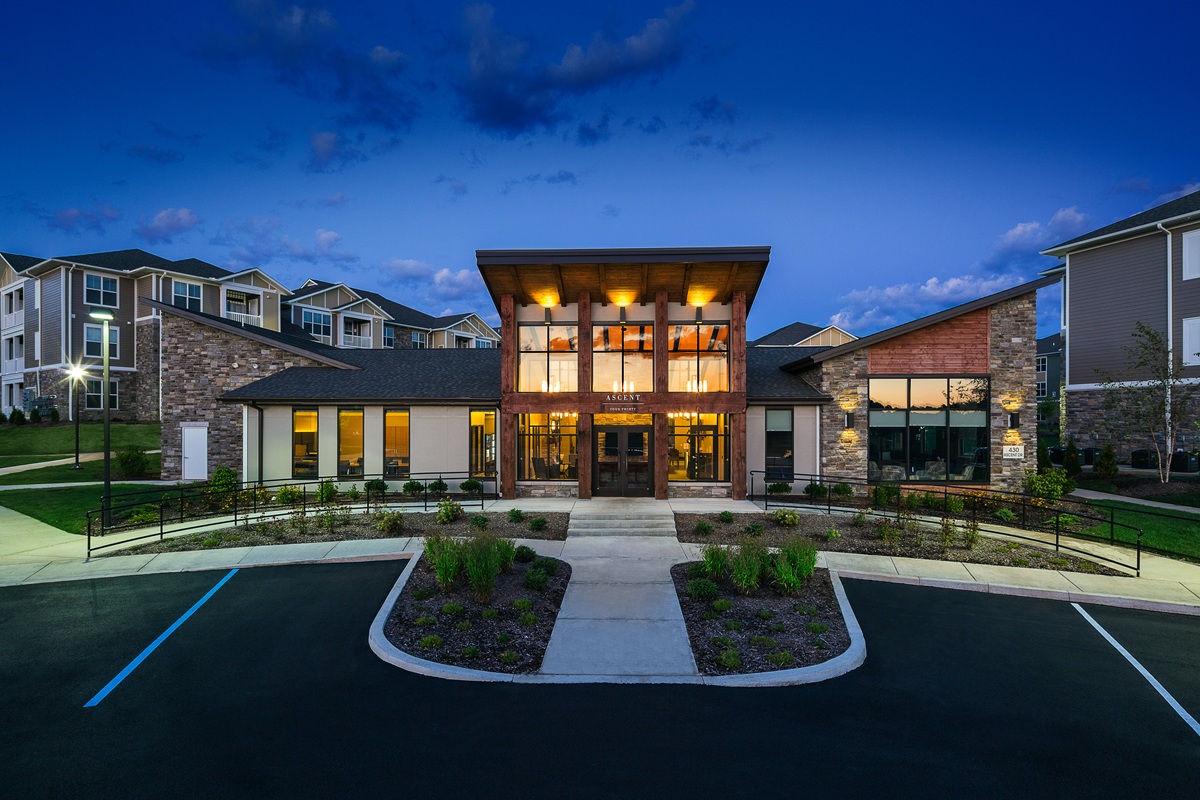
But I’ll go further, into the markets nobody puts on a billboard: outside Pittsburgh, Pa.; Des Moines, Iowa; and especially those Big Ten college-and-hospital towns like Bloomington and West Lafayette. They’re anchored by a university and a medical system that literally cannot get up and leave, with workforce and Class A demand that’s about as recession-resistant as it gets. They’re not sexy. That’s the point. The deals everybody’s already heard of are priced accordingly. The edge is in the ones they haven’t.
Do you see the current shift toward Midwest multifamily as a temporary rotation away from overbuilt Sun Belt markets, or as a longer-term change in how investors think about risk-adjusted returns?
Barratt: Mostly structural. And honestly, the word “rotation” is the mistake. People want to treat this as a trade: Dump the Sun Belt, rent the Midwest for a cycle and rotate back when Austin’s cheap again. I think the era of easy money and indiscriminate capital chasing a headline growth rate is over.
Rates reset. And when capital actually costs something again, fundamentals and operations start to matter. That’s a lasting change in how serious money should think about risk-adjusted returns. The Midwest’s advantage was never temporary—it just got ignored when money was free. The Sun Belt will recover, to be clear. Those are good long-term markets. But the lesson that boring, durable, affordable cash flow is worth paying for? That one sticks. At least until the next cycle convinces everybody they’re geniuses again.