MHN Executive Council: Biggest Fails—And How They Were Corrected
Everyone makes mistakes. It's what you do after that counts.
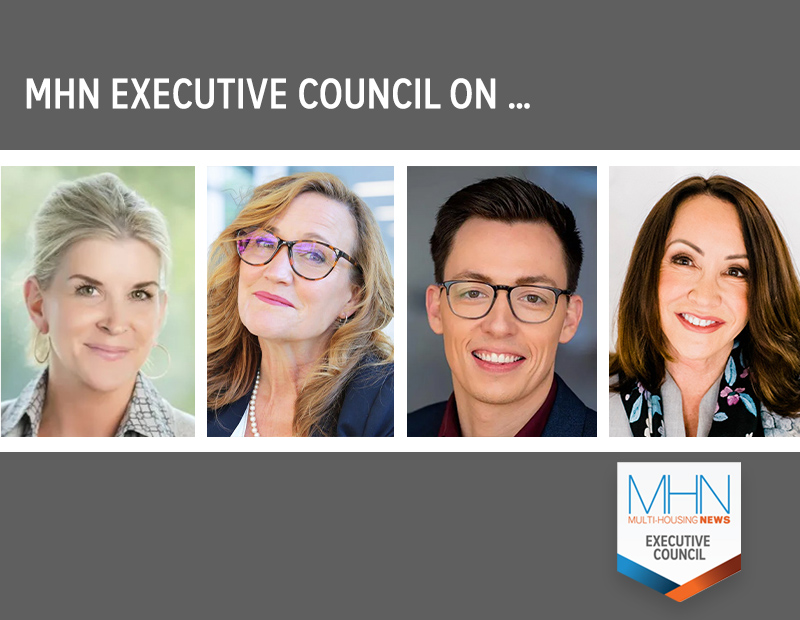
It’s sometimes hard to admit when you mess up. But without them, how do we learn to be better? This month, we asked the MHN Executive Council to share some of their biggest fails of the year and how they corrected them. Who else can relate?
More Communication
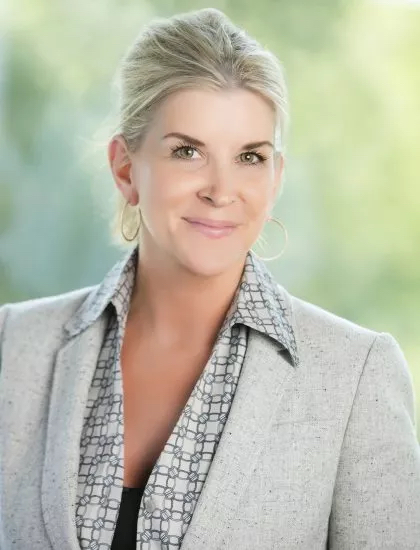
As we’ve continued to grow, one thing I realized this year is that I didn’t spend enough time upstream with some of our support functions and emerging leaders. When you’re moving quickly, it’s easy to focus on solving today’s problems. Looking back, I could have invested more time building alignment before issues surfaced. The lesson for me is that scale requires more communication, not less. This year I’m intentionally spending more time connecting teams, building relationships and ensuring we’re solving enterprise challenges together rather than departmental challenges independently. —Kari Warren, COO of Property Management, Kairoi Residential

Slow Down
I’ve always been wired for speed. When I joined an organization looking to optimize a new vertical, I leaned heavily into that instinct. What I learned is that moving ahead too quickly can sometimes create friction. When one person gets too far in front, everyone else is forced to play catch-up, including the person leading the charge. Progress isn’t just about velocity; it’s about bringing people with you. The lesson for me wasn’t to slow down, but to create alignment earlier, involve the team sooner and build momentum collectively. The most sustainable growth happens when speed and alignment move in lockstep. —Sandy Jack, Vice President of Strategic Relations, Multifamily, Vingcard/Nomadix

Don’t Assume
One of the biggest mistakes I made this year was assuming that because our clients buy buildings, develop communities and manage incredibly complex projects, they automatically know how to buy consulting services. I’ve learned those are two very different things.
Like many consultants, we’ve spent years refining our process, terminology and approach. What I realized is that while these things are second nature to us, they aren’t necessarily second nature to our clients. Their expectations are often shaped by previous experiences, industry anecdotes, social media, television, AI-generated content, or entirely different service providers. As a result, two parties can enter a project using the same words but operating from very different assumptions.
That disconnect can create friction before the work even begins.
The lesson for me was that alignment should never be assumed—it should be actively created. We’ve become much more intentional about educating clients on what our services include, how decisions are made, what success looks like, and what they can expect throughout the process. Those conversations require additional time upfront, but they pay dividends in trust, collaboration, and ultimately project outcomes.
In an industry moving as quickly as ours, it’s easy to focus on delivering expertise. What I’ve learned is that expertise alone isn’t enough. Part of our responsibility is helping clients understand how to engage with that expertise successfully.
The biggest takeaway: Never assume understanding simply because someone is experienced. The most successful projects begin when everyone has a shared definition of what the work is, how it will be accomplished, and what success looks like together. —Josh Kassing, Managing Principal, Mary Cook Associates

Keep It Simple
My biggest miss from the past year was not making it simple enough for people to understand how to work with me. I continued creating strong content, delivering programs and building relationships, but I did not package my services or present them as clearly as I could have.
This year, I am correcting that by refreshing my website, creating clearer service offerings, and being more intentional about direct outreach. I also want to pick up the phone more often, because connection, trust, and rapport are often built faster in conversation than they are through another email. —Maria Pietroforte, President, Maria Pietroforte Consulting
Interested in joining the MHN Executive Council and sharing your insights? Email Jessica Fiur.