Why Affordable Housing’s Future Is Human Infrastructure
Redevelopment projects are not just about restoring the buildings.
Across the country, cities are working urgently to address an affordable housing crisis that has been decades in the making. We need more housing inventory, faster development timelines and stronger public-private partnerships supported by creative financing tools. But meeting this moment also requires something deeper: a broader vision for how communities are built and sustained.
And if we are honest with ourselves, we also need to ask a harder question:
What exactly are we rebuilding?
For too long, affordable housing success has been measured primarily by the number of units delivered. Unit counts matter, of course. But communities do not thrive because new buildings appear on a skyline. Communities thrive when people feel safe, connected, supported and hopeful about their future.
That is why I believe the future of affordable housing is not simply housing infrastructure. It is human infrastructure.
Human infrastructure is fundamentally about equity – ensuring low income families have access to the same high-quality housing, services and opportunities as anyone else. Too often, thoughtful design, amenities and investment have been treated as privileges tied to income. Our industry must reject the idea that dignity depends on a ZIP code or a paycheck.
LIKE THIS CONTENT? Subscribe to MHN’s Finance & Investment Newsletter
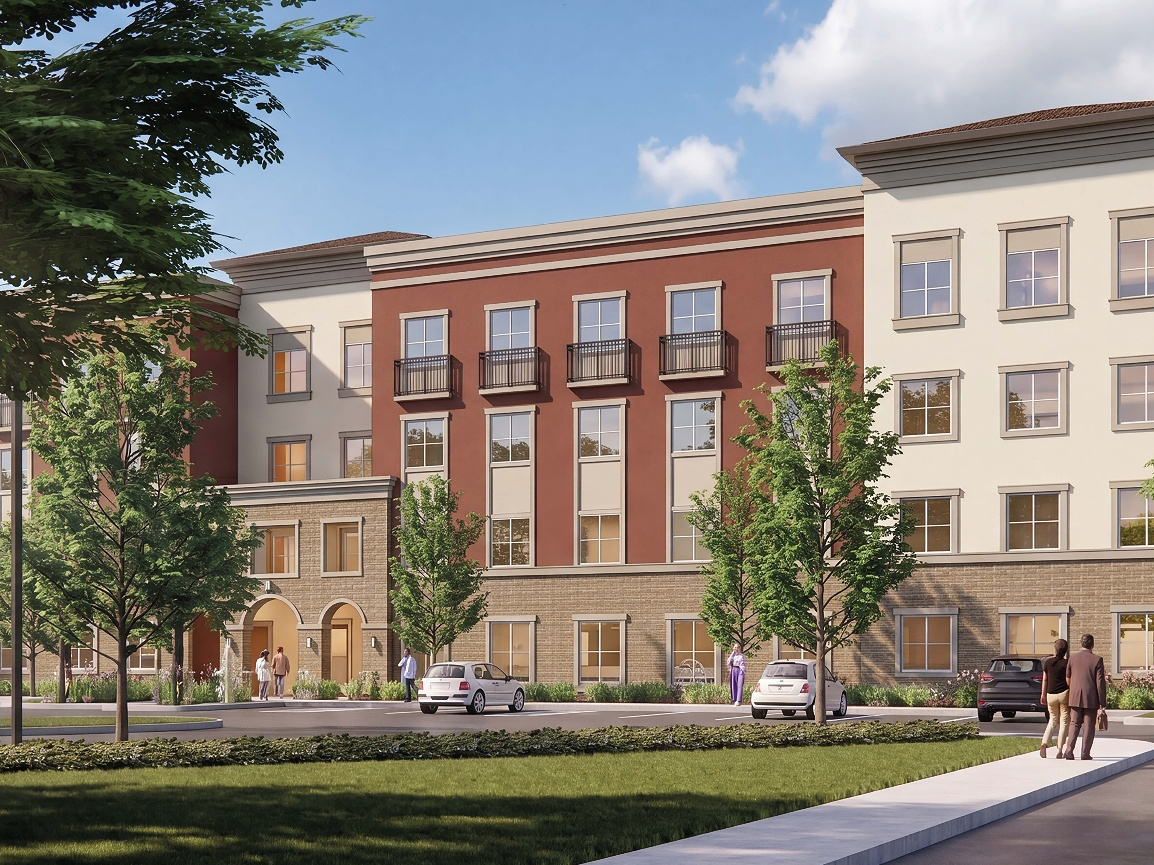
In Norfolk, Va., we are putting that philosophy into practice through the St. Paul’s Transformation, one of the most ambitious neighborhood redevelopment efforts in the country. While the work includes replacing outdated public housing, the larger goal is far more holistic. We are creating a resilient, mixed-income community where families can access opportunity, stability and support systems they need to thrive across generations. Every piece of the work is intentional, from quality housing and welcoming public spaces to service networks designed to strengthen long-term outcomes for families.
That distinction matters.
Historically, many redevelopment efforts across America focused almost exclusively on physical structures. New buildings replaced old ones, but the underlying conditions that contributed to concentrated poverty often remained unchanged. In some cases, redevelopment deepened distrust when residents saw decisions happening to them instead of with them.
Communities remember those experiences.
That is why trust-building must become a core part of modern redevelopment. Residents need transparency. They need consistency. They need evidence of intentional engagement, proof that their voices are shaping the outcomes—not simply being documented. Most importantly, they need to know that revitalization will not come at the expense of the people who already call these neighborhoods home.
Putting people first
In Norfolk, our “People First” approach recognizes that redevelopment is not only a construction project. It is a long-term relationship with residents and families. That commitment extends to former residents regardless of whether they choose to return to the new community because successful redevelopment should ultimately be measured by people’s long-term stability and opportunity, not simply geography. That means investing in community engagement, educational partnerships, economic mobility programs and supportive services alongside housing development.
It also means listening carefully.
Residents are the experts on their own lived experiences. Some families have deep concerns about displacement because they have seen promises broken before. Others are navigating barriers connected to transportation, childcare, employment or health care. If we fail to address those realities, we risk creating beautiful developments that still leave people disconnected from opportunity.
Housing stability alone does not automatically create community stability.
That is especially true in coastal cities like Norfolk, where resilience has become part of everyday life. As cities nationwide confront climate pressures, aging infrastructure and economic inequality simultaneously, we must be intentional about how we define resilience and how we build it.
A resilient building is important. But resilient communities require much more than flood mitigation strategies or stronger construction standards. They require social cohesion, economic opportunity and trusted institutions. They require purposeful, sustained investment in people as well as place. They require neighborhoods where residents can adapt, recover and thrive together over time.
In other words, physical resilience and human resilience are inseparable.
This is where I believe the affordable housing industry has an opportunity to lead.
Public-private partnerships are already helping communities unlock financing and accelerate development. The next step is ensuring those partnerships are also aligned around measurable human outcomes. That alignment must be built into project goals, funding structures and collaborative practices from the start. Success should not be defined solely by project completion dates or capital stacks. It should also be measured by whether families have greater economic mobility, whether children have stronger educational pathways and whether residents feel a deeper sense of belonging in their community.
That is the future cities should be designing for.
Using tomorrow’s framework
At the local level, this work is not always easy. Holistic redevelopment takes time. It requires patience, coordination and authentic collaboration across sectors. But communities are asking for more than housing alone. They are asking for neighborhoods where people can build stable lives and envision a future for the next generation.
As leaders in housing and community development, we have a responsibility to think beyond the boundaries of traditional redevelopment. We cannot solve today’s housing challenges with yesterday’s frameworks.
The good news is that communities across the country are already showing what is possible. Cities, developers, housing authorities and nonprofit partners are beginning to recognize that the strongest neighborhoods are not built solely with concrete, steel and financing tools. They are sustained through thrust, opportunity, relationships and shared investment in people. And they succeed when equity is placed at the center of development from the beginning.
That is human infrastructure.
And if we want to create communities that are truly resilient for generations to come, it may be the most important infrastructure investment we make.
Susan Perry, Ph.D., is director of housing and community development for the City of Norfolk, Va.